
Written by
Sabina
Directly to
- Which houseplants can tolerate shade, low light or a dark spot?
- Which houseplants can tolerate full sun?
- Which large houseplants can tolerate low light or shade?
- Treating aphids on houseplants
- Treating mealybugs on houseplants
- Which plants are suitable for a dark toilet or bathroom without daylight?
- Why are the leaves of my houseplant turning brown?
- What can you do about flies in houseplants (fungus gnats)?
- Best food/fertiliser for houseplants: what to use & avoid
- White spots or mould on plant leaves: causes & solutions
Whether you’re a seasoned plant lover or just starting out with your first green housemate, caring for houseplants often raises questions. For instance, what can you do about brown leaf edges? Which plants need little light? And how do you deal with fungus gnats and mealybugs? In this article, we answer 10 frequently asked questions about houseplants. That way, you can keep your plants healthy, strong and thriving!

1
Welke kamerplanten kunnen goed tegen schaduw, weinig licht of een donkere standplaats?
Plants such as Snake Plant, Epipremnum, Zamioculcas, Spider Plant, Peace Lily, Aglaonema, Pachira, Philodendron scandens and Calathea thrive perfectly well in a shady spot. They feel right at home in places with little light, for example far from a window or in a north-facing room. Want to give a dark space a green boost? Read more about it here!
2
Which houseplants can tolerate full sun?
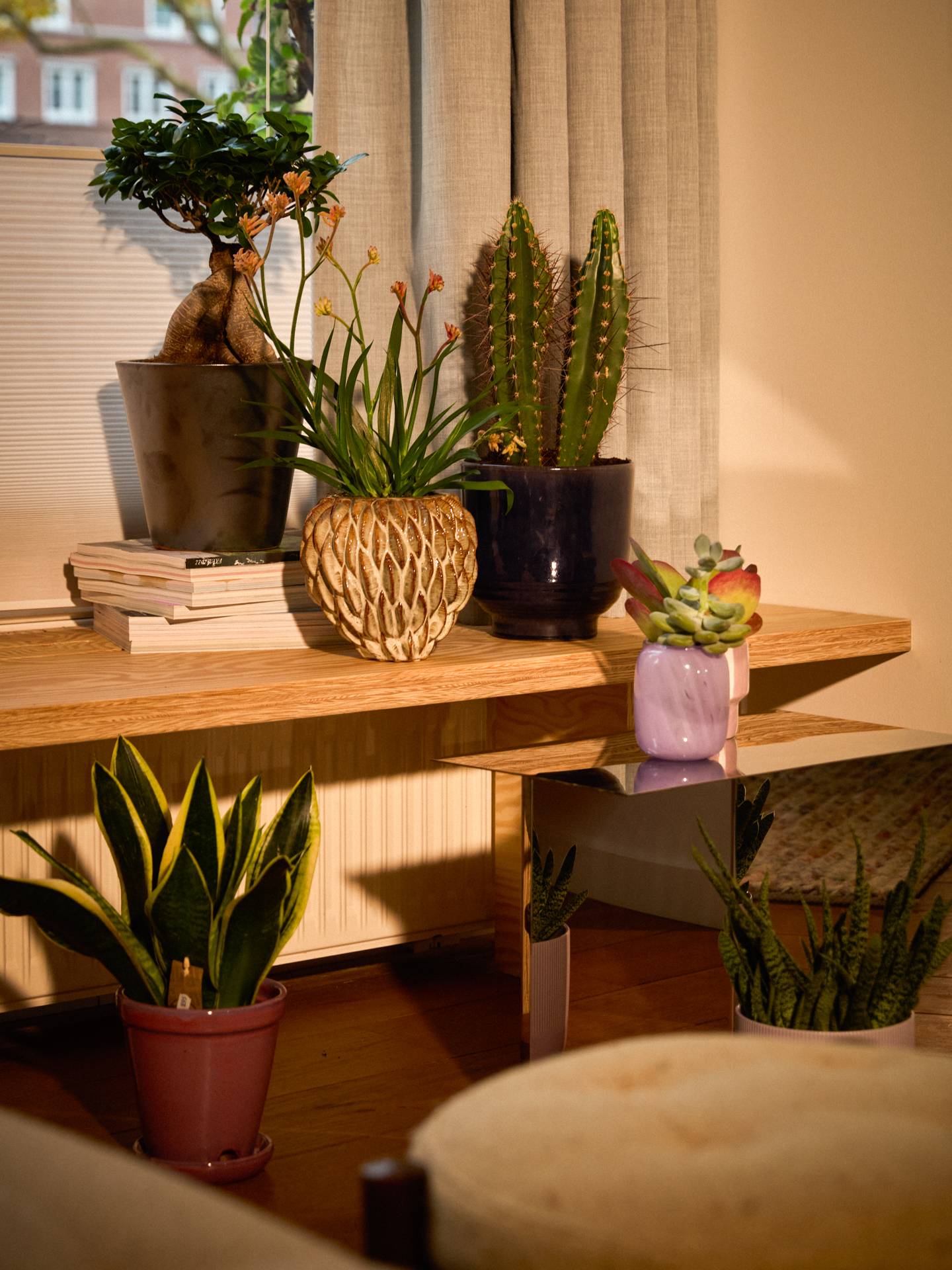
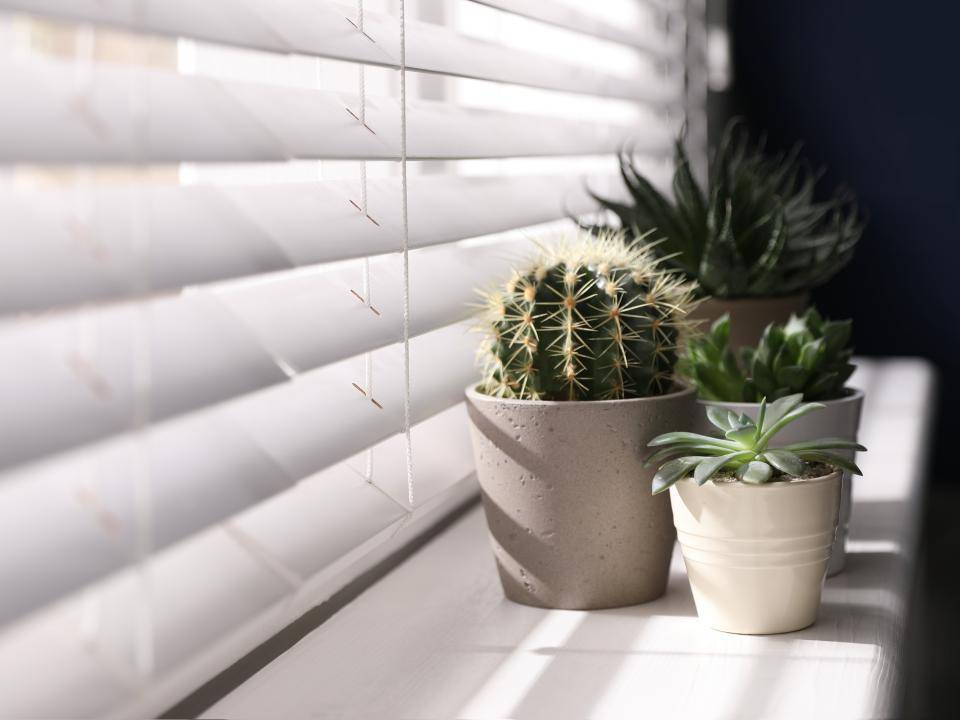
Plants such as Cactus, Succulents and Snake Plant are true sun lovers. These are virtually the only houseplants that can handle a spot in full sun (direct sunlight). So you can place them on a windowsill or another sun-drenched spot with complete peace of mind.
Most plants that need plenty of light, such as Strelitzia, Yucca, Carnivorous plants, Coffea arabica, Croton, Bougainvillea and Citrus plant, prefer indirect sunlight. By indirect sunlight, we mean filtered light, such as behind a curtain at a south-facing window or a few metres away from a south-facing window.
Most sun lovers prefer indirect (filtered) sunlight.
3
Which large houseplants can tolerate low light or shade?
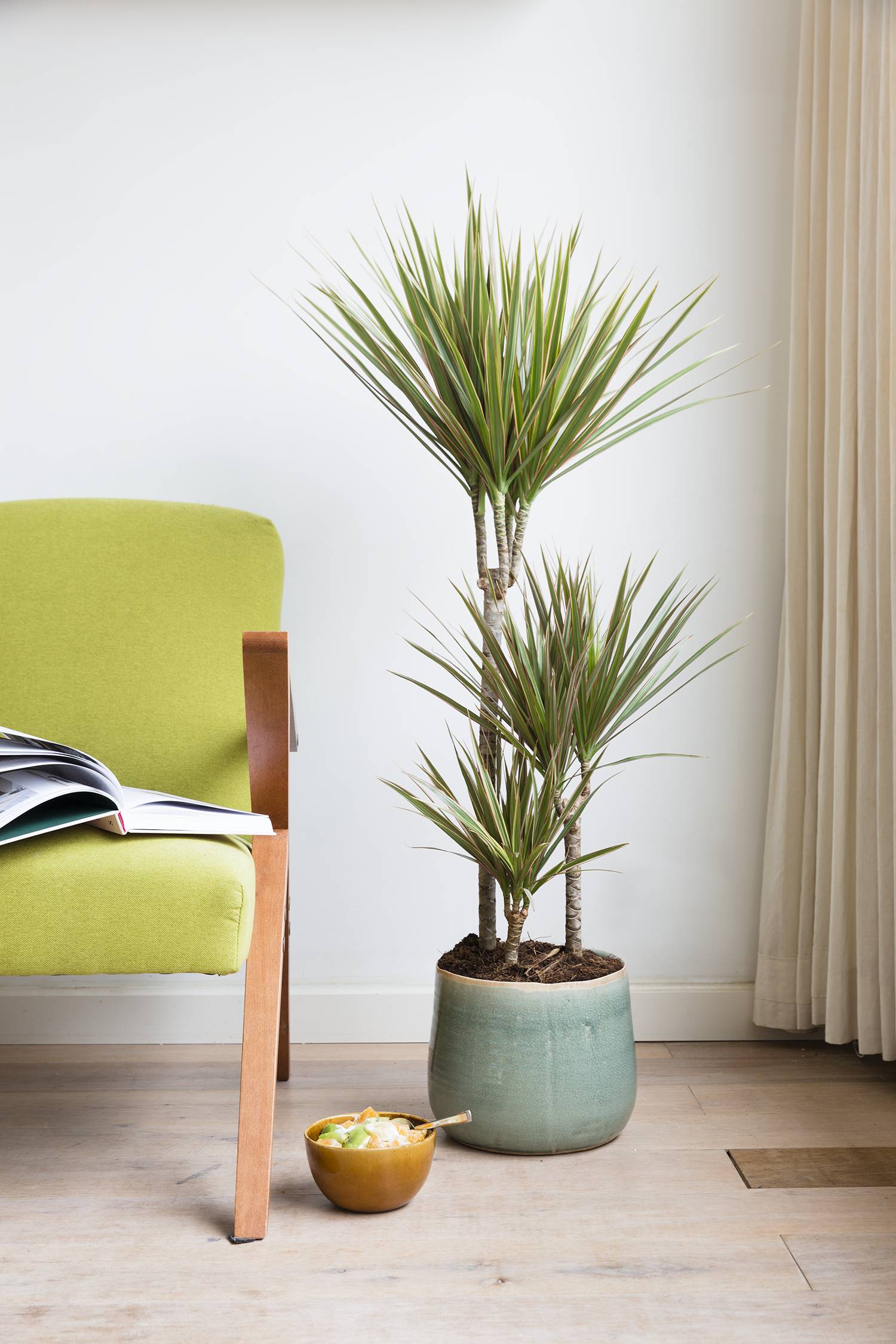
Dracaena, Polyscias and Kentia Palm are large houseplants that need little light. With these XL houseplants, you can give your dark corner a green boost in no time! In this article, you can read more about these large plants and how to care for them.
Do you have a spot with partial shade? Then large houseplants such as Ficus Elastica (Rubber Plant) and Monstera (Swiss Cheese Plant) are suitable. For these plants, the rule is: the more light they get, the faster they will grow and the larger their leaves will become. Read more about it here.
4
What can you do about aphids on houseplants?
You can tackle aphids in different ways:
- Rinse the plant with a lukewarm shower to wash away a large number of the aphids. Pay particular attention to the underside of the leaves and young shoots, as aphids love to hide there!
- Remove aphids with a damp cloth. Still spotting aphids? Then gently wipe them away with a soft, damp cloth or kitchen paper.
- You can also use a mixture of water and mild green soap. Apply this mixture to the leaves using a soft cloth, sponge or plant sprayer. This helps to loosen and combat the aphids. Afterwards, rinse the affected parts with clean water (without soap).
- Aphids can spread quickly, so place affected plants in ‘quarantine’ to prevent them from infecting other nearby plants.
You can recognise aphids by small green, black or yellow insects on young shoots and leaves. They feed on plant sap and can weaken your plant
5
What can you do about mealybugs on houseplants (and how can you prevent them)?
You can combat mealybugs in different ways:
- Remove the fluffy clusters with a damp cloth or kitchen paper.
- Rinse the plant with a lukewarm shower to wash away a large number of the mealybugs. Pay particular attention to the underside of the leaves and young shoots, as mealybugs love to hide there!
- Is the infestation persistent? Then use a biological control product against mealybugs. Always follow the instructions on the packaging.
- Carefully remove the mealybugs with a cotton bud dipped in pure alcohol. This can help, as alcohol dissolves the protective wax layer of mealybugs, but only use it locally, as alcohol can also damage the leaves. A milder option is a solution of water with a little mild (green) soap. Repeat the treatment after a while if necessary.
- Mealybugs can spread quickly, so place affected plants in ‘quarantine’ to prevent them from infecting other nearby plants.
You can recognise mealybugs by white, fluffy clusters on young shoots, leaves and/or stems. They are small insects that feed on plant sap.
6
Which plants are suitable for a dark toilet or bathroom without daylight?
No plant can survive in a space without daylight, as plants need light for photosynthesis. If you have a bathroom or toilet without daylight, it’s better to opt for another natural decorative element, such as dried flowers. Plants that are suitable for a dark toilet or bathroom, for example in a space with a small window, include Snake Plant, Peace Lily and Spider Plant. Want to know more about bathroom plants? Check out our top 10 splash-worthy plants for the bathroom here!

7
Why are the leaves of my houseplant turning brown?
Is your plant suffering from brown tips, brown edges or brown spots? This can have several causes. The most common reasons are:
- Too little water: when a plant doesn’t get enough water, the leaves slowly dry out. You’ll often first notice this as brown leaf tips or brown edges. Tropical houseplants with large leaves, such as Strelitzia (Bird of Paradise Plant), react particularly quickly to this.
- Air that’s too dry: many houseplants originally come from tropical regions and therefore prefer higher humidity. Indoors, the air can become very dry due to heating or air conditioning. As a result, leaf tips in particular dry out and develop brown edges.
- Too much sunlight: is your plant placed in bright, direct sunlight? Then the leaves can become scorched. You’ll often recognise this by brown or dry patches in the middle of the leaf. Only a few plants can tolerate full sun well. Most plants prefer indirect sunlight.
- Too much plant food: fertiliser can stimulate growth, but too much can damage the roots. This may show up as discolouration or brown spots on the leaves. Always feed according to the recommended dosage.
So always check the points above first (watering, light, humidity and feeding). Based on this, you can determine what your plant needs and take the right action.
8
What can you do about flies in houseplants (fungus gnats)?
Fungus gnats (small black flies) often appear when the potting soil stays too wet. Here’s how to get rid of them:
- Let the potting soil dry out properly between watering.
- Replace the top layer of potting soil in the plants affected by fungus gnats.
- Use yellow sticky traps to catch adult flies (these are sticky cards that the flies get stuck on)
- Tackle the larvae in the soil with nematodes.
Did you know...
Fungus gnats are actually small flies (sciarid flies). They don’t bite, but they can be a nuisance. The larvae can damage your plant’s roots, which may cause your plant to grow poorly or even die.
9
Which plant food or fertiliser is good for houseplants? And what should you avoid?
Preferably choose natural or organic plant food. This type of feed consists of organic ingredients and releases nutrients gradually, allowing plants to absorb them more effectively. In this article, you can read everything about the right feeding and potting soil for your houseplants.
Most houseplants need plant food during the growing season (spring and summer).
10
What are white spots or mould on the leaves of a plant? And what can you do about it?
White spots, a white residue or a powdery layer on houseplants can have several causes. These are the most common causes and solutions:
- Powdery mildew (fungus): powdery mildew is a fungal disease that appears as a white, powdery layer on the leaves. This fungus often develops when humidity is too high and air circulation is poor. Plants that are placed close together or receive little light are also more prone to powdery mildew.
Solution:
- Remove affected leaves to prevent further spread.
- Place the plant in a spot with more light and better air circulation.
- Water the potting soil (and avoid wet leaves).
- In persistent cases, you can use a biological control product. - Limescale from tap water: white spots can also be caused by something harmless, such as limescale residue from tap water. When water dries on the leaves (for example after misting), minerals are left behind.
Solution:
- Gently wipe the leaves dry with a damp cloth (preferably using rainwater).
- Preferably use rainwater or demineralised water to water your plants.
- Water your plants at the soil level, and not, or as little as possible, on the leaves. - Residue from plant food: when plant food ends up on the leaves, or when you overfeed a plant, white or light grey spots may appear on the leaves. Excess minerals then settle on the leaves or in the potting soil. Too much fertiliser can also cause root damage. Solution:
- Gently clean the leaves with a damp cloth.
- If necessary, replace the potting soil to remove excess minerals.
- Always feed according to the recommended dosage and only
during the growing season (spring and summer).
Want to read more about plant care?
Did you find this article useful and would you like to read more about caring for houseplants? Then also take a look at this article with handy basic rules and tips for houseplant care, check out this article about potting soil and plant food, or read more about houseplants in combination with pets, such as dogs and cats.