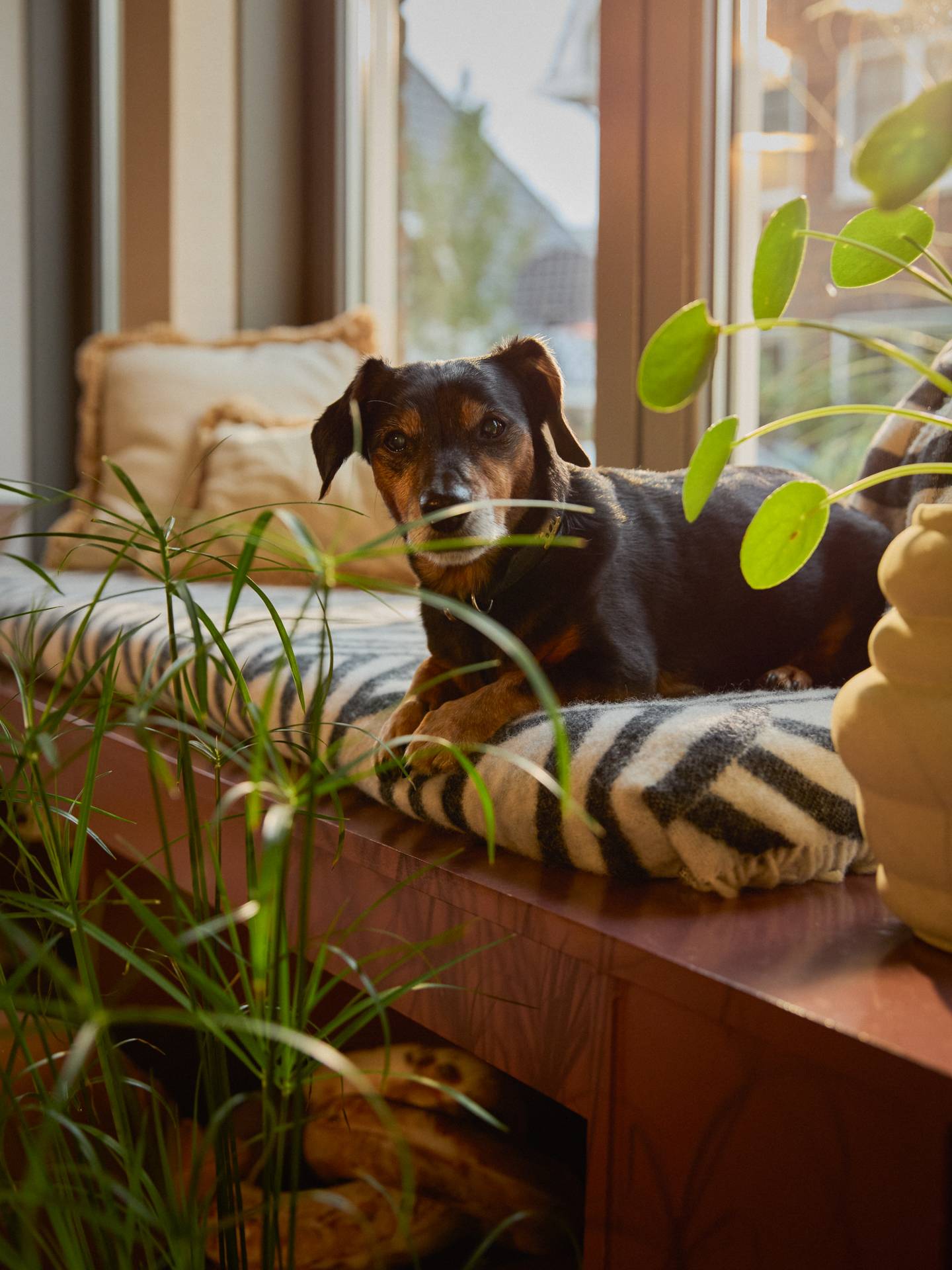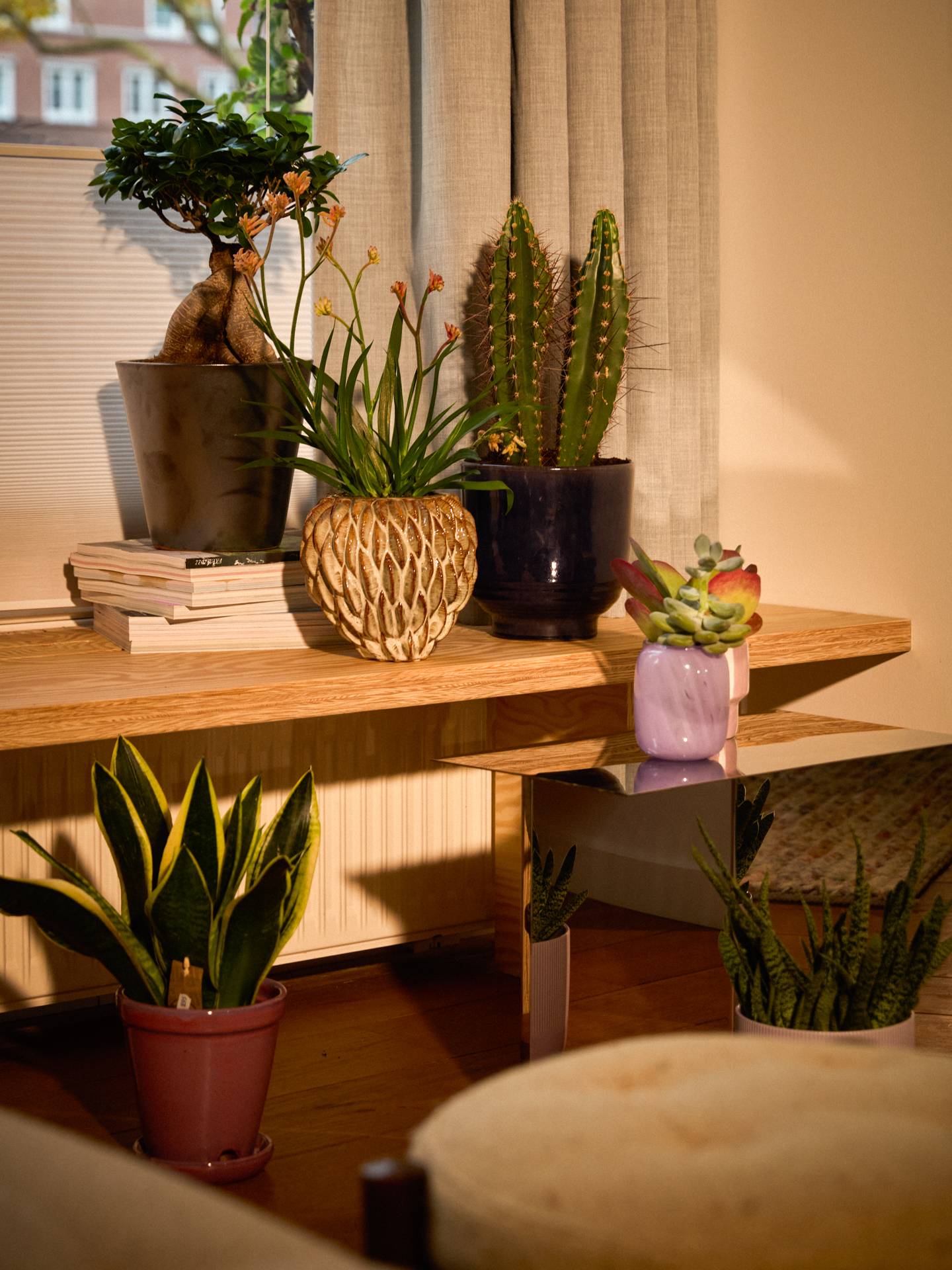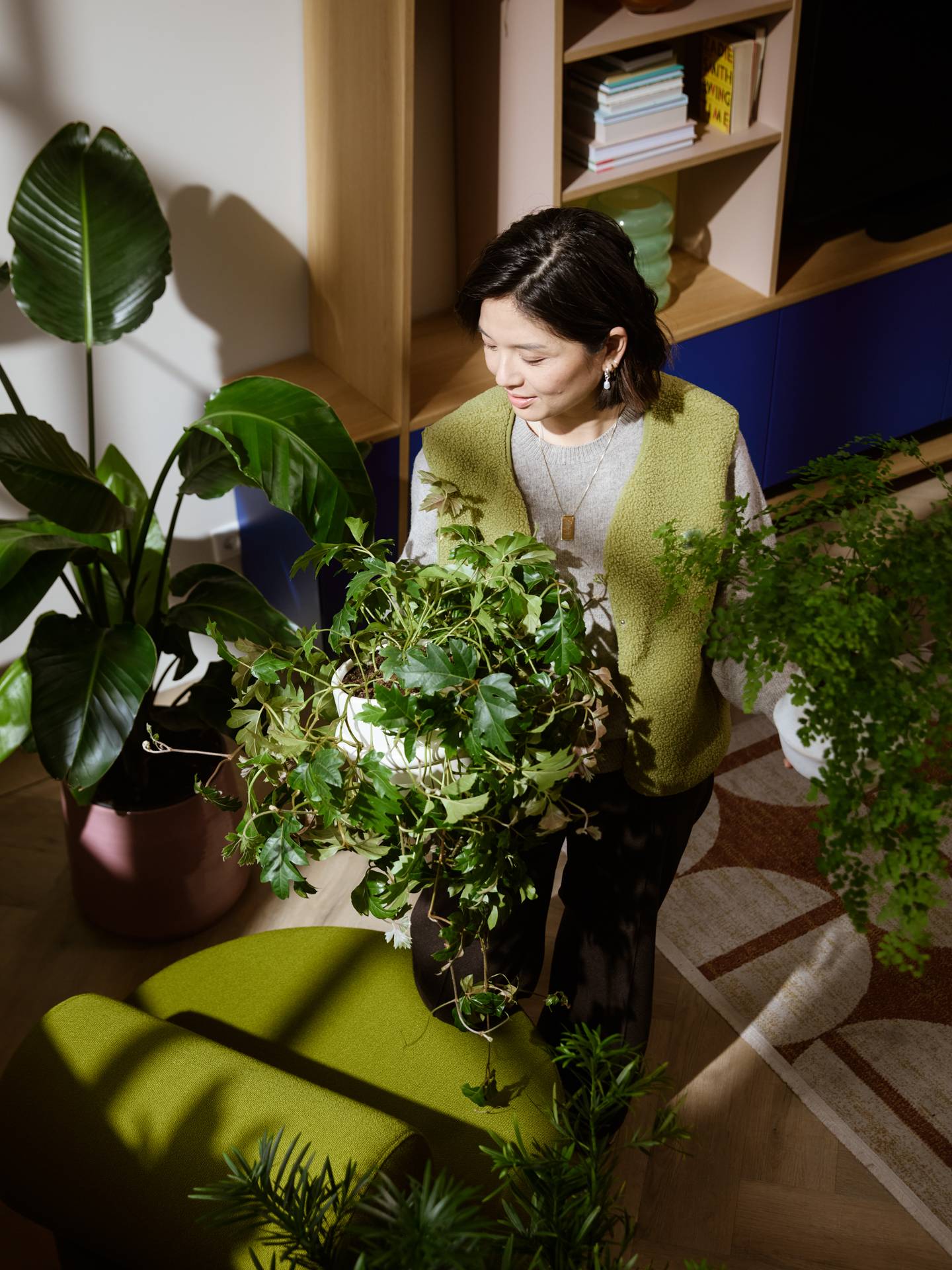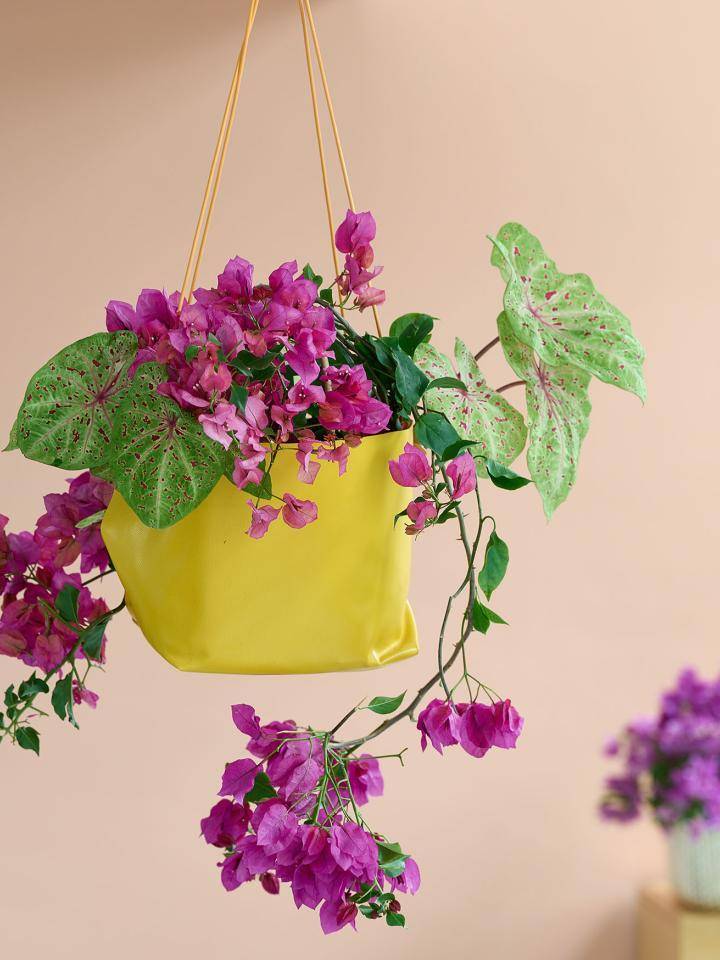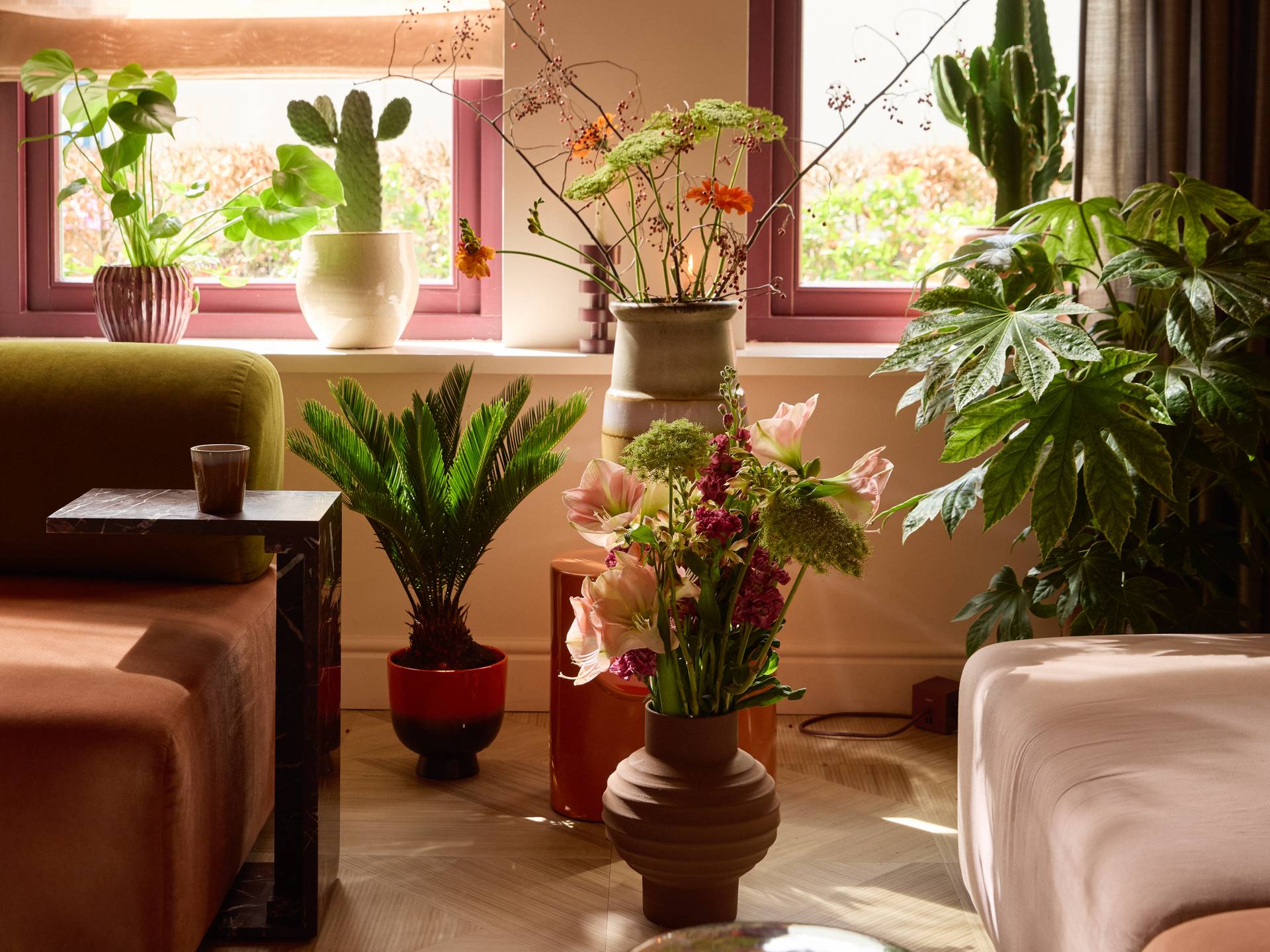

Do you have a (curious) cat at home? Then it’s important to know which houseplants are safe, and which ones you should be careful with. Don’t worry. We’re happy to help with this guide, so you can make your interior greener and more cat-friendly!
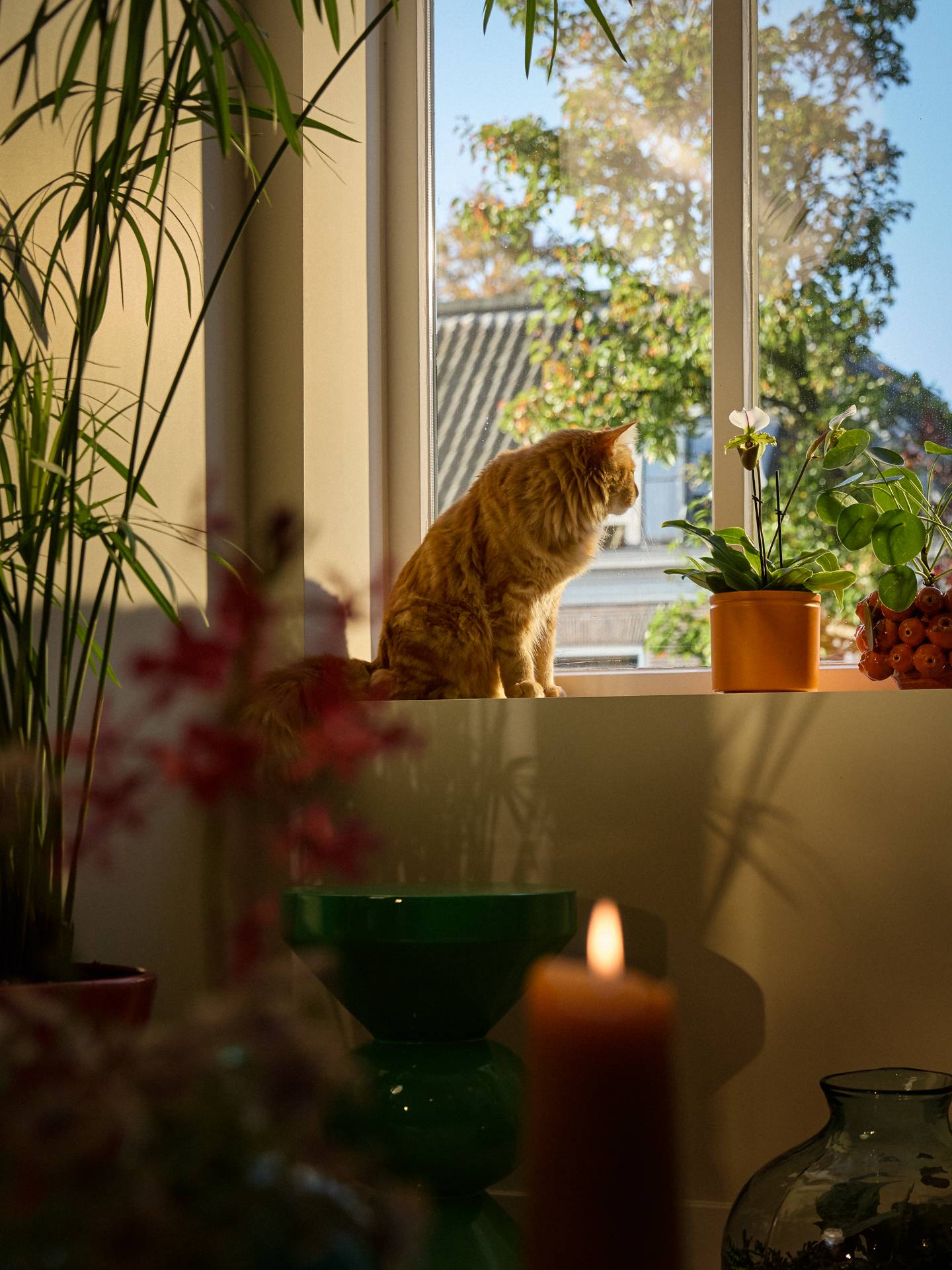
This is why cats love houseplants so much
Cats are naturally playful and curious. A fluttering leaf? Perfect cat toy. A juicy stem? Worth a little nibble. Most houseplants are not a problem, but some plants can cause issues if a cat chews on them or ingests larger amounts. That’s why, as a cat owner, it’s important to make the right plant choices!
Cat-friendly plants: top 5
Luckily, there are plenty of plants that are safe for cats. In fact, the 5 houseplants below are not only safe for cats, but also great for playing with or chewing on!** Discover the 5 plants below that are absolute cat favourites.
1
Catnip
Catnip, also known as Nepeta, is perhaps the most popular houseplant among cats. This herbaceous plant contains nepetalactone, a mildly hallucinogenic substance that puts cats in a euphoric mood. Most cats become playful and energetic when they come into contact with Catnip. This can encourage them to move more, which is great for their health. Rest assured: the herb also has a calming effect, helping them relax after all that activity.
Most cats become playful and energetic when they come into contact with Catnip. This can encourage them to move more, which is great for their health.
2
Spider Plant
Spider Plant, also known as Chlorophytum, is a firm favourite among cats thanks to its long, narrow leaves. Cats love nibbling on it, and it can support digestion. Chewing on Spider plant may also help keep their teeth clean.
3
Cat grass
Cats love grasses. Cat grass is not one specific plant, but actually refers to several types of grass, such as Wheatgrass or Barley grass, that are specially grown for cats. Cats enjoy chewing on the soft, green shoots (it’s a natural instinct!) and it helps support digestion. It is also believed that cats eat Cat grass to absorb folic acid. Does your cat struggle with hairballs? Then chewing on Cat grass is a very good idea!
4
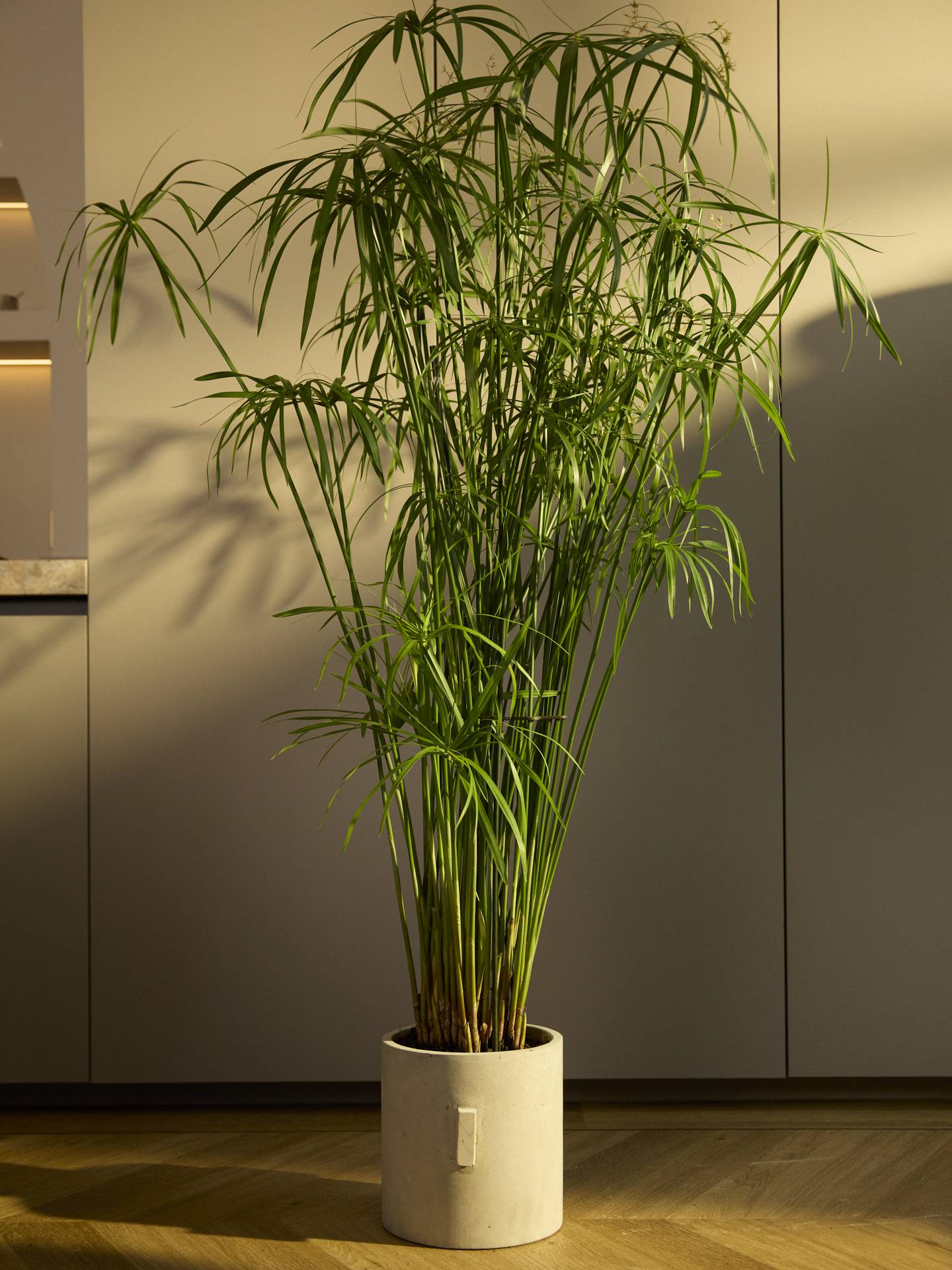
Umbrella plant
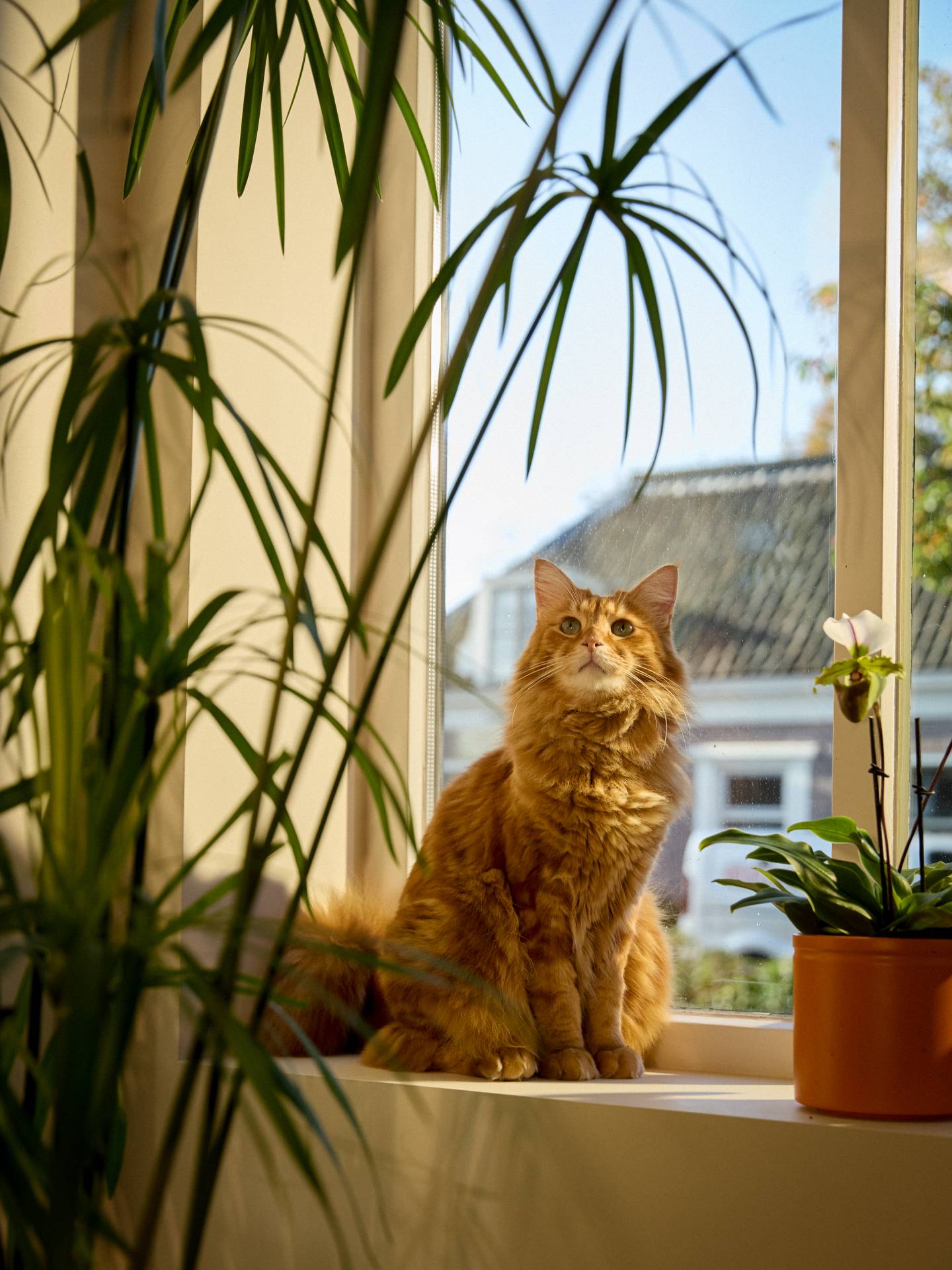
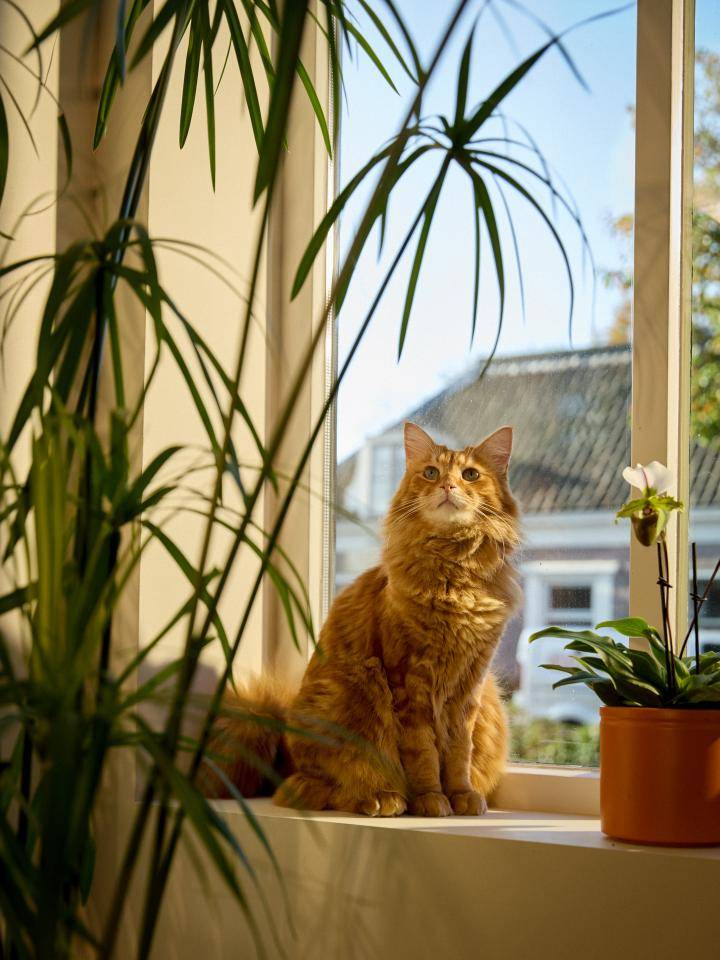
Cats are drawn to Umbrella plant because of its grassy texture and lively, playful stems, which stimulate their play and hunting instincts. Although the plant does not contain scent compounds like Catnip, Umbrella plant still offers plenty of sensory stimulation. The Umbrella plant is non-toxic and safe to chew. Occasionally nibbling on a leaf may even support a cat’s digestion.
5
Valerian
Cats that experience stress may benefit from Valerian. The scent of this plant has a calming effect, but internal use (ingestion) can also be soothing. Valerian can also make your cat more playful, making it suitable even for very laid-back cats.
More safe plants for cats*
In addition to the cat favourites above, there are many other plants that are non-toxic to cats, such as:
Which houseplants are toxic to cats?
The houseplants below are known to be among the most toxic for cats. Extra caution is therefore advised.
- Sago Palm: this palm, also known as Cycas revoluta, contains cycasin, a toxin that can cause liver failure in cats. All parts of the plant are highly toxic, especially the seeds.
- Cyclamen: this cheerful flowering plant may look harmless, but nothing could be further from the truth. Especially the tubers of Cyclamen are toxic to cats. Ingesting large amounts can lead to severe gastrointestinal issues and heart rhythm disorders.
- Peace Lily: this stylish plant, also known as Spathiphyllum, contains oxalate crystals, which can cause irritation, pain, drooling and vomiting in cats.
- Dieffenbachia: this striking houseplant contains calcium oxalate crystals. Ingestion can cause swelling of the mouth and throat, pain and difficulty swallowing.
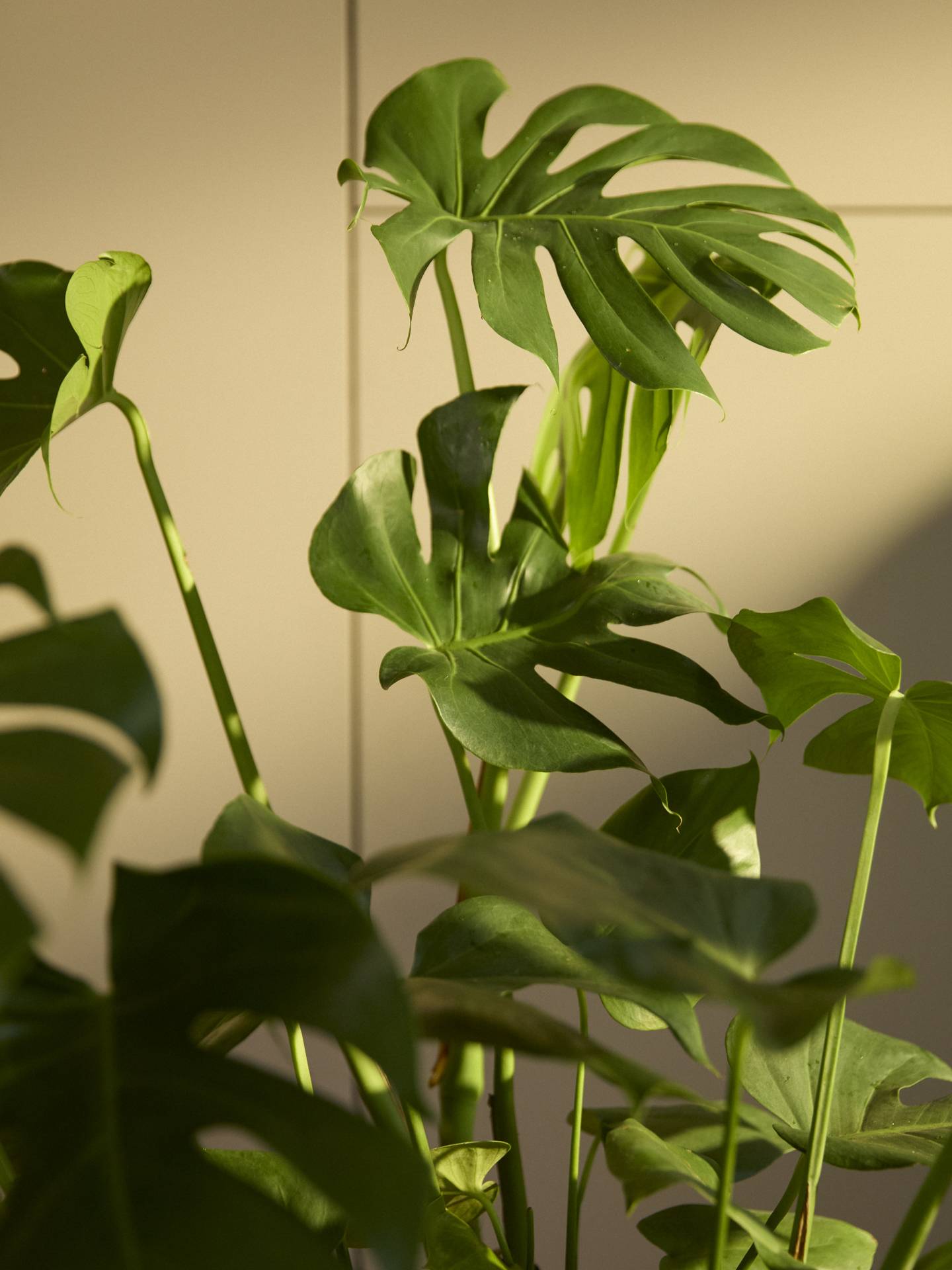
- Monstera: this popular interior icon is unfortunately not cat-friendly. The plant can cause irritation, vomiting and pain in a cat’s mouth.
- Philodendron: ingesting this houseplant can lead to mouth irritation, vomiting and lethargy.
Serious poisoning is fortunately rare. Problems usually arise when a cat repeatedly ingests or consumes larger amounts of a plant.
Cats and houseplants: points of attention and tips
Besides choosing safe houseplants, there are a few extra things you can keep in mind as a cat lover:
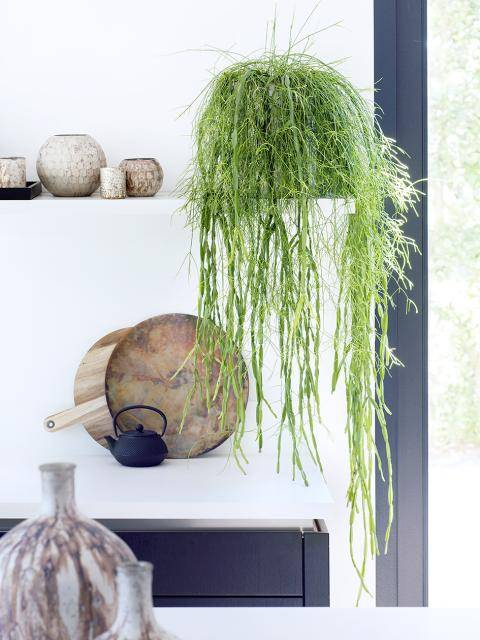
- Pay attention to placement: in most cases, it’s not just about the plant itself, but about how and where it is placed in your home. Place plants in a stable spot and/or choose hanging plants in beautiful hanging pots, positioned out of reach of curious cat paws. The cat-friendly plants above can of course be placed within paw’s reach.
- Prevent excessive nibbling: overconsumption is never a good thing, regardless of the plant. Cats sometimes chew on plants out of curiosity or boredom. Make sure there is enough distraction, such as cat toys or a dedicated plant corner with plants like Catnip and Cat grass.
- Choose the right potting soil and plant feed: it’s not only leaves or flowers that can cause problems if your cat eats them. Potting soil, fertilisers and additives (such as pellets or nutrient concentrates) can also cause issues. Keep them out of reach and preferably choose a mild, pet-friendly potting soil and plant feed.
Cats and cut flowers
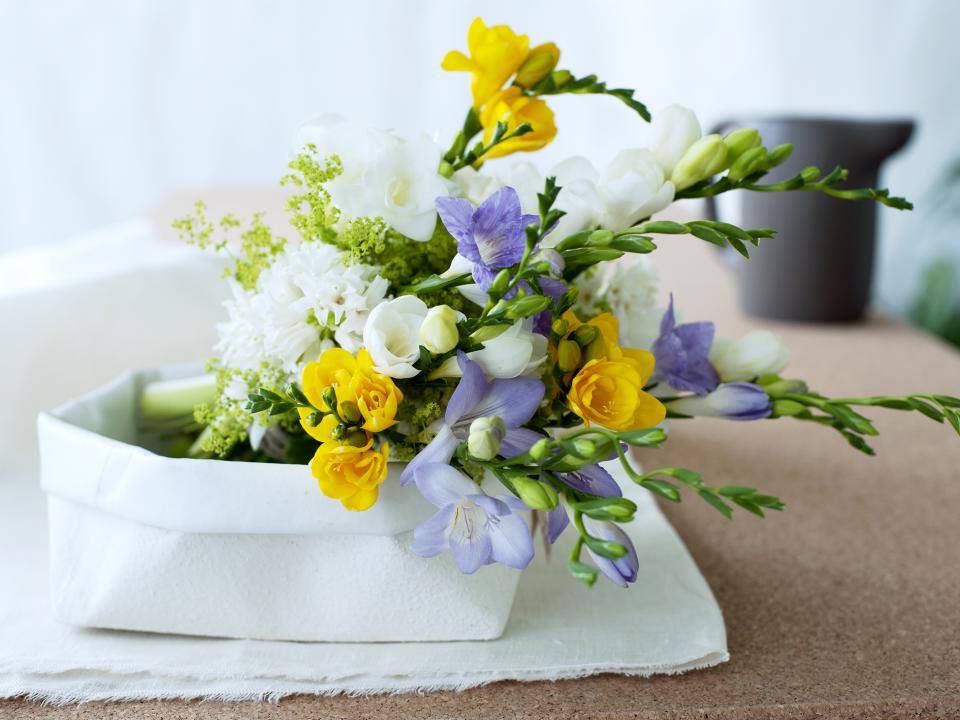
Fortunately, there are many cut flowers that are safe for curious cats. Flowers such as Roses, Gerberas, Sunflowers, Snapdragons, Alstroemerias and Freesias are cat-friendly choices, allowing you as a flower lover to bring colour and good vibes into your home without worry.
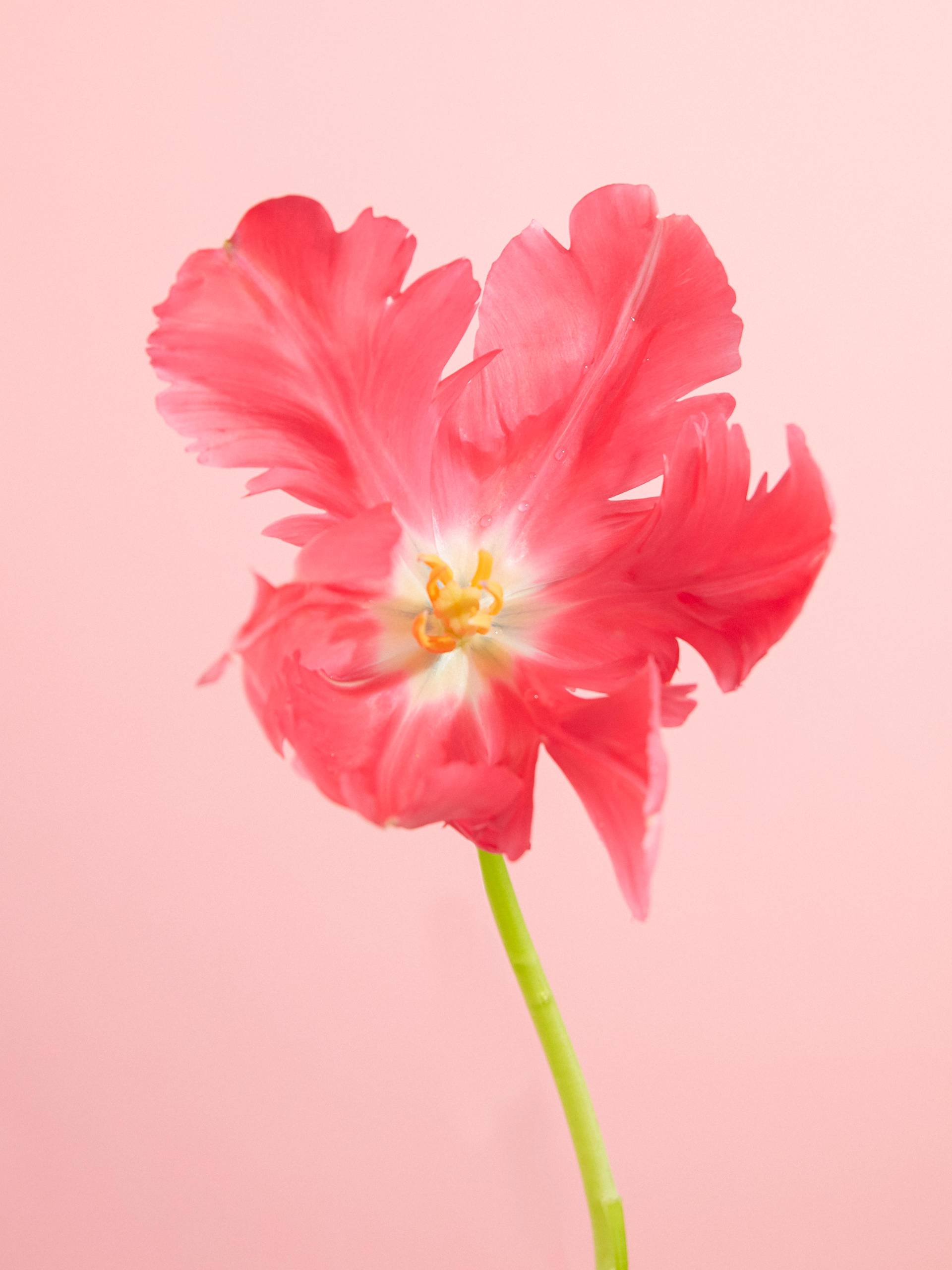
Some flowers are unfortunately less suitable for curious cats. Lilies, Larkspur (Delphinium), Lily of the Valley, Tulips and Daffodils are among the most toxic flowers for cats and are best avoided if you have a cat. Lilies in particular are extremely dangerous and toxic to cats, as they can cause acute kidney failure. Even a small bite or lick of a leaf, pollen or vase water can be fatal.
Want to read more?
Would you like to know more about pets and houseplants? For example, what it actually means when a plant is labelled as ‘toxic’? Then take a look at this article about houseplants and pets. Curious which houseplants are suitable for loyal four-legged friends? Discover everything about plants that are (un)safe for dogs.
**Disclaimer: these lists are not complete and only provide an overview of commonly occurring toxic and non-toxic houseplants for pets and/or people. If a plant does not appear on these lists, this does not mean it cannot be toxic.
**Important: even if a plant or grass is known to be cat-friendly, moderation still applies. Let your cat eat it in small amounts. Too much nibbling can still lead to stomach or intestinal issues. Also take into account everything else that may be in the pot alongside the plant, such as potting soil and plant feed.