Written by
Sabina
Description
Partial sun
Moderate
Green
Pet and kids friendly
Air purifying
Directly to
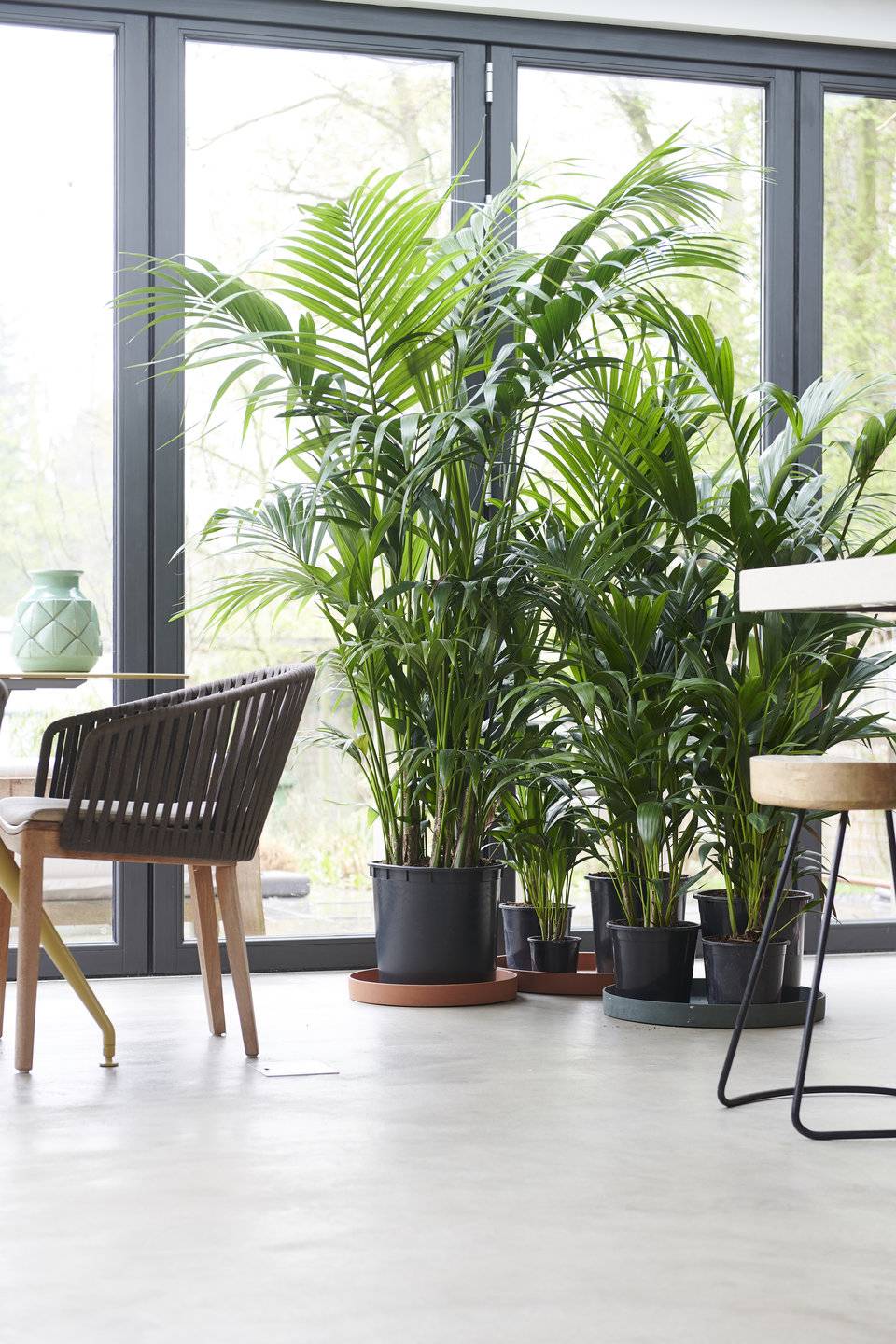
The Kentia Palm (Howea) is one of the most popular indoor palms. With its elegant, arching leaves and calm presence, it fits effortlessly into almost any interior. It’s also known for being strong, slow-growing and relatively easy to care for. In this complete plant guide, you’ll discover everything about the Kentia: from its appearance and varieties to care, propagation, origin and symbolism. So you’ll know exactly how to keep this popular palm healthy and looking its best.

Characteristics of the Kentia
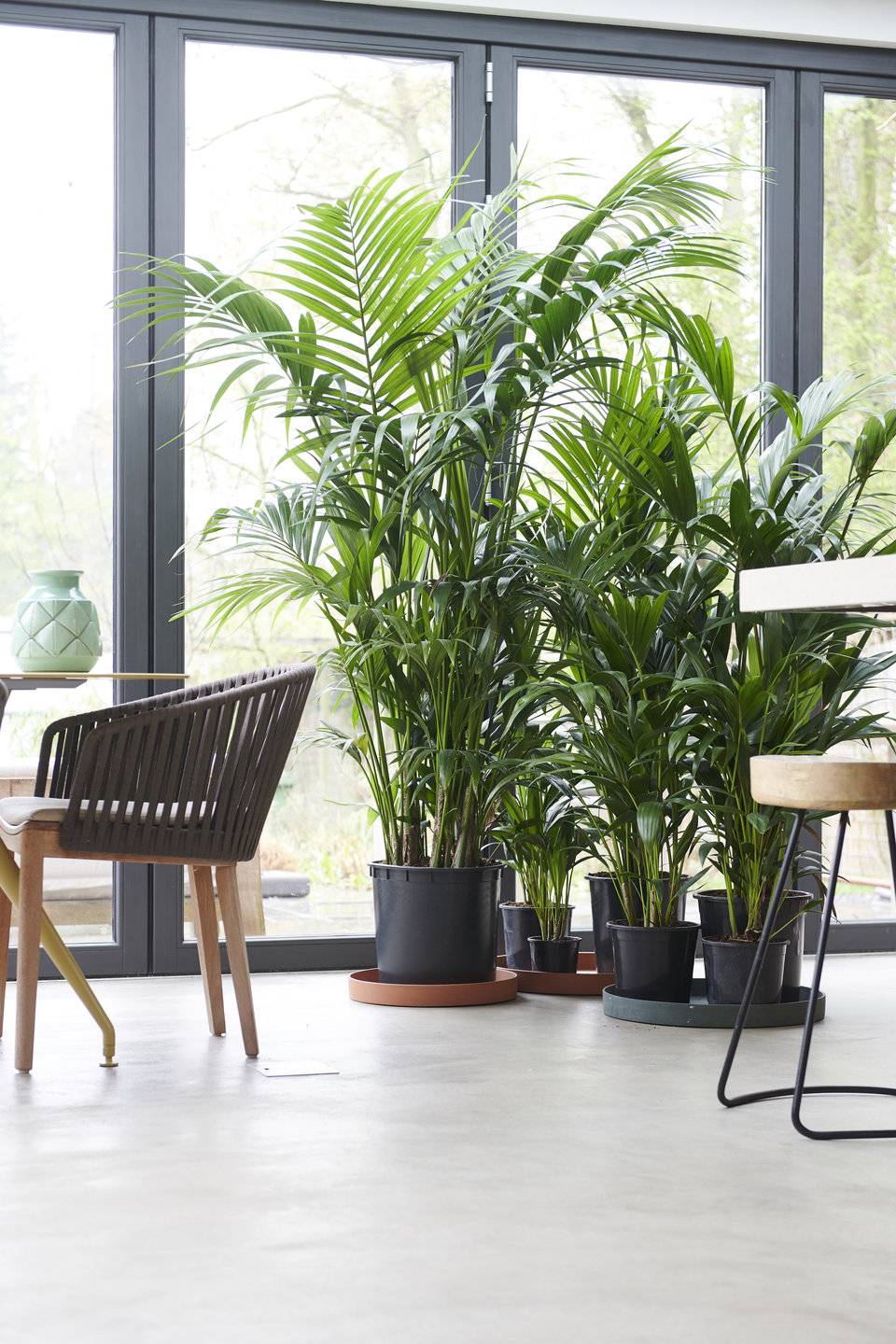
The Kentia Palm, botanically known as Howea, is an elegant palm with long, gracefully arching leaves that grow from slender stems. The leaves are deep green and have a feathered structure, giving the plant an airy, tropical silhouette.
Unlike many other palms, the Kentia grows relatively slowly. That makes it ideal as a houseplant: it keeps its shape for a long time and won’t quickly take over the whole space. The leaves grow in stages from the trunk, allowing the plant to maintain a natural and elegant look.
In the wild, the Kentia produces small, light-coloured flowers that appear on long flower spikes. Indoors, this almost never happens, as conditions at home are usually not ideal for flowering.
The Kentia belongs to the palm family, the Arecaceae. This plant family also includes well-known indoor palms such as Golden Palm and Rhapis (Lady Palm).
Although a houseplant doesn’t last forever, a Kentia can thrive for many years with proper care. For many people, it becomes a lasting green companion in the home.
Care for the Kentia
The Kentia is known as a relatively easy houseplant. With a few simple care tips, it will stay healthy and beautiful for years.
- Watering. Water the Kentia about once a week. The potting soil should remain slightly moist, but make sure excess water can drain away properly. In winter, the plant usually needs less water.
- Feeding. During the growing season, from spring through summer, you can occasionally give the plant some houseplant feed. In autumn and winter, extra feeding is usually not necessary.
- Humidity. Like many tropical plants, the Kentia prefers slightly higher humidity. Misting the leaves from time to time helps keep them fresh and dust-free.
- Avoid draughts. Try to avoid draughts and sudden temperature changes. Palms are often sensitive to these.
Varieties of Kentia
The Kentia Palm has two varieties, both originating from the same island, Lord Howe Island.
- Howea forsteriana: Howea forsteriana is by far the most well-known variety and is almost always what people mean when referring to the Kentia Palm. This variety has long, elegantly arching leaves and grows relatively slowly. Thanks to its hardy nature and no-fuss care, it’s one of the most popular indoor palms in the world.
- Howea belmoreana: Howea belmoreana closely resembles Howea forsteriana, but has slightly stiffer leaves that grow more upright. This variety is less commonly sold as a houseplant.
The Kentia Palm, also known as the Howea, gets its name from the island it originally comes from: Lord Howe Island.
The Kentia Palm prefers a bright spot with indirect sunlight, but also copes well with partial shade. That makes it one of the most flexible indoor palms for the home. Perfect for that corner of the living room where other plants might struggle. Direct, harsh sunlight can damage the leaves, while a spot that’s too dark can slow down growth. So don’t hide it away in a space that’s too dim.

Problems with the Kentia
Although the Kentia Palm is a strong plant, minor issues can sometimes occur.
- Brown leaf tips are often caused by dry air or not enough water. Regular misting can help prevent this.
- Yellow leaves may indicate too much water or overly wet soil. Check that excess water can drain properly from the pot.
- If the leaves become very dusty, the plant can struggle to absorb light. Cleaning the leaves occasionally helps keep the plant healthier. If you want to combine dusting with watering, place your palm under the shower once a week. Just not for too long. you don’t want to drown your green friend.
Symbolism of the Kentia Palm
Palms have held symbolic meaning for centuries. In art and literature, palm leaves often represent victory, immortality and eternity. In addition, the Kentia, with its tropical appearance, symbolises relaxation, prosperity and luxury.

Origin of the Kentia
The Kentia Palm originally grows on Lord Howe Island, a small subtropical island in the Pacific Ocean east of Australia. In the eighteenth century, the Kentia was discovered on Lord Howe Island. Since then, young plants have been cultivated on the island and distributed worldwide. In the nineteenth century, the Kentia was a popular plant in European palaces and Victorian salons. Today, the Kentia Palm is one of the most popular indoor palms in the world.