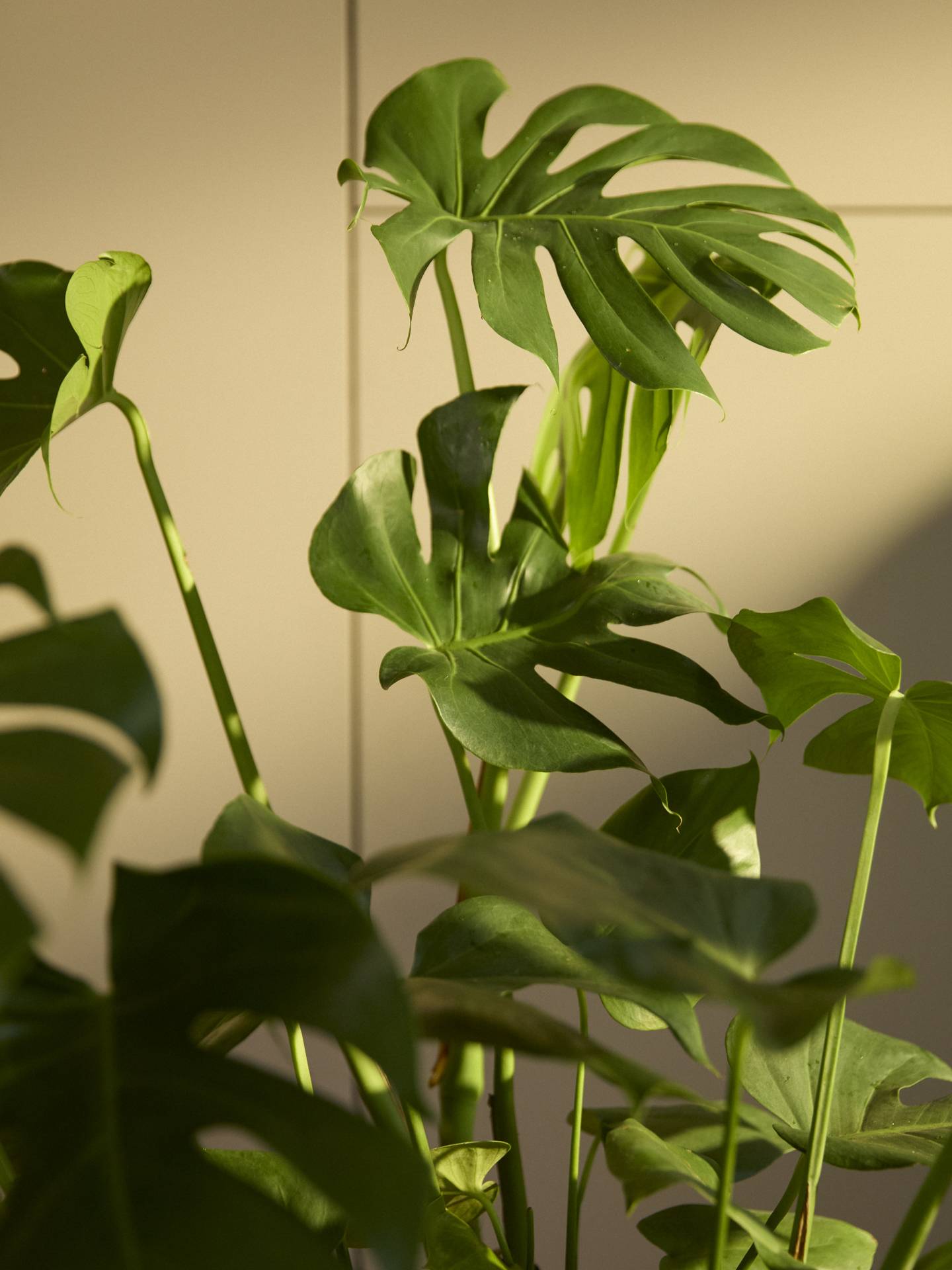
How do you combine your love for your furry friends and your leafy ones? It might seem tricky to find the right houseplants, but with this guide you’ll know exactly which houseplants are (not) toxic and what to keep in mind when choosing them.
What does it mean if a plant is toxic?
Not all houseplants are equally suitable if you have pets (or young children). Some plants can be toxic and may cause health problems if ingested or touched. Often, it is not the entire plant that is toxic, but specific parts such as the berries or the sap. But what does toxic actually mean?
When a plant is classified as toxic, it does not automatically mean that ingestion is life-threatening. Toxic plants can contain substances that cause mild to more serious symptoms, depending on the amount consumed and the type of plant. Prevention is better than cure, which is why plants that only cause mild symptoms are still considered toxic. This helps prevent discomfort in pets as much as possible. Plants that cause (mild) skin irritation are also regarded as toxic.
What symptoms can occur after ingesting a toxic houseplant?
Common symptoms after ingesting a (mildly) toxic plant include vomiting, diarrhoea and irritation of the mouth and stomach. Fortunately, pets and children often dislike the taste of toxic plants, which reduces the likelihood of ingestion. Still, it is always wise to err on the side of caution.
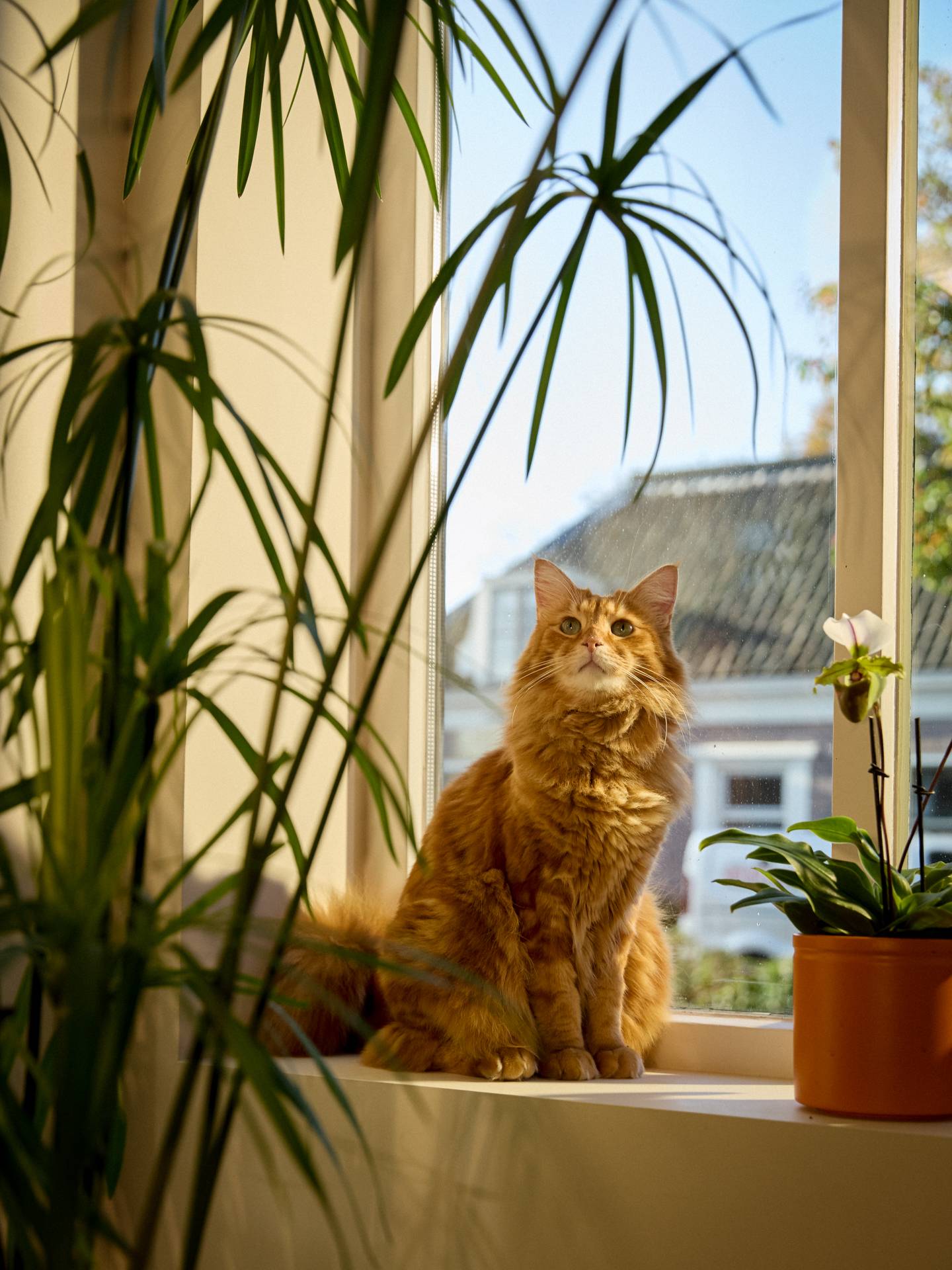
What symptoms can occur after prolonged skin contact with a toxic houseplant?
After (prolonged) skin contact with a toxic plant, various symptoms may occur depending on the plant species and the sensitivity of the animal or person. Skin irritation such as redness, itching and swelling is common. Pain or a burning sensation may also occur, especially if the plant contains irritating substances or sap. In some cases, blisters can develop, particularly with plants that produce irritating sap or oils.
Keep the plant label after purchase.

How do you know if a plant is toxic to pets and people?
You cannot tell whether a houseplant is toxic to pets or people just by looking at it. There are no universal visual characteristics that distinguish toxic plants. If you know the name of the plant, you can look up its toxicity online. The plant label, tag or sleeve may also indicate whether a plant is toxic.
Want complete peace of mind? Keep the plant label after purchase so you can always check the exact name and whether it is toxic.
Excessive consumption is never a good idea, whatever the plant.
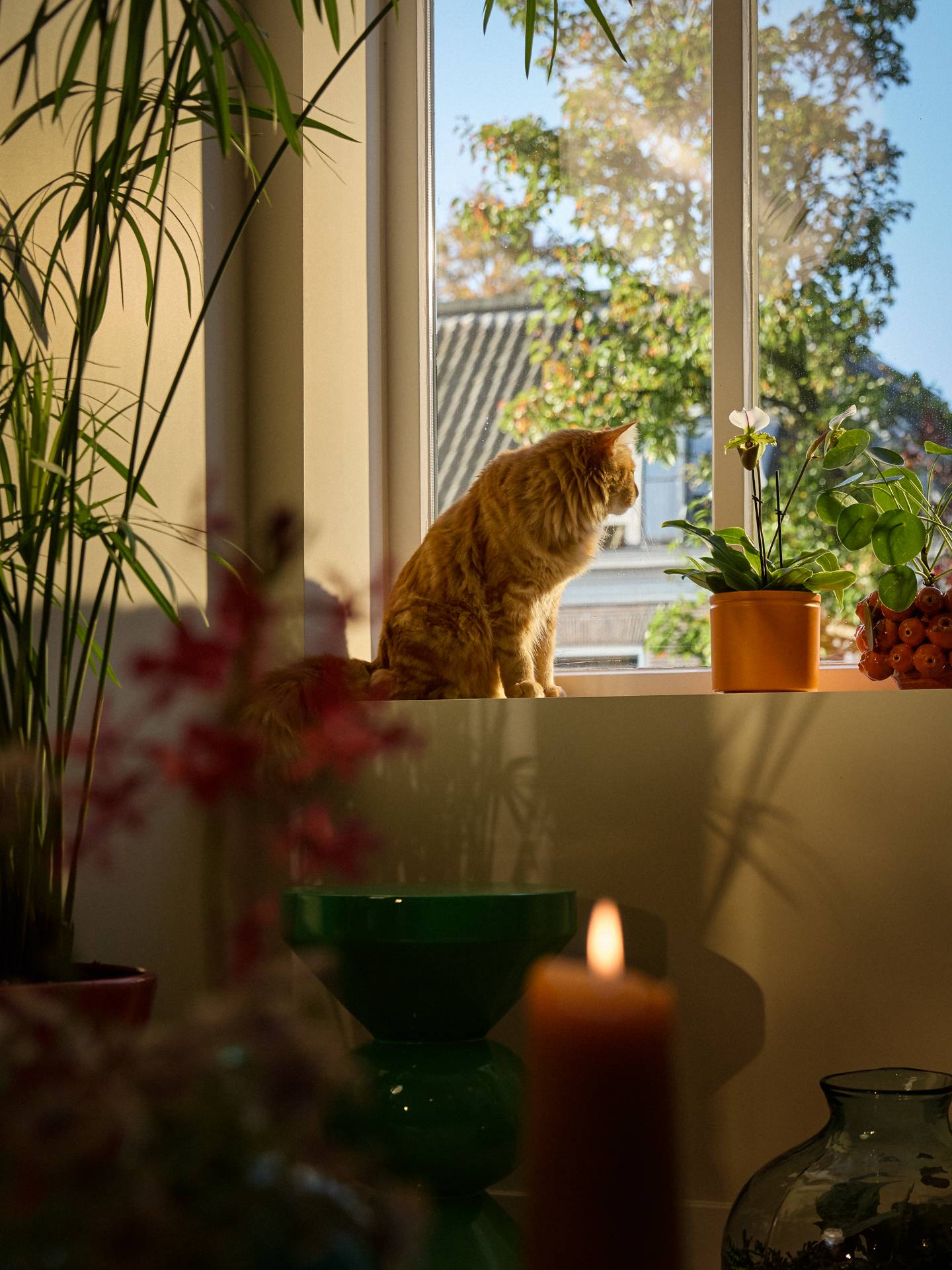
Which houseplants are safe for cats?*
Do you have a cat at home? Then it is important to know which houseplants are safe for cats and which ones are best avoided. No need to worry, in this article you will find everything you need to know about cat-safe plants, including tips and the best plant choices.
Which houseplants are safe for dogs?*
Do you have a cheerful four-legged friend at home? Then it is important to know which houseplants are safe for dogs and which ones you would be better off leaving at the garden centre. We have listed everything for you in this article. With this handy guide, you can make your interior greener and dog-friendly at the same time.

Extra tips for plants in combination with pets (and children)
Just because a houseplant is not toxic does not automatically mean it is edible or entirely pet and child friendly. Discomfort or danger can also arise due to other factors, such as:
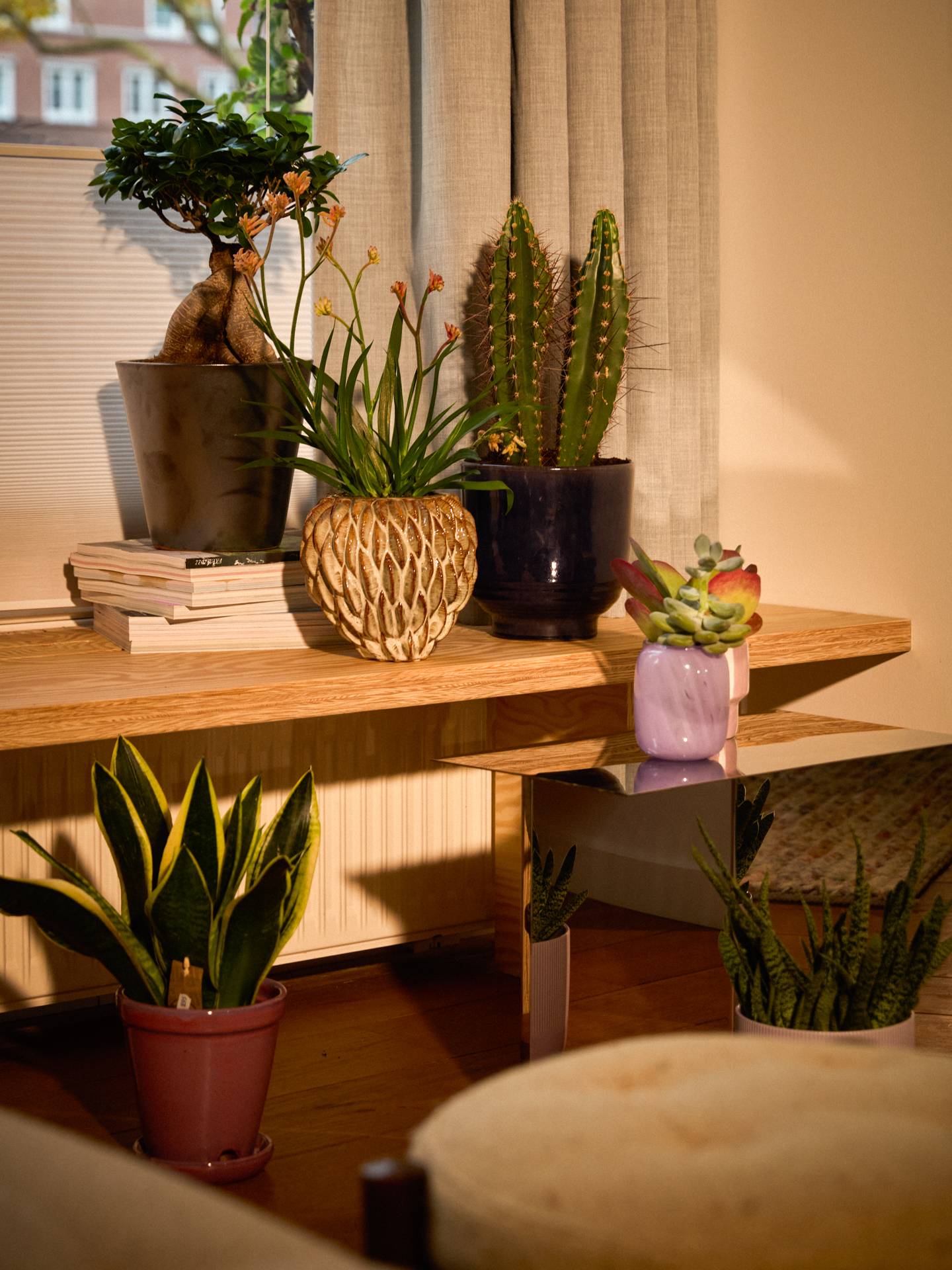
- Plants with sharp spines, such as Cacti, can cause injuries. The same applies to plants with leaves that have sharp edges or points. These are best avoided in homes with pets and children.
- Plants and plant pots can be knocked over by pets or children. Always check that your houseplants are placed securely and, if necessary, keep them out of reach of four-legged friends and crawling children.
- Teach children not to eat plants and to avoid handling them excessively.
- Excessive consumption is never a good idea, whatever the plant. If your pet or child has eaten a large amount of a non-toxic plant, this can still lead to symptoms such as vomiting and diarrhoea. Consult a doctor or vet to be on the safe side.

More green inspiration
With the information and tips above, you can help ensure your furry and leafy friends live together in harmony. Discover the basic rules and care tips for your houseplants so you can enjoy your green companions for as long as possible.
**Disclaimer: these lists are not complete and only provide an overview of commonly occurring toxic and non-toxic houseplants for pets and/or people. If a plant does not appear on these lists, this does not mean it cannot be toxic.
**Important: even if a plant or grass is known to be dog-friendly, moderation still applies. Let your dog eat it in small amounts. Too much nibbling can still lead to stomach or intestinal issues. Also take into account everything else that may be in the pot alongside the plant, such as potting soil and plant feed.