
Written by
Sabina
Description
Indirect light
Little
Green
Easy to care for
Zamioculcas, better known as the ZZ plant, is one of the toughest and most low-maintenance houseplants around. With its glossy, dark green leaves and subtle rustic charm, it fits beautifully into almost any interior. From care and positioning to symbolism and origin: in this guide, you will discover everything about this popular houseplant, from A to ZZ!
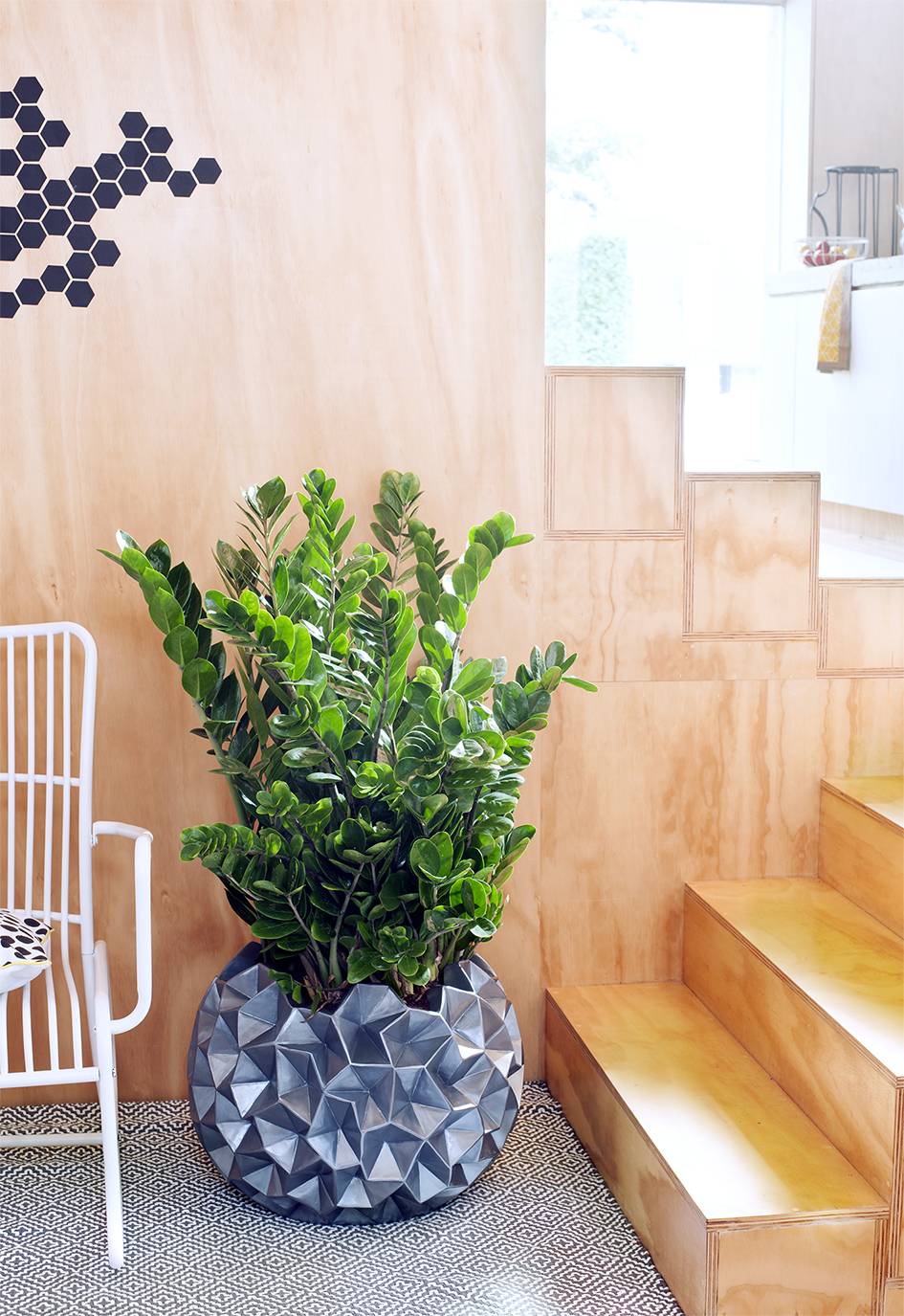
Zamioculcas characteristics and flowering
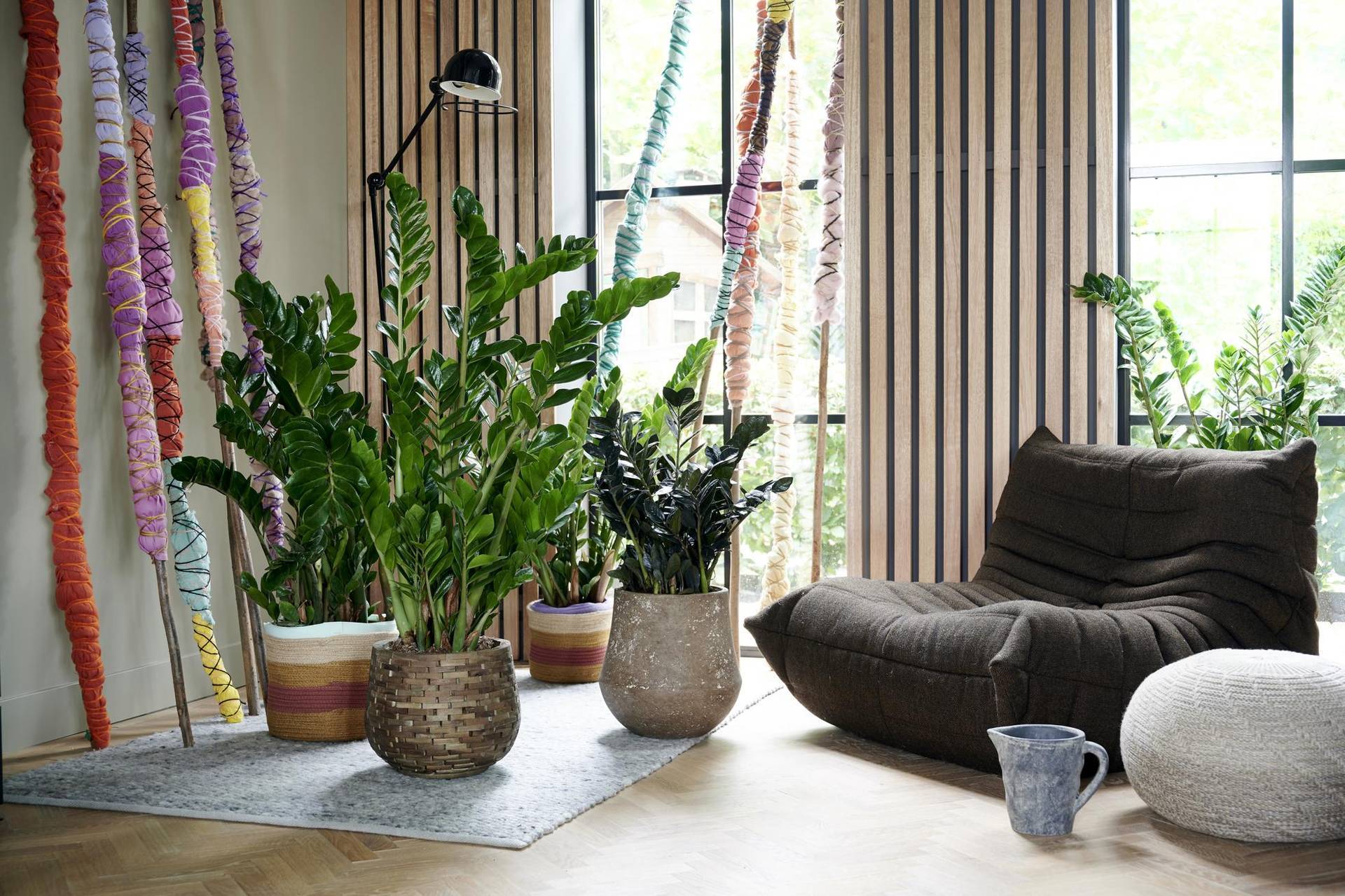
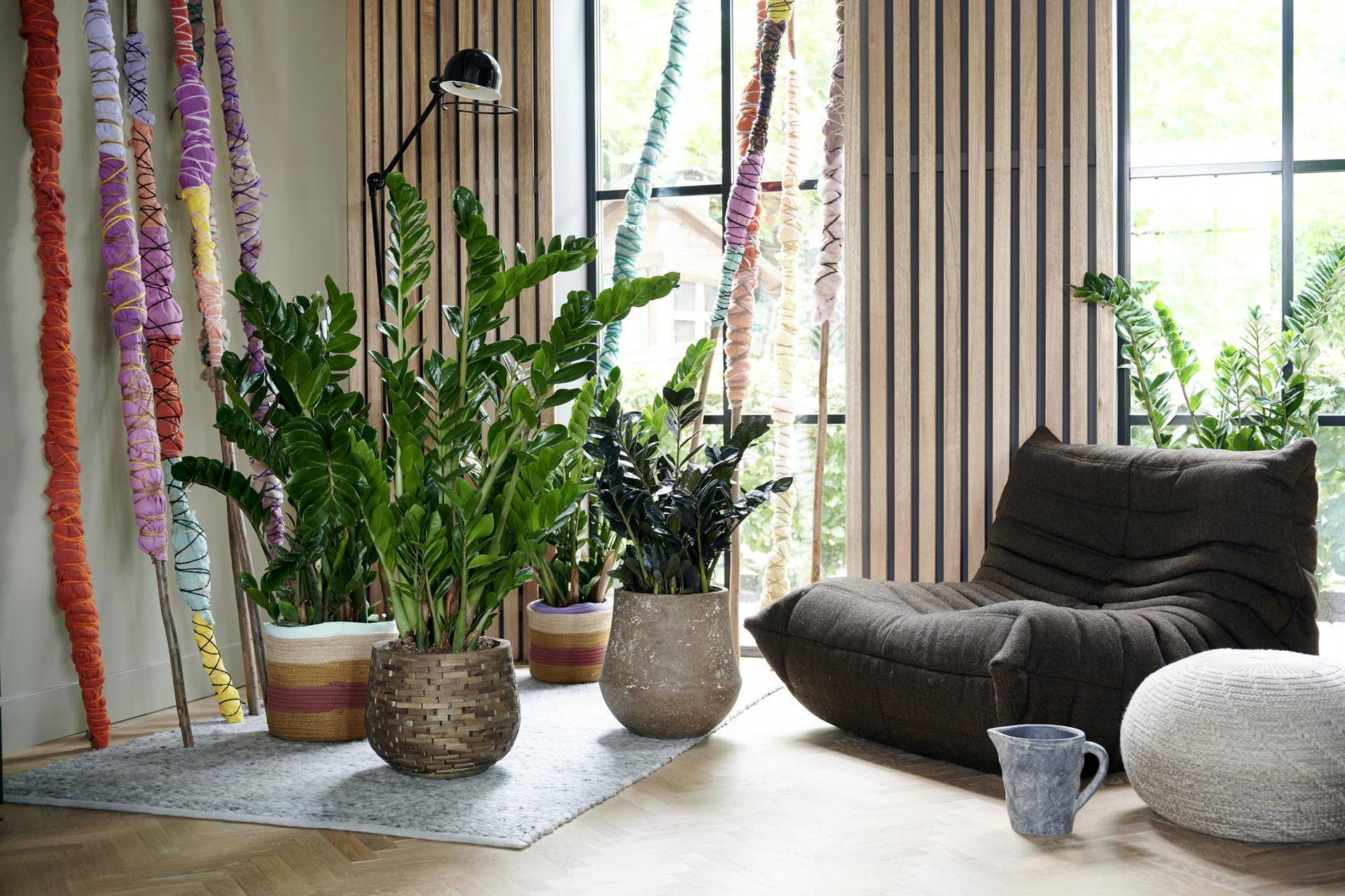
Zamioculcas is easy to recognise by its sturdy, upright stems that resemble stylised feathers. Along these stems grow oval, leathery leaves with a natural sheen. The ornamental value of Zamioculcas clearly lies in its foliage. The plant rarely flowers indoors. If it does, it produces a pale green spadix surrounded by a spathe.
The botanical name of Zamioculcas is Zamioculcas zamiifolia. The plant belongs to the Arum family, Araceae, which also includes plants such as Monstera, Philodendron and Peace Lily (Spathiphyllum).
What are the different Zamioculcas varieties?
Botanically speaking, there is only one species: Zamioculcas zamiifolia. However, there are a few popular cultivars, including:
Zamioculcas zamiifolia ‘Raven’: this cultivar has deep purple-black leaves that emerge green before gradually darkening. ‘Raven’ is highly popular thanks to its luxurious appearance.
Zamioculcas zamiifolia ‘Zenzi’: this cultivar has dark green leaves and remains more compact than ‘Raven’. For that reason, this ZZ plant is often referred to as the dwarf variety.
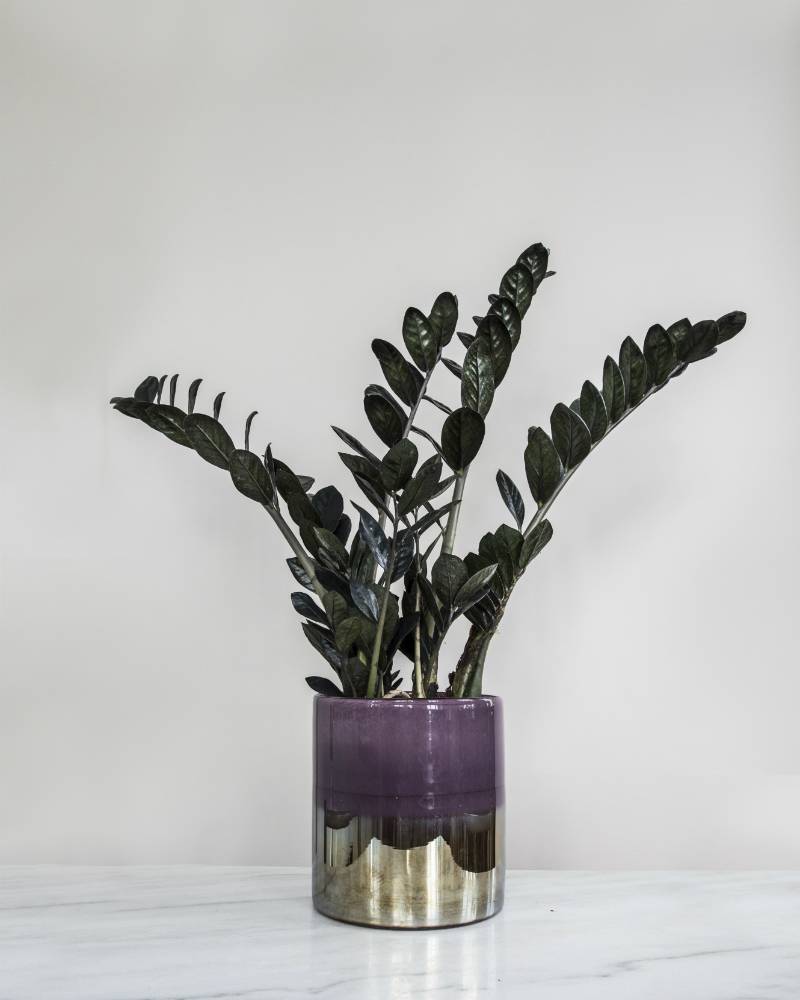
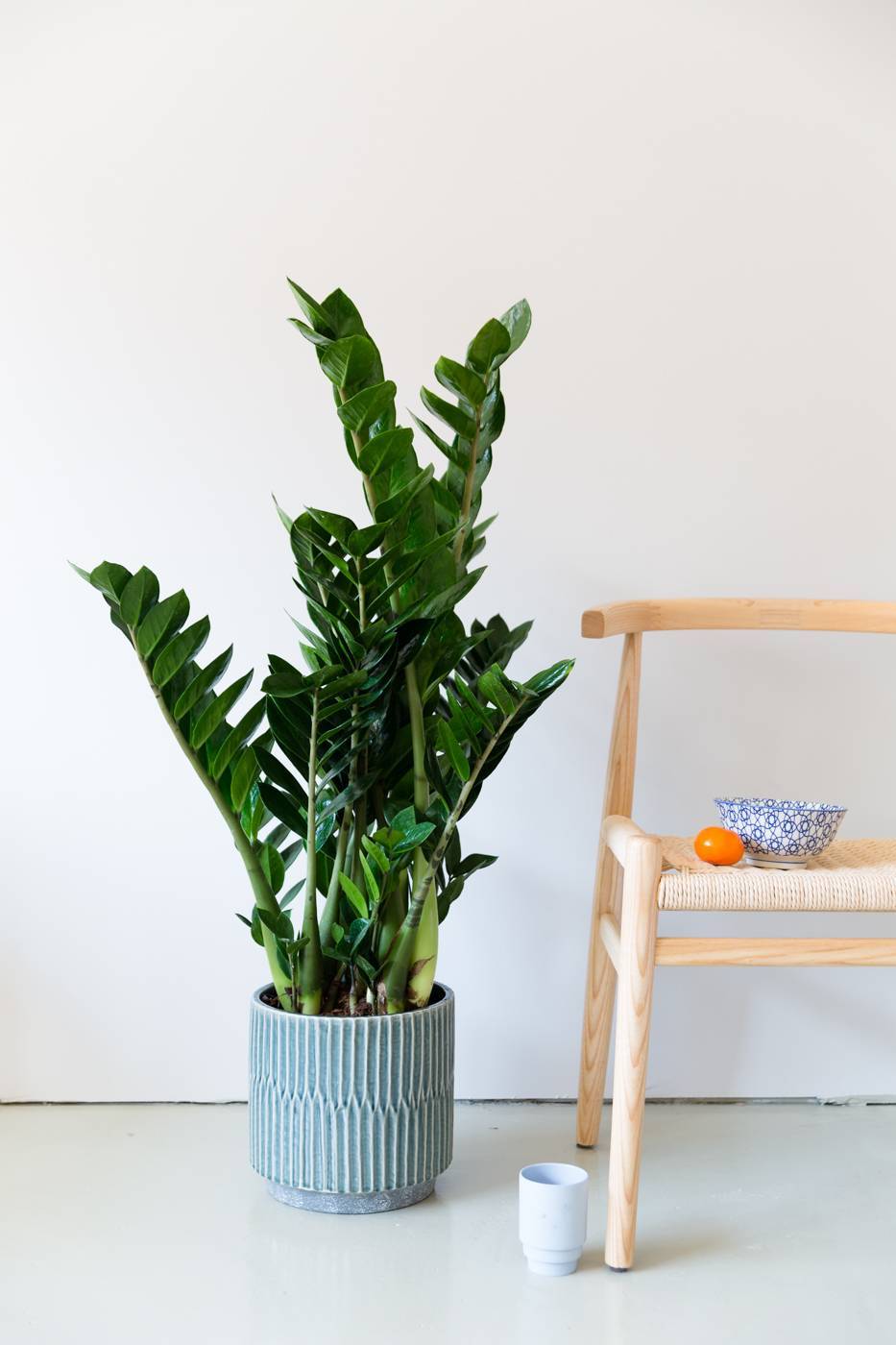
Left: Zamioculcas 'Raven' | Right: Zamioculcas 'Zenzi'
Care for Zamioculcas: water, feeding and humidity
The ZZ plant is known as an almost indestructible plant. Even so, proper care is essential if you want to keep it looking its best for as long as possible:
- Water: allow the potting compost to dry out slightly between waterings and make sure excess water can drain away properly. The one thing Zamioculcas truly dislikes is sitting in water.
- Feeding: during the growing season, spring and summer, feed the ZZ plant once a month with a small amount of houseplant feed. This is not essential, the plant will do perfectly well without it, but feeding can encourage healthy, attractive growth.
- Repotting: the ZZ plant grows slowly. If you would like it to continue growing, repot it every few years into a slightly larger pot.
- Temperature: Zamioculcas does not tolerate cold conditions well. Try to keep the temperature above 16°C.
Zamioculcas: position in sun or shade?
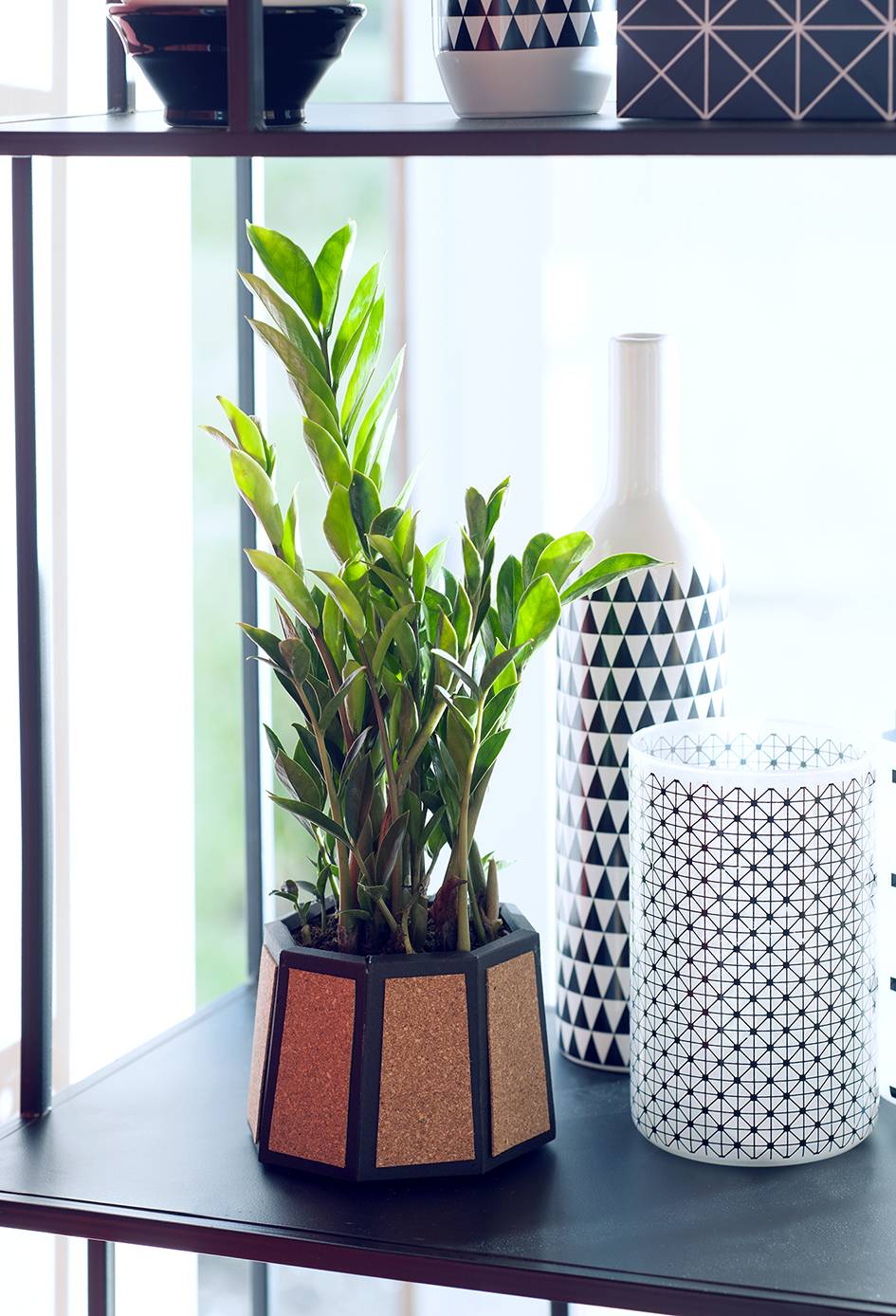
Can a Zamioculcas thrive in shade? Or does it prefer a sunny spot? The answer is both. Zamioculcas is extremely flexible. The ZZ plant even tolerates areas with limited daylight. One important point: avoid bright, direct sunlight, as this can damage the leaves.
Its resilient nature makes Zamioculcas an ideal office plant and an excellent choice for darker spaces, such as a hallway or bedroom.
Zamioculcas is extremely flexible when it comes to positioning. The plant even tolerates areas with limited daylight.
Why is the ZZ plant so strong?
Its strength originates in the dry regions of East Africa, where long periods without rain are perfectly normal. To survive there, the ZZ plant has adapted cleverly. Zamioculcas stores moisture in its underground rhizomes, as well as in its thick stems and leaves, allowing it to go without water for extended periods. The fleshy, leathery leaves also minimise evaporation. As a result, the plant loses very little moisture, even in warm indoor conditions.
Is Zamioculcas air-purifying?
The short answer is no, you are unlikely to notice a measurable air-purifying effect from a ZZ plant in your home. That said, this does not mean the plant has no positive influence on air quality or your wellbeing. You can read more about the effects of air-purifying plants here. You can also discover the top 10 air-purifying houseplants.
Symbolism of Zamioculcas
Thanks to its strong character and long lifespan, Zamioculcas symbolises endurance, stability, prosperity and good fortune. In some cultures, the ZZ plant is even known as a lucky plant, partly because of its longevity and steady growth.
Where does the ZZ plant come from?
Zamioculcas zamiifolia originates from East Africa. In the wild, the plant grows in countries such as Tanzania, Zanzibar, Kenya and Mozambique. This region is characterised by a warm climate with distinct dry and wet seasons. Nature there has adapted to irregular rainfall and long periods of drought.
Although Zamioculcas has been botanically known since 1892, it only became popular as a houseplant in the 1990s. Growers recognised how well the ZZ plant adapts to indoor conditions. Since then, the plant has been sold worldwide and is widely known as an almost indestructible houseplant. Much of this success is thanks to Dutch and other European growers, who cultivated, refined and commercially positioned the plant during the 1990s.
Is Zamioculcas toxic to cats and dogs?
Yes, the ZZ plant can cause mild symptoms if ingested by pets such as cats and dogs. The plant contains calcium oxalate crystals, which may cause irritation to the mouth, throat and stomach if chewed or swallowed. Simply touching the leaves is harmless, but it is advisable to wash your hands after pruning or repotting.