

Written by
Tommie
Description
Partial sun
Moderate
Green
Pet and kids friendly
Air purifying
Easy to care for
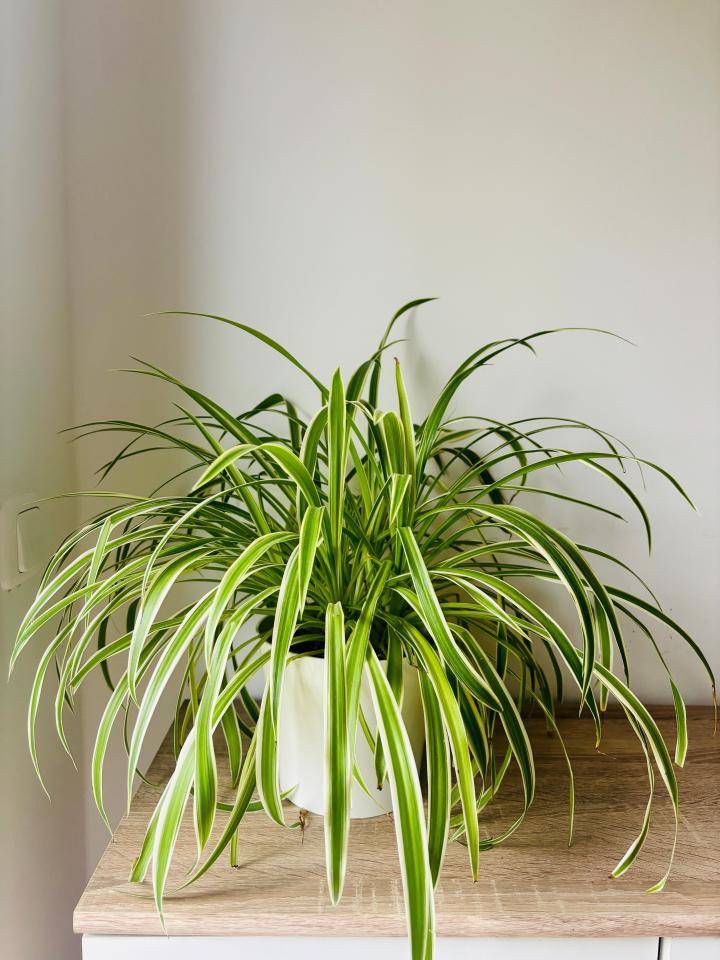
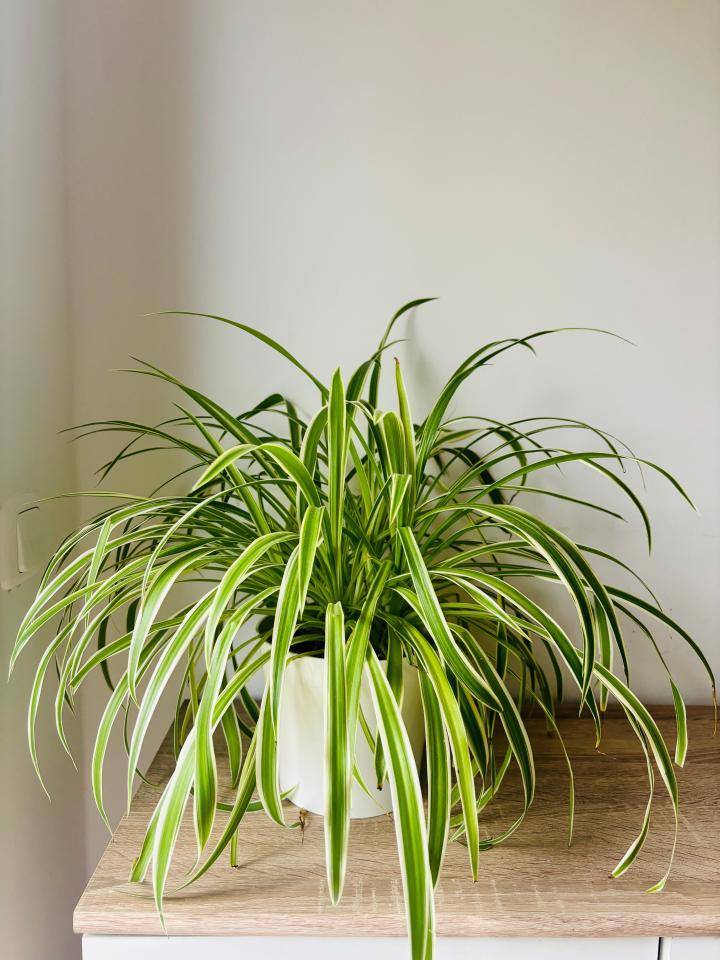
The Spider Plant, also known as Chlorophytum comosum, Spider Ivy or Spinnenplant, is one of the easiest houseplants around. Thanks to its fast growth, air-purifying reputation and robust nature, this plant is ideal for beginners, offices and green interior accents. In this guide, you will read everything about Spider Plant care, propagation, positioning, watering, runners, common problems and a few interesting facts.
Characteristics and flowering of the Spider Plant
The Spider Plant (Chlorophytum comosum) is a tropical ground cover plant originating from South Africa. It belongs to the Asparagaceae family and is closely related to agaves. There are more than 65 species within the Chlorophytum genus, with differences in leaf shape and growth habit.
The Spider Plant is known for its air-purifying qualities, fast-growing runners, often called pups, and its delicate white flowers that sometimes appear. Indoors, the plant can flower and produce runners throughout the year, provided conditions are favourable. Plenty of bright, indirect light is key. It is, however, best known for its decorative foliage. The leaves can grow up to 45 centimetres long and are supported by thick, fleshy roots that store water.
Popular Spider Plant varieties
There are several Spider Plant varieties. Below are the most common ones.
- Chlorophytum comosum - the classic Spider Plant, recognisable by its narrow, arching leaves and its fast production of runners
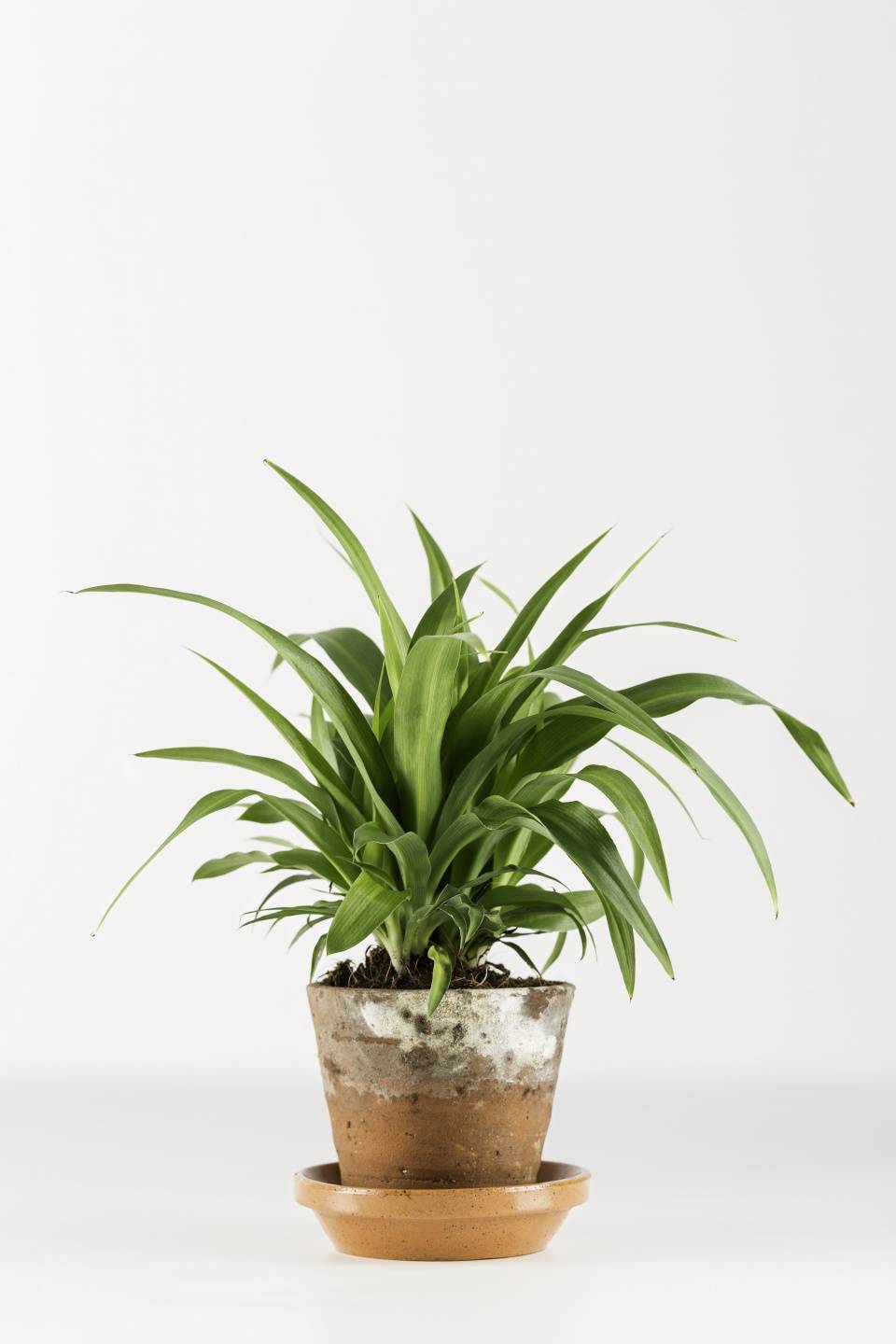
- Chlorophytum laxum - characterised by shorter, narrower leaves. More compact and slightly stiffer than the classic variety
- Chlorophytum orchidastrum - features broader leaves than the classic type, often with orange leaf stems. Also known as Fire Flash
- Chlorophytum amaniense - very similar to C. orchidastrum, but with narrower leaves and red stems
Propagating a Spider Plant
Propagating a Spider Plant is incredibly easy. The plant is famous for its fast-growing runners, also known as pups. These small plantlets grow on long stems and can be removed easily to create new plants.
How to propagate a Spider Plant:
- Cut a healthy pup from the parent plant
- Place the cutting in water or directly into compost
- Strong roots will appear after a few weeks
- Repot into a pot with airy, well-draining compost.
Frequently asked questions about runners and propagation:
- Why does my Spider Plant not produce runners? Your plant may be getting too little light, be in a pot that is too small, or simply be too young.
- Can a Spider Plant be kept outdoors? A Spider Plant can be placed outdoors in summer, but only in a sheltered spot. It does not tolerate direct sunlight well.
Common Spider Plant problems and solutions
Brown tips
Cause: dry air, lime-rich water, too much direct sunlight
Solution: use lukewarm water, move to a lighter spot, mist regularly
Limp leaves
Cause: overwatering, root rot, insufficient light
Solution: allow the compost to dry out, repot if necessary, check the roots
No runners
Cause: low light, young plant, pot too small
Solution: move to a brighter spot, feed during the growing season, be patient
Root rot
Cause: too much water, poor drainage
Solution: improve drainage, inspect the roots, remove damaged roots
Spider Plant as a hanging plant
The long, arching leaves and trailing runners make the Spider Plant perfect as a hanging plant. Hang it in the kitchen, bathroom or living room for a fresh green focal point. Curious about more easy hanging plants? Take a look at our top 10 hanging plants, including care and styling tips.
Is the Spider Plant toxic?
Good news! The Spider Plant is not toxic to cats, dogs or children. However, cats do enjoy chewing on the leaves, which can damage the plant. A particularly enthusiastic cat in the house? Hang your Spider Plant up or place it on a high shelf.
Symbolism of the Spider Plant
The Spider Plant symbolises purity, growth and resilience. Thanks to its strong nature and constant production of new runners, it is often associated with new beginnings, connection and care. It also represents harmony and balance in the home and stands for fresh, positive energy.
In medieval times, this plant was often seen as a symbol of innocence and purity, making it suitable for religious ceremonies, particularly in Christian contexts where it was associated with the Virgin Mary. During the Victorian era, the symbolism of the Spider Plant became linked to ideas of new starts and hope, which led to its use in wedding bouquets and special celebrations.
Origin of the Spider Plant
The Spider Plant originates from southern Africa, particularly regions such as South Africa and Zimbabwe. There, it grows naturally in forests and along rocky slopes. Thanks to its strength and adaptability, the Spider Plant later spread worldwide as a popular houseplant.