
Written by
Carmen
Directly to
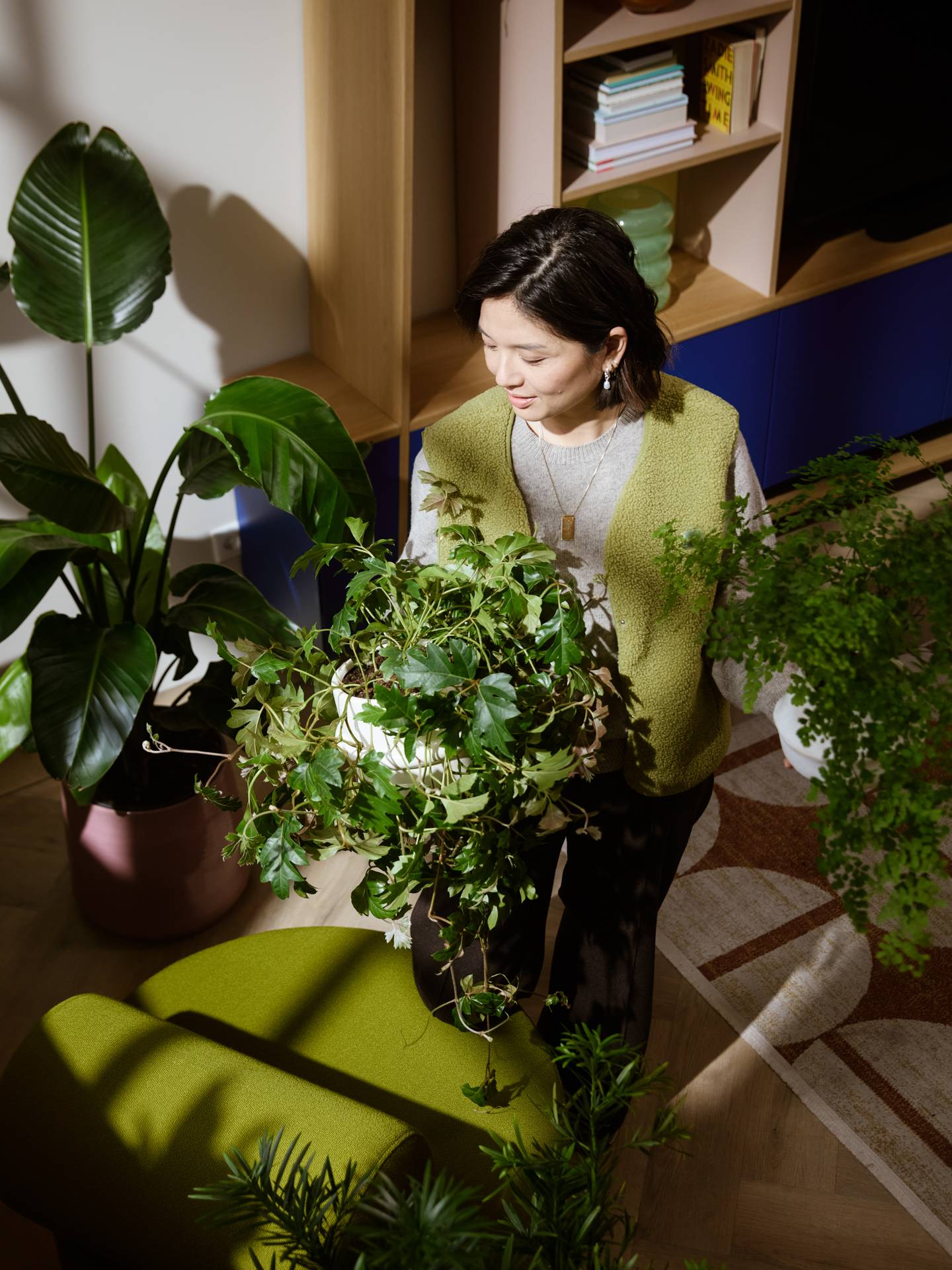
As the days get shorter and the heating comes back on, things change at home, and not just for you. Your houseplants also head into autumn and winter with very different needs from those they have during the growing season. While plants put on plenty of growth in spring and summer, many enter a dormant period in autumn and winter. And that calls for a different approach: less water, keeping an eye on humidity and sometimes finding a new spot with a little more light. These tips, grouped by topic, will help you and your green friends through the darker months.
Watering houseplants in autumn and winter
- Most houseplants need significantly less water during their dormant period than during the growing season.
- Check whether the top layer of potting compost feels dry before watering. In winter, this often takes longer than you might expect.
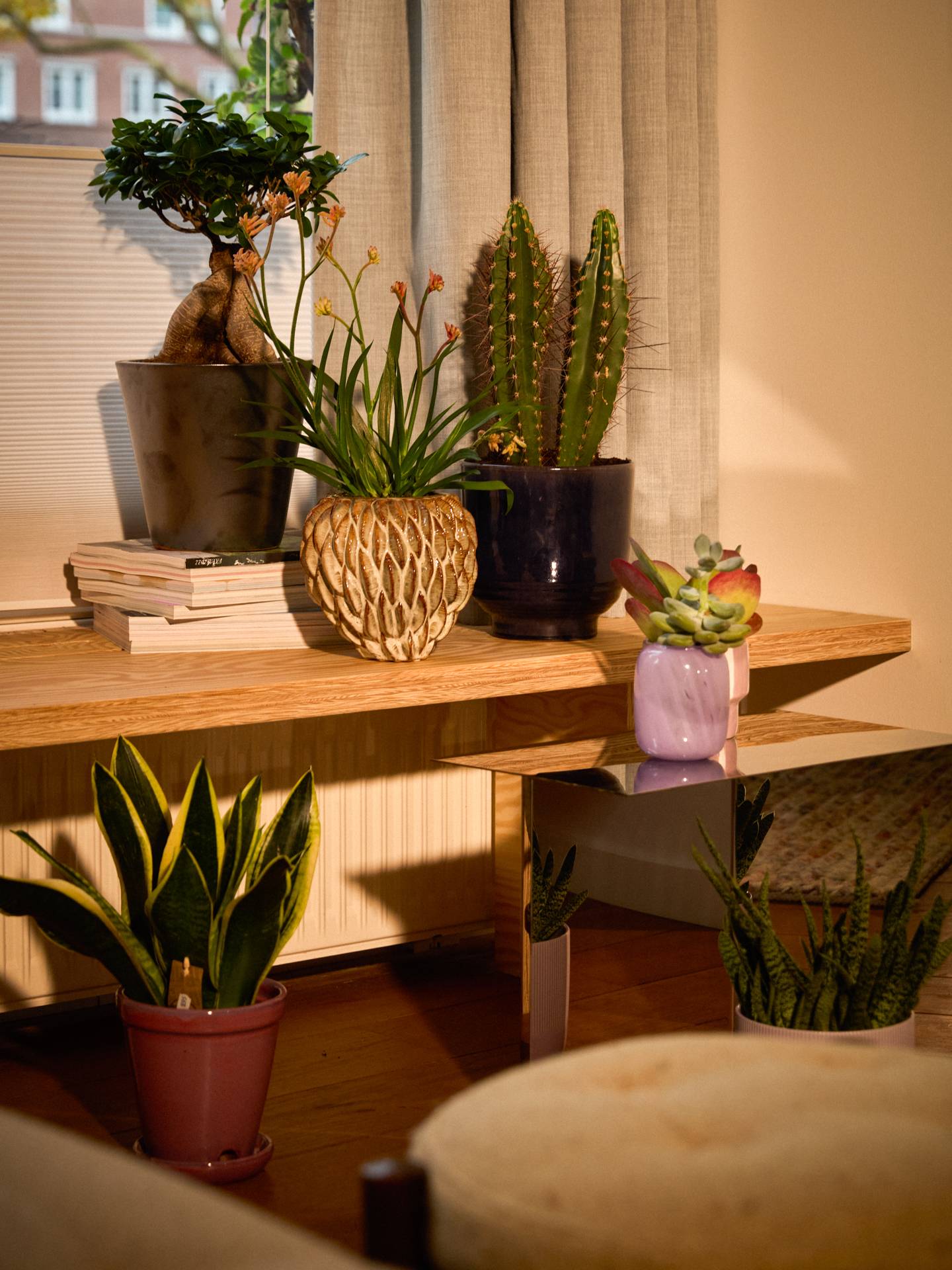
- Cacti, Succulents and other plants that store moisture in their leaves or stems can go for weeks, sometimes even months, without water in winter.
- Overwatering is the biggest culprit when it comes to houseplant problems. Not sure? Give it a few more days.
Humidity for houseplants in autumn and winter
As soon as the heating comes on, humidity levels at home drop considerably. This can be a problem for tropical houseplants with thin leaves: they are more likely to develop brown leaf edges or grow more slowly. Want to know more about humidity? In this article on increasing humidity with plants, you can read all about humidity and how to create a healthier microclimate yourself. But first, take a look at these tips:
- Never put plants right next to a radiator. This makes the potting compost dry out faster, and your plant won’t thank you for it.
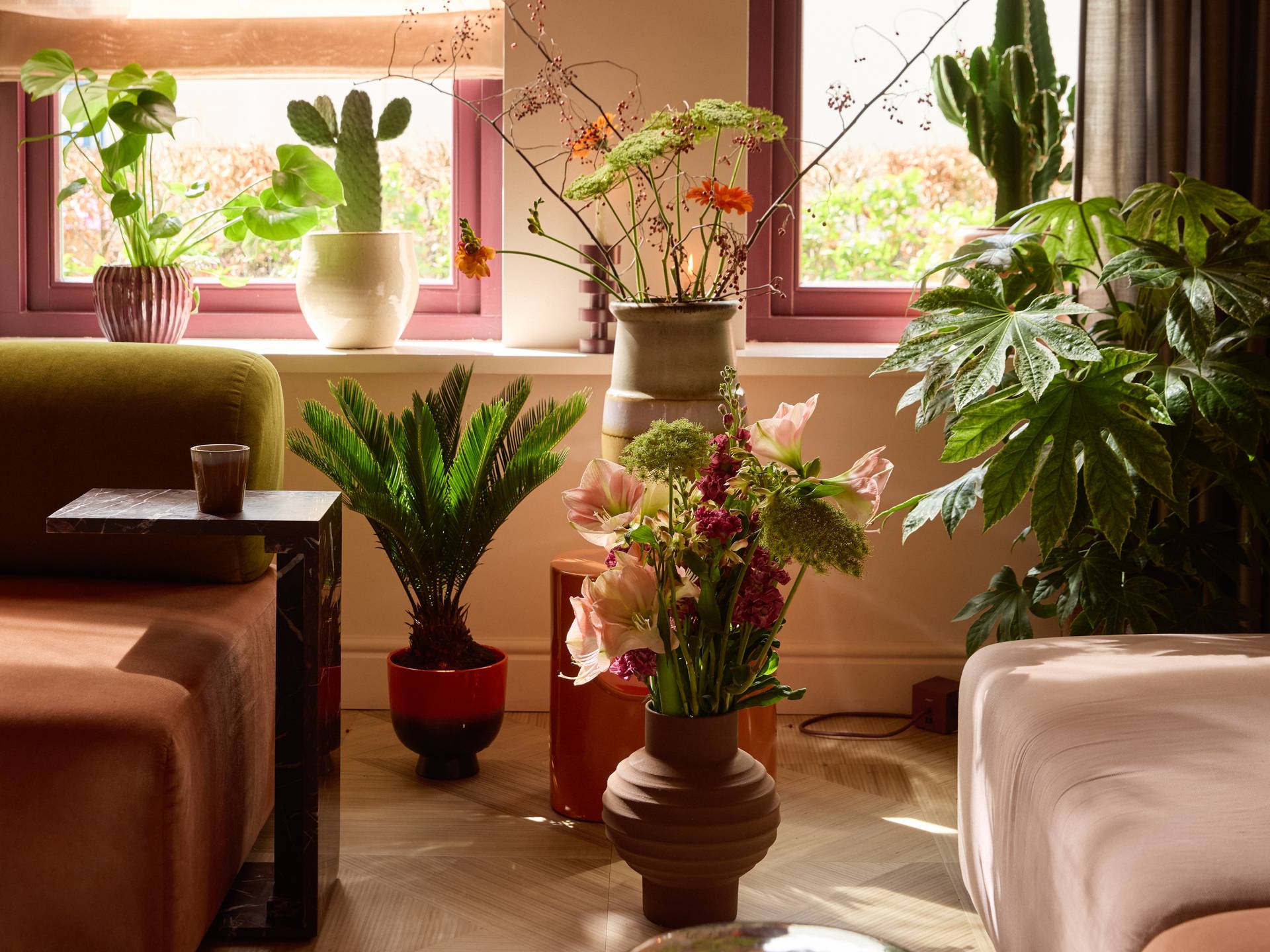
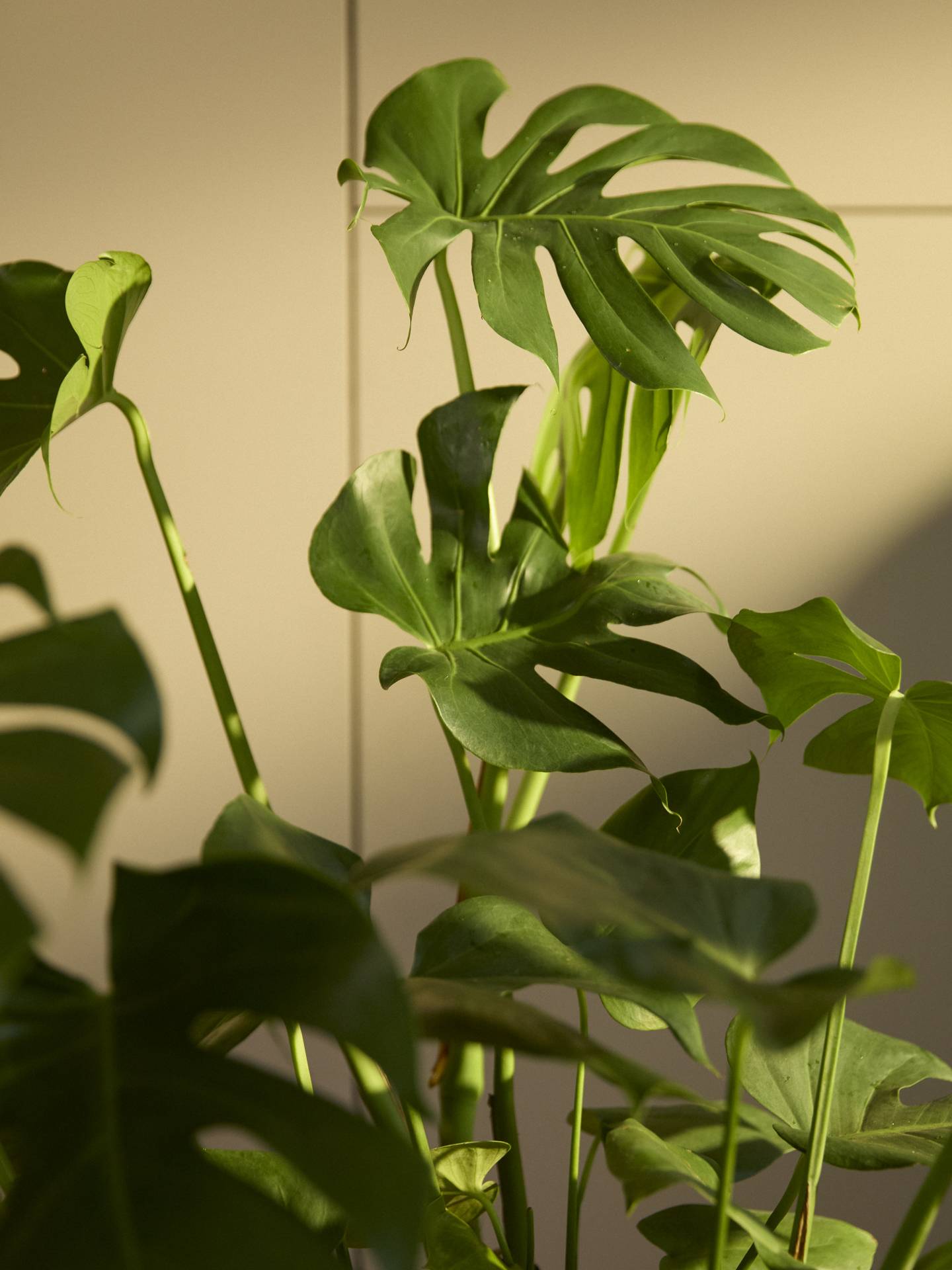
- Feel free to group plants close together to create a slightly more humid microclimate. A mini jungle of your own.
- Try hanging water containers on your radiators, or consider a humidifier if the air at home is really dry.
Light for houseplants in autumn and winter
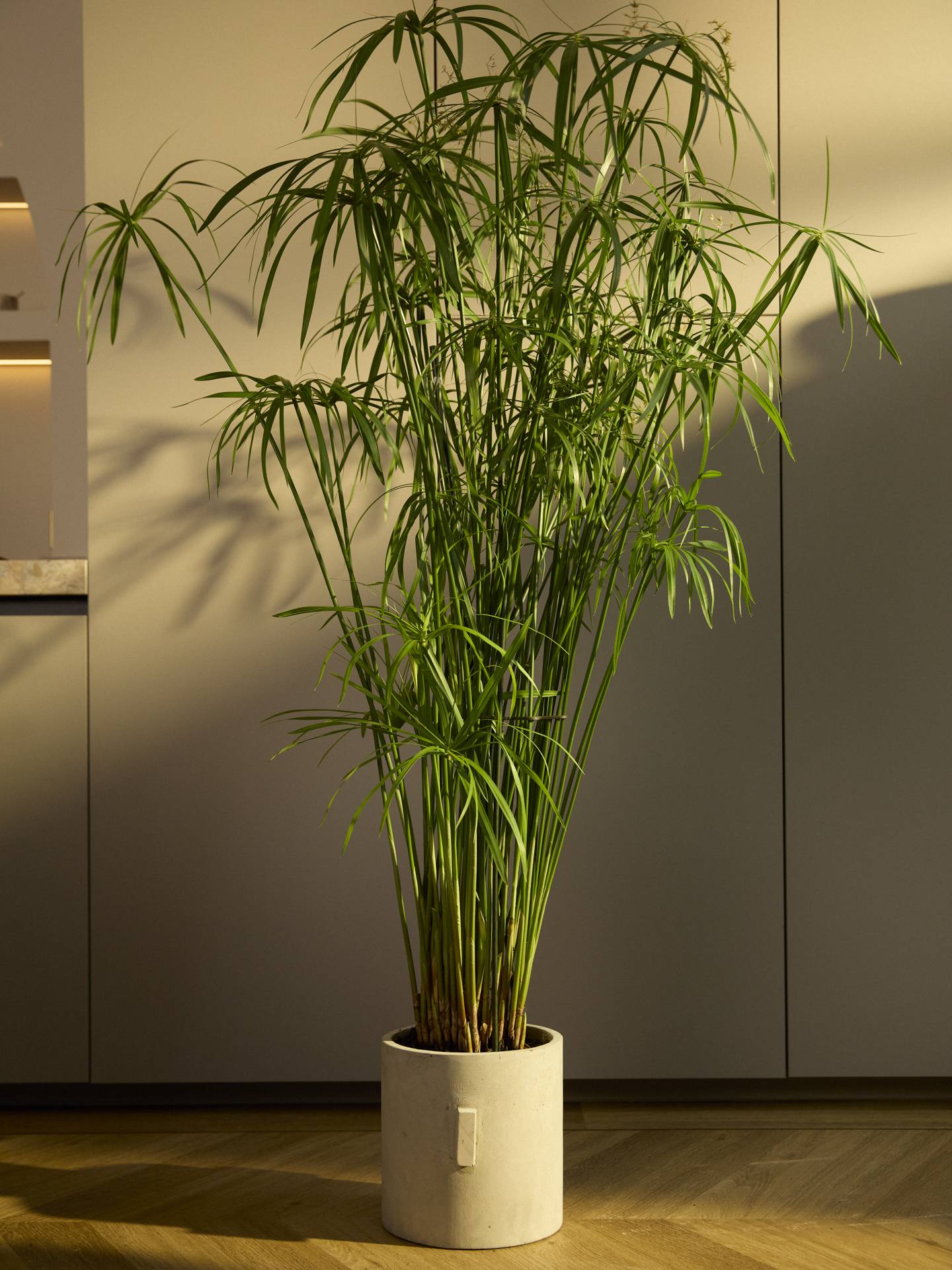
As the days get shorter, some plants receive less daylight and sunshine in autumn and winter than they were used to in summer. Has the sun’s lower position in the sky suddenly left a light-loving plant in the shade? Move it somewhere closer to the window.
Not sure which plants need plenty of light and which are happy with less? Or still looking for the perfect spot on the windowsill? Here you’ll find everything you need to know about caring for your favourite plants.
Feeding houseplants in autumn and winter
Houseplants don’t need extra feed in autumn and winter. With growth almost at a standstill during the dormant period, your plant simply has no need for extra nutrients. So save the plant feed for spring, when growth gets going again.
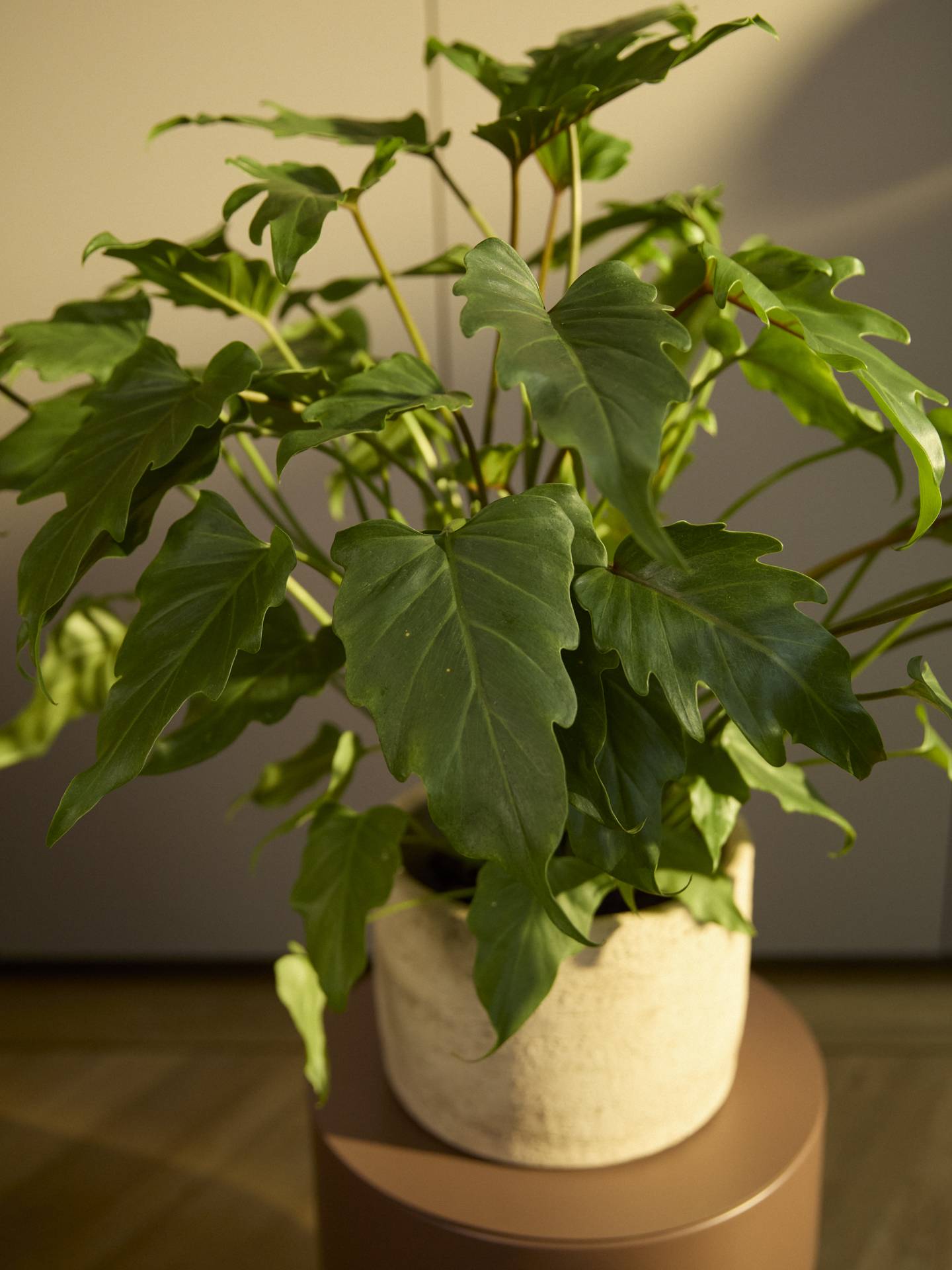
During their dormant period, most houseplants don’t need extra feed.
Repotting houseplants in autumn and winter
Got a plant that could really do with a bigger pot? Hold on a little longer. The best time to repot is in spring, when the plant enters its growing season, can recover more quickly and develops new roots. If you repot in autumn or winter, you risk your plant taking longer to recover. Want to know more about why, when and how to repot a plant? Read this article on repotting plants for a complete step-by-step guide.
More inspiration
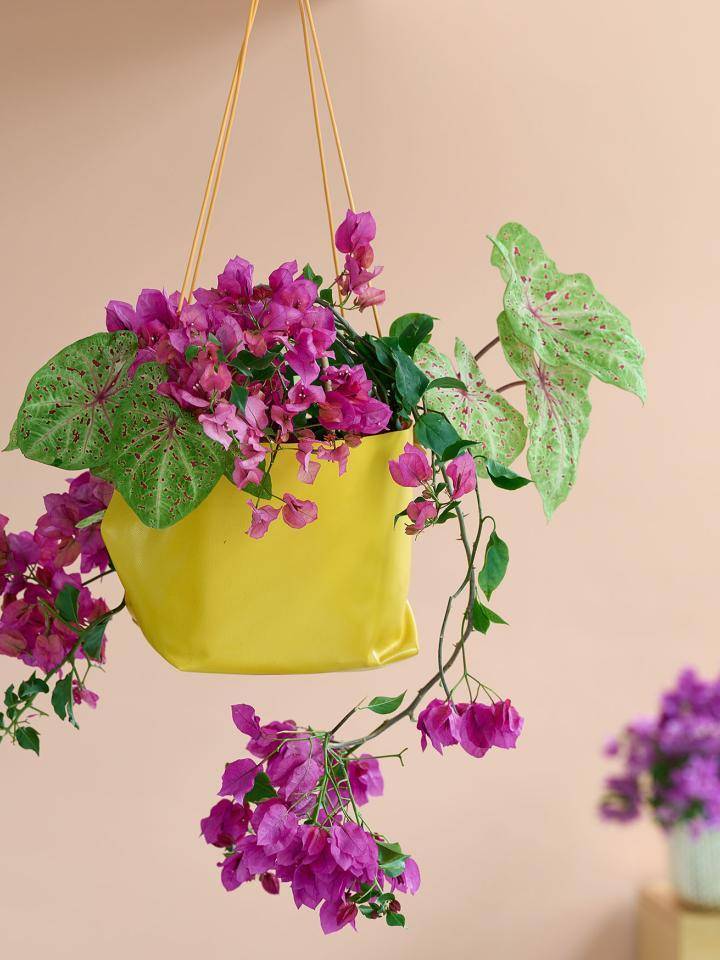
Some plants actually flower in winter. These winter bloomers need slightly different care from the rest of your houseplants. You can read more about them here! And if you want to give your houseplants the best care all year round, beyond autumn and winter, take a look at these basic rules and tips for caring for houseplants. Struggling with a specific care problem? You’ll probably find the answer in this overview of frequently asked questions about houseplants.