Written by
Sabina
Description
Sun
Much
Flowering
Pet and kids friendly
Easy to care for
Attracts pollinators
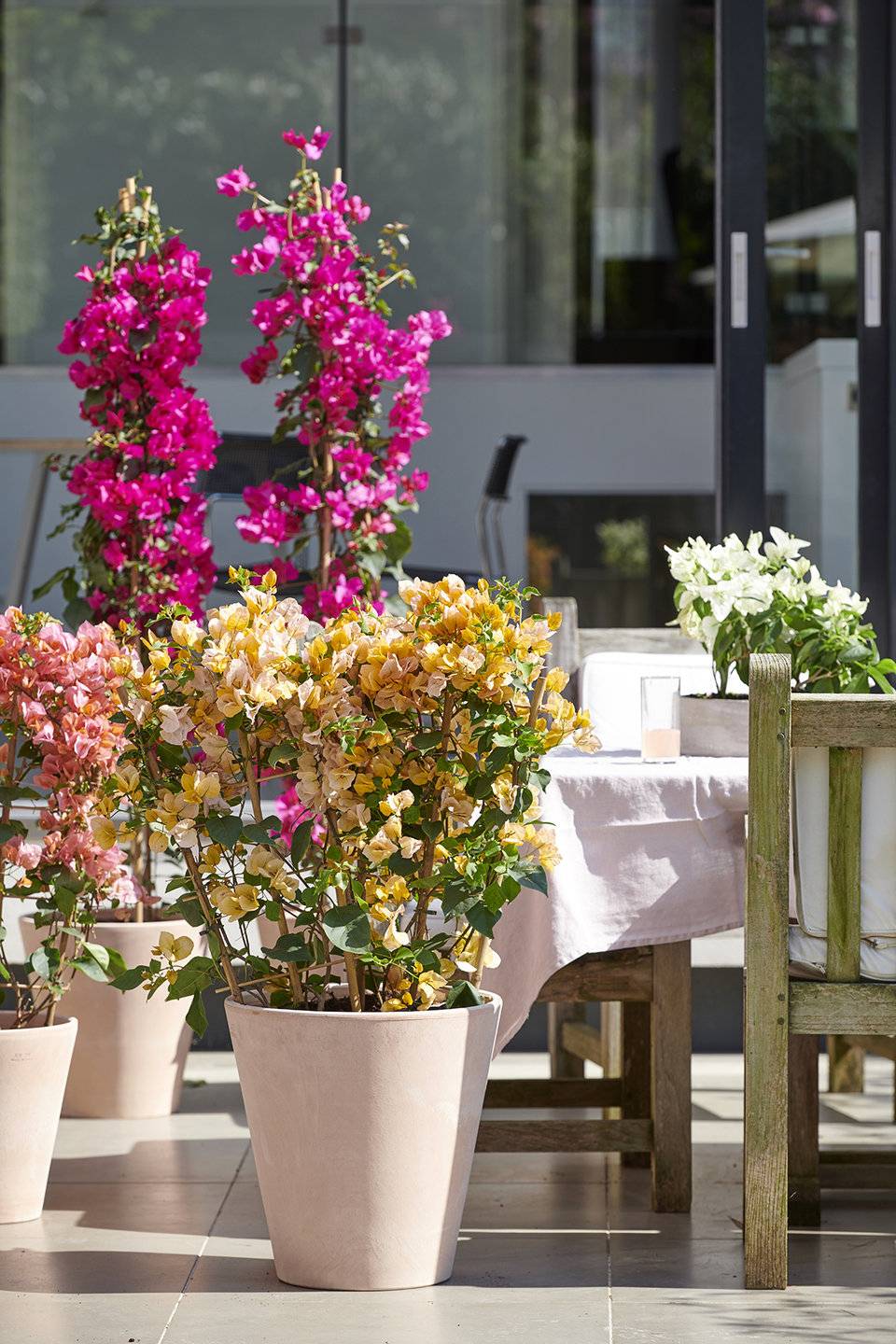
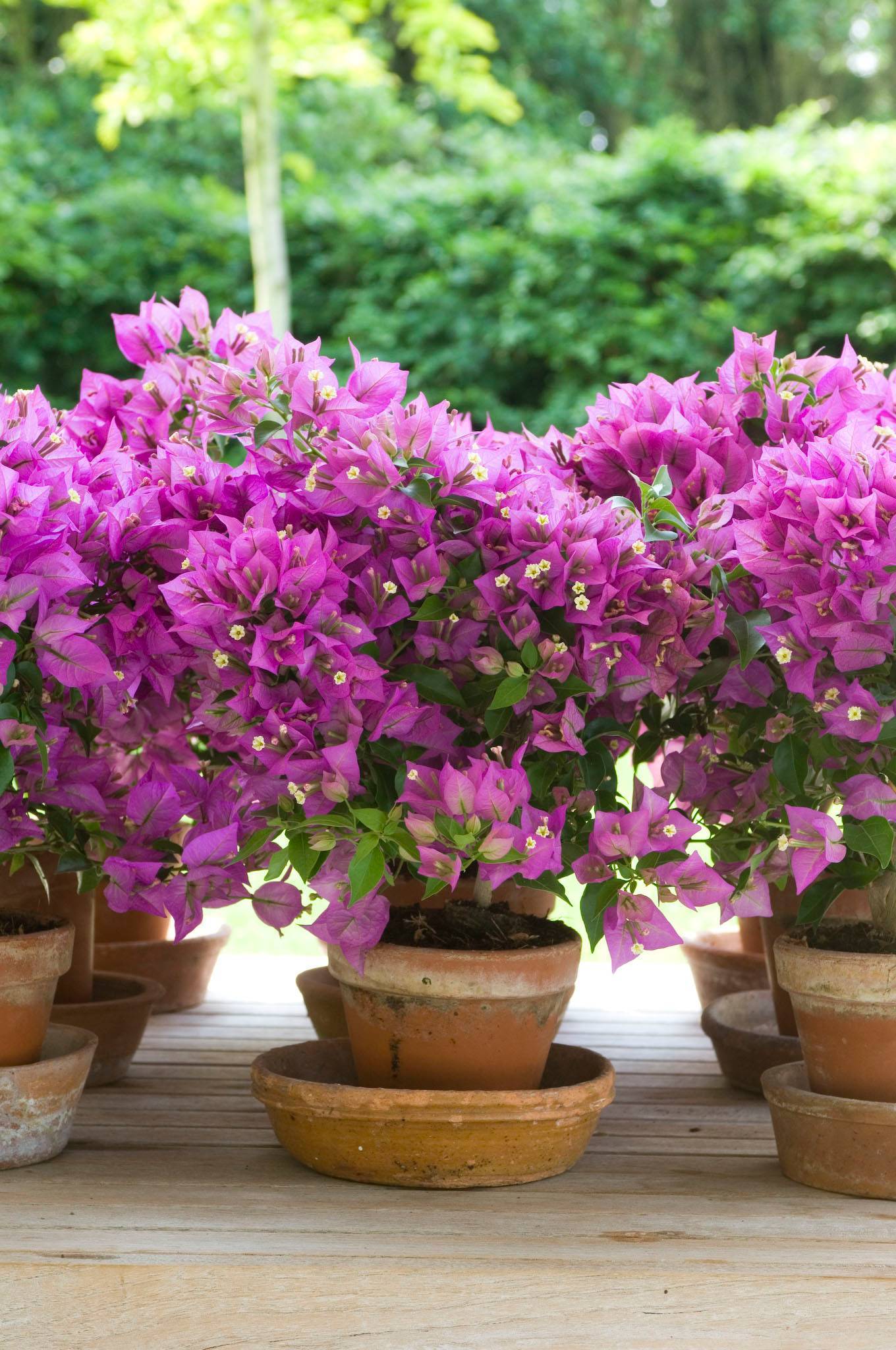
Bougainvillea, also known as ‘paperflower’, instantly evokes warm Mediterranean holidays. With its brightly coloured bracts and playful climbing stems, it is one of the most exuberantly flowering climbing plants for outdoors. In this article, you’ll discover everything you need to know about its characteristics, care, flowering and more, so your Bougainvillea can truly shine in the garden.
Bougainvillea care
Every variety requires the same basic care. During the growing season (April–September), water generously. Are the top 2 centimetres of soil dry? Then give it some extra water. Make sure any excess water can drain away, as waterlogged soil can inhibit flowering.
- Water: during warm, dry weather, around twice a week on average; less often during cooler periods.
- Feed: use a liquid fertiliser for Mediterranean plants once a month during the flowering season.
- Soil: airy, slightly sandy potting or container compost with good drainage.
Characteristics and flowering of Bougainvillea
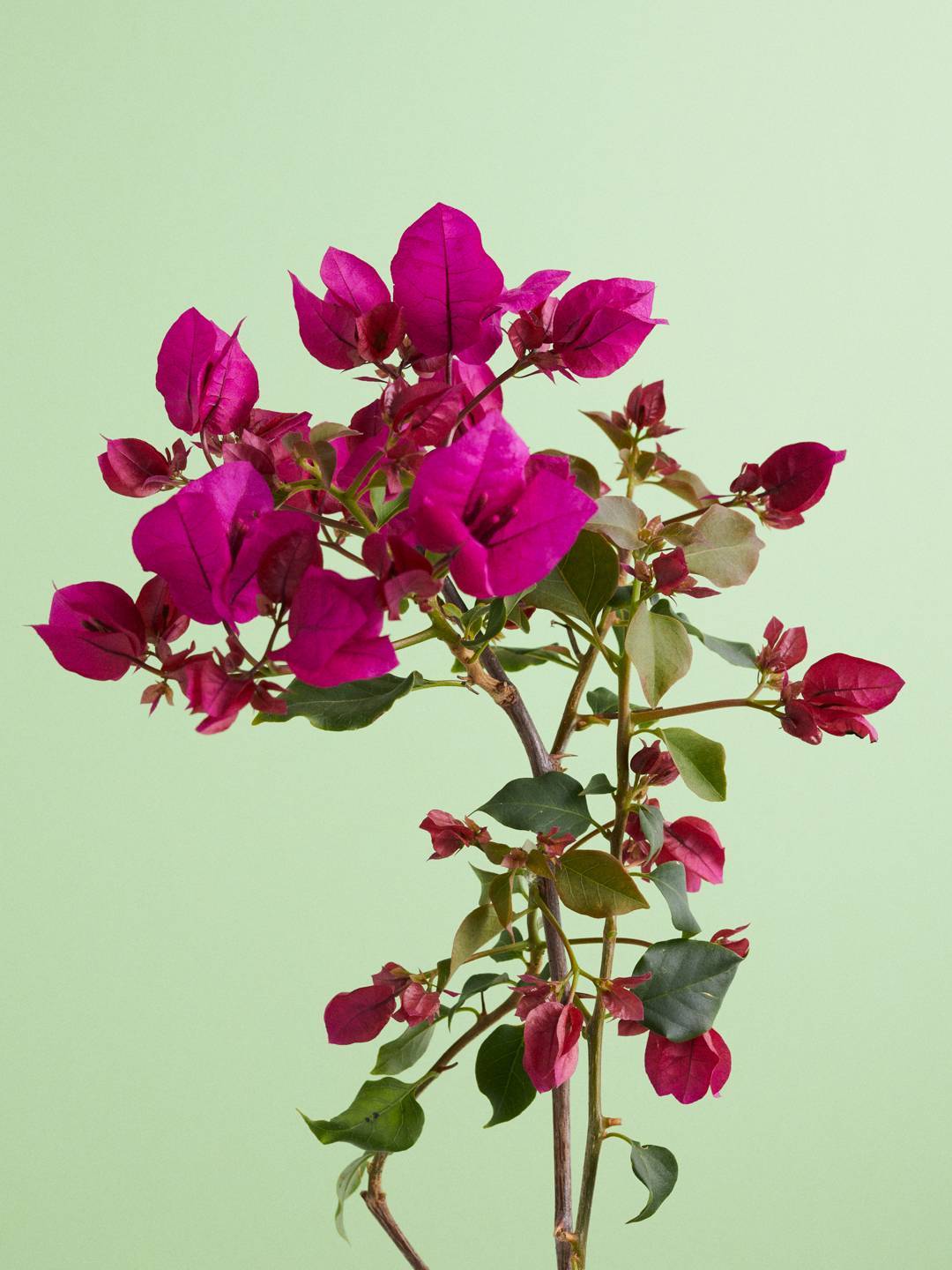
Bougainvillea belongs to the four o’clock family (Nyctaginaceae). You can recognise the plant by its long, woody stems covered in papery bracts in purple, pink, red, yellow or white. The actual flowers are the small, cream-coloured tubes in the centre of these bracts. With enough light, Bougainvillea flowers from late spring well into late summer.
Positioning Bougainvillea
This flowering climber loves warmth and sunshine. Give it a sheltered south- or west-facing spot where daytime temperatures easily rise above 20 °C. Choose a position with at least five hours of full sun, preferably against a warm wall or fence. Make sure the soil drains well: if you have clay soil, improve it with sharp sand and compost. If the plant is kept in too much shade, it will mainly produce leaves and very few flowers. During a cool, wet spring, temporary shelter can help prevent buds from dropping.
This flowering climber loves warmth and sunshine.
Bougainvillea tip: encouraging flowering
- Give the plant a ‘dry rest’ for around three weeks in March: keep the soil almost dry and the temperature at around 15 °C (for example, in an unheated conservatory).
- Move the plant back to its sunny position in early April and resume normal watering.
- Apply a phosphorus-rich fertiliser straight away to encourage extra bud formation.
- Remove weak or thin shoots to direct the plant’s energy towards strong flowering stems.
Bougainvillea as a houseplant
You can also enjoy the exuberant colours of Bougainvillea indoors. Do you have a sunny spot and want to know how to help this Mediterranean climber thrive in your home? Read more about Bougainvillea as a houseplant in this article.
Pruning Bougainvillea
In early spring, cut back all dead and/or damaged branches to healthy wood. During the growing season, you can lightly prune shoots that have become too long to keep the plant more compact and encourage new flowers. Always wear gloves: Bougainvillea has sturdy thorns that can irritate the skin. Tie in young shoots along a façade or pergola in good time to create attractive, even coverage.
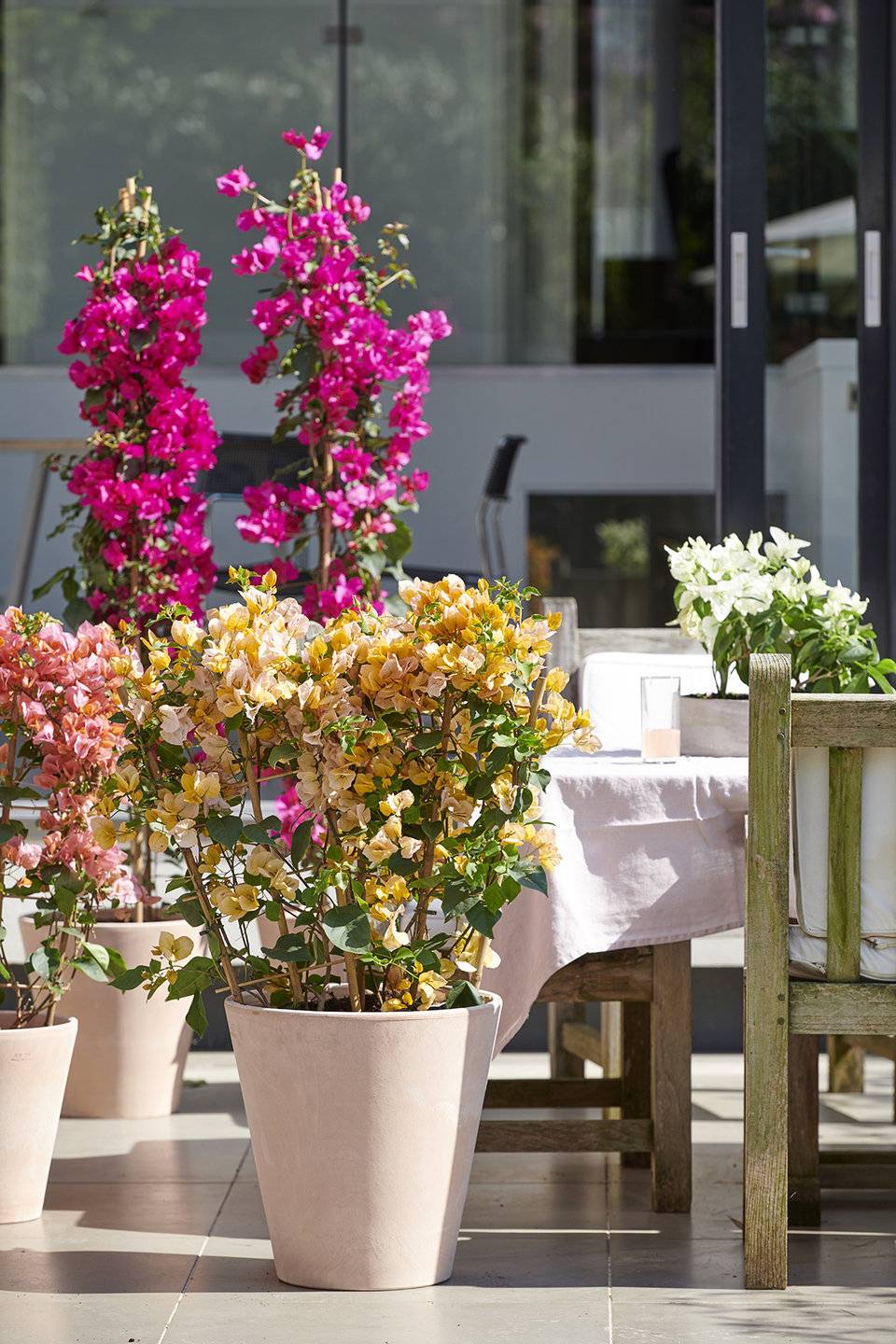
Tie in young shoots along a façade or pergola in good time to create attractive, even coverage.
Taking Bougainvillea cuttings
Bougainvillea is best propagated from cuttings in summer, when the tips are semi-ripe. Cut a shoot of around 15 cm just below a leaf node, remove the lower leaves and dip the cut end into rooting powder. Place the cutting in an airy mixture of peat-free potting compost and perlite and keep it somewhere warm (around 25 °C) and bright. The first roots should appear after six to eight weeks. You can find more general propagation tips in the article about different ways to take cuttings from houseplants and garden plants.
Is Bougainvillea poisonous?
Bougainvillea is generally mildly toxic and rarely poses a serious risk. For humans, the brightly coloured bracts are harmless. However, the sap from the stems and leaves can cause redness or itching on sensitive skin. The plant is mildly toxic to pets. If they eat it, it may cause digestive problems and mild irritation of the skin or mouth.
Symbolism of Bougainvillea
In the garden, Bougainvillea symbolises protection thanks to its sharp thorns. Its colourful cloud of bracts also represents celebration, passion and southern hospitality, perfect for making a sunny, cheerful statement in your outdoor space.
Origin of Bougainvillea
Bougainvillea is native to the tropical and subtropical rainforests of South America, particularly Brazil, Peru and Argentina. The plant climbs along rocky slopes, forest edges and riverbanks, where sunshine, warmth and a dry winter season alternate. French explorer Louis Antoine de Bougainville brought descriptions and seeds back to Europe in 1768. From the 19th century onwards, the species became popular in the glasshouses of Paris and Kew Gardens, and selective breeding led to the colourful cultivars that now brighten façades and gardens around the world.
FAQ
How often does a Bougainvillea flower outdoors?
In a sunny position with sufficient feeding, the plant can continuously produce new colourful bracts from May through to September.
Can my Bougainvillea overwinter outdoors?
Bougainvillea is not winter hardy. When temperatures drop below 5 °C, move container-grown plants to a bright, frost-free space or protect a plant growing against a façade with horticultural fleece.
Why does my Bougainvillea lose flowers after periods of rain?
Prolonged wet weather can cause buds to drop. Give the plant some extra feed, improve drainage and prune away minor damage once the weather becomes drier.