
Written by
Sabina
Description
Partial sun
Moderate
Green
Pet and kids friendly
Air purifying
Directly to
Your ticket to the tropics: the Golden Palm, also known as Areca, is an exotic houseplant that brings a holiday vibe straight into your home! Read on and discover everything about care, varieties, origin, symbolism and much more!
Characteristics of the Golden Palm
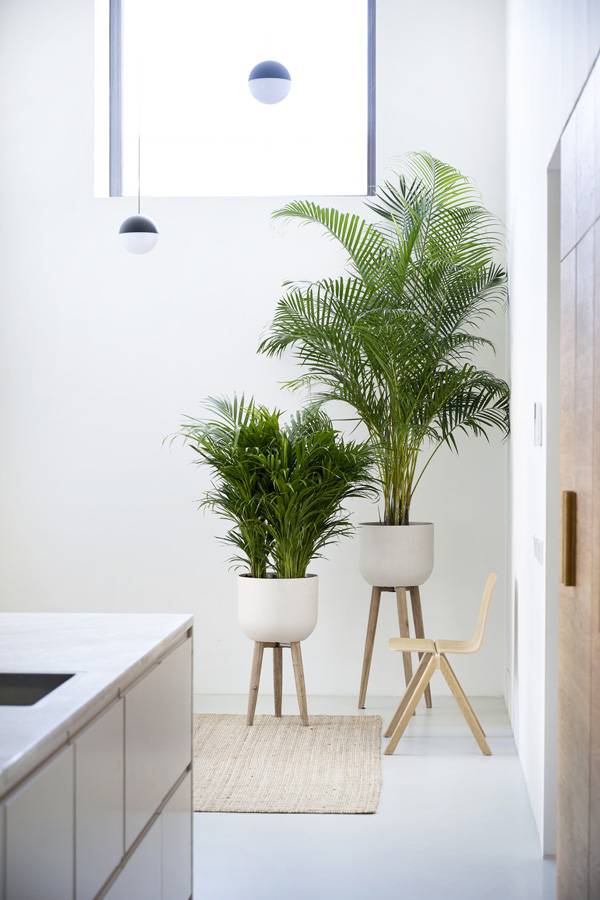
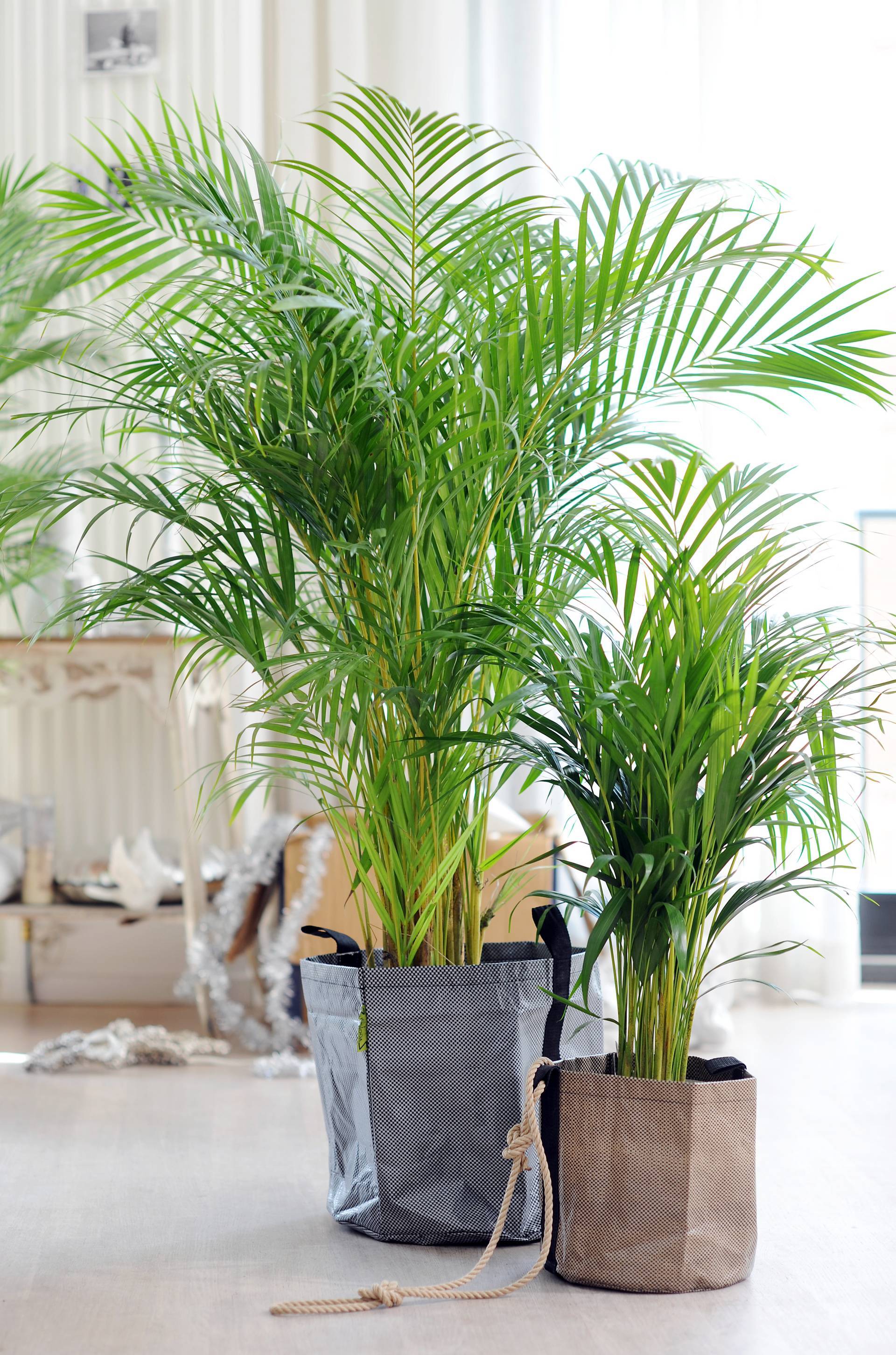
The Golden Palm, botanically known as Dypsis lutescens, is also often called the Areca Palm or Butterfly Palm. It’s an elegant palm with a loose, full growth habit made up of multiple slender stems growing close together.
Indoors, the Golden Palm usually grows to a height of 1.5 to 2.5 metres. In very favourable conditions (plenty of light, high humidity), it can reach up to 3 metres tall.
The leaves of the Golden Palm are long, narrow and feathered. They fan out gracefully and have a bright green colour that looks fresh all year round. The stems have a pale yellow to golden hue, which is where the plant gets its English name.
In the wild, the Golden Palm can produce small, pale yellow flowers, but as a houseplant this rarely happens. The plant is mainly appreciated for its decorative foliage.
The Golden Palm belongs to the plant family Arecaceae, also known as the palm family. This family includes many well-known palms, such as Kentia Palm, Rhapis and Coconut Palm.
Care of the Golden Palm
The Golden Palm is generally an easy houseplant, as long as you take its tropical origins into account.
- Watering. The potting soil of the Golden Palm should be kept lightly moist. Water regularly, usually about once a week in winter and twice a week in summer, depending on the temperature and location. Make sure excess water can drain away properly and that the roots are not left sitting in water for long periods.
- Humidity. As the Golden Palm originates from a tropical climate with high humidity, it appreciates being misted regularly. This is especially important in winter, when the heating is on and the air becomes drier. Ideally, use water at room temperature.
- Feeding. During the growing season, spring and summer, you can occasionally give the Golden Palm some houseplant feed. In autumn and winter, the plant generally doesn’t need any extra feeding.
- Keeping the leaves clean. Dust can easily build up on the leaves. By gently dusting or misting the plant from time to time, the leaves stay healthy and the plant can absorb light more effectively.
- Common problems. Brown leaf tips are often caused by dry air or too little water. Regular misting and slightly higher humidity will help prevent this. Yellow leaves can indicate overly wet soil. In that case, check whether excess water can drain away properly.
Brown leaf tips are often caused by dry air or too little water. Yellow leaves can indicate overly wet soil.
Varieties of the Golden Palm
The Golden Palm includes more than 150 palm varieties that are mainly found in Madagascar and other tropical regions. However, most varieties are rare or difficult to obtain in Europe.
The best-known variety kept as a houseplant is Dypsis lutescens. This is the classic Golden Palm. The plant has elegant, feathered leaves and is relatively easy to care for. In practice, the term Golden Palm almost always refers to this variety.
Position of the Golden Palm
The Golden Palm prefers a bright spot in the home, but not in direct, intense sunlight. Too much sun can damage the leaves. A position with plenty of daylight or light partial shade is ideal.
In winter, the plant can tolerate a bit more sun, as the sunlight is less intense. Moving it around your home slightly is therefore fine, as long as you take the seasons into account. Also make sure the plant isn’t exposed to draughts and avoid large temperature fluctuations.
Propagating the Golden Palm
Want to propagate a Golden Palm? Taking cuttings, as you would with many other houseplants, doesn’t work with this palm. The Golden Palm can only be propagated from seed or by carefully dividing the plant. Do take care, as the roots can be damaged easily.
Is the Golden Palm toxic?
The Golden Palm is known as a non-toxic houseplant and is therefore a relatively safe choice in households with children or pets. That said, it’s always wise to prevent leaves from being eaten.

Symbolism of the Golden Palm
Palms have held symbolic meaning in various cultures for centuries. In classical antiquity, the palm branch symbolised victory and success. In Roman times, for example, the palm was associated with the goddess Nikè, the goddess of victory. In religious and cultural traditions, the palm branch is also often seen as a symbol of peace, honour and triumph. In addition, thanks to its tropical appearance, the Golden Palm is associated with relaxation, prosperity and positive energy.
Origin of the Golden Palm
The Golden Palm originally comes from Madagascar, a large island off the east coast of Africa. In the wild, it grows there in a warm and humid tropical climate with plenty of light and high humidity.
Today, the Golden Palm is cultivated worldwide for its ornamental value. Thanks to its graceful appearance and relatively easy care, it has become one of the most popular palms for the home.