
Written by
Anna
Description
Sun
Little
Green
Easy to care for
Attracts pollinators
Directly to
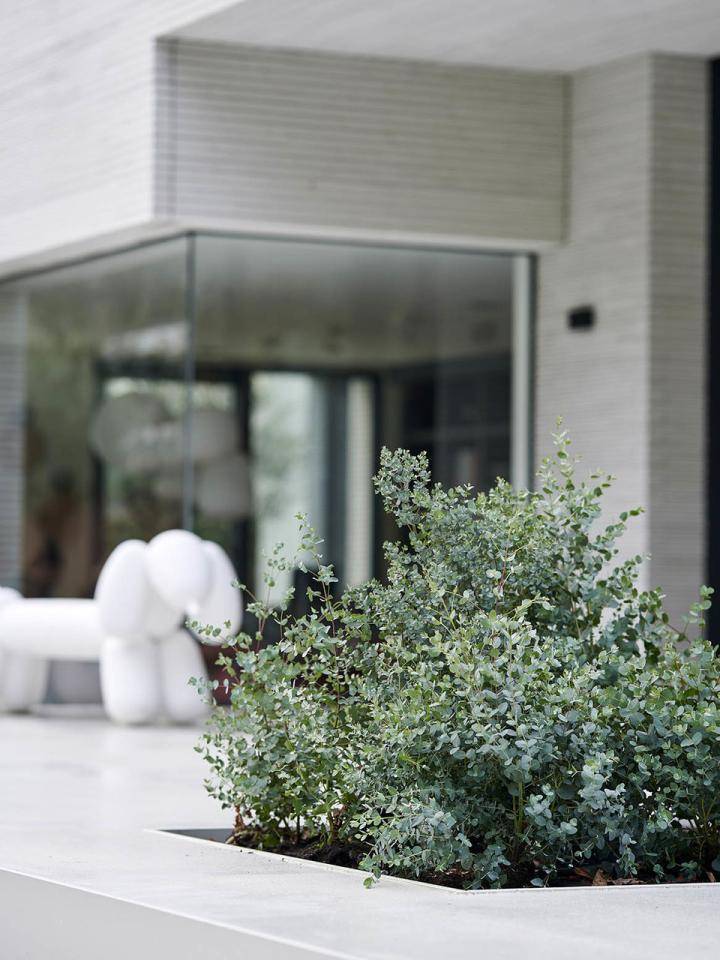
Eucalyptus is a fast-growing evergreen tree or shrub from Australia. In Germany, Eucalyptus gunnii is the species most commonly grown in gardens and containers. Once well established, it can withstand temperatures down to around −15°C. Silvery-blue leaves, a wonderful scent and medicinal properties: it is no wonder Eucalyptus is popular around the world.
Eucalyptus gunnii at a glance
Hardiness (planted in the ground and established): around −12 to −15°C
Hardiness in a container: considerably more vulnerable. Overwinter somewhere bright and frost-free at 5–10°C, or protect the container from frost
Growth: 50 to 100 cm per year
Height without pruning: 10 to 20 m, or up to 25 m in favourable conditions
Height with annual pruning: 2 to 4 m
Position: full sun and sheltered from wind, with at least 6 hours of sunshine
Soil: free-draining, sandy to loamy; tolerates poor, dry soils but not waterlogging
Planting time: during a frost-free period, ideally in late spring; plant container-grown specimens after the last frost (around mid-May)
Foliage: evergreen
Toxicity: poisonous to people, dogs and cats if eaten in large quantities
Characteristics and flowering of Eucalyptus
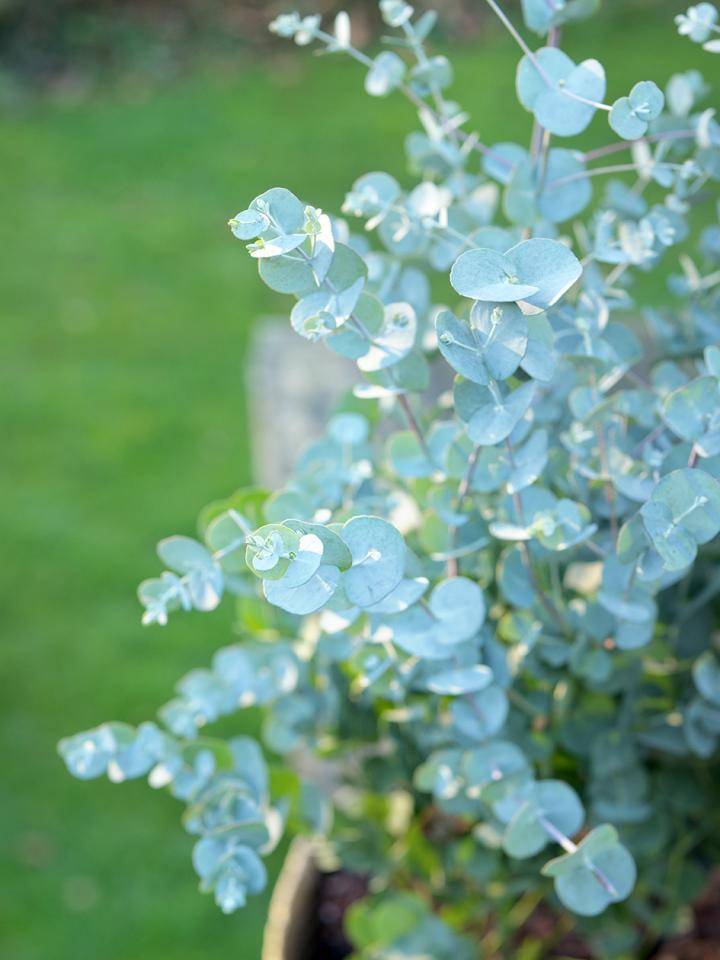
Eucalyptus is also known as a Gum Tree. The name “Eucalyptus” comes from the Greek words “eu” (beautiful) and “kalyptos” (cap). It refers to the flowers, whose stamens and pistils together look like a cap. The leaves of the best-known Eucalyptus species are round or oval and grow symmetrically around the stem. They release a fresh, menthol-like scent that helps keep insects away.
The blue-grey sheen on the leaves comes from a waxy coating that reflects the light, giving them a silvery appearance. After four to five years, Eucalyptus produces cream-coloured flowers in summer. Some species have red flowers, although these are not hardy. The tree also has attractive, peeling bark.
Eucalyptus belongs to the Myrtle family (Myrtaceae), alongside plants such as Guava, Tea Tree and Clove Tree. These plants originally come mainly from subtropical and tropical regions. The Myrtle family is diverse, with both edible and ornamental plants, many prized for their fragrance and medicinal uses.
Eucalyptus care
Growing Eucalyptus in your garden or on your balcony? Here are some tips to help you care for it.
- Water young, small Eucalyptus plants regularly at first to help them establish (their root balls need to stay slightly moist). Keep the soil damp, but not too wet. Overwatering can cause root rot.
- Once established, Eucalyptus needs little attention. Water it only during prolonged dry spells.
- Give young Eucalyptus a light feed with an organic fertiliser in spring and summer to encourage growth.
- Mature Eucalyptus needs little or no extra fertiliser. If growth slows, you can spread a layer of mulch (organic material such as leaves, wood chips or compost) around the base of the tree.
- If too many weeds grow around your Eucalyptus, a layer of mulch around the base can help keep them under control.
Types of Eucalyptus
There are around 800 Eucalyptus species. They vary widely in how they grow (from small shrubs to tall trees), as well as in their flowers, scent, colour, shape and uses. In most species, the foliage changes over time. Young Eucalyptus trees often have round leaves. As they mature, the leaves become narrow and sickle-shaped, and begin to hang down. These are some of the best-known species:
- Eucalyptus gunnii (Cider Gum): This is the most common and best-known species in the Netherlands. It is quite hardy and has highly decorative, round, silvery-blue leaves, which are often used in floral arrangements. The leaves have a mild, sweet scent (less intense than that of Eucalyptus globulus). Without pruning, these trees grow 10 to 25 metres tall.
- Eucalyptus globulus (Blue Gum): This species has blue-green leaves, grows quickly and gives off a strong, menthol-like scent. It is one of the main sources of Eucalyptus oil. These trees can reach 70 metres tall!
- Eucalyptus citriodora (Lemon-scented Gum): This species has long, light-green leaves with a strong lemon scent. That makes it popular in aromatherapy and insect repellents. These trees can grow up to 40 metres tall.
- Eucalyptus camaldulensis (River Red Gum): This species has grey-green leaves with a subtle, menthol-like scent. Its bark is white to grey and sometimes shows a reddish tinge as it peels. The heartwood is reddish-brown, giving the tree its name. It is one of the most common Eucalyptus species in Australia. Its durable, distinctively reddish timber is important to the timber industry.
- Eucalyptus radiata: This species has narrow, dark-green leaves with a fresh, minty scent. Its oil is used for respiratory complaints and in aromatherapy. These trees can grow up to 30 metres tall.
- Eucalyptus pauciflora: This species has long, narrow, blue-green leaves with a subtle, fresh scent. It is particularly hardy, which is why it is also called Snow Gum. The tree grows up to 20 metres tall.
- Eucalyptus diversicolor: Also known as Karri, this species is less familiar internationally but is native to Australia. It is among the tallest trees in the world, reaching up to 100 metres. Its hard, strong timber makes it very important to the timber industry. The leaves are long, narrow and dark green.
How tall does Eucalyptus grow, and how quickly?
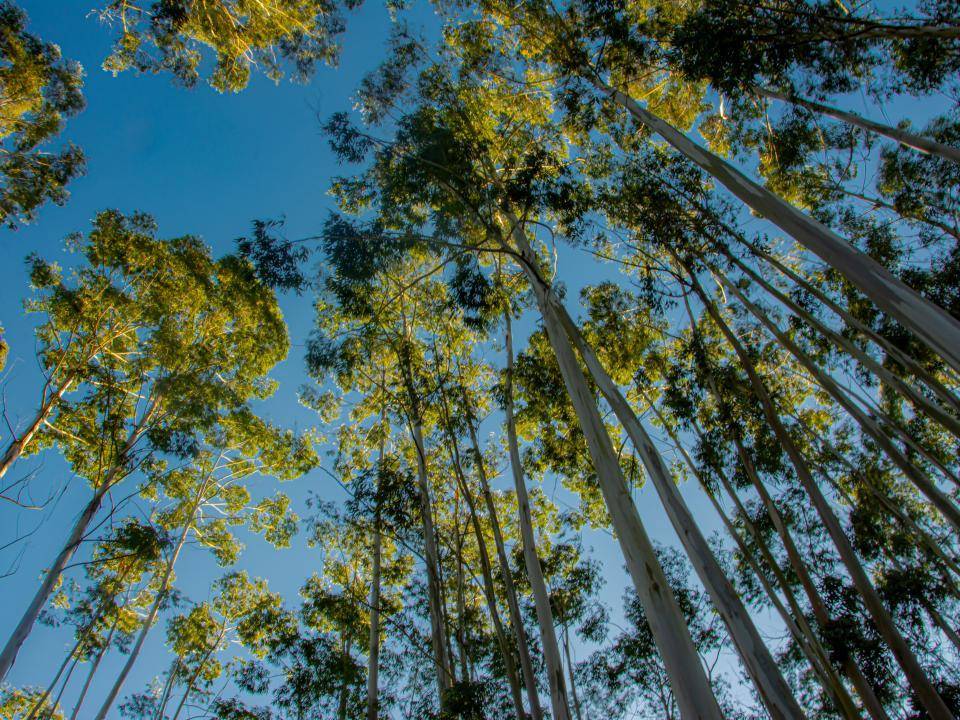
Eucalyptus gunnii is the most popular Eucalyptus species in European gardens. Without pruning, it grows 10 to 20 metres tall, or up to around 25 metres in favourable conditions. It puts on 50 to 100 centimetres a year, so annual pruning is essential if you want to keep it small. With regular pruning, it can easily be kept at 2 to 4 metres.
In a container, Eucalyptus usually stays around 2 to 3 metres tall. Even so, choose a large container from the start: the plant grows quickly and has a delicate root ball that does not respond well to being moved.
Planting Eucalyptus: tips
Planning to plant Eucalyptus in the ground or in a pot on your balcony or patio? Take a look at these planting tips and discover step-by-step guidance for planting garden plants.
- Plant Eucalyptus during a frost-free period, ideally in late spring when there is no longer a risk of frost. If you are planting it in a pot, wait until after the last frost (around mid-May).
- Most Eucalyptus species grow in almost any type of soil, but they do best in free-draining sandy or loamy soil. They also grow well in poor, dry soil, provided excess water can drain away.
- Choose a good spot for your Eucalyptus from the outset: it does not like being repotted because its roots are very sensitive.
What is the best position for Eucalyptus gunnii?
Eucalyptus gunnii (Cider Gum) grows best in a sunny, sheltered position with free-draining soil. Full sun is ideal, although the tree can also grow in partial shade.
- Sunlight: This Eucalyptus enjoys a sunny spot. Cider Gum needs plenty of direct sunlight to grow at its best.
- Shelter: Cider Gum prefers some protection from strong, cold winds, especially when it is young.
- Soil: Eucalyptus gunnii grows best in soil that drains well. The soil can be slightly moist, but avoid leaving the roots in very wet ground for long periods.
- In a pot: Because Eucalyptus gunnii grows quickly, choose a roomy pot with good drainage. Remember that Eucalyptus in a pot is more vulnerable to severe frost than a tree planted in the ground.
If you are planting your Eucalyptus in a pot, choose a large one straight away. Eucalyptus grows quickly and needs room!
Uses for Eucalyptus: from decoration to aromatherapy
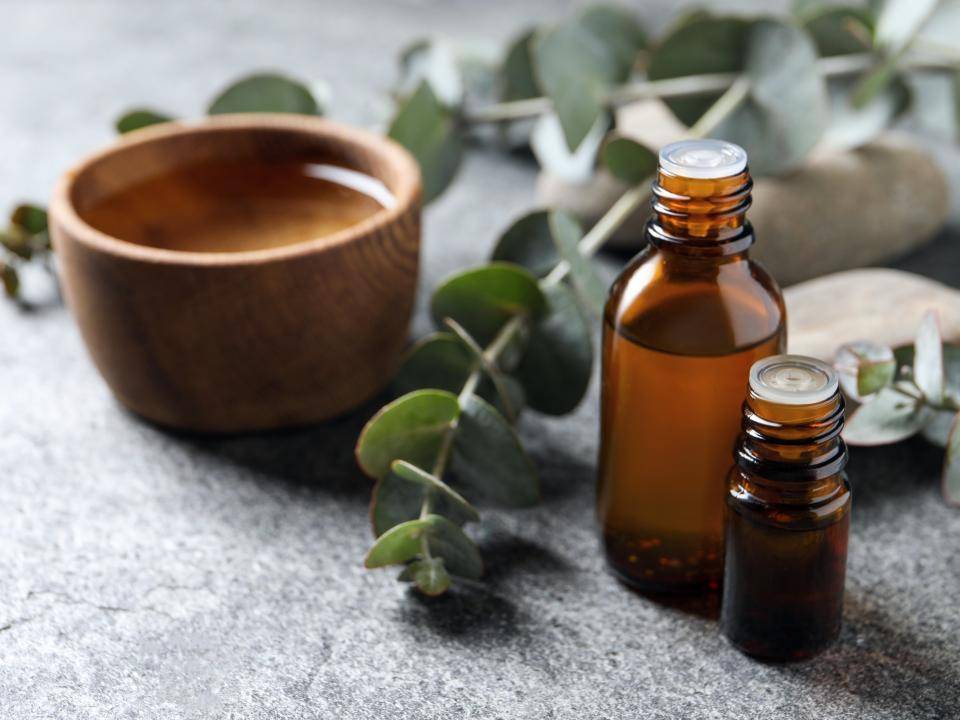
Eucalyptus has many uses, from floral arrangements to medicinal, aromatic and industrial applications. These are the most common:
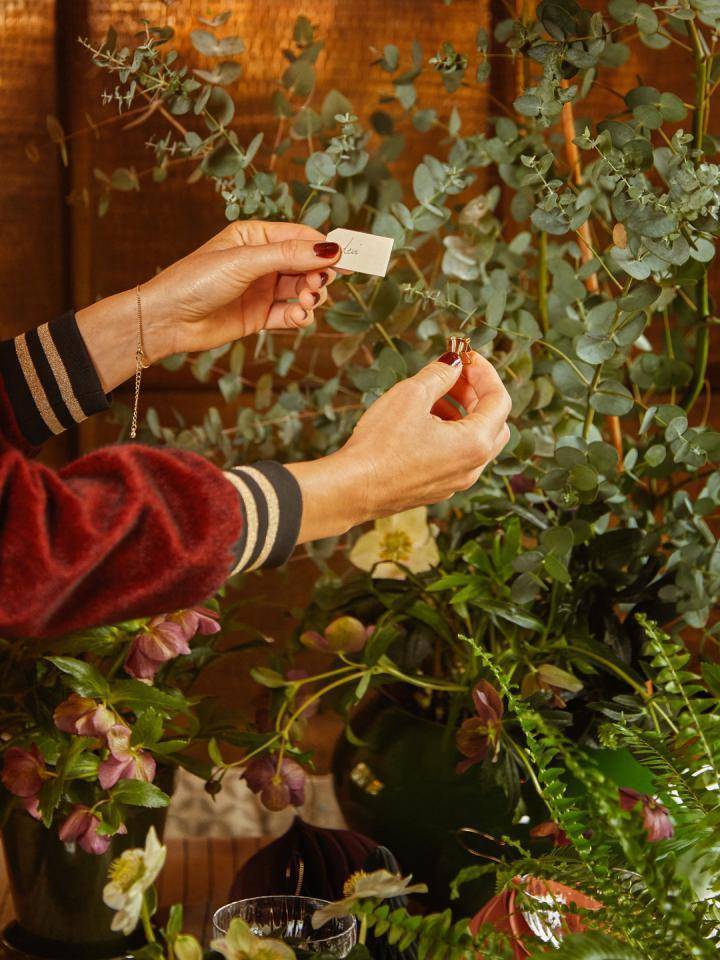
- Eucalyptus for decoration: The leaves of Eucalyptus, particularly Eucalyptus gunnii, are often used in floral arrangements and bouquets for their attractive silvery-blue colour and pleasant scent. They are especially popular in bridal bouquets, wreaths and table arrangements. Fresh or dried, they are also often used to decorate interiors, for example in glass vases.
- Eucalyptus for medicinal purposes: Oil extracted from Eucalyptus leaves has anti-inflammatory, antibacterial and diuretic properties. It is often used in cold remedies, ointments and balms intended to ease breathing, and oral-care products.
- Eucalyptus in traditional medicine: Traditionally, the leaves have been used to relieve pain, reduce fever and treat wound infections.
- Eucalyptus in aromatherapy: Eucalyptus is often used in aromatherapy for its refreshing, calming scent. It is used to ease stress and encourage relaxation. The oil is also used in candles and diffusers to create a soothing atmosphere.
- Eucalyptus for industrial uses: Eucalyptus trees are used around the world to make furniture, flooring and paper.
- Eucalyptus as an insect repellent: Eucalyptus oil is used as a natural way to repel insects such as mosquitoes. It is often found in sprays, lotions and candles. It is sometimes used in pet products to deter fleas and ticks, too. Be aware that high concentrations and excessive use are toxic to pets.
- Eucalyptus for culinary purposes: Bees that collect nectar from Eucalyptus flowers (which bloom in summer) produce a distinctive honey with its own flavour and traditionally valued soothing properties, for example for sore throats.
Pruning Eucalyptus: when and how?
Pruning helps Eucalyptus grow well and keeps it in shape. After all, it grows very quickly! There are two ways to prune Eucalyptus:
- Pruning to shape: In early spring (March), you can cut back your Eucalyptus to give it the shape you want. Shorten long shoots to the desired height and remove any dead growth at the same time.
- Maintenance pruning: Regularly removing dead and damaged leaves and branches helps keep your Eucalyptus healthy and looking its best.
Want to know more about pruning trees, the basic rules and the different types of pruning? Read all about it in this article.
Is Eucalyptus hardy?
Yes. Eucalyptus gunnii is the hardiest of the commonly grown species and, once planted in the ground and well established, can withstand temperatures down to around −15°C. Young trees are more vulnerable, and container-grown plants more so.
- In the ground: In mild areas, a layer of leaves or straw over the roots provides enough winter protection; during prolonged frosts, protect the crowns of young trees with horticultural fleece.
- In a container: Wrap the container in bubble wrap or hessian and place it against a sheltered wall. Outside areas with particularly mild winters, it is better to overwinter it somewhere bright and frost-free at 5 to 10°C.
- Most other species are not hardy, including Eucalyptus globulus and Eucalyptus citriodora, as well as all red-flowering species.
Is Eucalyptus evergreen?
Eucalyptus is evergreen, meaning it keeps its leaves all year round, whether it grows as a shrub or a tree.
Can you grow Eucalyptus indoors as a houseplant?
Eucalyptus can make a suitable houseplant if you choose the right species and care for it well. Eucalyptus gunnii and Eucalyptus citriodora are the best choices for growing indoors, thanks to their decorative leaves, relatively compact growth and pleasant scent. Here are some tips for caring for Eucalyptus as a houseplant:
- Put your Eucalyptus in a sunny spot, ideally near a south- or west-facing window. Make sure it gets at least 6 hours of sunlight a day.
- Eucalyptus likes moist soil. Let the compost dry out slightly between waterings. Avoid overwatering, as this can cause root rot.
- Use free-draining compost and choose a pot with drainage holes so excess water can escape.
- Eucalyptus grows quickly, so you will need to repot and prune it regularly (in spring).
- Eucalyptus grows best at a room temperature of 18–24°C. Avoid draughts and temperatures below 10°C.
- Some people are sensitive to the strong scent of Eucalyptus. Make sure the room is well ventilated.
Is Eucalyptus poisonous?
Yes, Eucalyptus is poisonous to people, dogs and cats, depending on how much is ingested. The leaves and oil can cause nausea, vomiting and diarrhoea in larger amounts; pets may also become weak and disorientated. Pure Eucalyptus oil can irritate sensitive skin and should not be taken by mouth without professional guidance.
The symbolic meaning of Eucalyptus
Eucalyptus has several symbolic meanings. These associations go back a long way and are rooted in the plant’s striking qualities and many uses.
- The fast growth of Eucalyptus and the constant renewal of its bark make it a symbol of strength, growth and vitality.
- The refreshing scent of Eucalyptus is associated with positive energy, purification and cleansing, both physical and spiritual. Some believe that burning a Eucalyptus leaf in a place clears away negative energy.
- Because of its medicinal properties, Eucalyptus also symbolises protection and healing.
- For Aboriginal peoples, Eucalyptus is a sacred tree. It represents the division between the underworld, the earth and the sky.
- The calming qualities of Eucalyptus oil make the plant a symbol of peace and relaxation.
Where Eucalyptus comes from
Eucalyptus is native to Australia. Aboriginal peoples use different parts of the tree for a range of purposes, including remedies and the construction of shelters and tools.
Australia is home to a wide variety of Eucalyptus species, from small shrubs to large trees. This diversity makes Eucalyptus one of the most common types of tree in Australia and an important part of its landscape and ecosystems. Eucalyptus is also native to areas around Australia, including Tasmania, Indonesia and the Philippines.
Early European explorers in Australia, including Captain James Cook in the late 18th century, saw how Aboriginal peoples used Eucalyptus leaves. This sparked Western settlers’ interest in the plant. By the mid-19th century, Eucalyptus had been introduced to the United States, South Africa and Europe. Interest rose rapidly, particularly in the late 19th century, because of its medicinal properties, the trees’ fast growth and the commercial potential of the timber.
Eucalyptus was then planted increasingly in botanical gardens and on estates, especially in countries such as Spain, Portugal and Italy, where the climate suited it. Today, Eucalyptus is popular worldwide, particularly for its ornamental appeal and many practical uses.
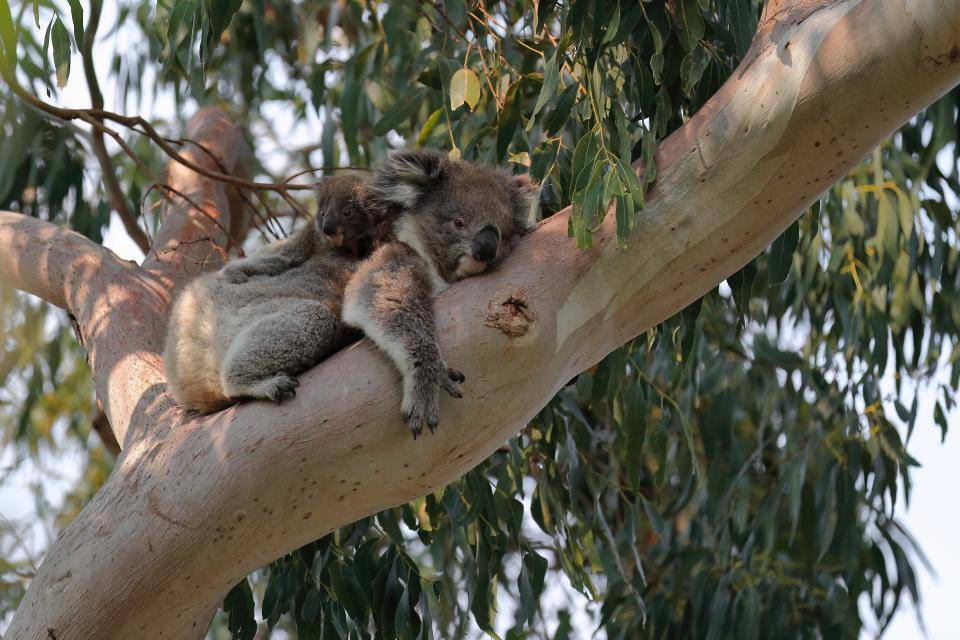
Fun fact: Koalas and Eucalyptus
Koalas and Eucalyptus are closely linked because Eucalyptus leaves are the Koala’s main food source. For most animals, the leaves are inedible or poisonous (they are hard to digest and contain few nutrients), but Koalas have adapted to eat them. They have a very long caecum and low energy needs because they sleep for most of the day. Koalas also get most of the moisture they need from Eucalyptus leaves and rarely drink water. In fact, the name “Koala” is said to mean “animal that does not drink” in an Aboriginal language.
Frequently asked questions about Eucalyptus
Is Eucalyptus hardy?
Once planted in the ground and established, Eucalyptus gunnii is hardy down to around −15°C. In a container, it needs protection or a bright, frost-free place to spend the winter.
How quickly does Eucalyptus grow?
Eucalyptus gunnii grows 50 to 100 centimetres a year.
When should you prune Eucalyptus?
Prune it to shape in early spring, usually in March, before new growth begins.
Is Eucalyptus poisonous to cats?
Yes. The leaves, bark and oil are poisonous to cats and dogs and can cause vomiting, diarrhoea and weakness.
Can Eucalyptus grow in a pot?
Yes, in a large container with good drainage. It will usually stay around 2 to 3 metres tall and needs regular pruning.