

Written by
Tommie
Directly to
- What is vertical gardening?
- How to start vertical gardening. A practical beginner’s guide
- How to choose the right plants for vertical gardens?
- The best plants for vertical gardening
- Vertical garden systems. From ready-made to DIY solutions
- Vertical gardens for small spaces. Balcony, garden and indoor walls
- More inspiration for vertical gardening
Small outdoor spaces are a familiar story. You look at your balcony, that narrow garden strip or that plain wall and think: charming, yes, but surely this will never resemble those lush, leafy spaces in glossy magazines.
Yet the limitation rarely lies in the square metres themselves. It sits in how we see them. We look horizontally, as if greenery only belongs at ground level. Meanwhile, nature has always shown us that gardens thrive in layers. From mosses to climbers wrapping themselves around tree trunks. Real space reveals itself upwards.
That is what vertical gardening does. It lifts your plants. It turns brick, timber and fencing into living texture. A balcony becomes a tiny urban jungle. A wall becomes a cool, welcoming stop-off for bees and butterflies. And you? You feel richer, even with the smallest patch to play with.
What is vertical gardening?
The idea is beautifully simple. Instead of planting only at ground level, you let plants climb, cascade or rise in tiers. Use what you already have, whether a wall, a fence, a shelf, a ladder or a length of rope. Plants gain height, your view gains depth, and your outdoor space suddenly feels layered and alive.
It is not only lovely to look at. It genuinely works.
Vertical planting offers privacy without a heavy fence. It cools walls, softens hard edges and improves air quality. Most surprisingly, it makes the space feel larger, not smaller, the more it fills out. As though you have gained an extra room outdoors.
Want broader inspiration for small gardens first? Have a look here

How to start vertical gardening. A practical beginner’s guide
Start with one square metre. Truly. That is enough to see magic and avoid mistakes.
- Notice which spots get sunshine and which stay cool
• Pick plants based on light first, then choose containers
• Begin with one wall or corner
• Use lightweight pots and strong fixings
• Remember watering. Elevated pots dry out more quickly
Small steps bring confidence, save money and keep gardening joyful.
And a gentle reminder: not every surface wants to become a jungle immediately. Water, wind and weight matter. Begin thoughtfully and let the space guide you.
How to choose the right plants for vertical gardens?
Vertical gardening is not about gadgets. It is about looking. Where does the sun linger? Which corner stays in shade? Let light be your guide rather than product trends. Observe first, plant second. It sounds deceptively simple, yet it avoids disappointment and keeps your compost bin free of “unlucky experiments”.
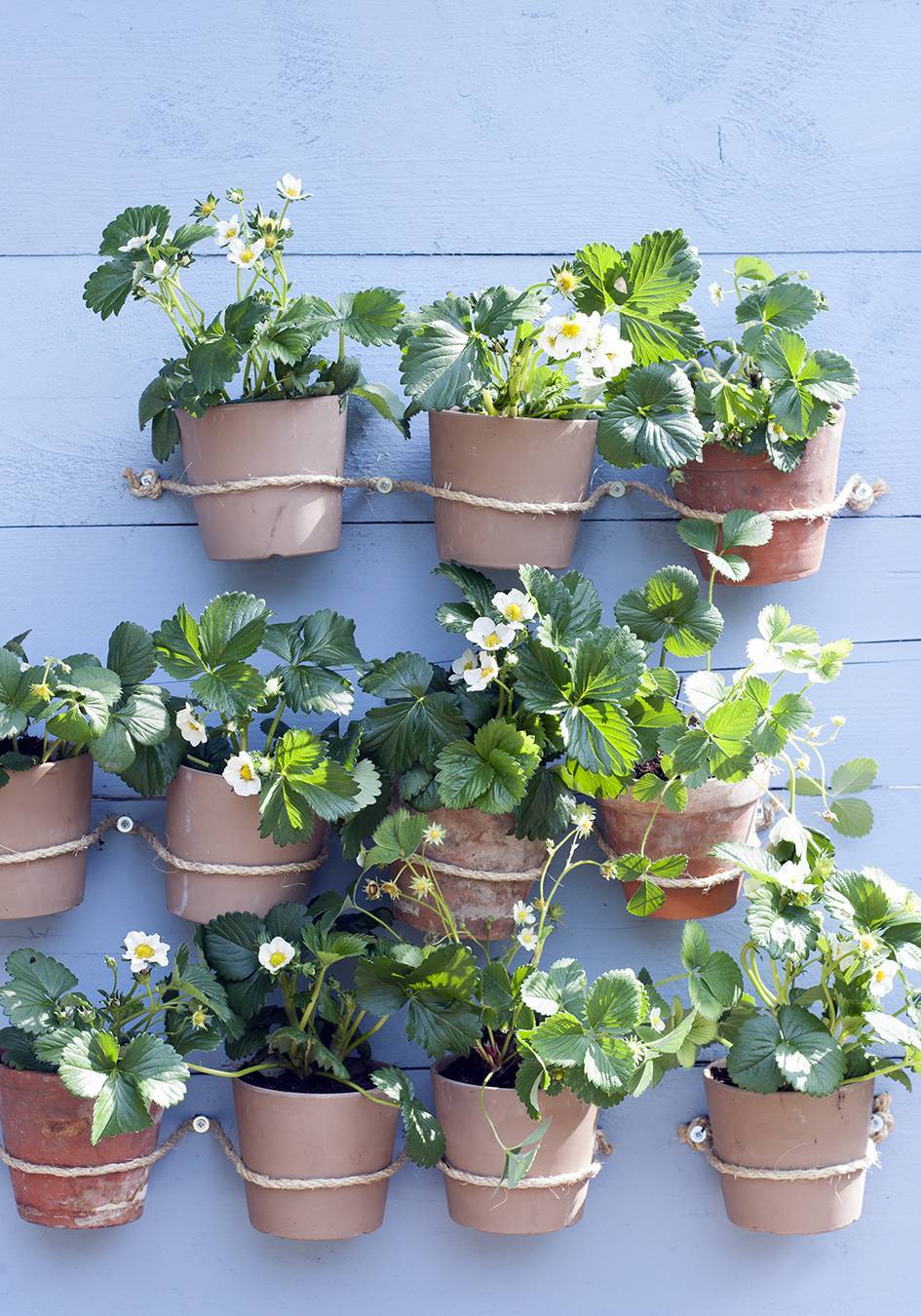
Sunny spots suit Mediterranean characters. Rosemary enjoying dry feet and a breeze. Thyme, preferring warmth to rain. Basil drinking in sunshine. Strawberries happily dangling.
Shadier corners invite a different cast. Hostas with theatrical leaves catching low light. Busy Lizzie blooming quietly where others give up. Clematis, climbing with cool roots and sun-seeking leaves.
Watering needs attention. Pots high up dry quickly, and metal warms fast. You will move things, adjust, learn and try again. That is gardening. Slow satisfaction.
The best plants for vertical gardening
- Climbers
• Ivy (evergreen and unfazed by anything)
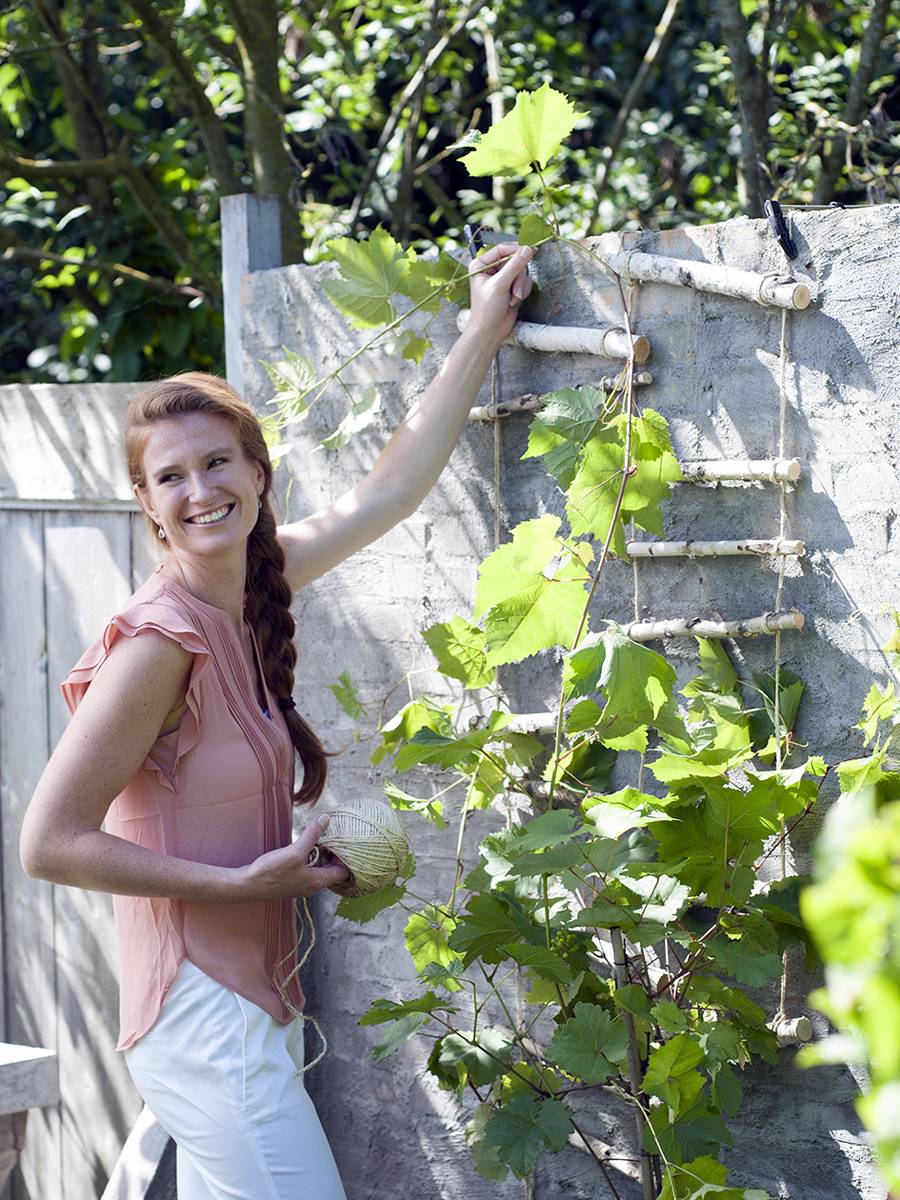
• Clematis (sun on leaves, cool roots)
• Honeysuckle (fragrance, bees, butterflies)
• Winter jasmine (cheerful winter colour) - Edible
• Mint (in its own pot, grows enthusiastically)
• Basil (sun lover)
• Thyme & rosemary (warmth, dry soil)
• Strawberries (perfect for trailing)
• Leafy greens like lettuce, pak choi, spinach (quick results) - Hanging
• Sedum (happy with little water)
• Dichondra ‘Silver Falls’ (silver waterfall effect)
• Hosta (lush foliage for shade) - Flowering for atmosphere
• Pelargonium (vibrant colour in the sun)
• Busy Lizzie a.k.a. Impatiens walleriana (a true shade hero)
Tip: Choose a mix of plants that complement each other. Think in shapes, heights and textures. A garden comes alive through contrast, not uniformity. A smart seasonal mix ensures there is always something happening. Spring, summer, autumn and even winter will each bring their own bit of life.
Vertical garden systems. From ready-made to DIY solutions
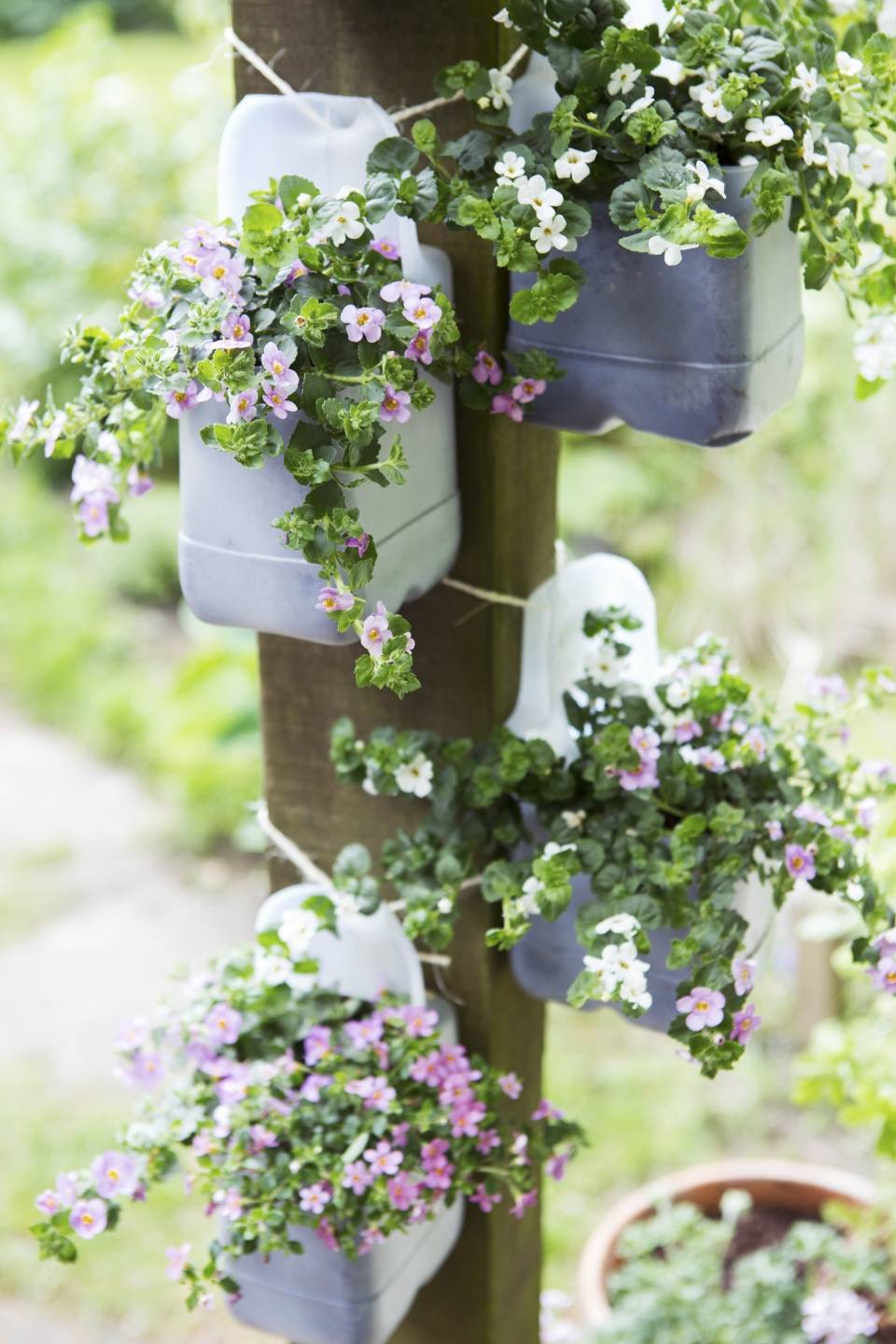
Vertical gardens do not need high-tech panels and irrigation apps. They can be gorgeous, yes. But magic often lives in simple ideas. A row of shelves. Stacked wine crates filled with herbs. A ladder turned into a green tower. A sanded pallet becoming a pocket garden.
Let plants trail, tumble and mingle. Mix big, bold leaves with fine tendrils. Combine edible and ornamental. Let it feel playful rather than perfect.
Just keep an eye on two things: metal pots heat up quickly, and every hook must be safely fixed. Once those basics are right, character arrives naturally.
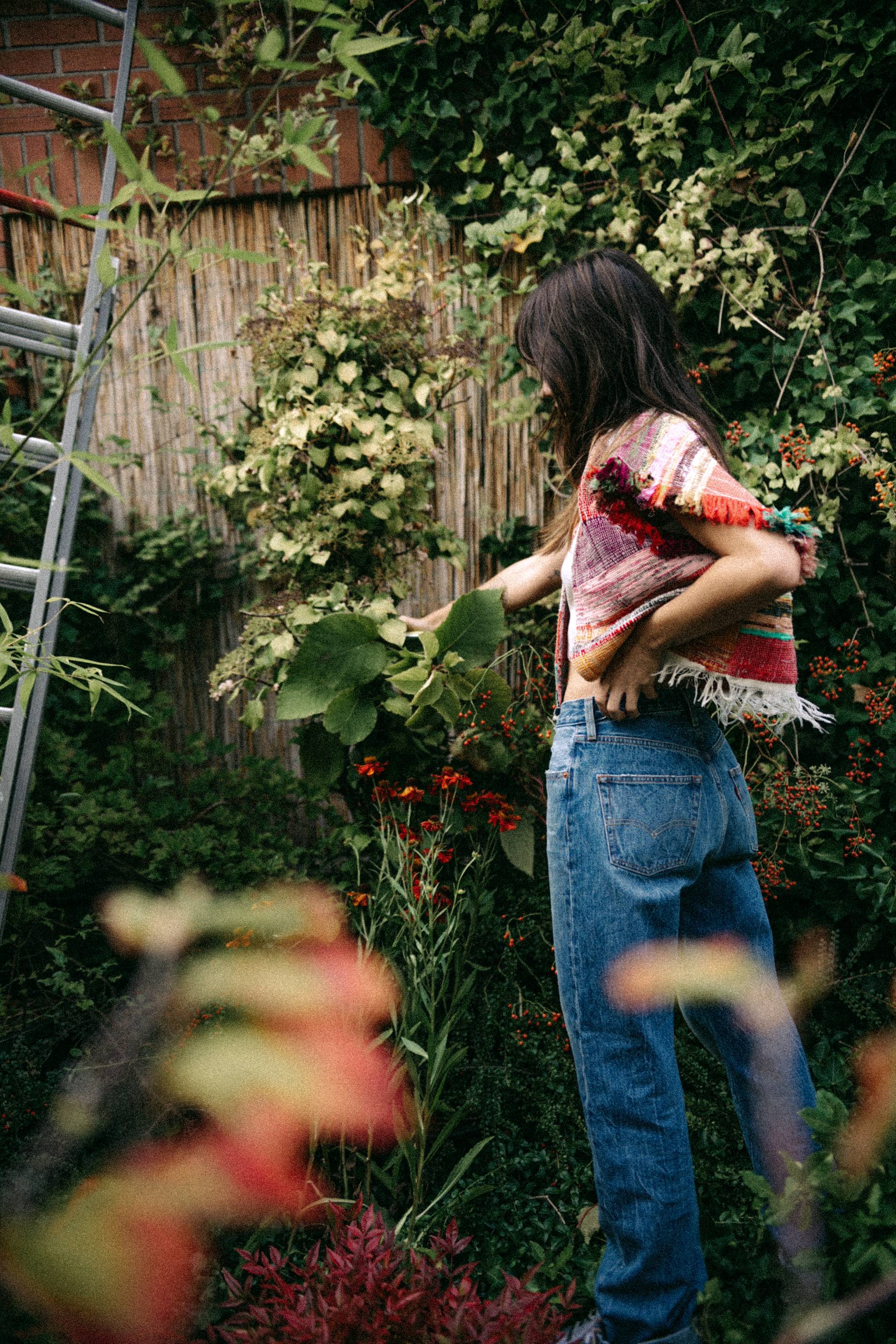
Vertical gardens for small spaces. Balcony, garden and indoor walls
Vertical planting will not transform your whole street overnight. But it softens the world immediately around you. A wall of jasmine feels kinder than bare brick. You notice birds visiting, hear gentle buzzing, enjoy cooler walls on warm days. And often someone walking past will smile and say your balcony looks wonderful. Sometimes that is all it takes.
More inspiration for vertical gardening
Ready to begin or expand your outdoor space?
Explore ideas for vertical gardens, herbs and edible flowers.
Whether you garden in sunshine or shade, inspiration is waiting.
One shelf, one plant, one step at a time.