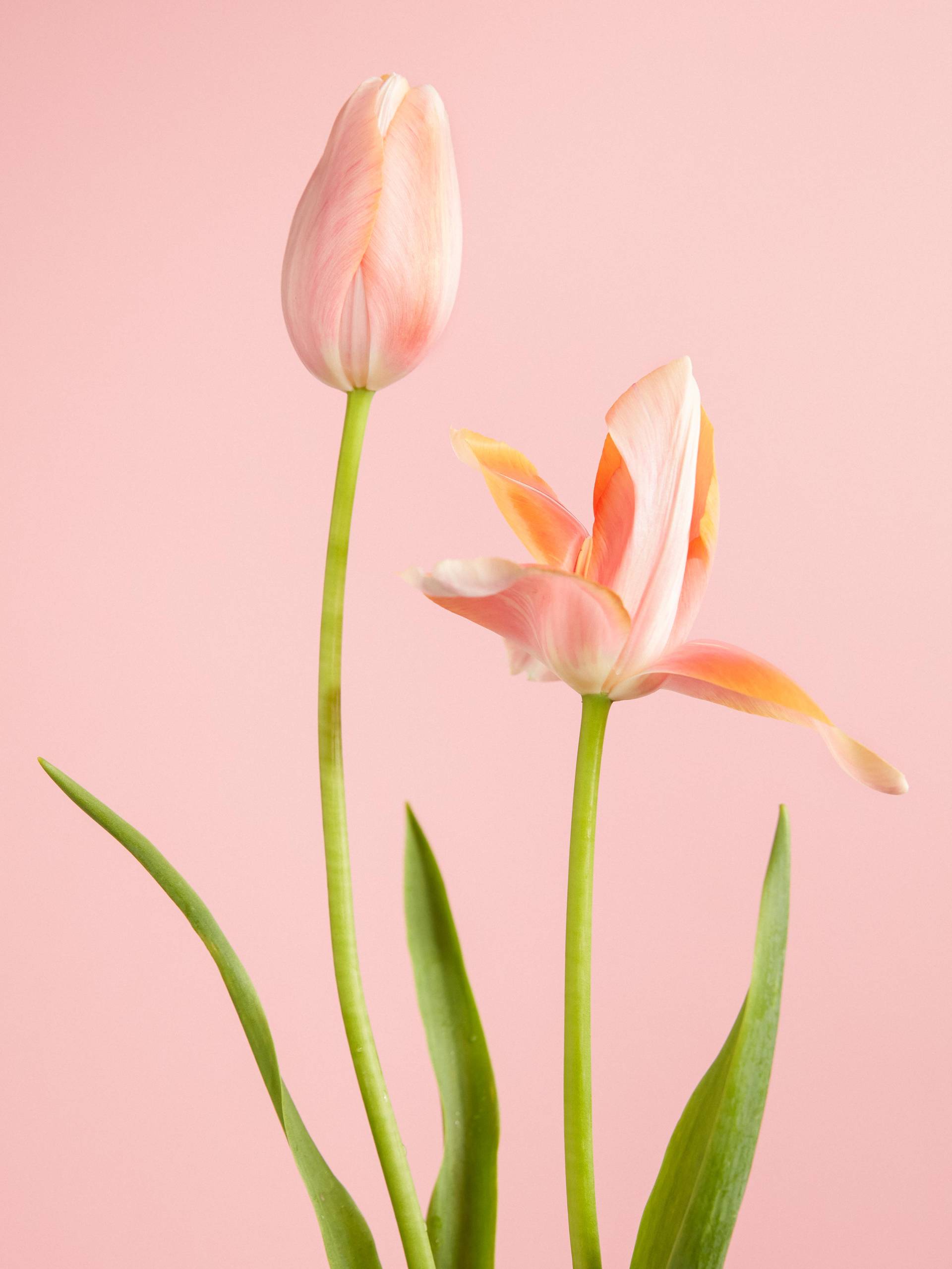
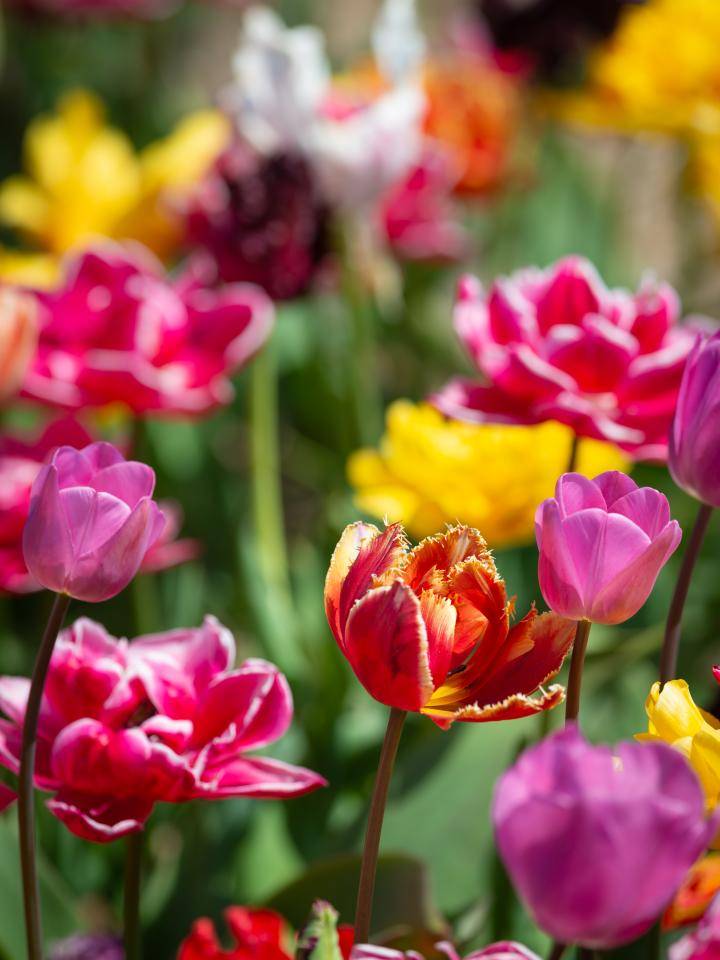
Flower bulbs are the promise of colour. You put an unassuming little bulb in the ground, almost forget about it, and then suddenly a Tulip, Daffodil or Crocus pops up as if it’s the most natural thing in the world. And honestly? It sort of is. Because planting flower bulbs is easier than you think, even if you’ve never got your hands dirty before. Here you’ll find everything you need to know: when to plant, how deep, which way up, and what to do once the flowers have finished blooming.

What is the difference between a bulb and a tuber?
Lots of people don’t distinguish between flower bulbs and tubers, and that’s fine, because in practice they work in almost the same way. Still, there is a small difference. A true bulb, like that of a Tulip, Daffodil or Hyacinth, consists of layers wrapped around each other a bit like a mini Onion. A tuber, like that of a Dahlia or Gladiolus, is more compact and looks more like a Potato or Celeriac. Both bulbs and tubers store nutrients to help the plant through a dormant period. And both reward you with beautiful flowers if you put them in the ground at the right time.

Which flowers grow from flower bulbs or tubers?
The list is longer than you might think. Well-known spring bloomers that grow from a true bulb include the Tulip, Daffodil, Hyacinth, Crocus, Snowdrop and Grape Hyacinth. For summer, there are the Dahlia and Gladiolus, both tubers, as well as the Calla and Allium. Lilies are a story of their own: they grow from scales that together form a bulb and flower in summer. In short: for almost every season, every colour and every garden style, there is a flower bulb that fits.

When should you plant flower bulbs?
This is the question most people wonder about, and the answer depends on when you want to enjoy the flowers. The rule of thumb is simple: you always plant one or two seasons ahead.
Spring-flowering bulbs: plant from september to december
Want to enjoy Tulips, Daffodils, Hyacinths or Crocuses in spring? Then the bulbs need to go into the ground in autumn, from september through to december, before the first night frost. The sooner the better: the bulbs need that cold period in order to bloom in spring. If you plant in October, that is ideal for most varieties.
Summer-flowering bulbs: plant in april and may
Dahlias, Gladioli and Callas are frost-sensitive and should only go into the ground once the risk of night frost has passed. In the Netherlands, that is usually from mid-april to may. Planting too early is a real risk here: one hard night frost and your tubers are done for.

How to plant flower bulbs: the basic rules
No green fingers required, just a few basic rules. And they are easier to remember than you might think.
How deep should you plant flower bulbs?
The golden rule: plant a bulb two to three times as deep as the bulb is tall. So a bulb that is 5 centimetres high should go at a depth of 10 to 15 centimetres. Does the packaging give a specific depth? Follow that. Planting too shallow is the most common mistake, and bulbs planted a little too deep are much better off than bulbs planted too shallow.
Which way up should a flower bulb go?
The point goes up, the flat side with the roots goes down. With most bulbs, this is clearly visible. Not sure? Planting it at a slight angle is fine too, nature will find its way.
How far apart should you plant flower bulbs?
As a guideline, keep a planting distance of two to three times the diameter of the bulb. Tulips can be planted a little closer together for a fuller effect, while Dahlias need more space. Again, check the packaging for the recommended spacing for each variety.
After planting
Water the bulbs straight after planting. This encourages them to make roots, and the sooner those roots are there, the better the bulb can cope with the cold.

What do you do with flower bulbs after flowering?
Your flowers have finished blooming. Now what?
Cut off the spent flowers as soon as they have wilted. That way, the bulb stops putting energy into making seed pods and focuses on strengthening itself instead. Do leave the leaves and stem in place until they have turned completely yellow and died back. However untidy it may look, those leaves are still pumping nutrients back into the bulb. Cutting them off too soon really is a shame. After that, it depends on the type:
- Daffodils, Snowdrops and Crocuses can simply be left in the ground. They will come back by themselves next year and even spread.
- Tulips and Hyacinths are better lifted from the ground once the foliage has died back. Store the bulbs, without leaves, somewhere dry, dark and airy in a basket or jute sack, and plant them again in autumn. Important: gently knock off the soil, but don’t get them wet before storing.
- Summer bloomers such as Dahlias and Gladioli are frost-sensitive and need to be lifted before the first night frost. Store the tubers in a frost-free, dark place until the following spring. The same applies here: never wash the bulbs with water before storing. Knocking off the soil with your hands is enough, as water can cause rot. You can store them in a basket or jute sack, but also in a paper bag with holes in it. This allows air to reach them, bulbs and tubers are alive and need oxygen.

Want to learn more about planting in the garden?
Planted your flower bulbs? Then now is the time to discover even more garden inspiration. Read our article on planting garden plants: when and how, for more practical tips on the vegetable patch, perennials and much more. And even if you don’t have a garden but do have a balcony, we’ve got plenty of lovely inspiration for you too.