
Written by
Tommie
Directly to
- Characteristics and flowering
- Which Begonia varieties are there?
- Where should a Begonia be placed? Where should a Begonia be placed?
- Caring for Begonia: water, feeding and humidity
- Propagating Begonia: how do you do it?
- Is a Begonia toxic?
- Common problems when caring for Begonias
- Meaning and symbolism of the Begonia
- Where does the Begonia originally come from?
Soft and full of flowers, or bold with almost graphic foliage. The Begonia has two faces, and both are equally appealing. From compact bloomers to statement leaf plants, this houseplant adapts effortlessly and surprises with colour and character. In this plant guide, you will read everything about care, varieties, propagation, positioning, and the difference between indoor and outdoor Begonias.
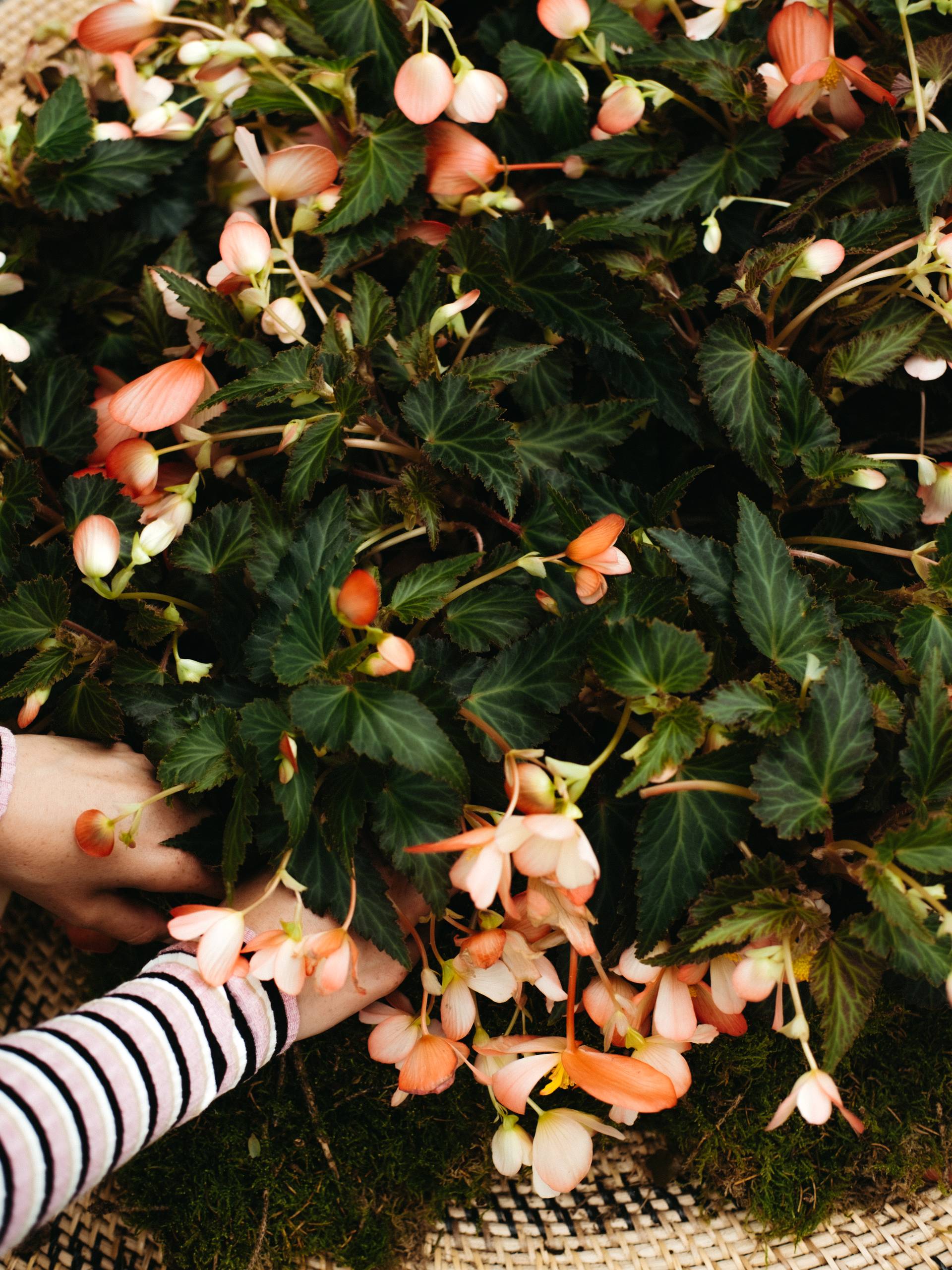
Characteristics and flowering
Begonias are popular as both houseplants and garden plants. They belong to the Begoniaceae family, a remarkably large plant family with more than a thousand known species. Many Begonias feel perfectly at home indoors, such as the flowering Begonia elatior and the various leaf Begonias often seen in living rooms, kitchens and bedrooms. There is also a separate group of Begonias that are better suited to outdoor use, for example in borders, pots and hanging baskets. If you would like to know more about those, you can continue reading in the guide about Begonias as garden plants.
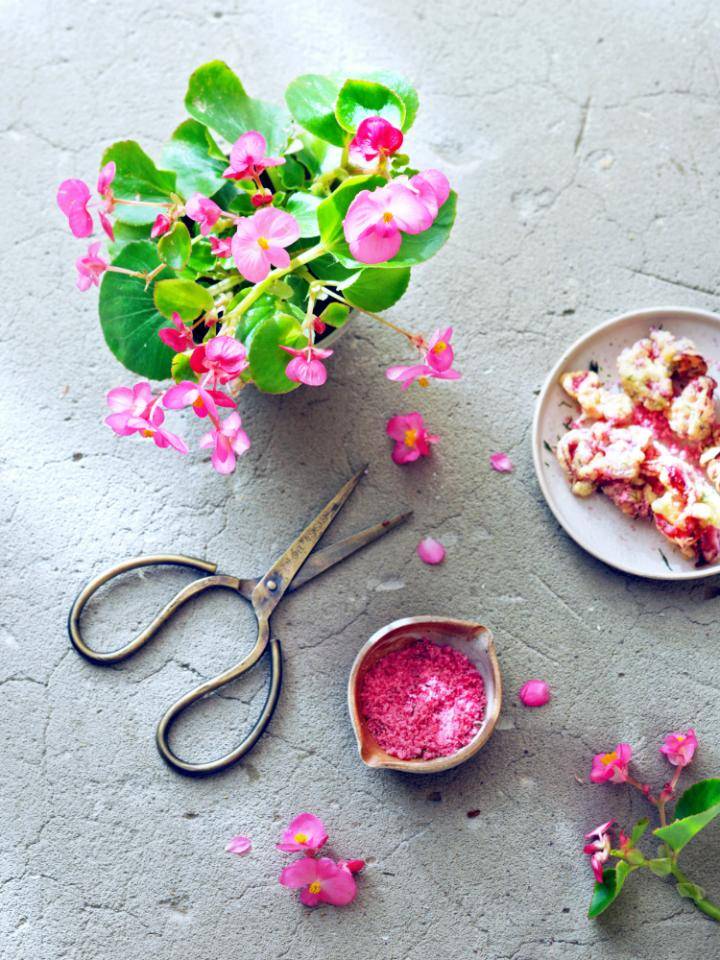
Within the Begoniaceae family, a broad distinction is made between flowering Begonias and leaf Begonias. Flowering types are known for their abundant blooms in colours such as red, pink, orange, white, yellow and a range of two-tone combinations. Leaf Begonias usually flower less noticeably, but stand out for their decorative foliage in shades of silver, burgundy, dark green, light green and purple, often with striking patterns or prominent veins.
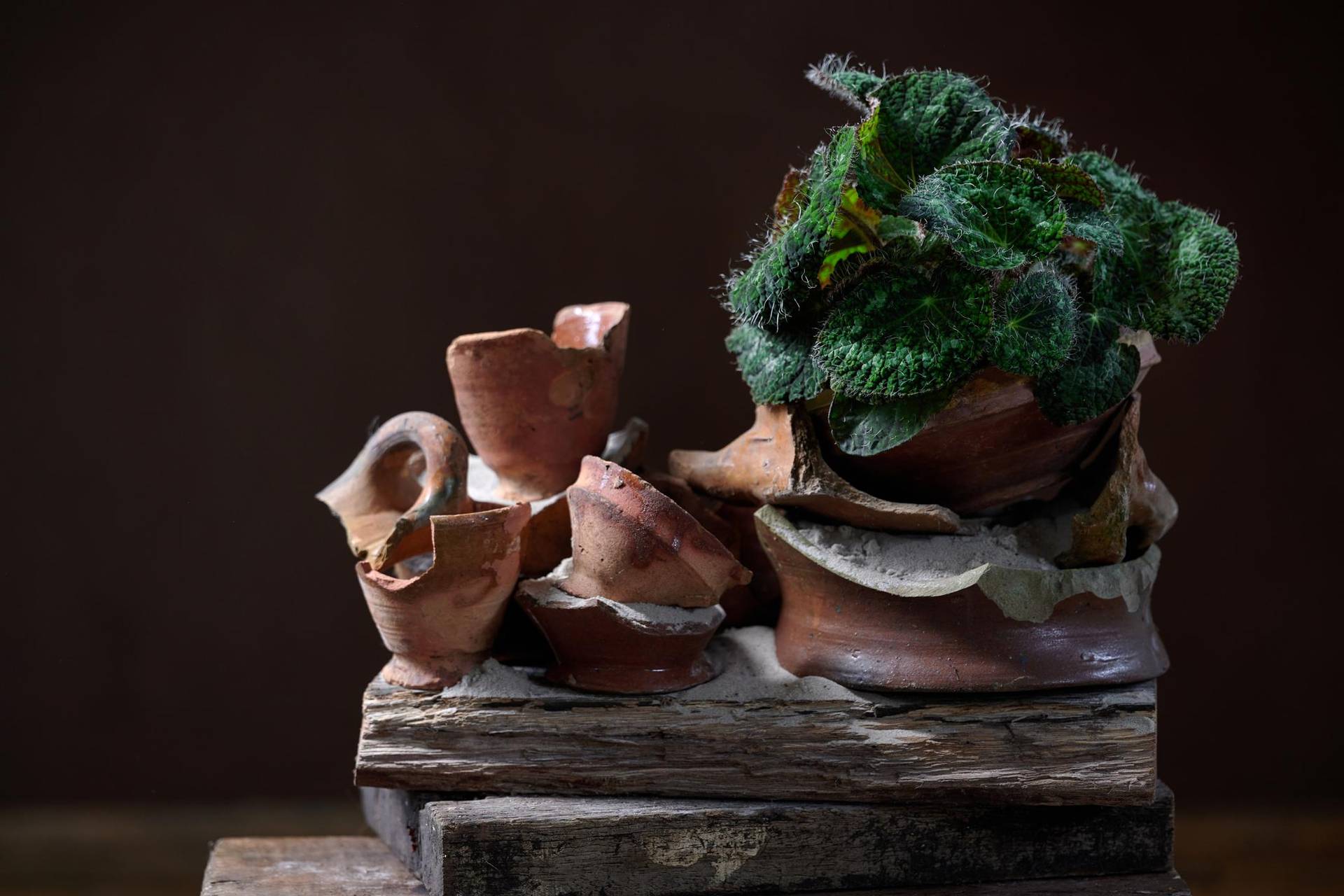
Which Begonia varieties are there?
The world of Begonias is surprisingly vast. The genus includes more than a thousand botanical species, a selection of which has been further developed into popular houseplants. Indoors, you will mainly encounter a number of main groups and hybrid varieties, often in the form of well-known cultivars selected for their flowers, foliage or growth habit.
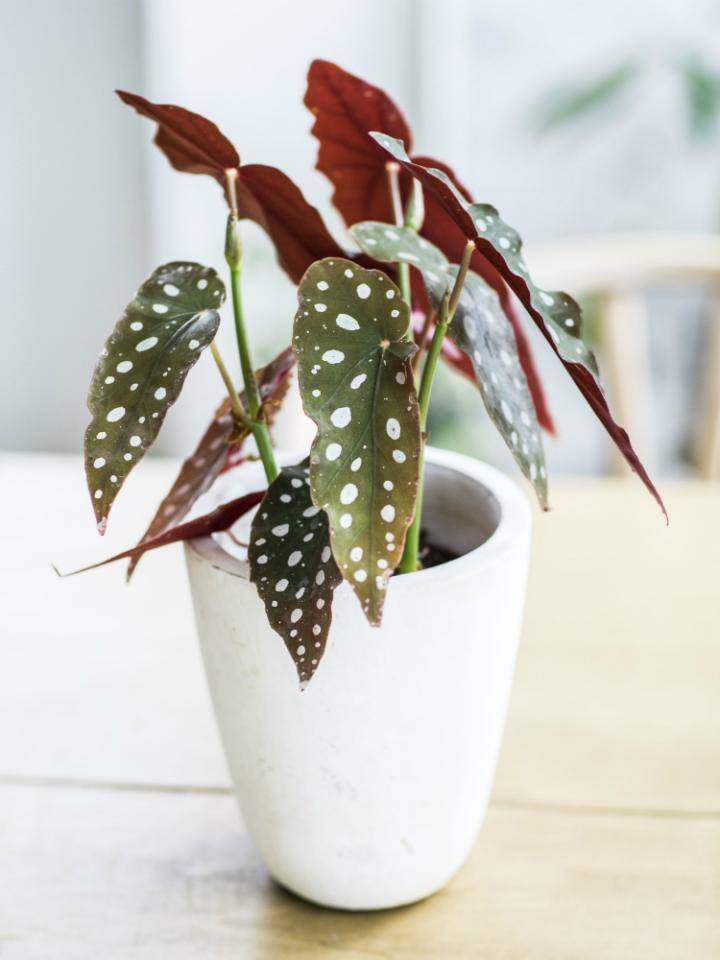
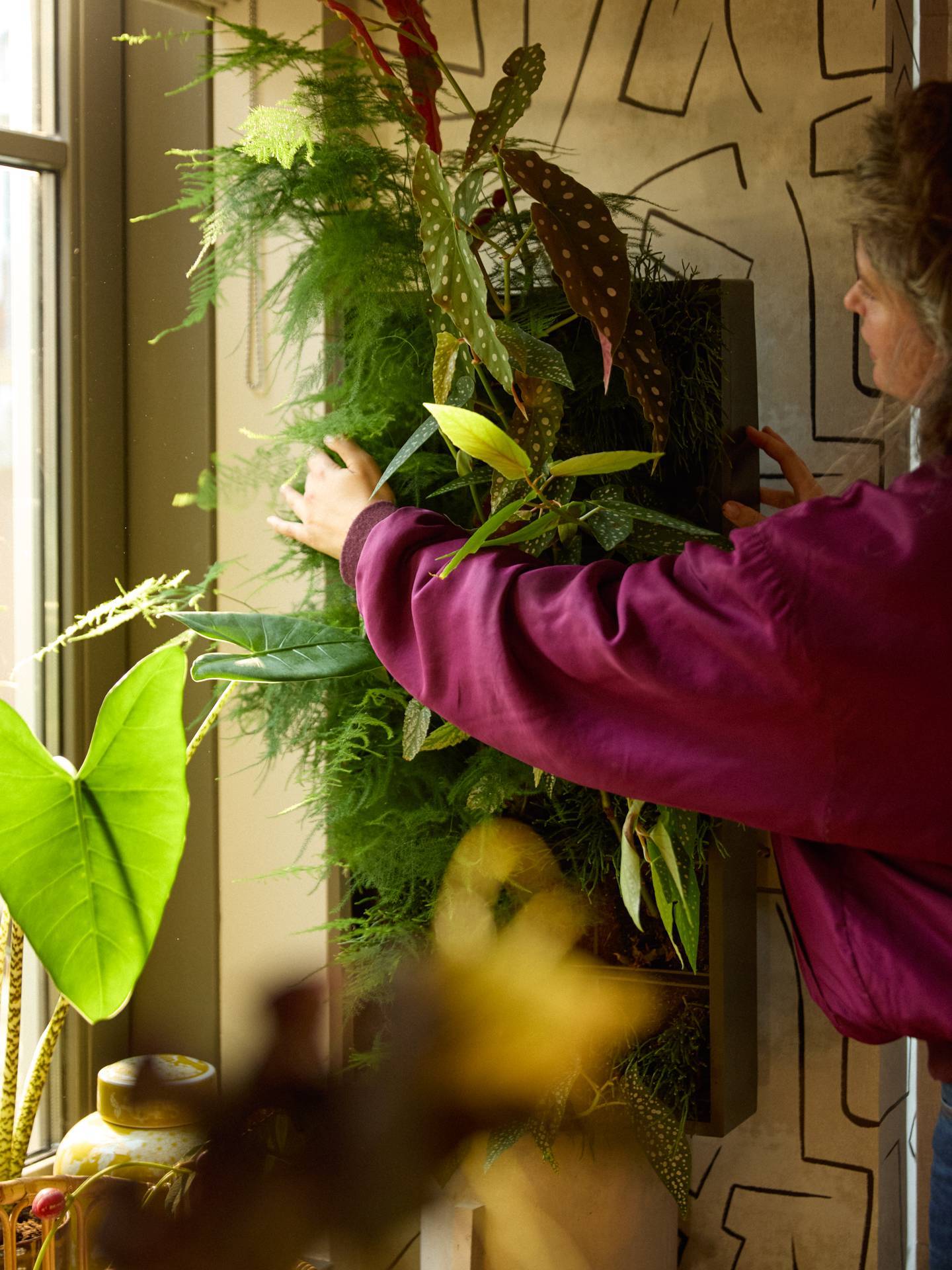
The Begonia maculata with white spots has grown into a real interior favourite in recent years.
Where should a Begonia be placed?
The right position is essential for a healthy Begonia. This houseplant enjoys plenty of light, as long as the sunlight is not too intense. Direct sun can damage the leaves, especially in leaf Begonias with delicate patterns.
Ideally, place a Begonia in a spot with filtered daylight, such as near a north- or east-facing window, or a little further away from a sunny window. Avoid draughts and places with strong temperature fluctuations, such as near an open door or above a radiator.
The ideal indoor temperature for Begonias is between 18 and 22 degrees Celsius. Warm enough for healthy growth, without the plant feeling stressed.
Too little light leads to weak growth and fewer flowers. Too much sun causes leaf scorch.
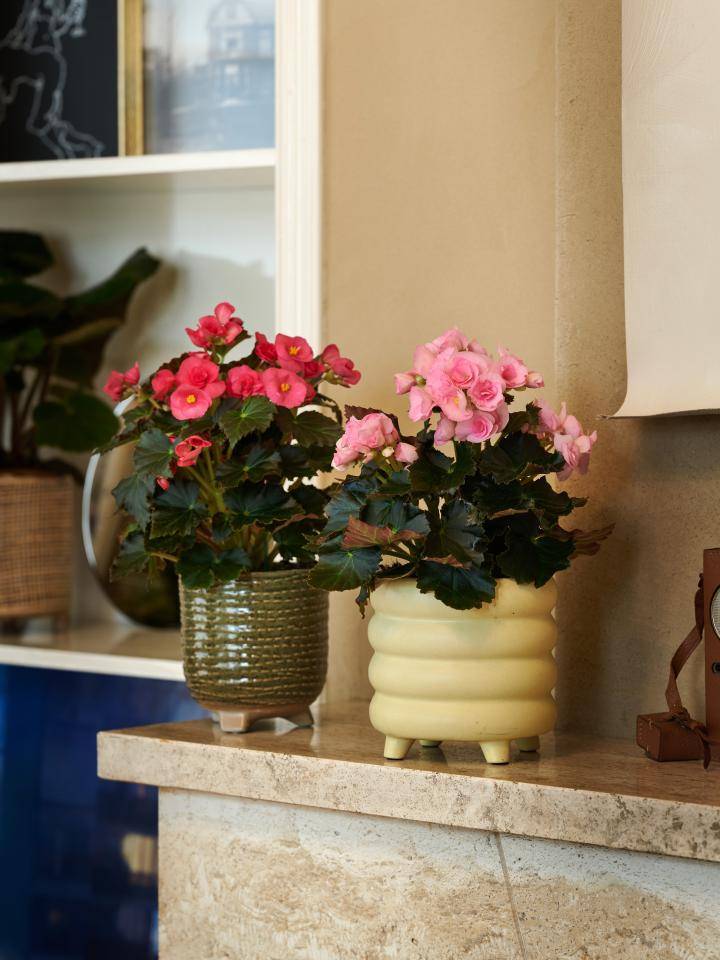
Caring for Begonia: water, feeding and humidity Caring for Begonia. Water, feeding and humidity
Once you have brought a Begonia into your home, you naturally want to take good care of it. With the right watering routine, feeding and attention to humidity, your Begonia will stay healthy and attractive.
Propagating Begonia: how do you do it?
Propagating Begonias is surprisingly easy and quickly produces new plants.
You can propagate a Begonia by:
- Leaf cuttings for leaf Begonias
- Stem cuttings for flowering varieties
Cut a healthy stem or leaf from the parent plant and place it in water or airy propagation compost. After a few weeks, roots will form. You can find a step-by-step guide on plant propagation here.
Is a Begonia toxic?
Begonias are mildly toxic to pets such as cats and dogs. The roots and stems in particular contain substances that can cause stomach upset if ingested. For humans, Begonias are not dangerous when handled normally. If you have pets, it is best to keep the plant out of reach.
Common problems when caring for Begonias
- Limp stems usually mean the plant is not getting enough light.
- Yellow leaves often indicate overwatering.
- Lack of flowers usually means too little feeding or insufficient light.
- Mould on the leaves often points to high humidity combined with wet foliage.
Meaning and symbolism of the Begonia
The Begonia symbolises balance, harmony and caution. Thanks to its versatile character, it is often associated with the balance between sensitivity and strength. In various cultures, the Begonia also represents gratitude and individual beauty.
Where does the Begonia originally come from?
The Begonia originates from warm, humid regions of South America, Africa and South East Asia. In 1690, the French botanist Charles Plumier described the plant for the first time and named it after his patron, Michel Bégon. Since then, the Begonia has grown into one of the most popular ornamental plants worldwide.
The Begonia is named after Michel Bégon, a French plant enthusiast from the seventeenth century.