

Air-purifying plants are houseplants that are believed to be particularly good at absorbing harmful substances from the air and converting them into oxygen. Curious which plants are often described as air-purifying. And wondering how much of an effect you can actually expect from them. You will find out here!
The effect of air-purifying houseplants
Some houseplants have been known as air-purifying for decades. This reputation originates from a NASA study published in 1989, which showed that certain plants, under highly controlled conditions, such as a completely sealed space, were able to absorb harmful substances from the air.
In an everyday home environment, this effect cannot be measured one to one. To achieve a measurable result, you would need to live in a fully enclosed space filled with a very large number of plants. Curious to learn more. You can read more in this article about how air-purifying houseplants work and what effect they really have.
That said, the story behind so-called air-purifying plants goes beyond numbers alone. Above all, these plants symbolise a healthier and more pleasant indoor climate. They bring atmosphere and greenery into your home, help increase humidity, absorb sound and improve acoustics. Plants can also reduce feelings of stress, something we increasingly value in our living spaces. Want to know more? Read more here about the positive effects of houseplants.
Air-purifying plants mainly symbolise a healthier and more pleasant indoor climate.
10 air-purifying houseplants
Which houseplants are best at purifying the air. Below, we have listed ten houseplants that are known for their air-purifying qualities. Not as a hard promise, but as inspiration for anyone who wants to fill their home with greenery that contributes to a fresh look and a comfortable living environment.
1
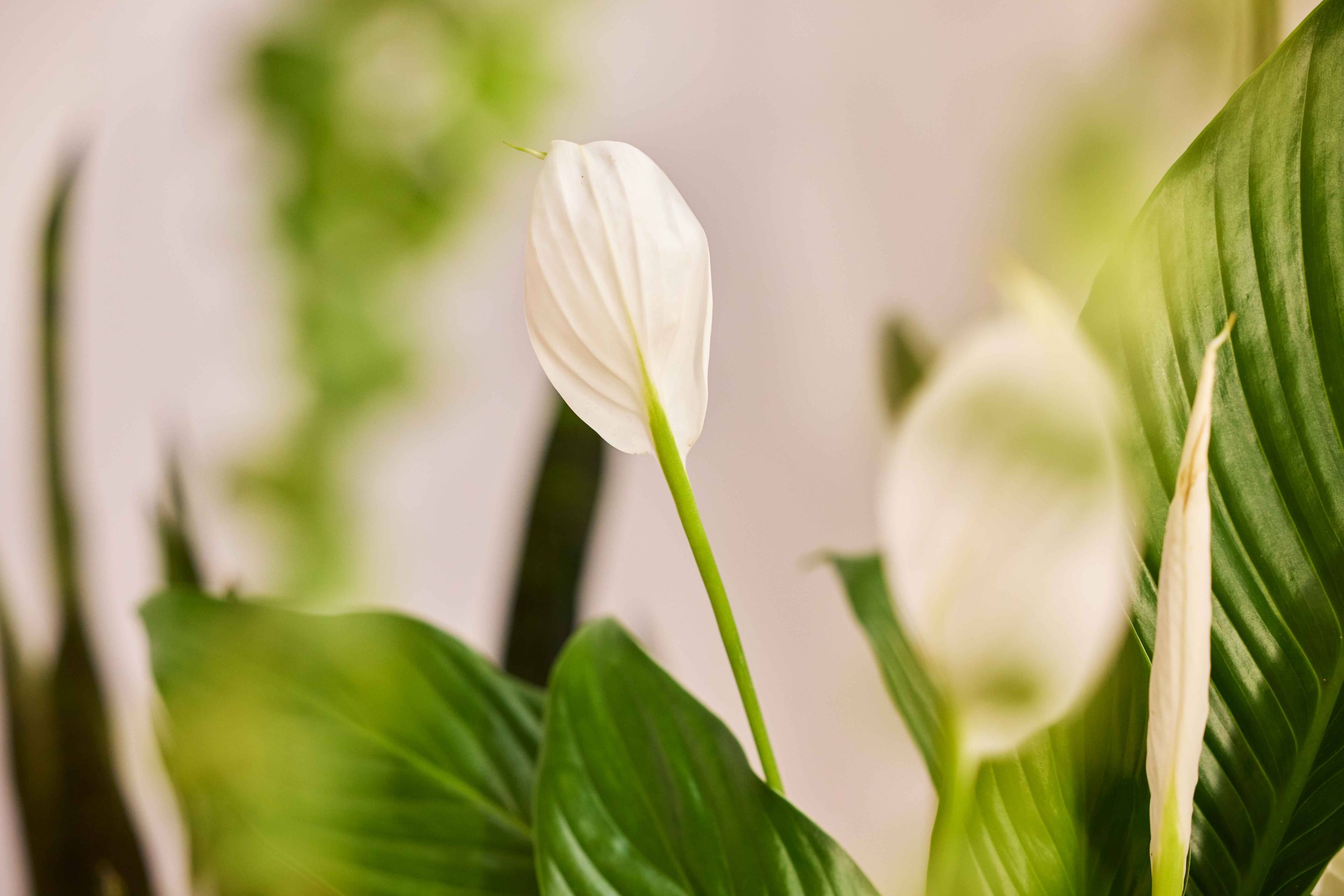
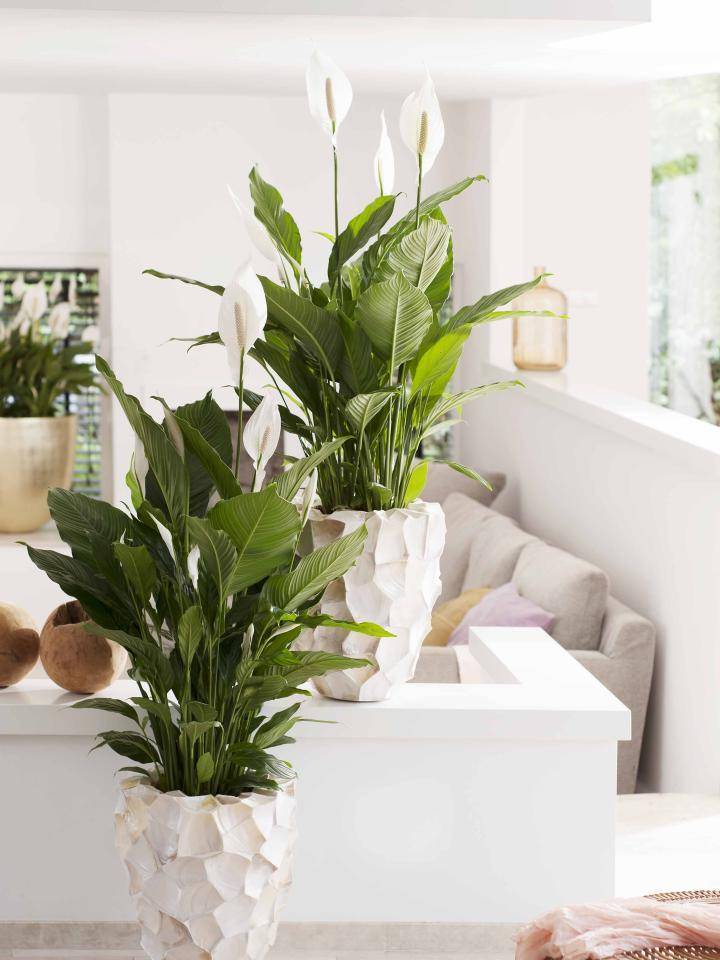
Peace lily (Spathiphyllum)
The Peace Lily is an elegant plant with white bracts and is often mentioned as one of the most air-purifying houseplants. Spathiphyllum helps filter substances such as formaldehyde, benzene and trichloroethylene. Place it in partial shade and keep the compost lightly moist at all times.
2
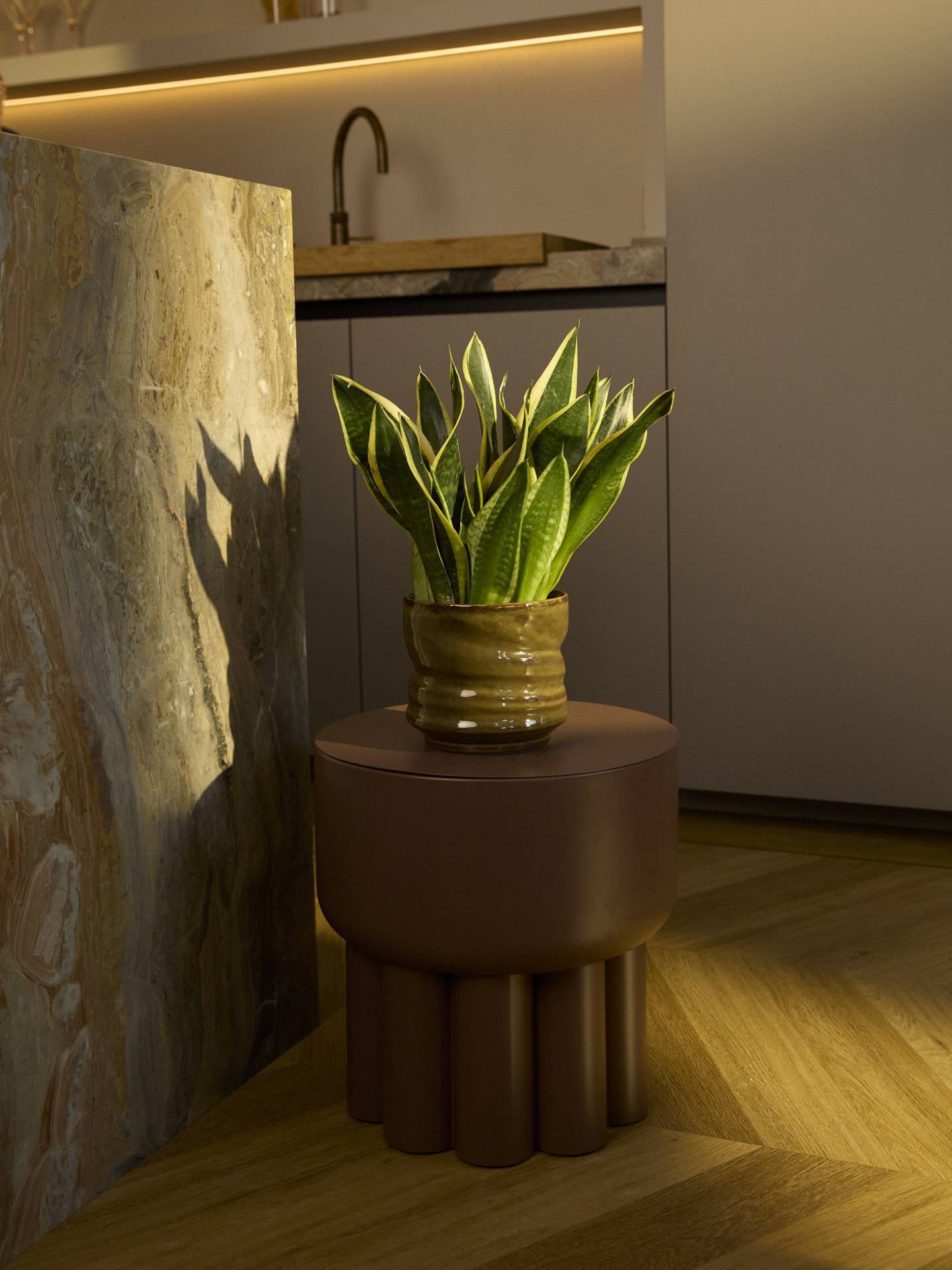
Snake plant (Sansevieria)
The Snake plant has sturdy, upright leaves that grow straight from the soil. This desert plant is one of the few plants that releases oxygen at night instead of during the day, which makes it ideal for the bedroom. The snake plant requires very little care and thrives in both bright and darker spots around the home.
3
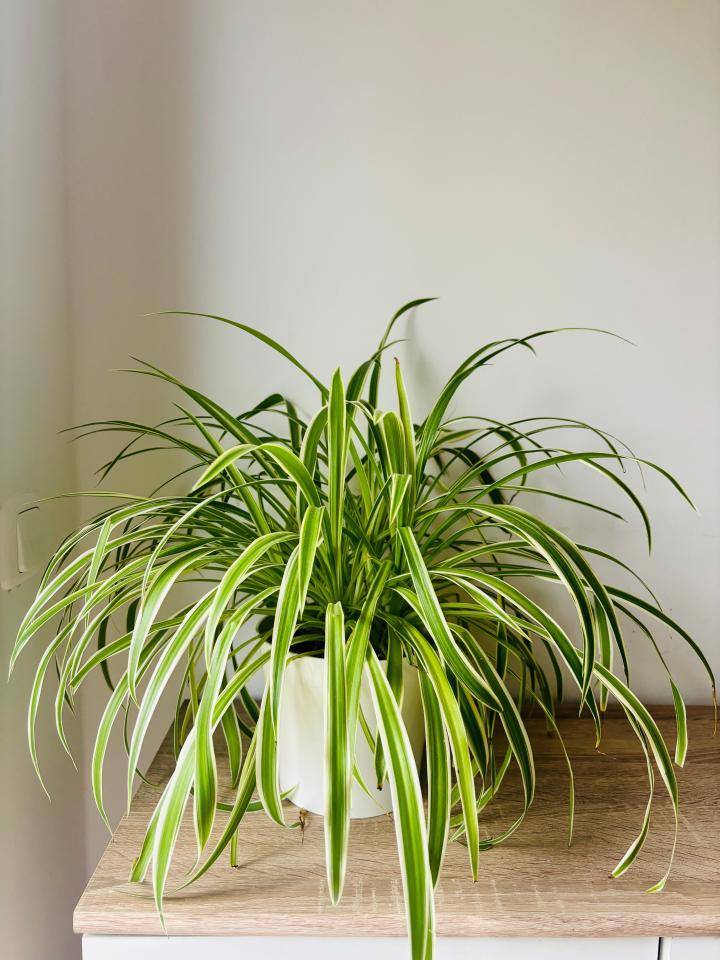
Spider plant (Chlorophytum)
The Spider plant is recognisable by its fresh green, spiky leaves. It helps remove substances such as formaldehyde and carbon monoxide from the air. It is also popular as a hanging plant and is extremely easy to care for. Lots of light or very little. Both work perfectly well for this green air freshener.
4
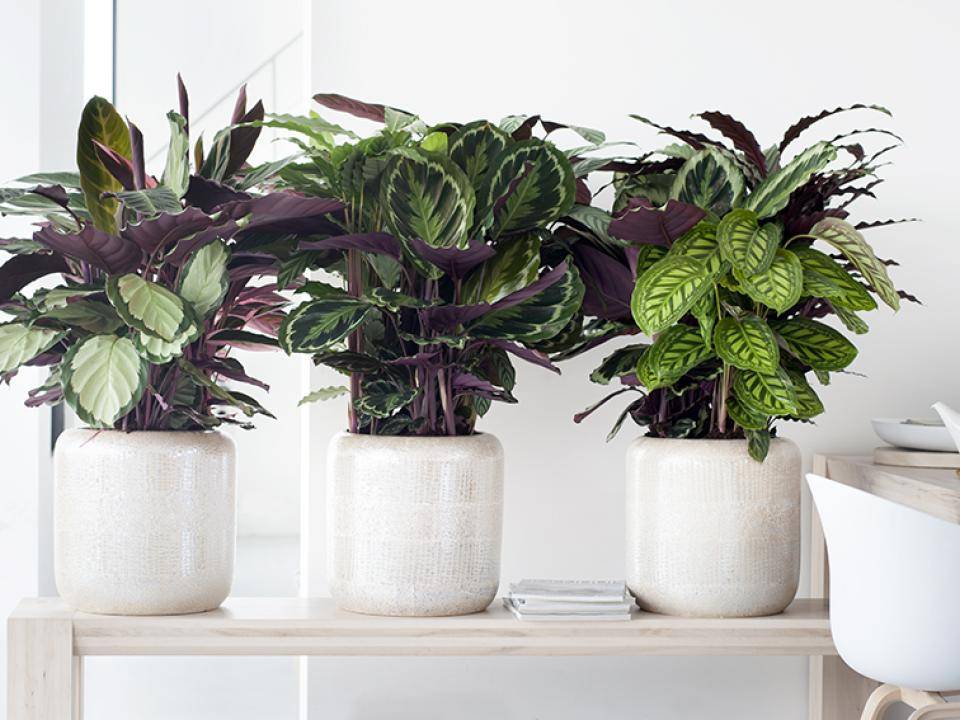
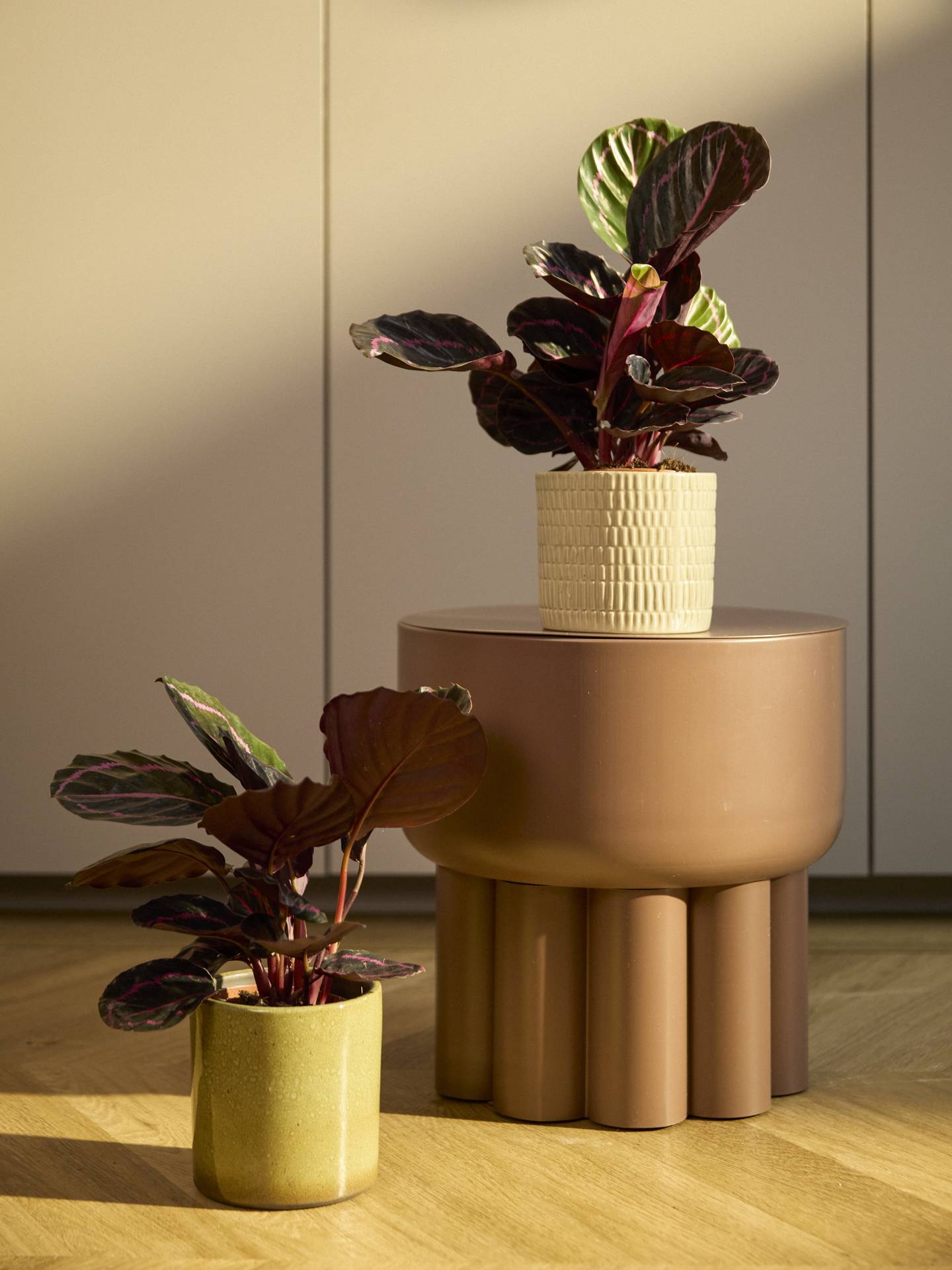
Calathea
Calathea is known for its striking leaf patterns and its air-purifying properties, including filtering benzene. This plant does have specific care requirements, such as a constant temperature of around 20°C and a high level of humidity.
5
Dragon tree (Dracaena marginata)
The Dragon tree usually has several slender trunks with long, narrow leaves, giving it a playful yet robust appearance. It helps filter substances such as formaldehyde and toluene. This plant is easy to care for and does well even in darker areas of the home.
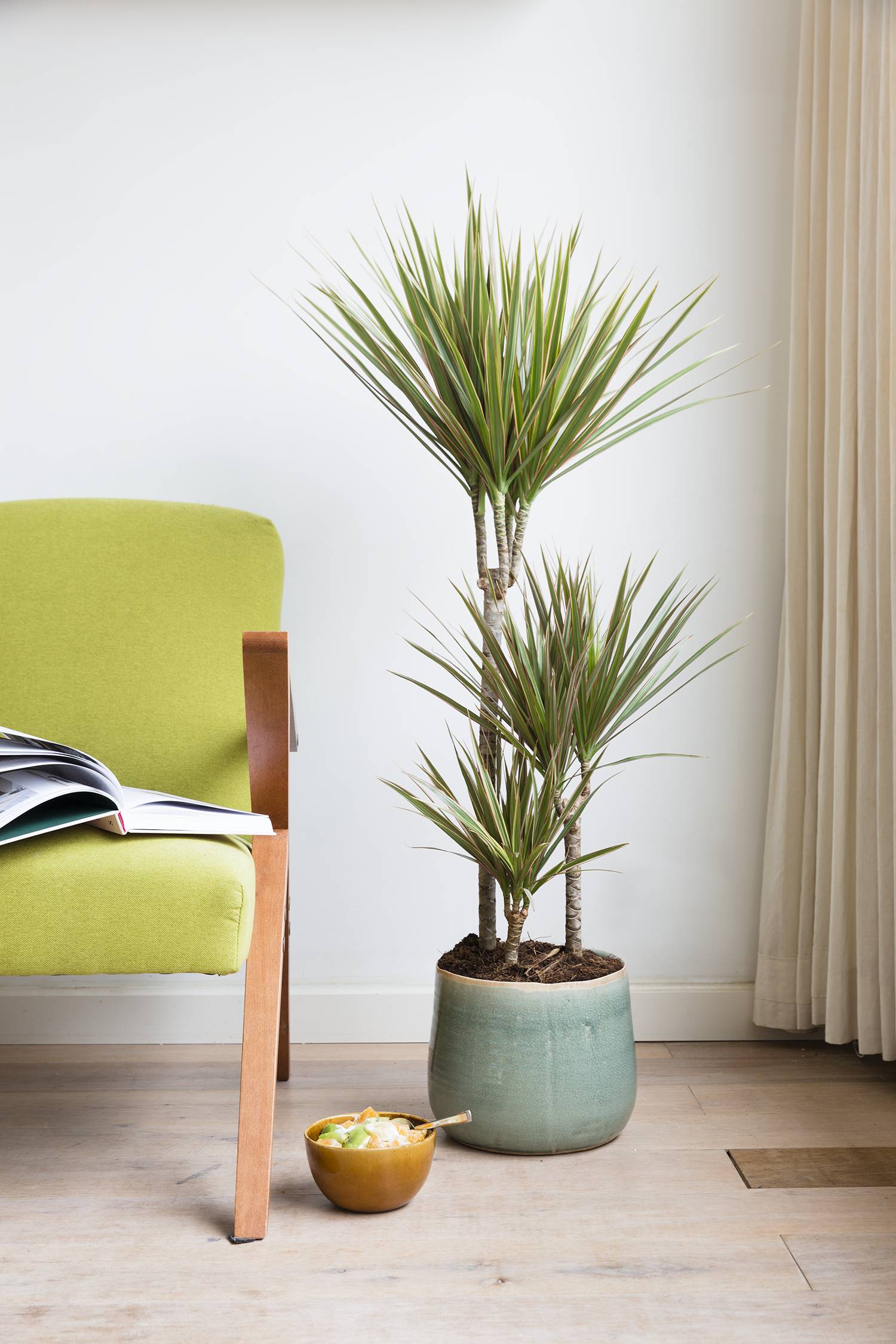
The Dragon tree is recognisable by its multiple stems. A tough, resilient plant that prefers shade.
6
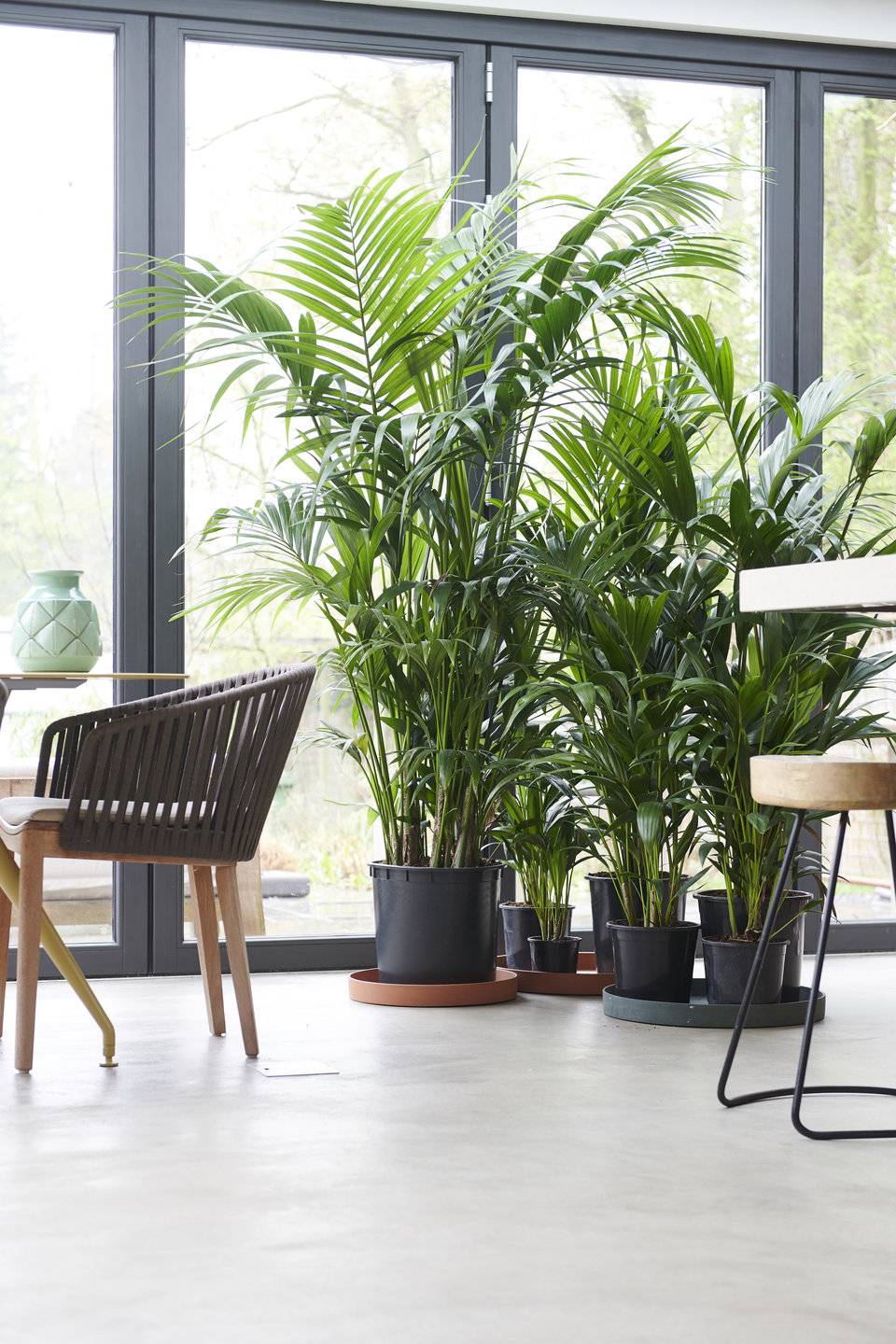
Palms (Areca palm, Kentia palm)
Palms such as the Areca palm and the Kentia palm not only bring a tropical feel into your home, but are also known as air-purifying houseplants. They thrive in high humidity and prefer a spot in partial shade.
7
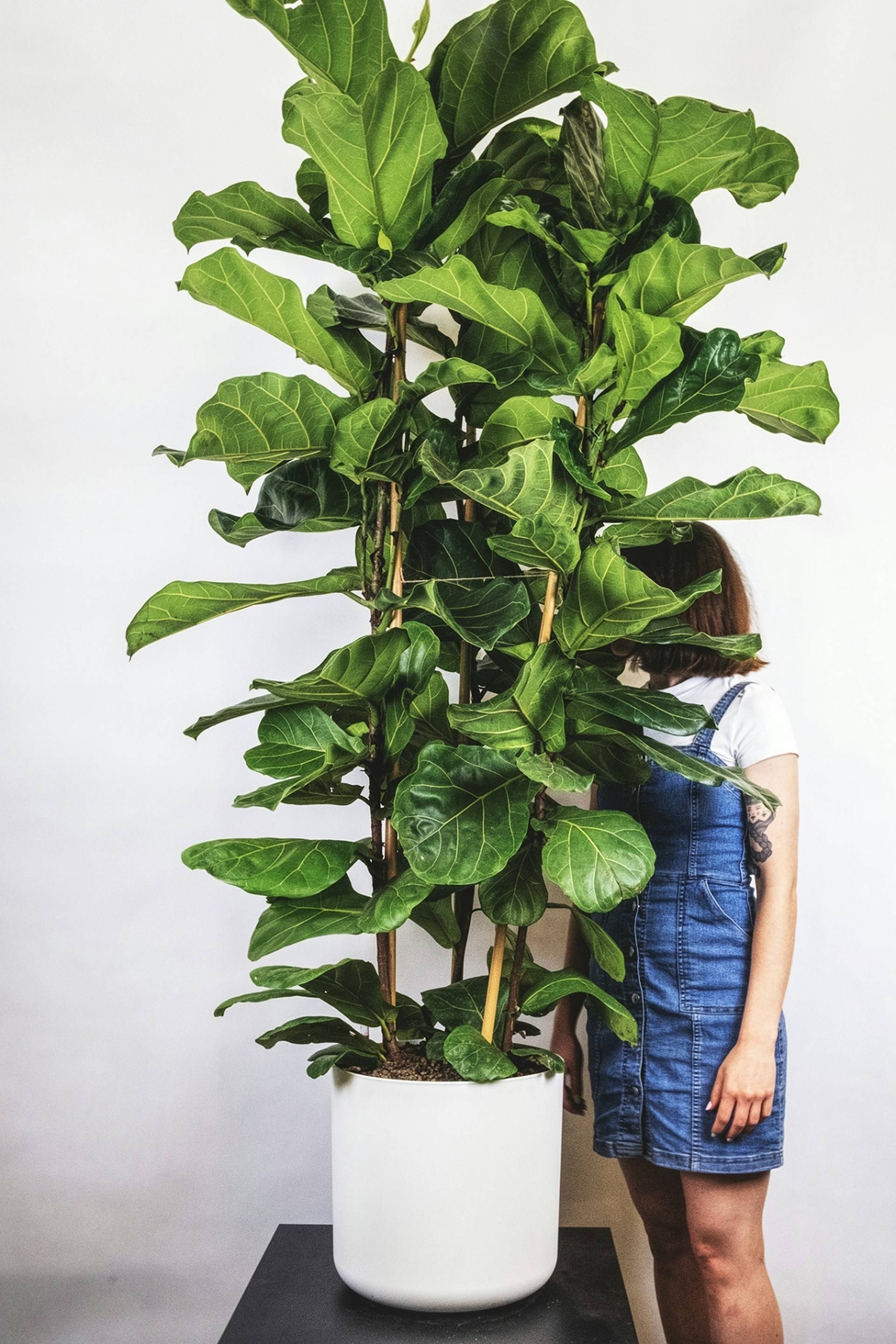
Fiddle-leaf fig (Ficus lyrata)
The Fiddle-leaf fig, also known as the violin fig, is a real eye-catcher in any interior. With its large, violin-shaped leaves, it helps filter harmful substances and increase humidity. Place this Ficus in a bright spot or in partial shade.
8
Clusia Princess
Clusia Princess is a compact houseplant with thick, oval leaves. It helps filter substances such as formaldehyde and benzene. This air-purifying plant needs little water and thrives in a bright location.

9
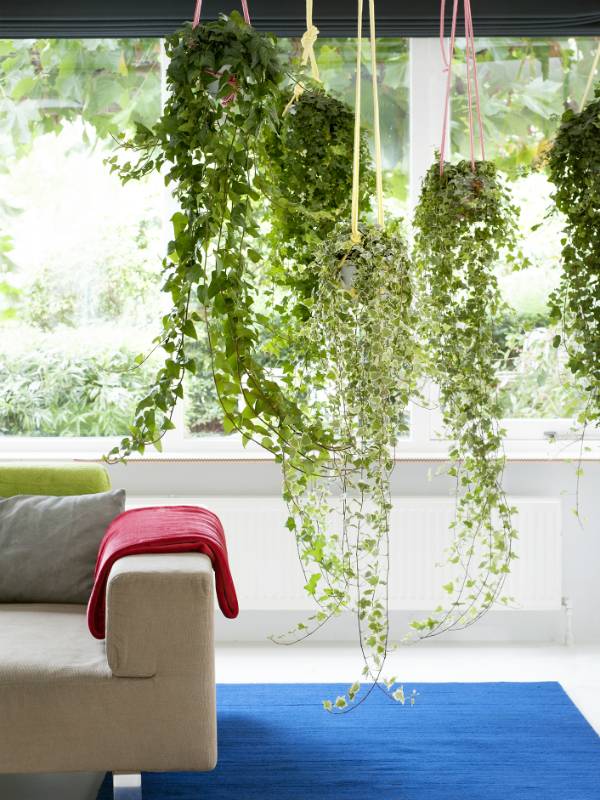
Ivy (Hedera)
Ivy, also known as Hedera, is best known as a garden plant, but it also performs well indoors. Ivy is a powerful air purifier that helps filter substances such as benzene and formaldehyde. It is an easy plant that does well in shade or partial shade.
10
Ferns
Ferns such as the bird’s nest fern, Boston fern and Blue star fern certainly deserve a place on this list. They are champions at increasing humidity and also help remove substances such as formaldehyde from the air. Place ferns in a shady spot and keep the compost lightly moist.
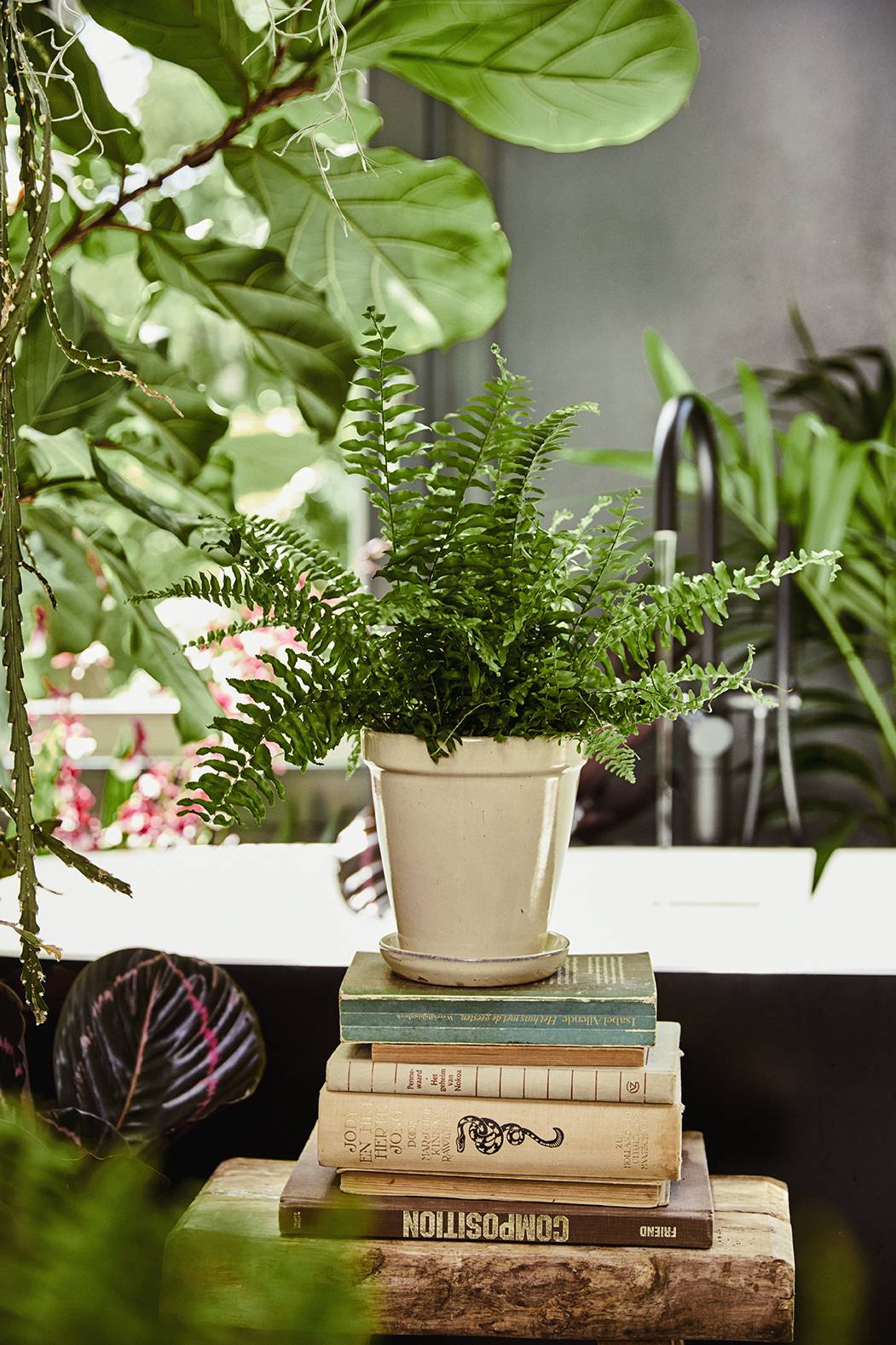
Ferns are the ultimate natural humidifiers.
More green inspiration
Looking for more tips and inspiration to bring more greenery into your home. Discover these ten houseplants to add to your wishlist. Do you have pets. Then be sure to check which houseplants are toxic and which are safe. Also useful. Choose your plants based on the amount of light in your home. These ten houseplants need plenty of light, while these ten green favourites will be perfectly happy in the shade.