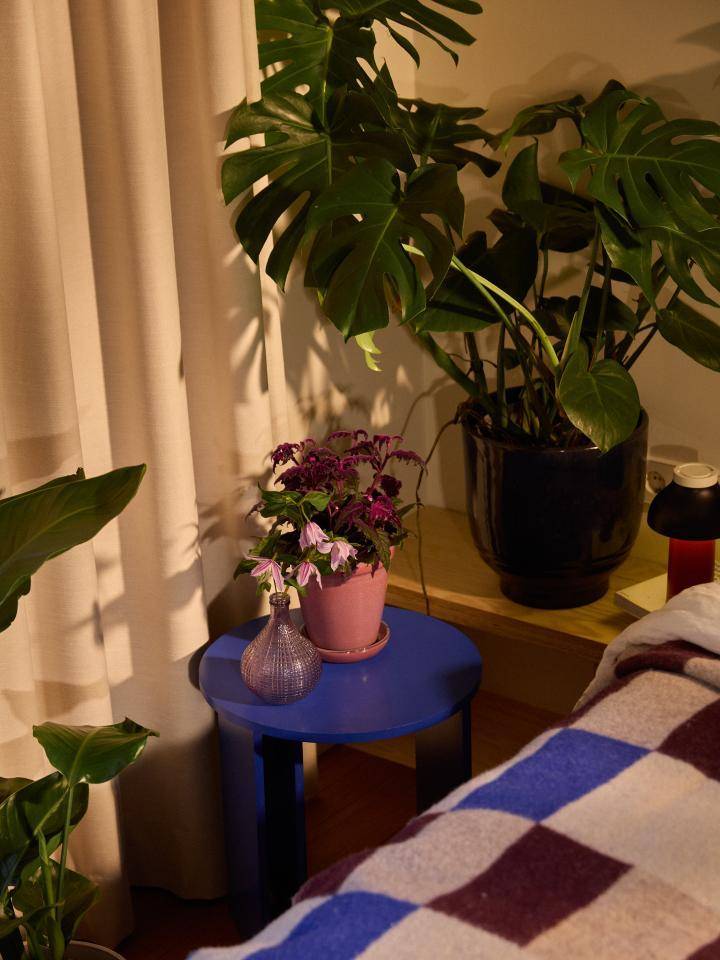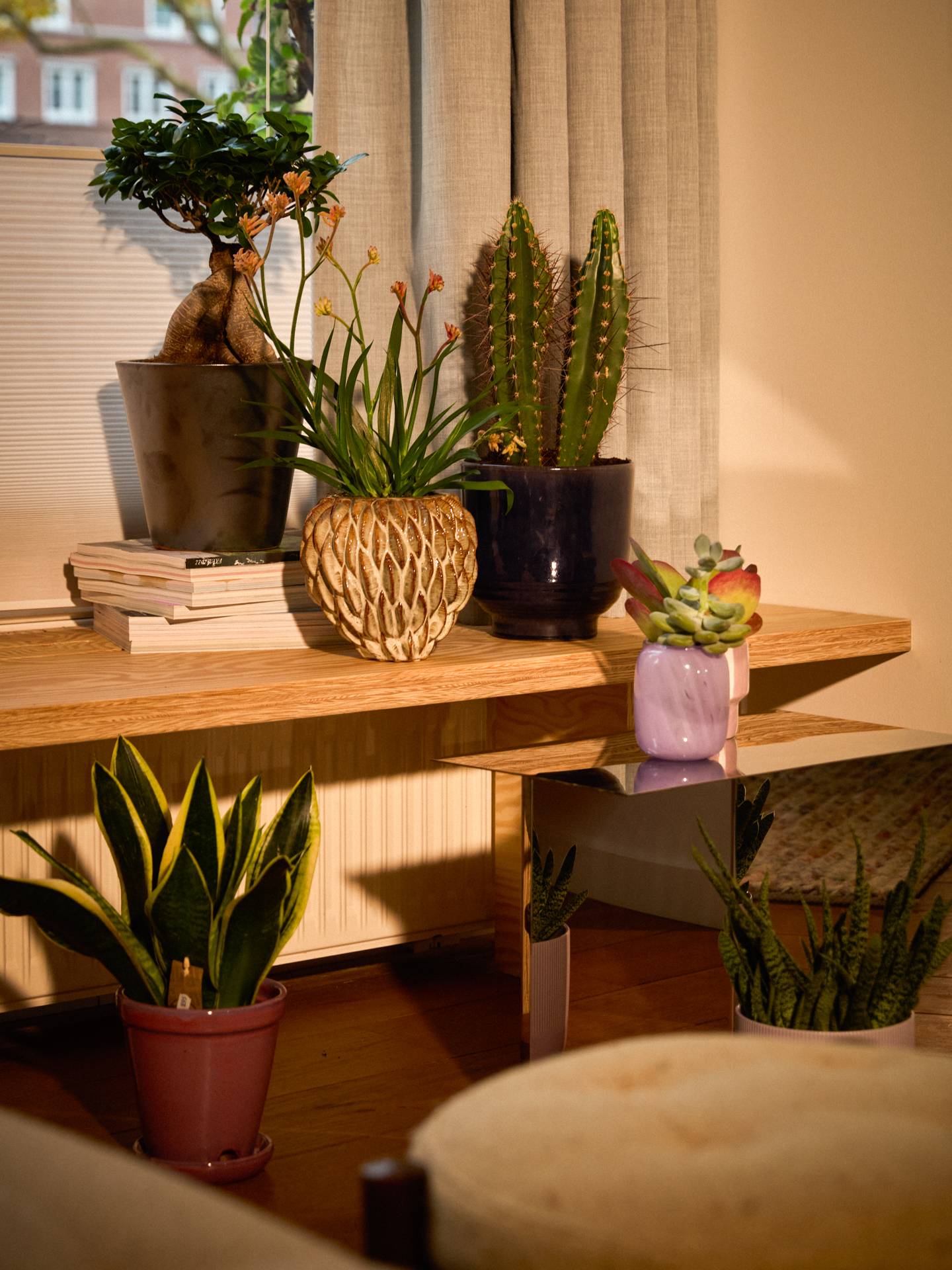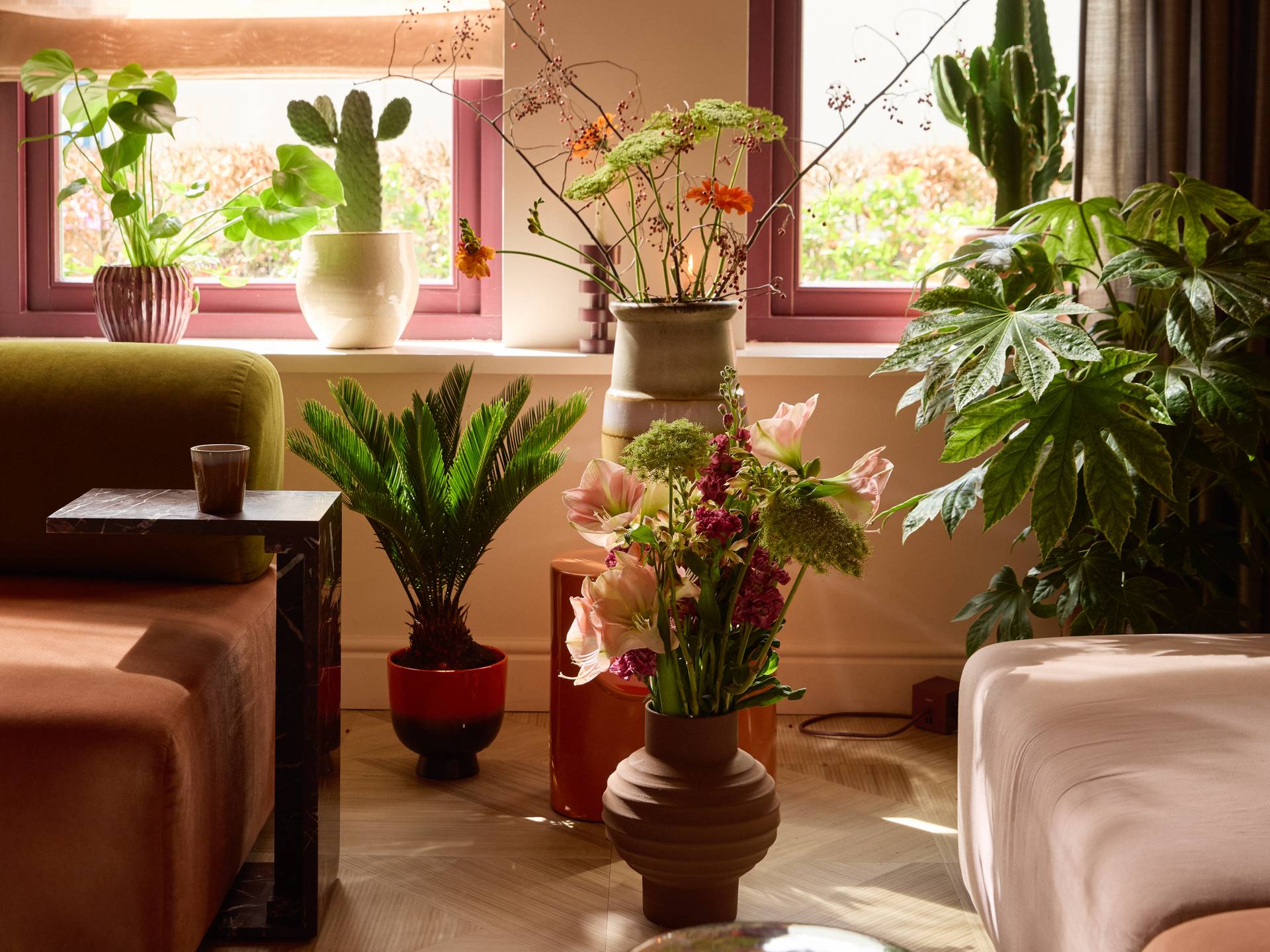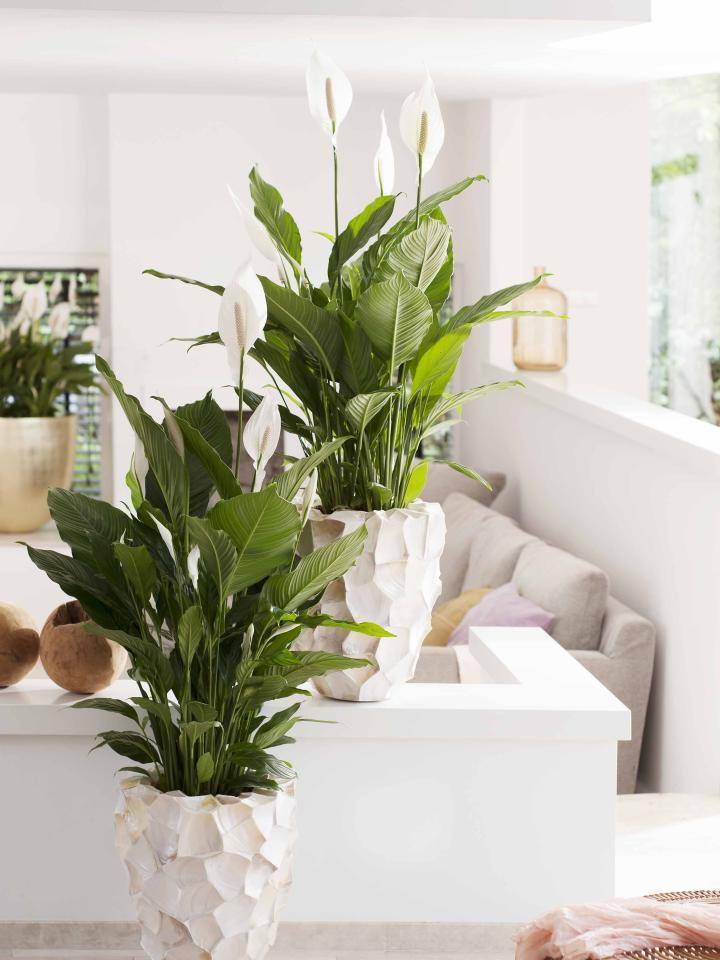

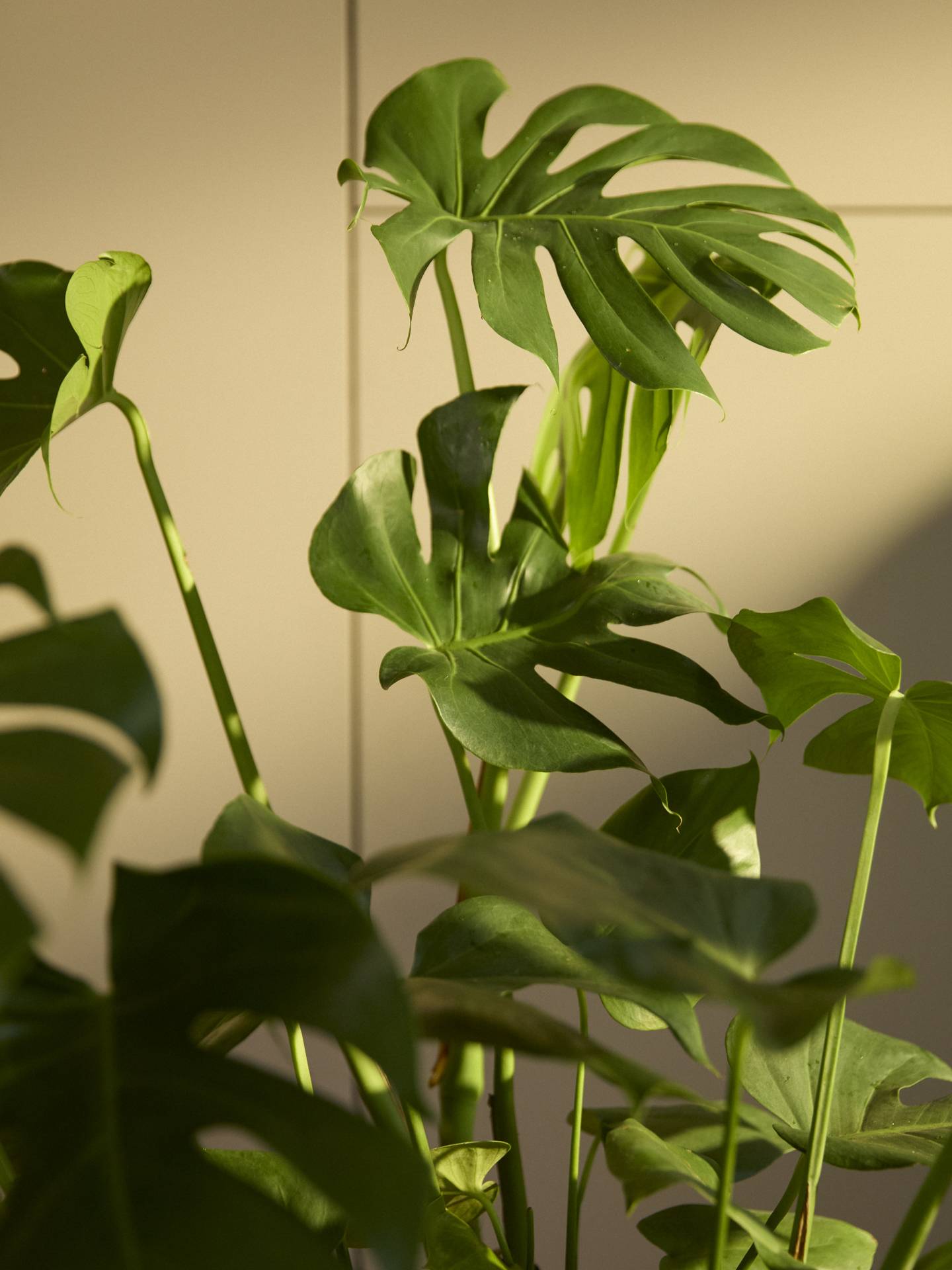
Houseplants bring atmosphere and calm into any home. Yet that famous air-purifying effect raises plenty of questions. Can plants truly clean the air indoors? And which ones are known for it? Here is the real story about air-purifying houseplants. A breath of fresh air indeed!
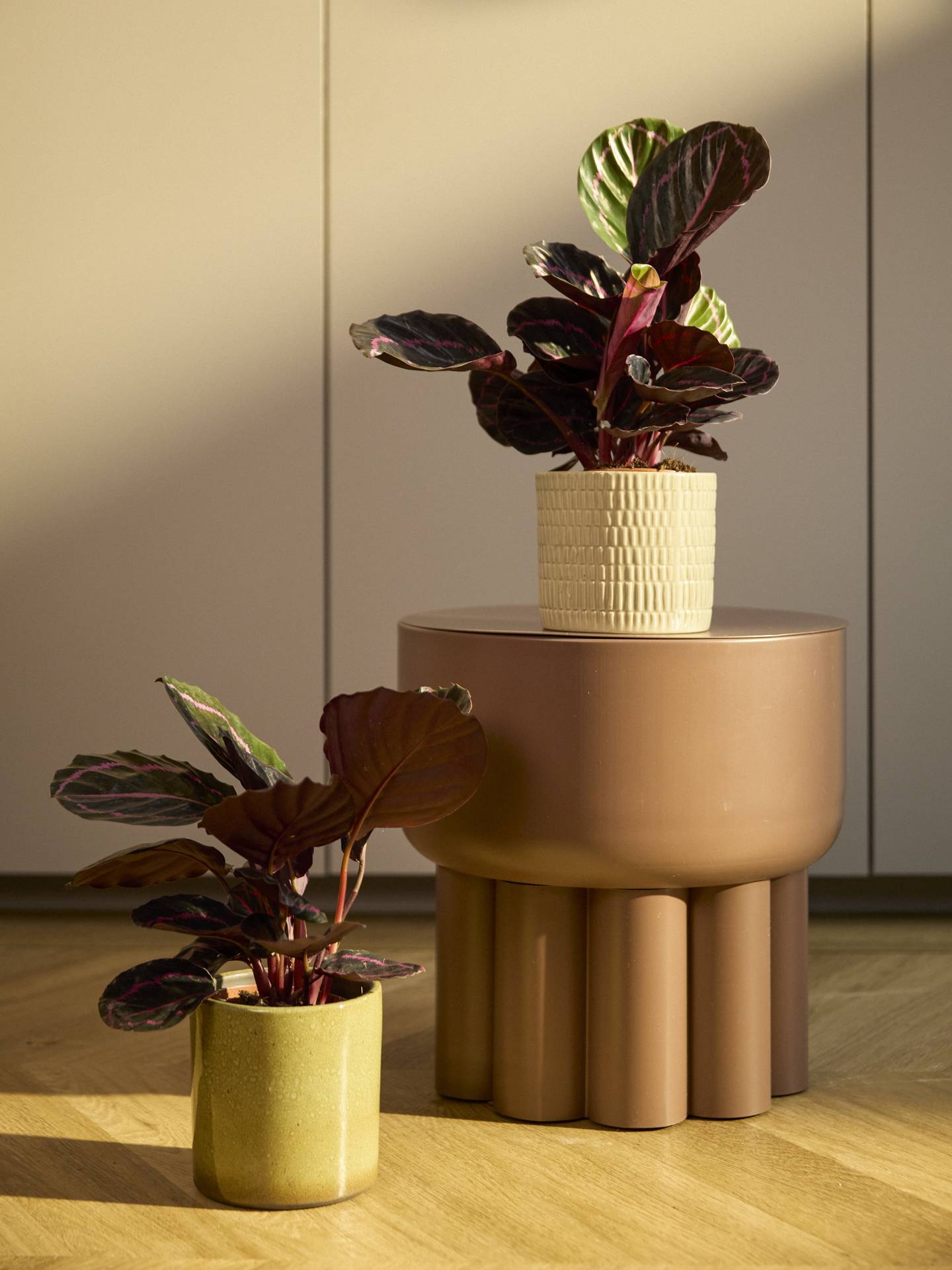
Do houseplants actually purify indoor air?
The short answer is no. In a normal home, you will not see any measurable improvement in air quality simply by adding air-purifying plants. That does not mean plants have no positive effect on your indoor environment. Far from it. Houseplants can help support a healthier level of humidity, improve the acoustics of a room, reduce stress, and positively influence our wellbeing and overall health.
Houseplants have a positive effect on our wellbeing and our health.
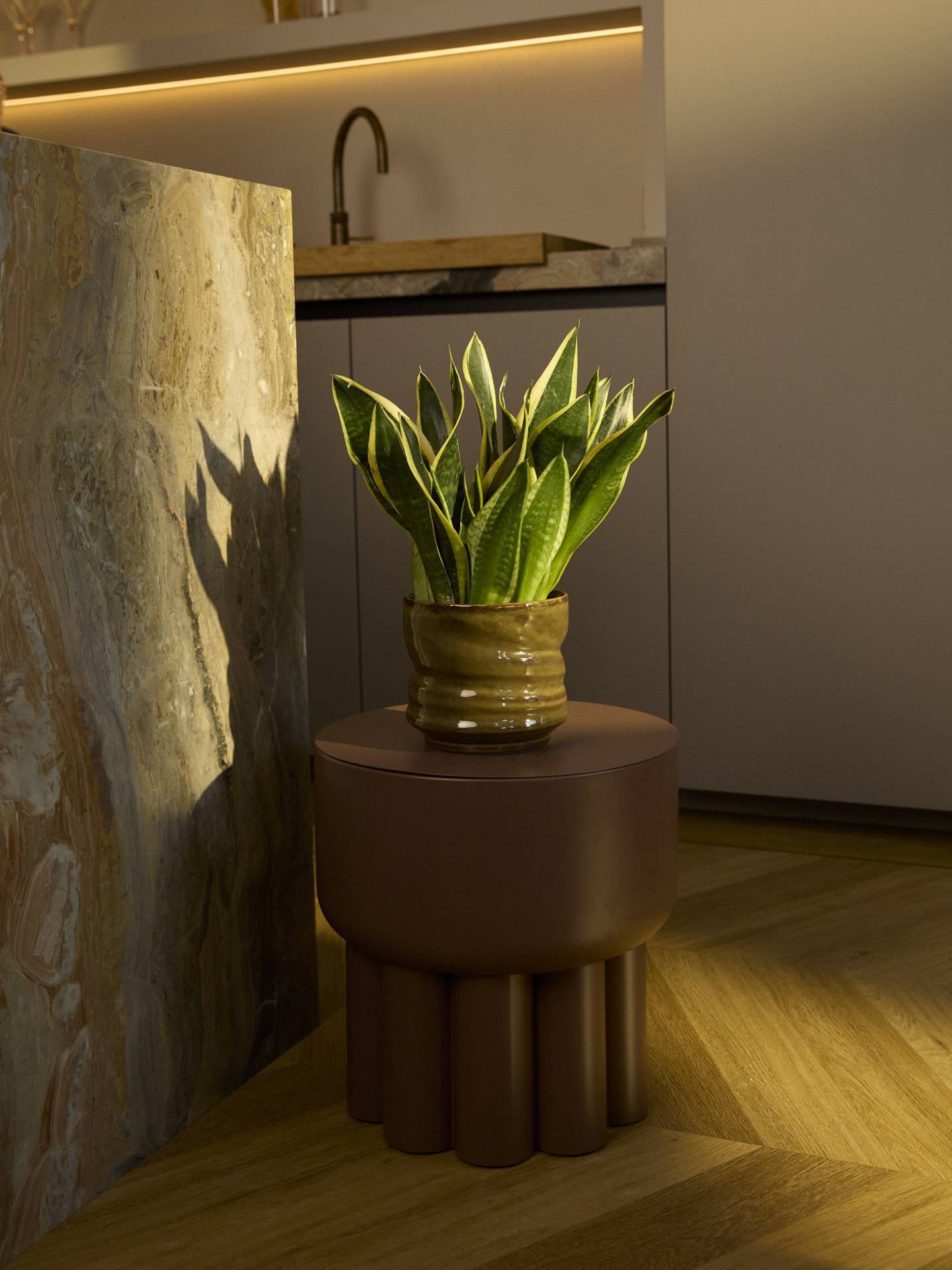
Why do people say that plants purify the air?
The often-repeated claim that houseplants clean the air comes from a well-known 1989 NASA study. The study showed that certain plants could filter harmful substances such as formaldehyde, benzene and trichloroethylene from the air in a sealed room with no ventilation. It sounds promising, doesn’t it? The reality is less exciting. In a typical home, this effect is virtually impossible. You would need an enormous number of plants and a completely sealed space to achieve a meaningful air-purifying effect.
How many plants would you need to purify the air?
To achieve a measurable air-purifying effect from houseplants in a typical home, you would need to live in a completely sealed space and, depending on the plant’s air-cleaning capacity, place dozens of plants per square metre indoors. But the story of air-purifying plants goes beyond numbers alone.
Air-purifying plants primarily symbolise a healthier and more pleasant indoor environment. They bring atmosphere and greenery into the home, help dampen noise, support relaxation, and have a positive impact on our health and overall wellbeing.
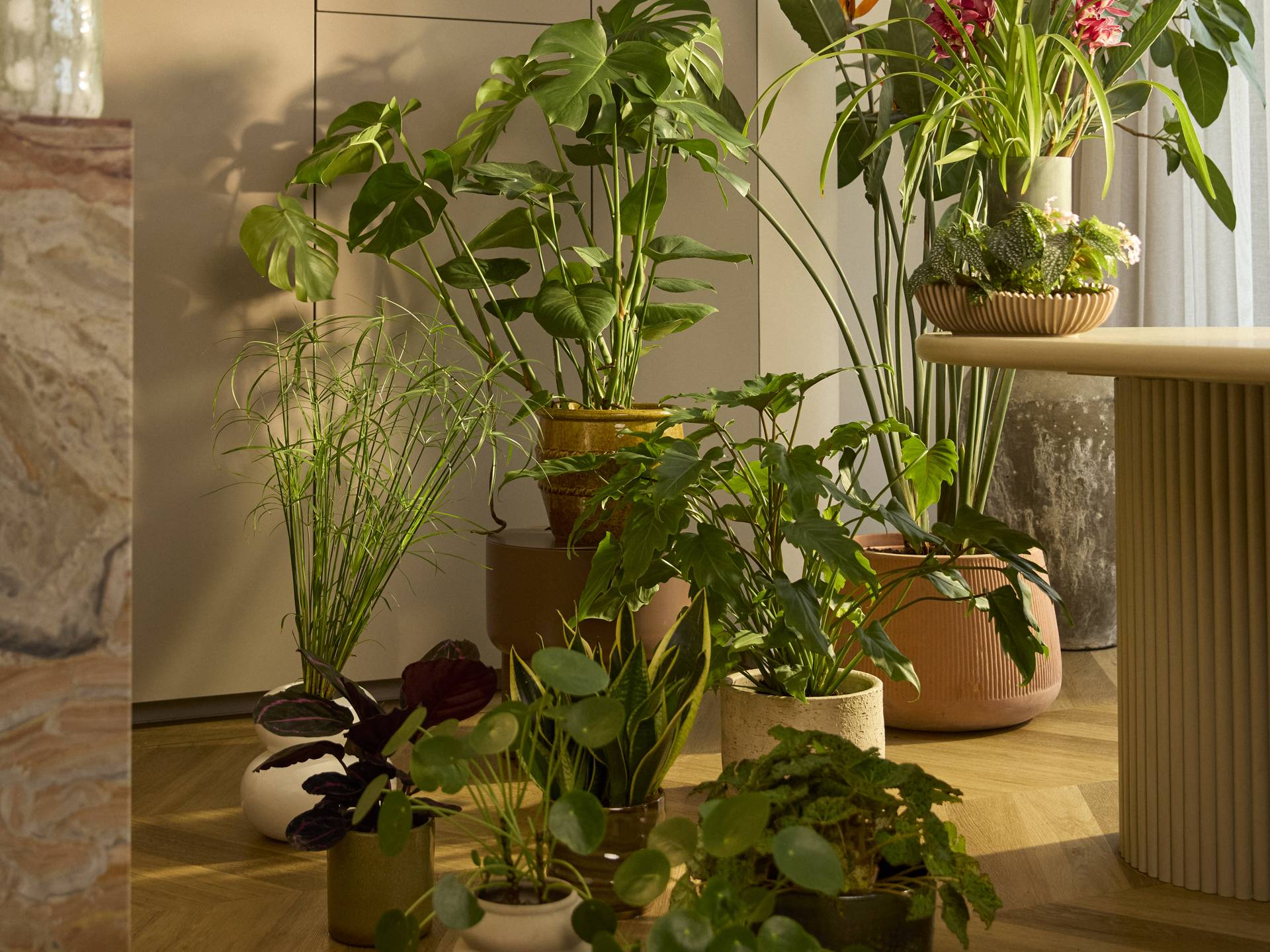
How do plants support better air quality? The process explained
Houseplants, and air-purifying species in particular, contribute to a healthier indoor environment in several ways:
- Through photosynthesis: plants absorb carbon dioxide (CO₂) through their leaves. Using light and water, they convert it into oxygen and glucose. The oxygen released supports a more pleasant indoor climate.
- Through stomata: leaves contain tiny openings called stomata. Plants ‘breathe’ through these. They take in CO₂, release oxygen and can filter out small amounts of volatile organic compounds (VOCs). These include substances such as formaldehyde, benzene and trichloroethylene, which are often found in paint, new furniture, cleaning products and electronics.
- Through roots and micro-organisms in the soil: some harmful substances absorbed by the plant are transported to the roots, where beneficial bacteria and micro-organisms in the potting soil help break them down.
- Through moisture release: via the stomata, plants release small amounts of water vapour. This process, known as transpiration, increases indoor humidity, which is especially welcome in dry rooms or when using heating or air conditioning.
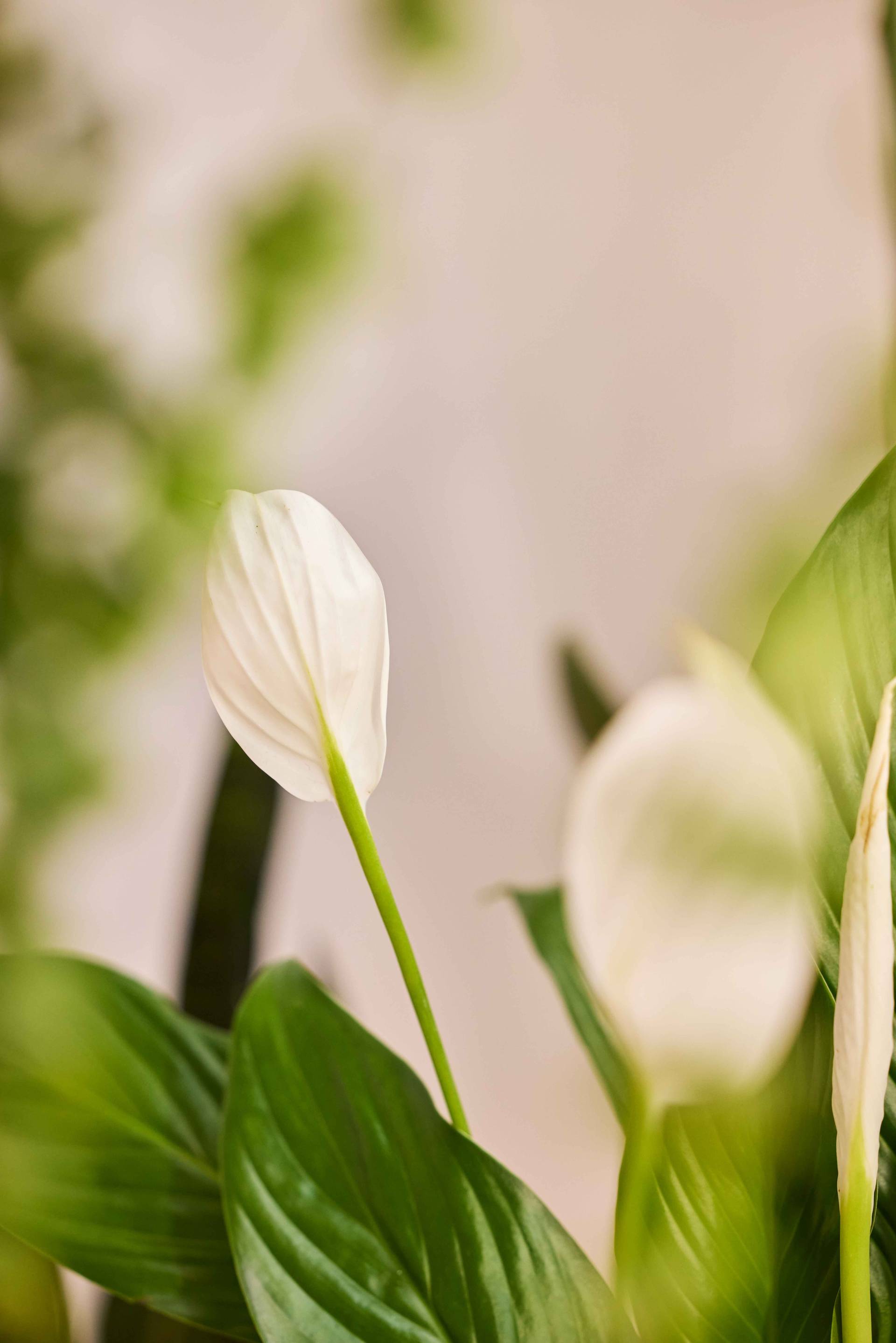
Which houseplants are considered air-purifying?
Air-purifying plants are those that can absorb certain pollutants more effectively and convert them into oxygen. These 10 houseplants, including the Peace Lily, Snake Plant, Spider Plant, Calathea and various Ferns, are considered to have air-purifying qualities.
More green inspiration
Ready to give your living space a lush upgrade with air-purifying plants? Do not stop in the living room. Treat your bedroom and bathroom to a fresh green makeover as well. The right choice depends on how much light a room receives. To make it easier, we have selected 10 plants that love bright light and another 10 that thrive in the shade. That way, you can choose the perfect plant for every corner of your home!