
Written by
Sherelle Schmidt
As soon as the days grow longer and the light softens, they start appearing everywhere again: spring flowers. These flowers, also known as spring bloomers, welcome the new season with fresh colours, gentle fragrances and playful shapes. Looking for the most beautiful spring flowers for your vase? Below you’ll find 15 stunning cut flowers that are typical of spring, including their flowering period and what gives them that unmistakable spring feeling.
1
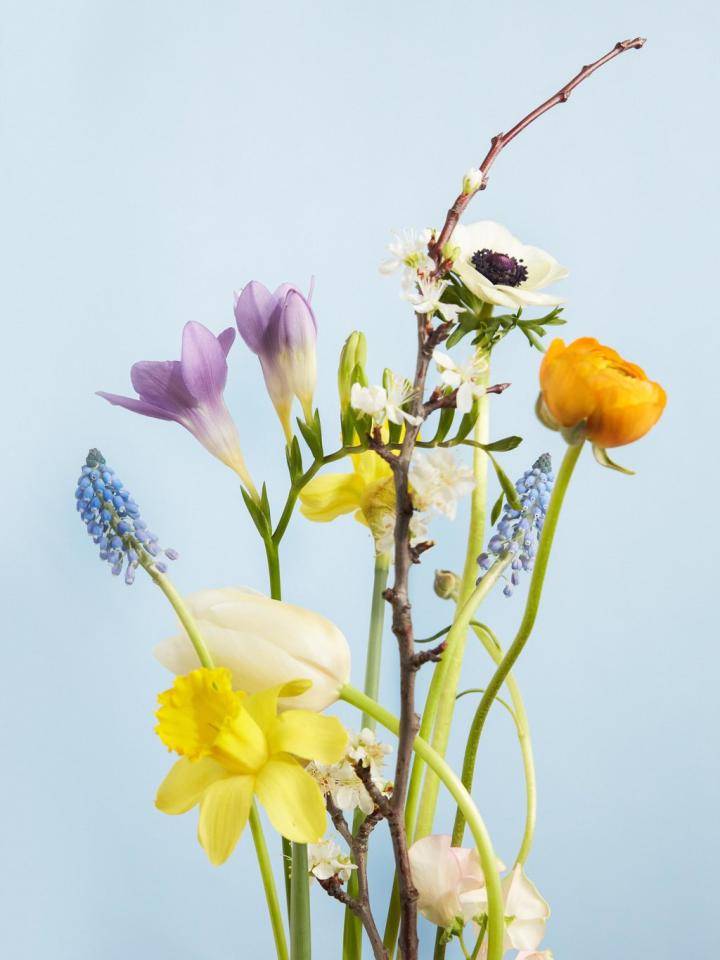
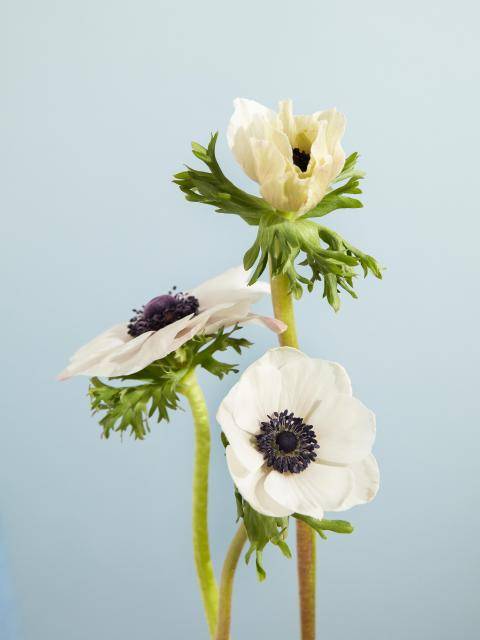
Anemone
With its dark centre and velvety petals, the Anemone blooms from February to April. And the best part? It simply keeps growing in the vase. Lovely too, because who could ever get enough of this beauty?
The Anemone is a typical spring flower because it thrives in cooler temperatures and looks its absolute best in early spring.
2
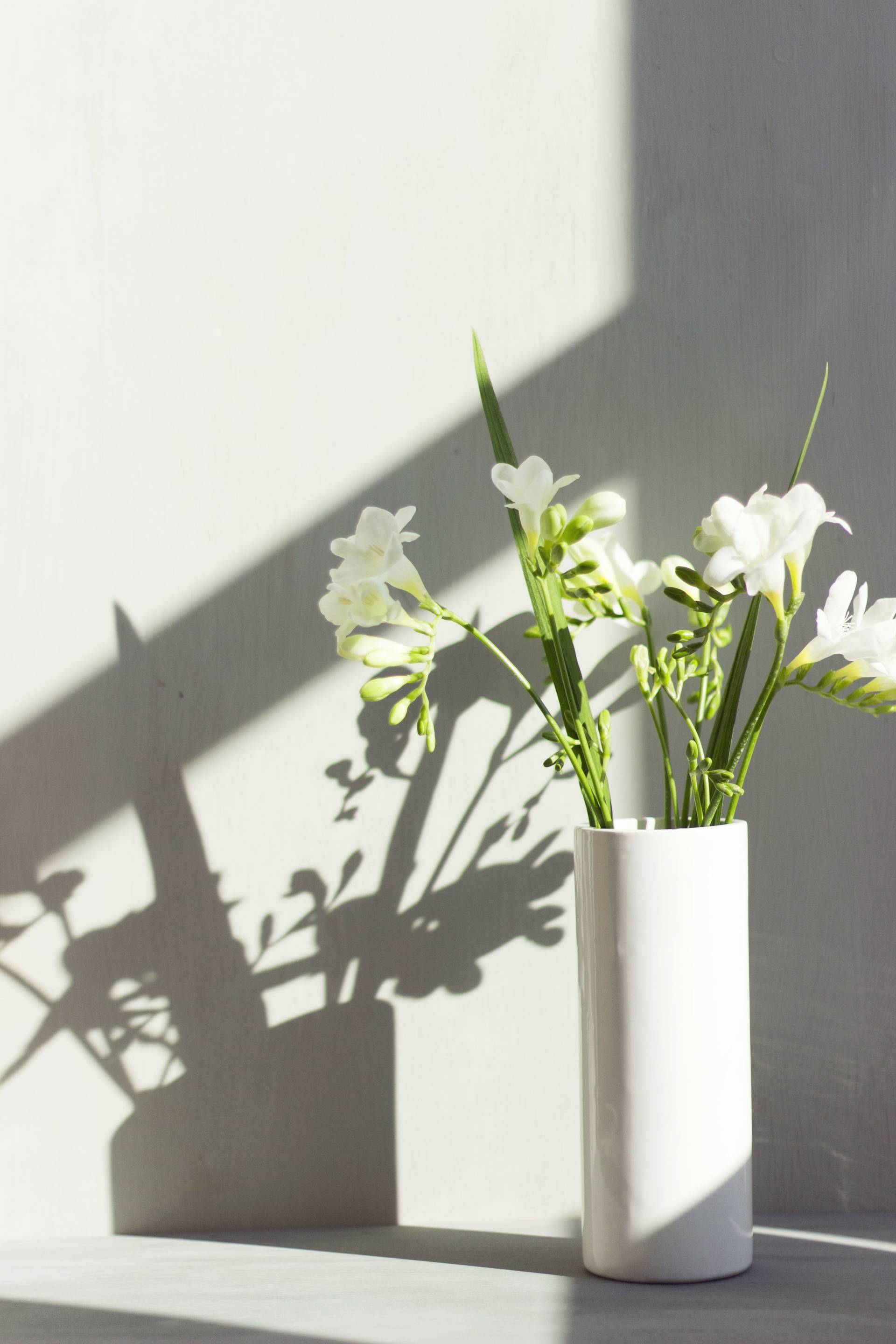
Freesia
The Freesia blooms from March to June and is loved for its fresh fragrance. You’ll recognise it by its trumpet-shaped or funnel-shaped flowers, often slightly curled at the edges, which come in white, yellow, orange, red, pink, purple, lavender and blue (sometimes even bicoloured).
This spring flower symbolises trust and innocence and brings colour and pure perfume into your home.
3
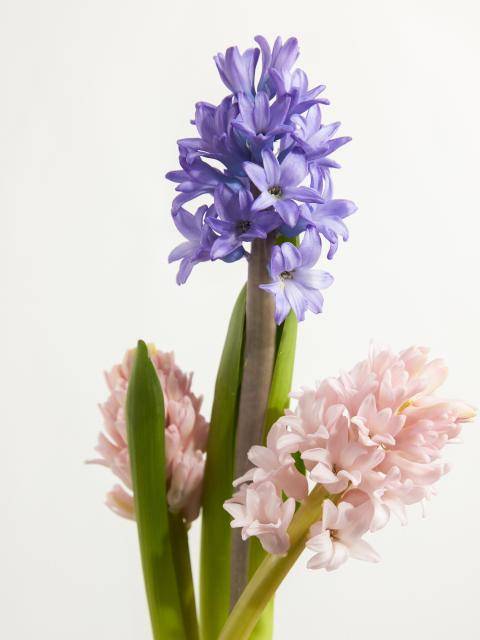
Hyacinth
The Hyacinth is one of the most fragrant spring flowers. The flowering period for this purple burst of fragrance falls between March and April.
Its compact flower clusters and intense scent make this spring flower perfect indoors. One vase of Hyacinths instantly fills the whole room with spring.
4
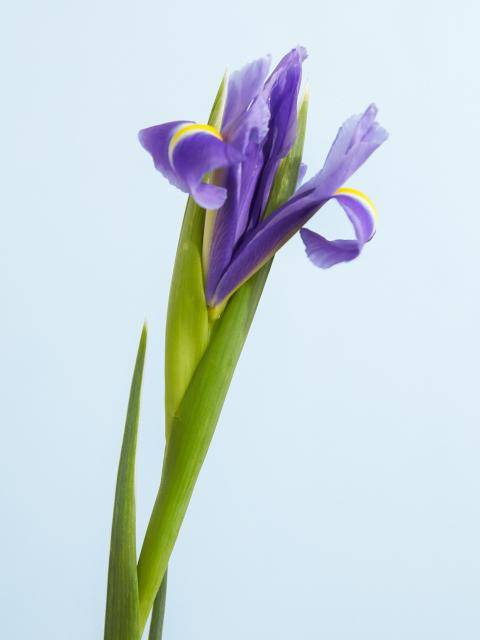
Iris
The Iris blooms in April and May and immediately stands out thanks to its striking flower shape. It’s named after the goddess of the rainbow and positively screams spring.
With its deep purple and blue tones, this spring flower adds a beautiful contrast to the lighter spring flowers in your bouquet.
5
Sweet Pea (Lathyrus)
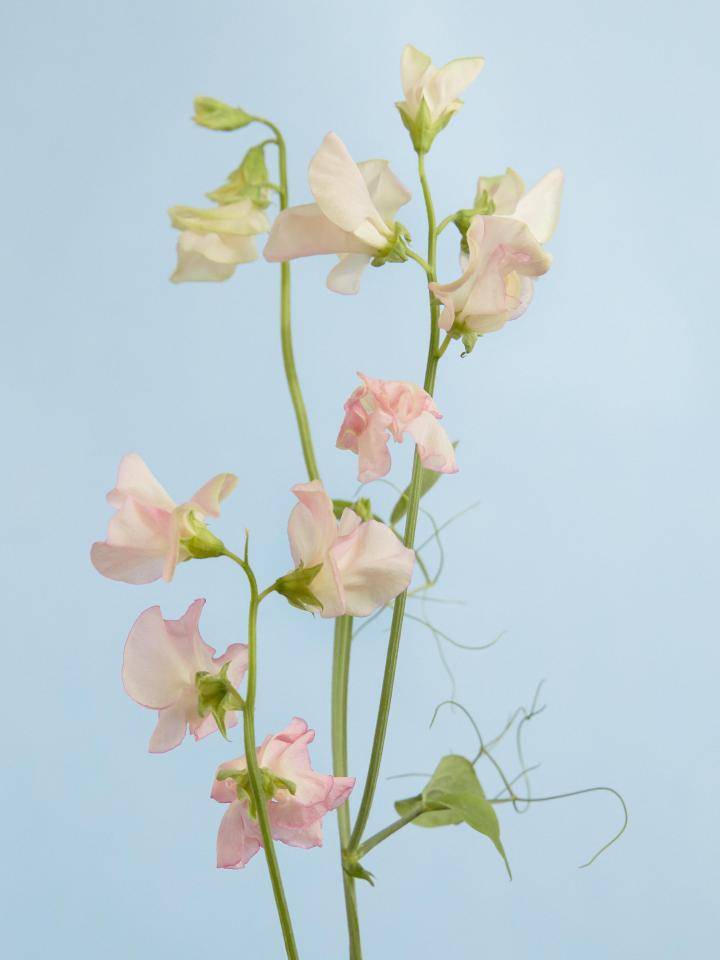
The Sweet Pea blooms from April onwards and is known for its subtle fragrance and butterfly-like petals. A much-loved flower, and not without reason.
This spring flower radiates romantic softness and looks beautiful in classic arrangements but also works wonderfully in trendy wildflower-style bouquets. Or simply without too much fuss in your favourite little vase.
6
Limonium
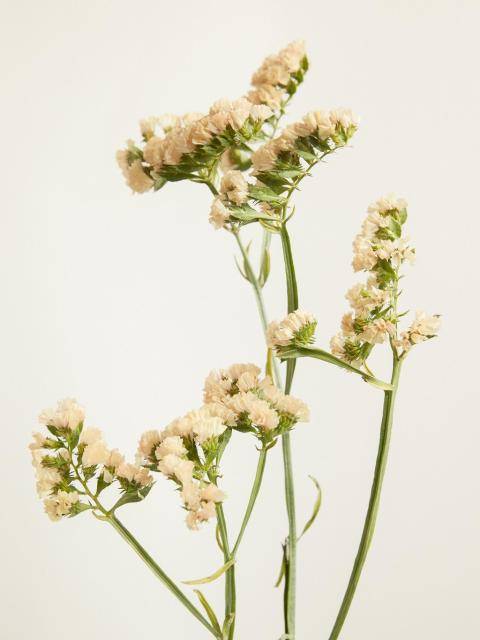
Although Limonium is available in other seasons too, you’ll often see this flower in fresh spring bouquets or dried for a vintage vibe.
Its airy structure and pastel colours perfectly match that typical spring feeling.
7
Lily of the valley
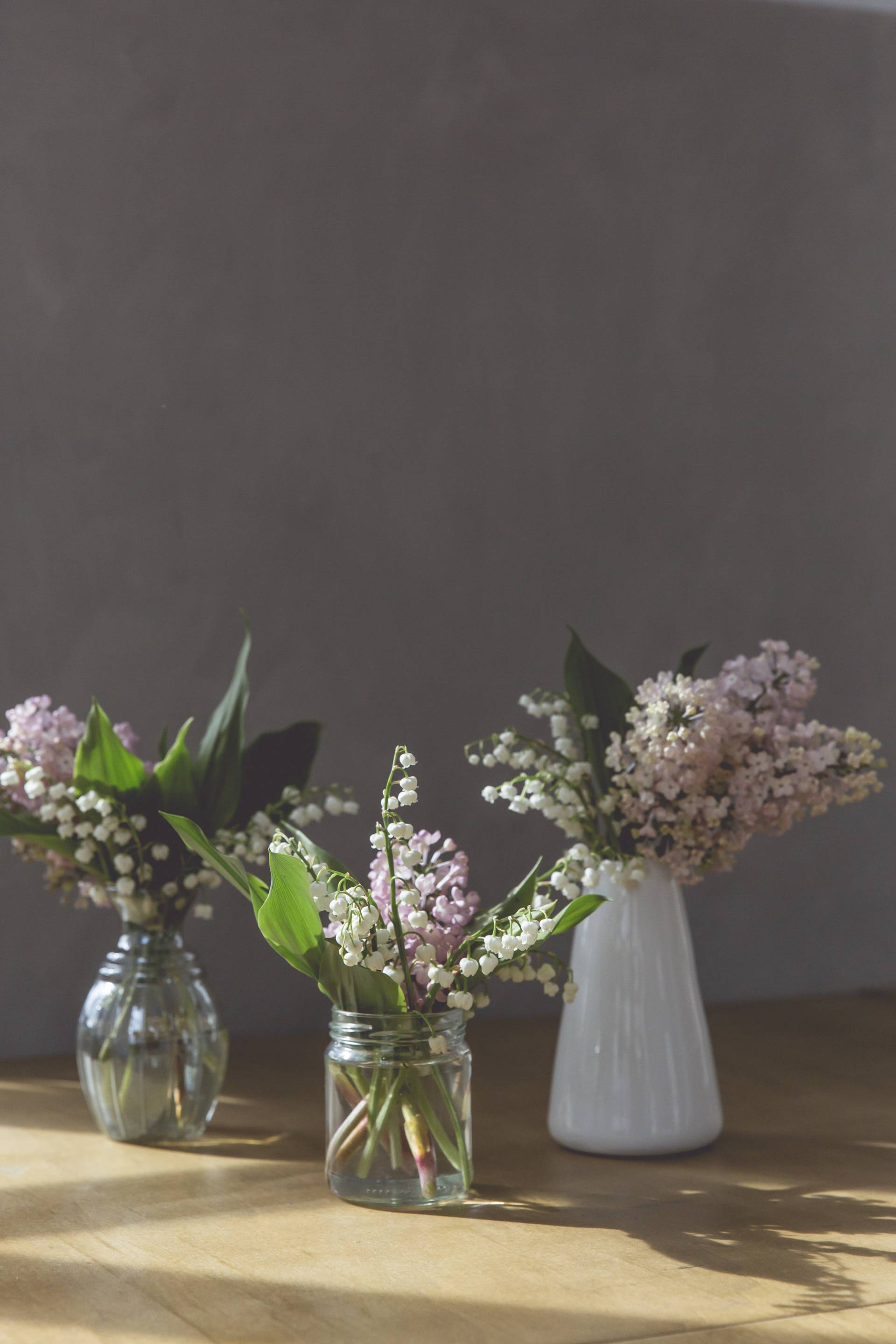
This refined spring flower blooms in April and May. The tiny white bells of Lily of the valley spread a delicate fragrance and bring a pure, classic springtime feel.
Lily of the valley symbolises absolute purity, freshness, sincerity and discretion.
8
Daffodil
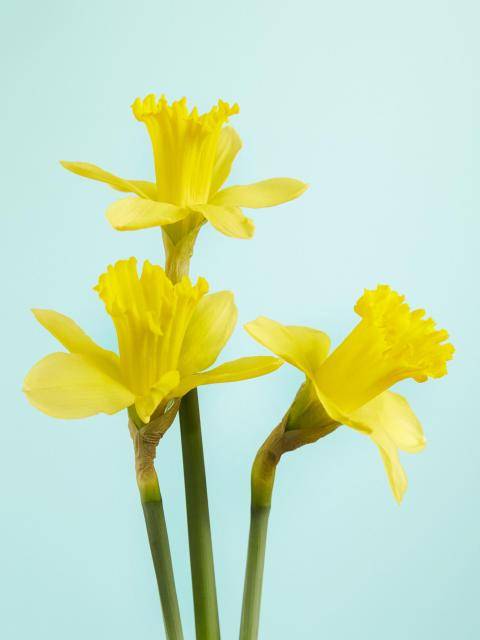
Daffodils bloom lovely and early in the season, often from February onwards. That makes them one of the first spring flowers available. And the Daffodil is a wonderful reminder that after months of grey winter weather, a cheerful spring always returns.
Their sunny bright yellow colour, though white and orange varieties also exist, symbolises new beginnings and optimism, exactly what spring stands for. Daffodils quite literally bring light into your home.
9
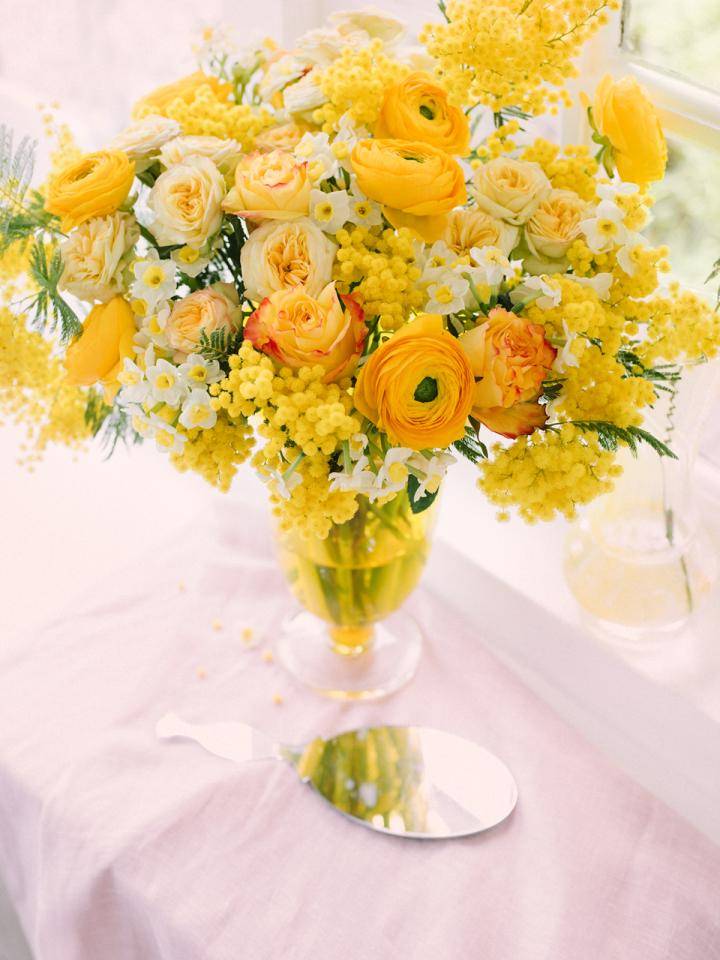
Ranunculus
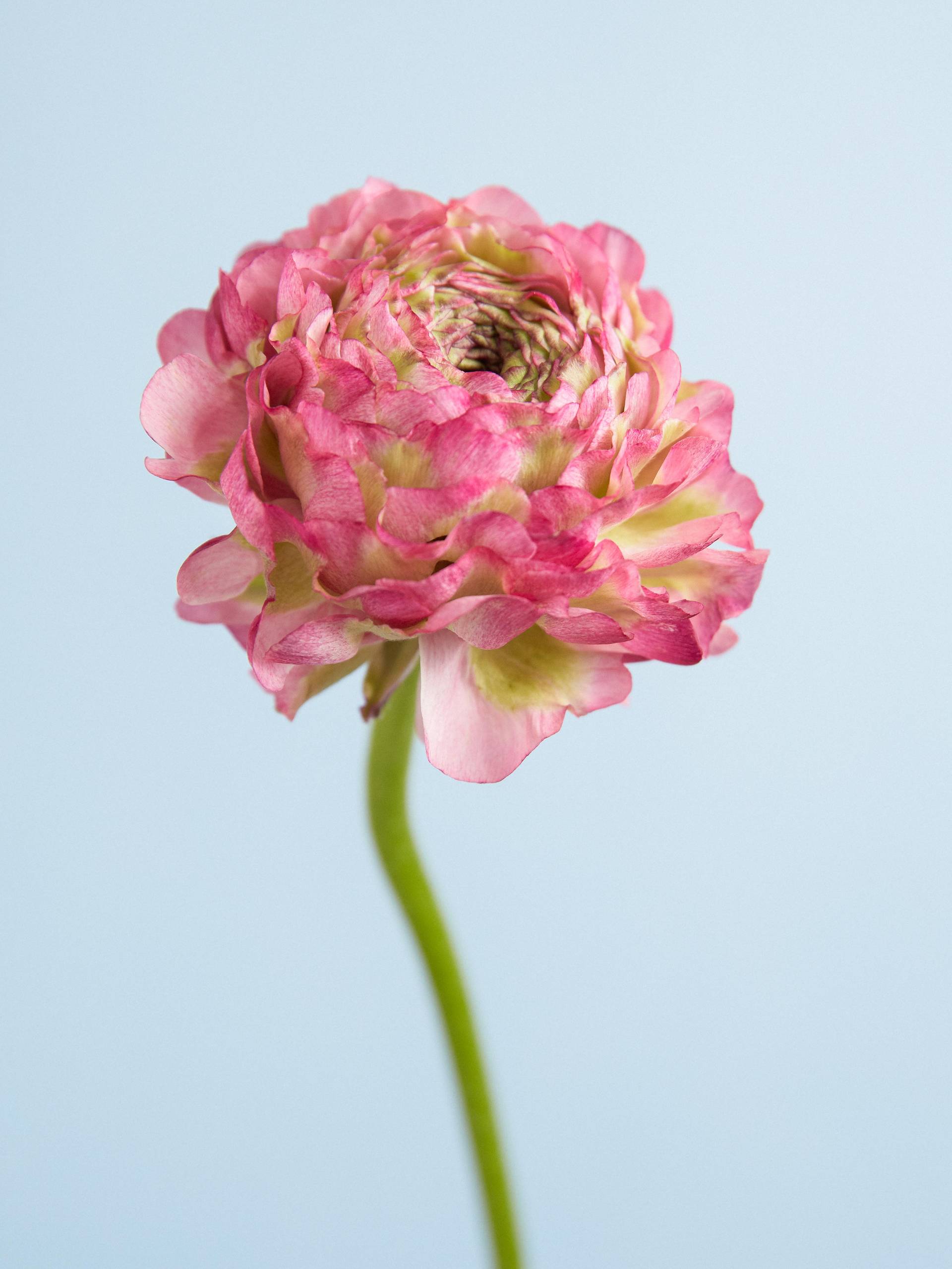
Ranunculus blooms from March until early May and is known for its full, layered petals. It’s no surprise they symbolise charm with that look.
These romantic spring flowers create a soft and refined spring feeling. They are often chosen for elegant bouquets thanks to their rich structure.
10
Lilac
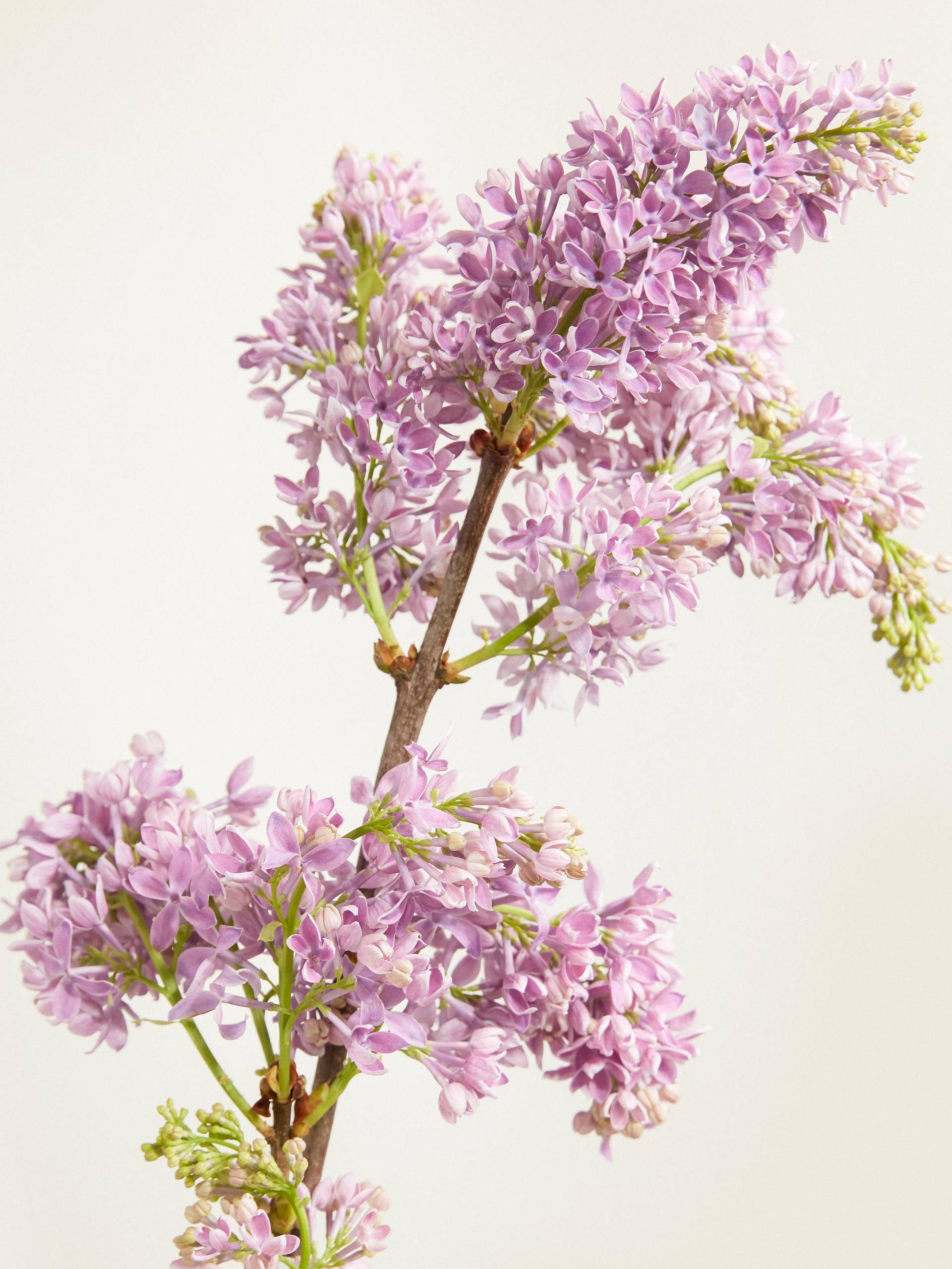
Lilac blooms slightly later in spring, usually in April and May, and is known for its abundant flowering with large, beautifully scented plumes. The flowers are typically purple, lilac, white or pink, and the leaves are fresh green and heart-shaped.
The airy flower clusters filled with tiny blossoms and their recognisable sweet scent make Lilac one of the most nostalgic spring flowers. Perfect for a relaxed wildflower bouquet.
11
Solidago
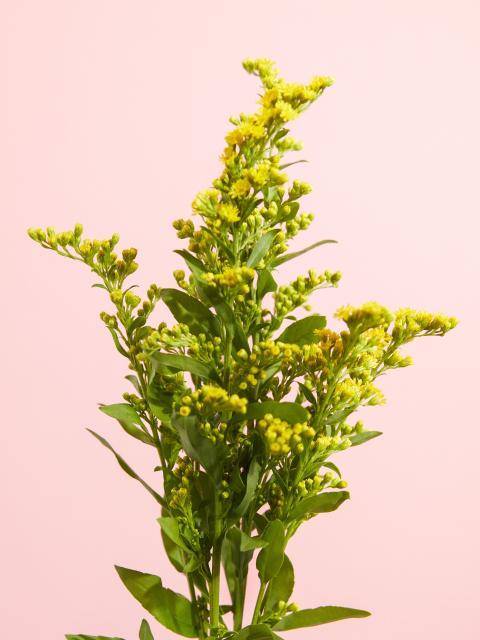
Solidago blooms from spring towards summer, is known for its striking golden-yellow flowers and has a slight resemblance to Mimosa.
The delicate yellow plume add energy to combinations with other spring flowers and create playful volume. Solidago symbolises happiness, prosperity, success and friendship.
12
Peony
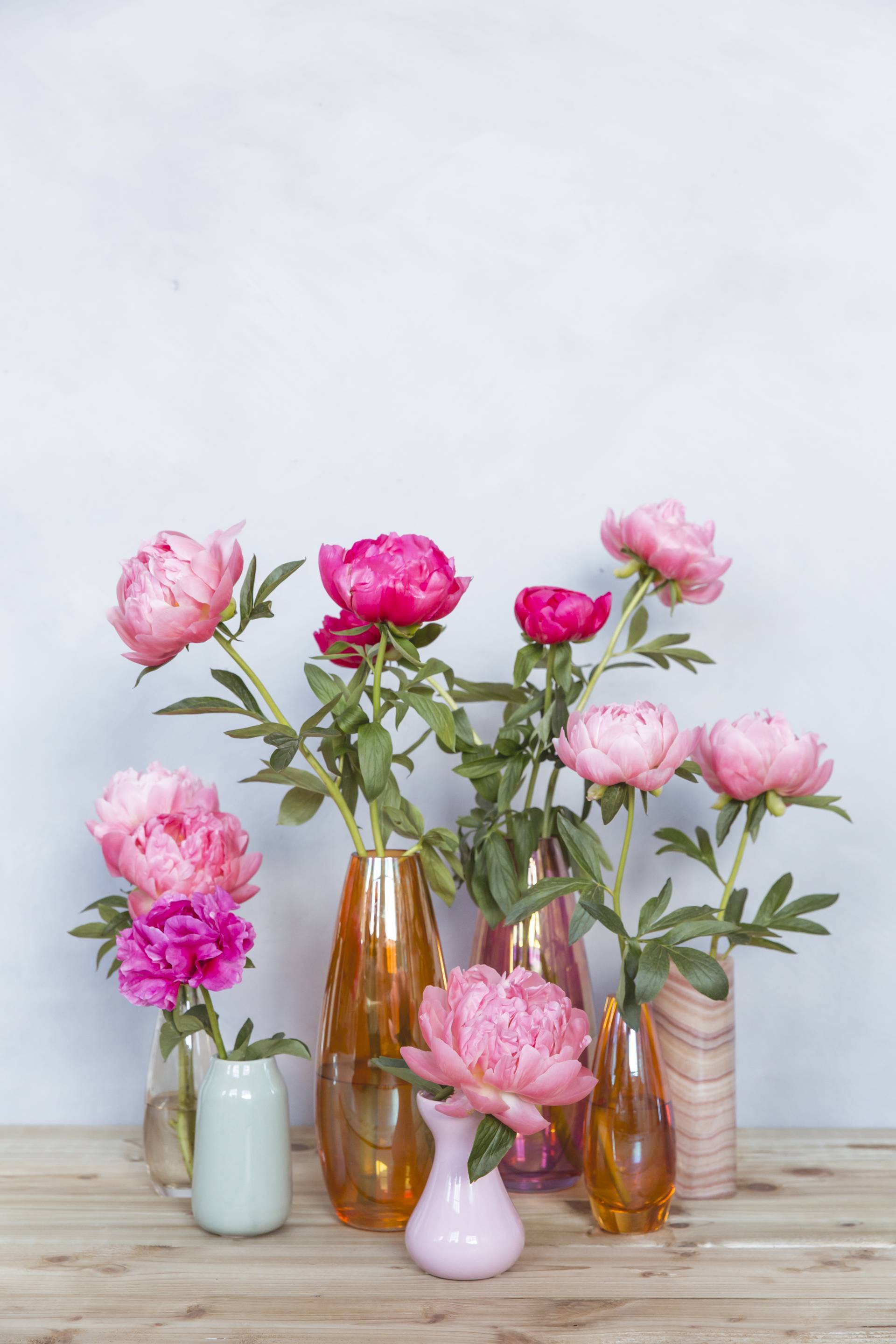
The first Peonies often appear as early as May. And although they’re often associated with summer, the first Peonies mark the end of spring. You’ll recognise them by their lush blooms, which come in white, pink, red, yellow and purple.
Their full blooms symbolise abundance for a reason. With Peonies in the house, you simply can’t help but enjoy them.
13
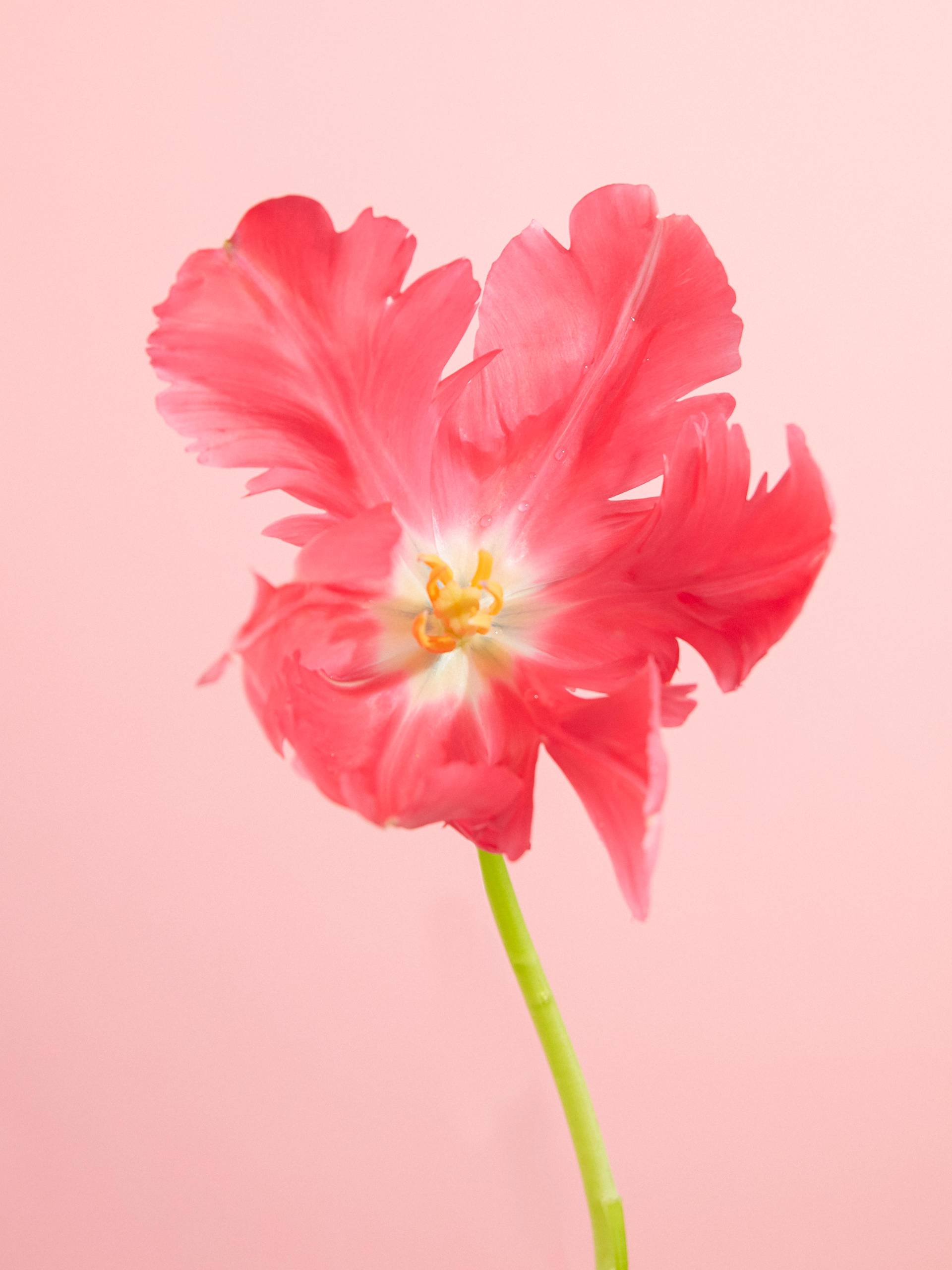
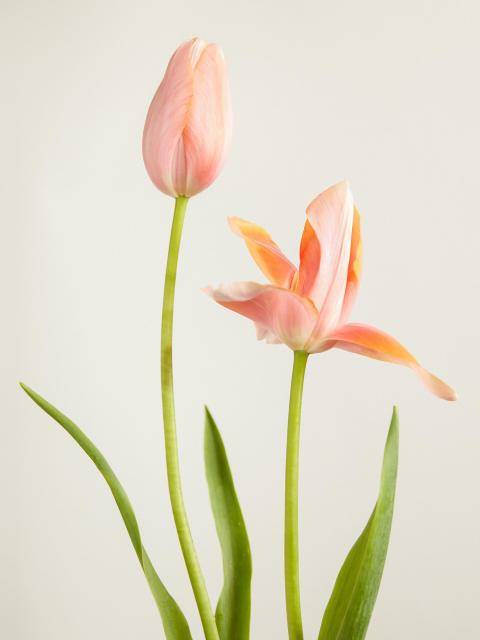
Tulip
The Tulip may well be the most famous of all spring flowers. This classic blooms from January through to May and is available in almost every colour of the rainbow.
What makes the Tulip a true spring flower? Its fresh appearance and the fact that they appear in abundance as soon as winter is over. In the vase they often continue growing a little, creating a playful and lively effect.
Tip: discover 10 clever tips to keep your Tulips looking beautiful (and straight!) in your vase for as long as possible.
14
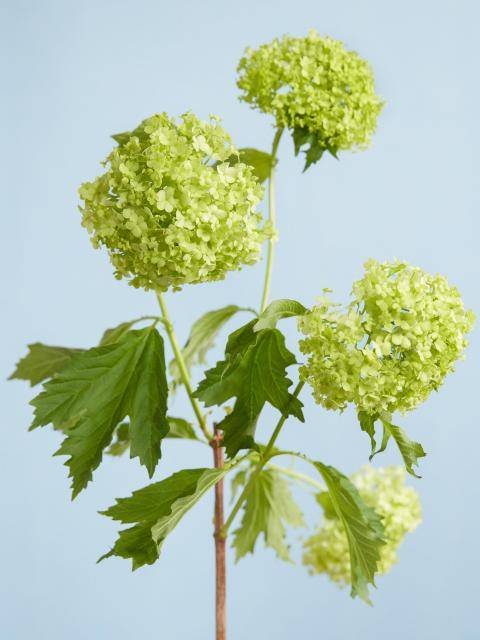
Viburnum (Snowball)
Viburnum mainly blooms in April and May and is recognisable by its voluptuous, spherical flower clusters that look rather like… snowballs. And that’s immediately the only link with winter.
As a spring flower it brings volume and fresh green tones to a vase, perfect as a base in a spring arrangement. And as an added bonus, Viburnum smells wonderfully sweet.
15
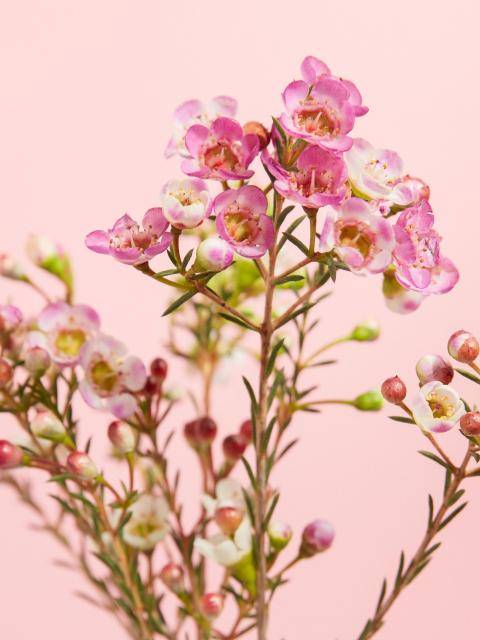
Waxflower
Waxflower blooms in spring and has small, sturdy blossoms with a subtle scent. And no, the Waxflower shouldn’t be confused with Lavender or Rosemary, although it does give off a lovely citrus-like fragrance.
This spring flower is often used as a delicate filler in bouquets and adds a sense of lightness.
Spring flowers in the garden
Besides spring flowers for your vase, there are of course also beautiful spring flowers for the garden. Think of flower bulbs and perennials that brighten up your borders or balcony as soon as spring begins.
A few of our favourite inspiring articles are:
- 6 garden plants that bloom early in the year
- Spring do’s and don’ts for your garden and balcony, including plant tips
- Both Magnolia and Camellia (actually a winter bloomer that continues into spring) flower abundantly in spring
- Also think about how to get your garden ready for spring
Arranging spring flowers: how to create that spring feeling
Would you like your spring flowers to shine even more? By playing with height, colour and texture you can easily create an impressive spring bouquet.
Want to know everything about arranging a beautiful spring bouquet and could you use a few original tips? Also read our extensive article on flower arranging: practical tips and step-by-step advice.
How do you care for spring flowers in a vase?
Spring flowers each have their own specific care tips. For example, Tulips should be cut straight so they grow less in the vase, and it’s better not to place Daffodils in a vase with other flowers because they release a substance that other varieties don’t respond well to. One flower prefers cool water, another prefers lukewarm water.
What does apply to almost every spring flower: refresh the water regularly so you can enjoy your bouquet for as long as possible. Want more tips? Take a look at our article: how to keep flowers looking beautiful in a vase for as long as possible.