

Written by
Sabina
Even in winter, there is plenty of beauty outdoors. Especially with plants that choose the cold season to show off their finest flowers. Winter bloomers, come on in. Discover 6 winter plants that brighten up your garden or balcony!
1
Christmas Rose
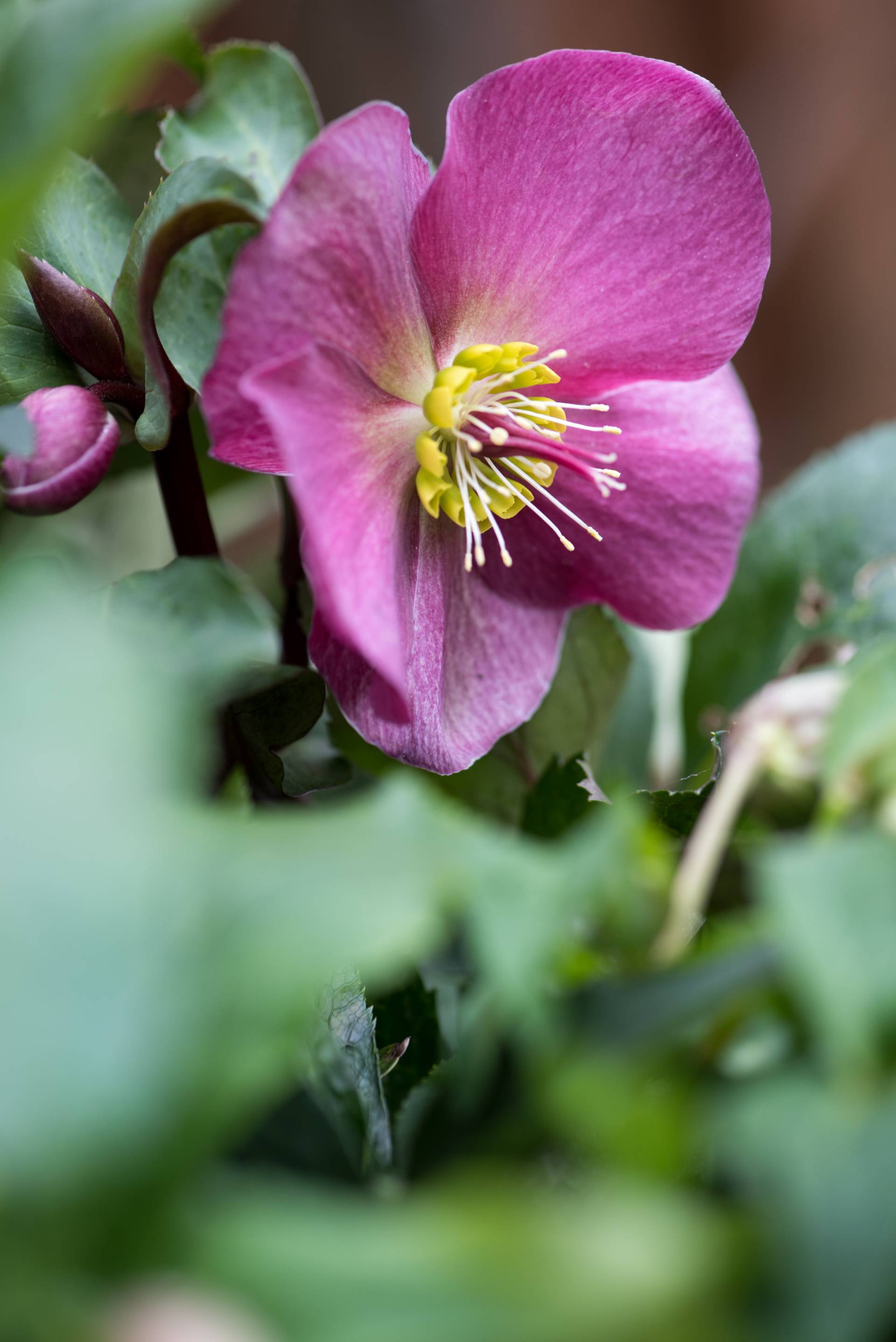
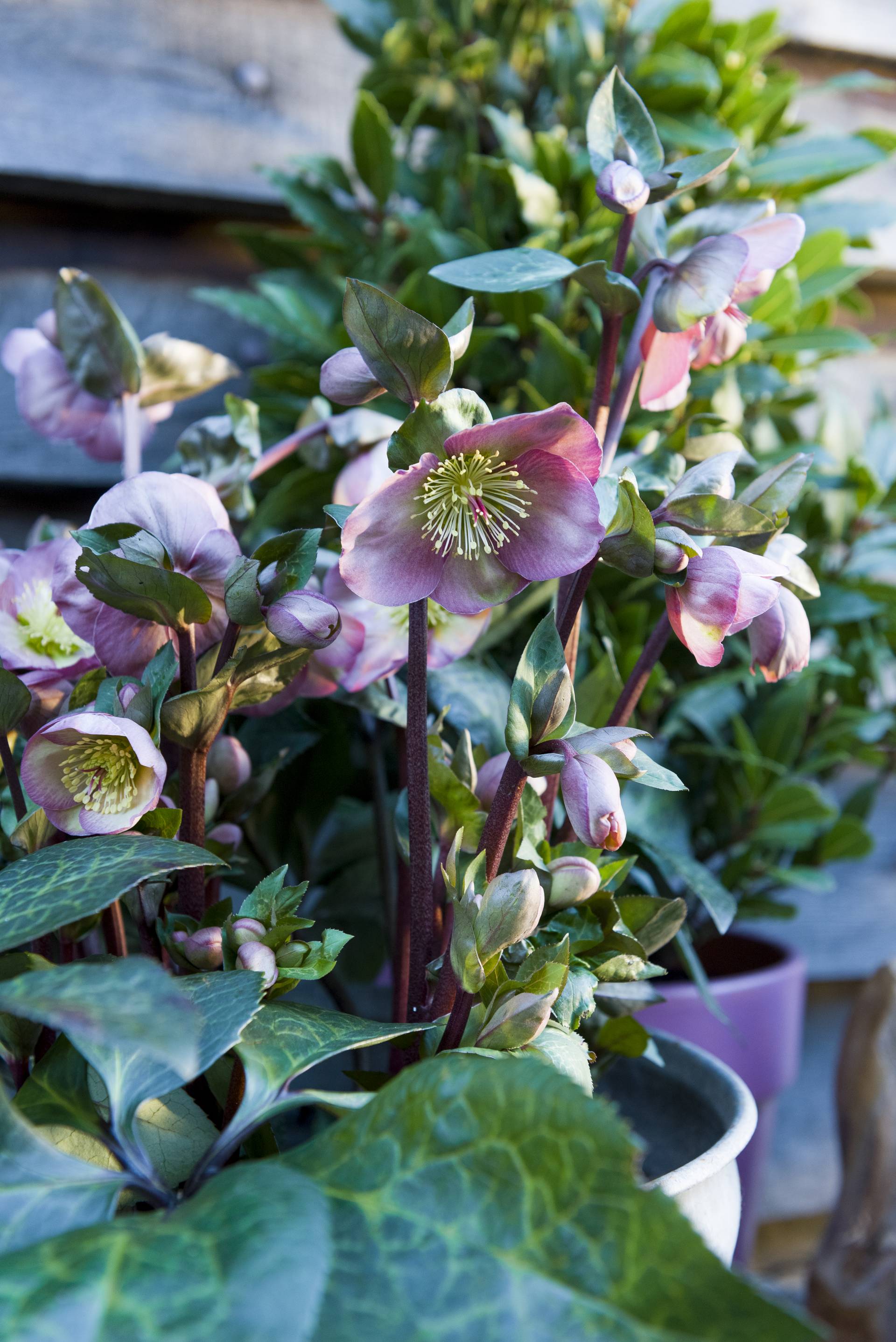
When the rest of the garden is in deep hibernation, the Christmas Rose, also known as Helleborus, will put a big smile on your face. How? With its deep green leaves and radiant flowers. It blooms from January through April and has a beautiful crown-shaped heart. Whether in the ground, in pots, or in planters, the Christmas Rose shines anywhere.
Position: give your Christmas Rose a sheltered, sunny spot, ideally near a wall. The more shade it gets, the fewer flowers it will produce.
Watering: the Christmas Rose shows you when it needs extra water by letting its leaves droop.
Want to know more? Take a look at the Christmas Rose plant guide.
2
Camellia
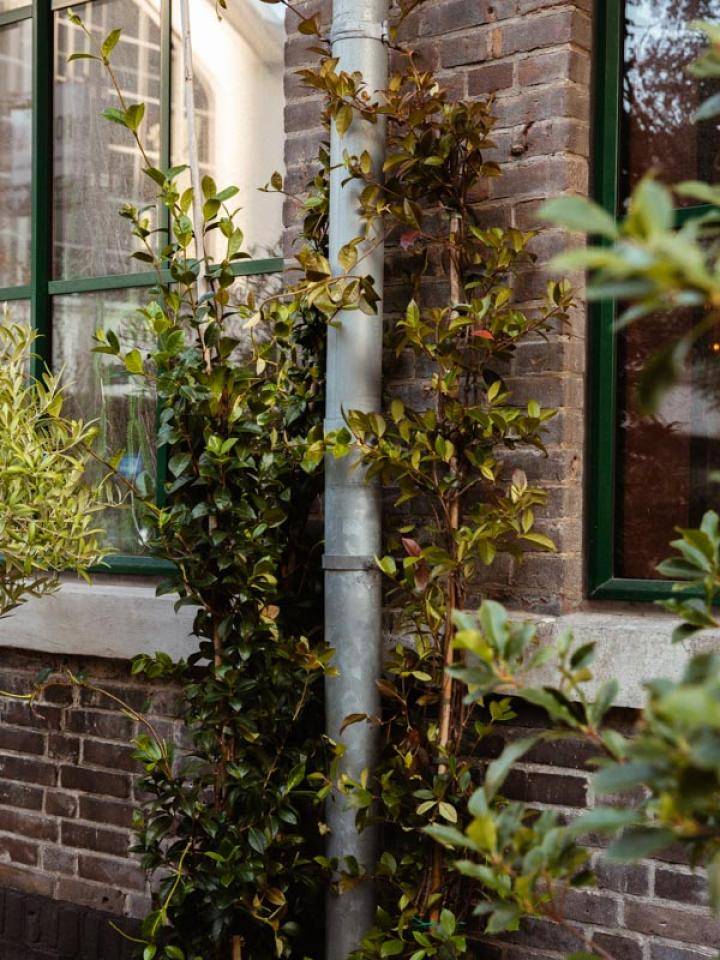
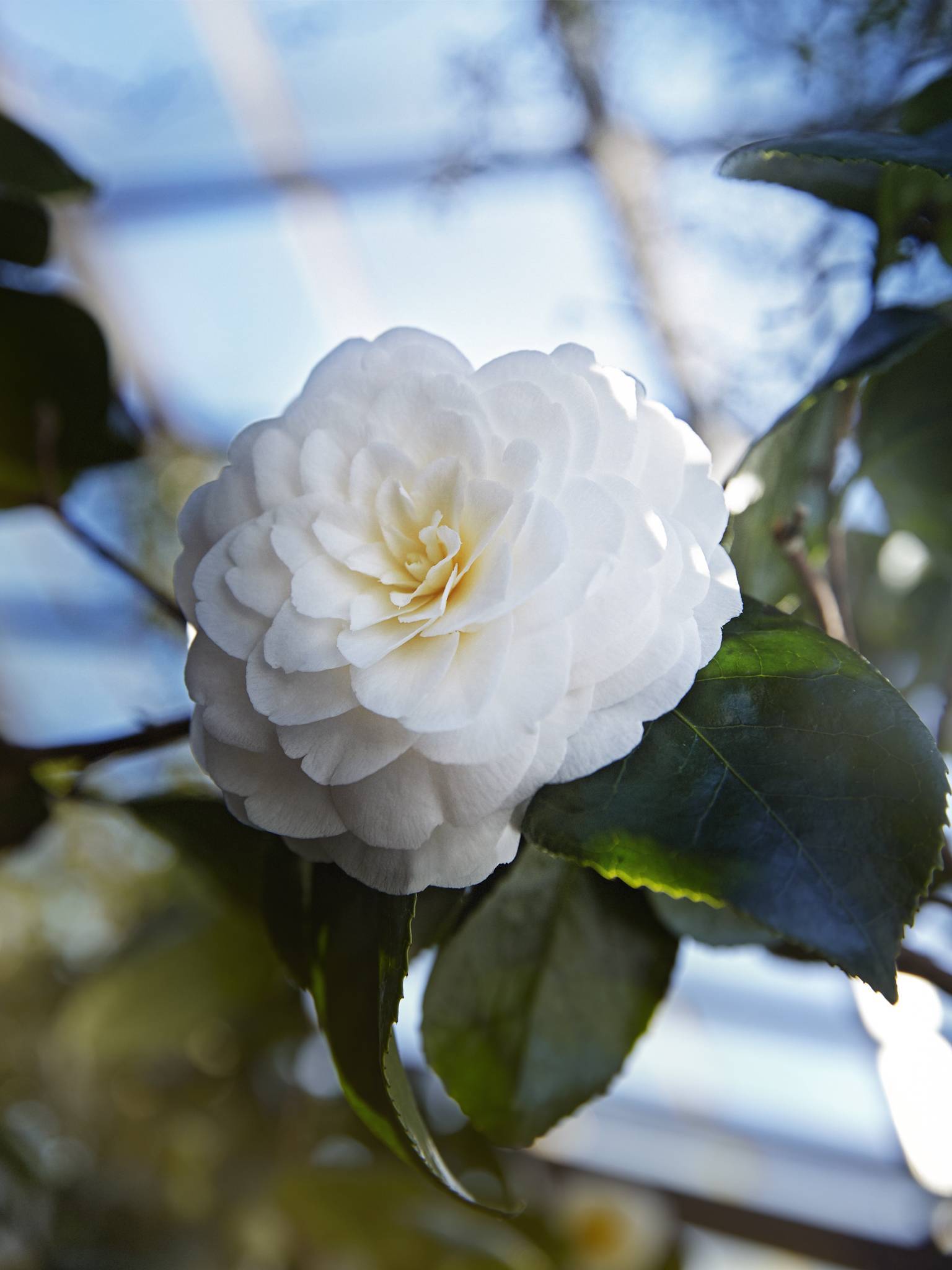
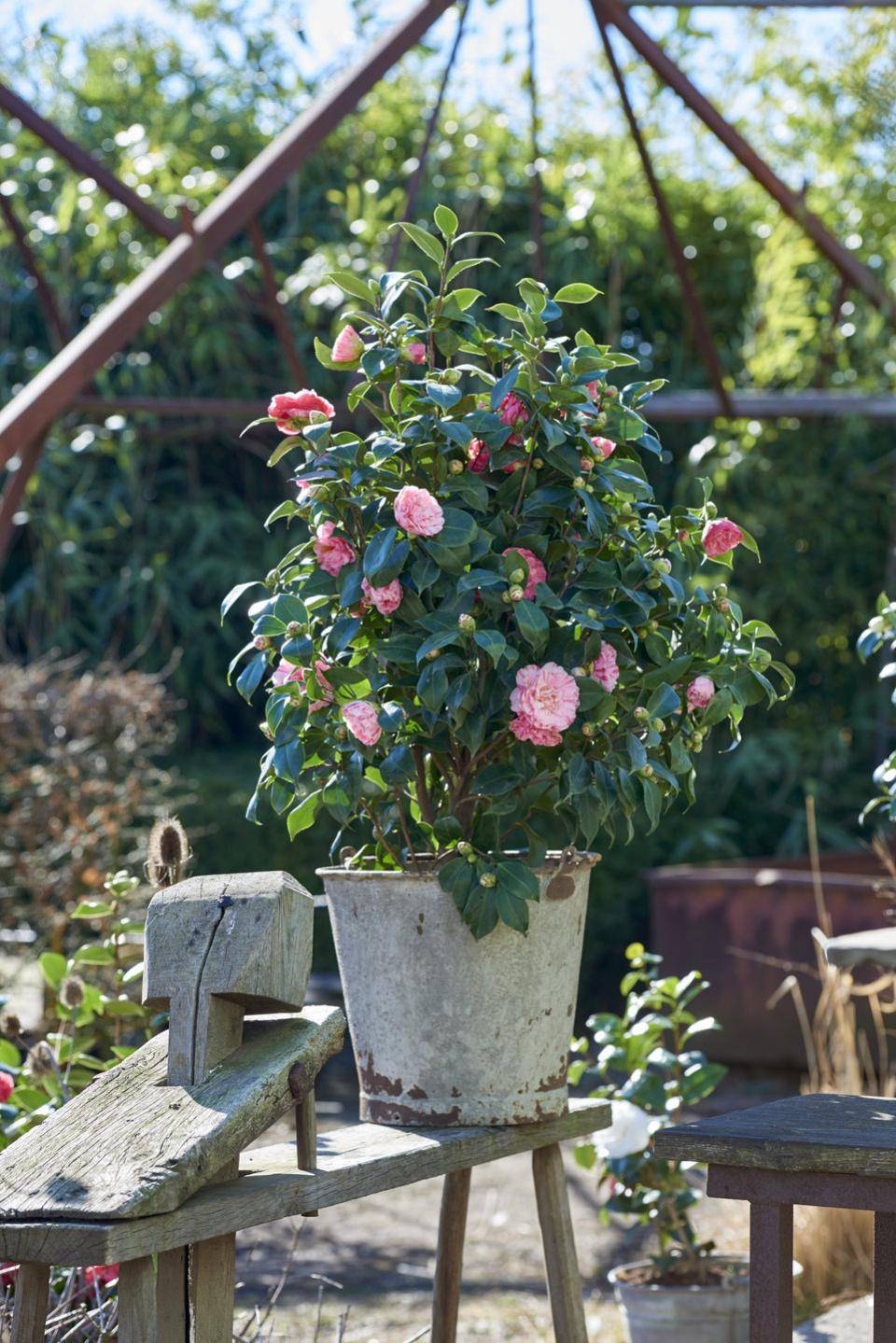
With its glossy, dark green leaves, the Camellia is already a stunner before it even starts flowering. Then, in winter, roselike blooms unfold in white, red, pink or purple. The exact flowering period differs per variety, but generally falls between February and April.
Position: place your Camellia in partial shade.
Watering: if the winter is mild and there is little rainfall, water the dry soil. Prefer rainwater to tap water, as it helps maintain the right soil acidity.
Want to know more? Explore the Camellia plant guide.
3
Skimmia
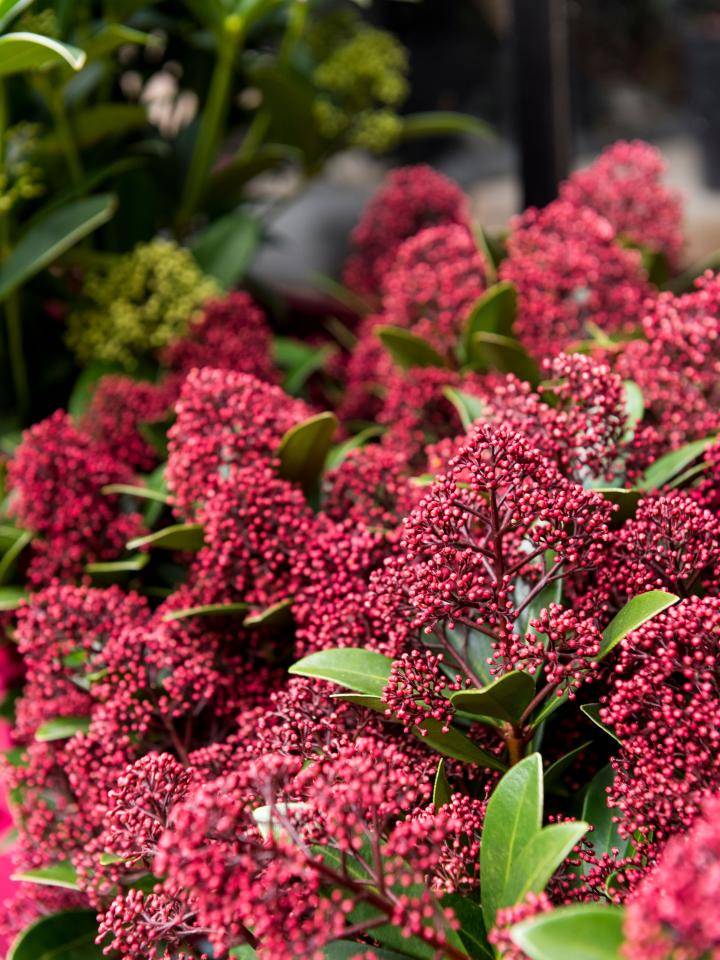
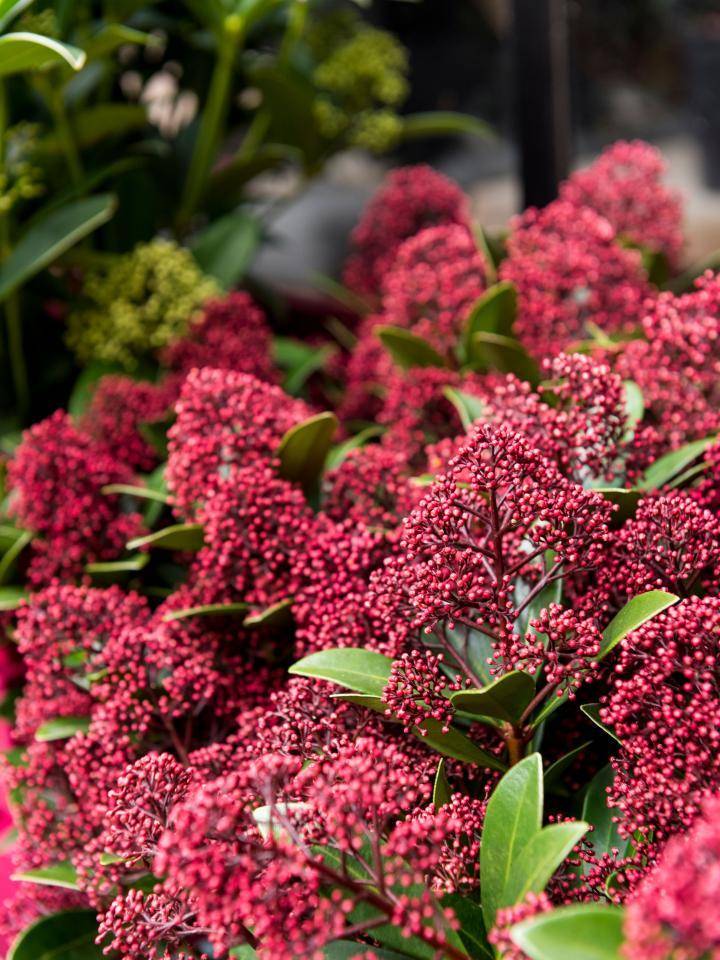
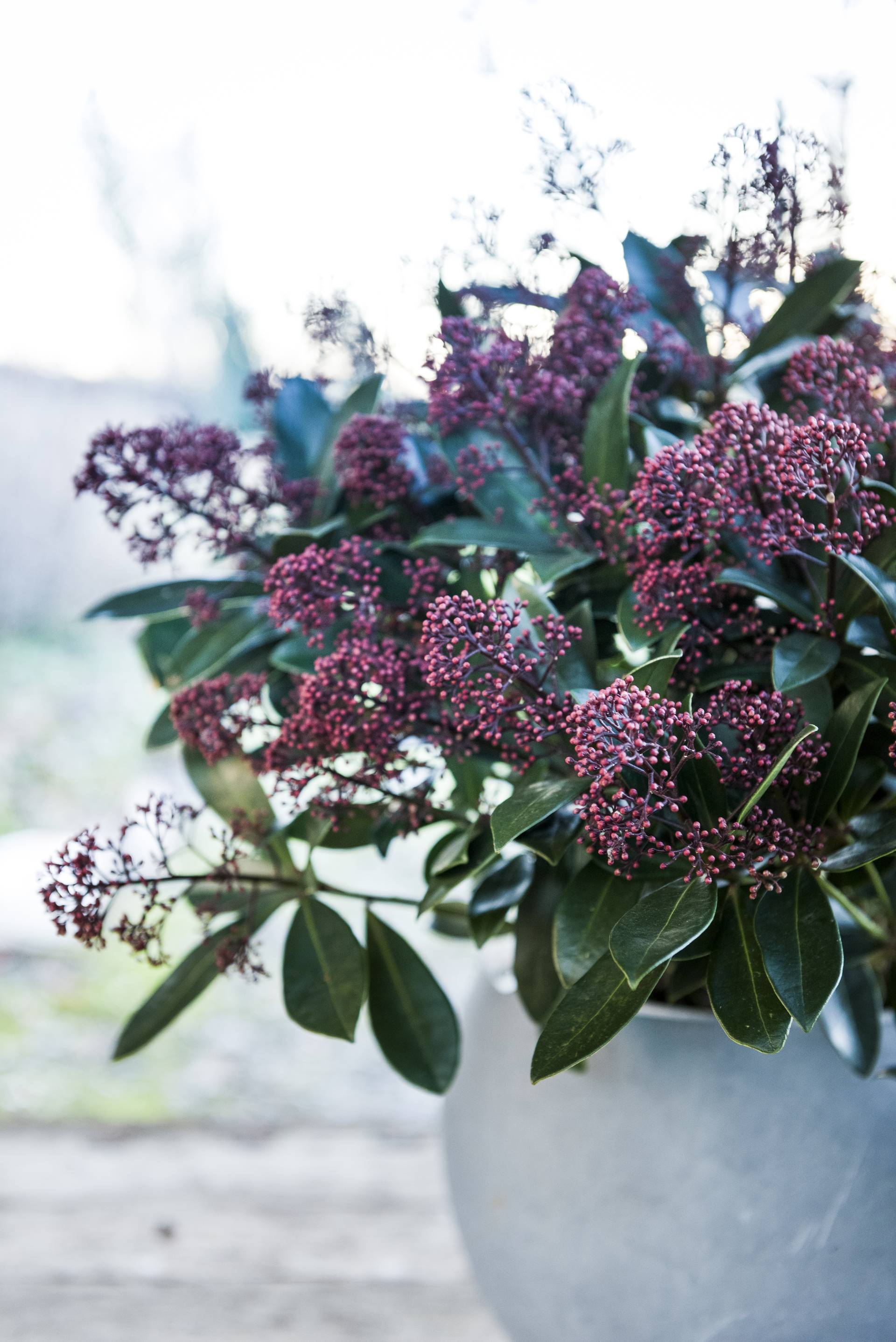
Skimmia is fresh green in spring, treats you to fragrant flowers in late summer and brings colour in winter with its shiny berries. In autumn, the berries transition from green to bright red. Unlike many other berry-producing plants, birds and small animals are not particularly fond of Skimmia berries. That means they stay put for ages, so you can enjoy plenty of colour in your garden or on your balcony.
Position: Skimmia prefers a shady spot. This is where the berries develop best.
Watering: Skimmia dislikes soggy soil. It prefers to grow near trees, which naturally draw moisture from the ground. Extra watering is usually not needed.
Want to know more? Visit the Skimmia plant guide.
4
Winter Pansy
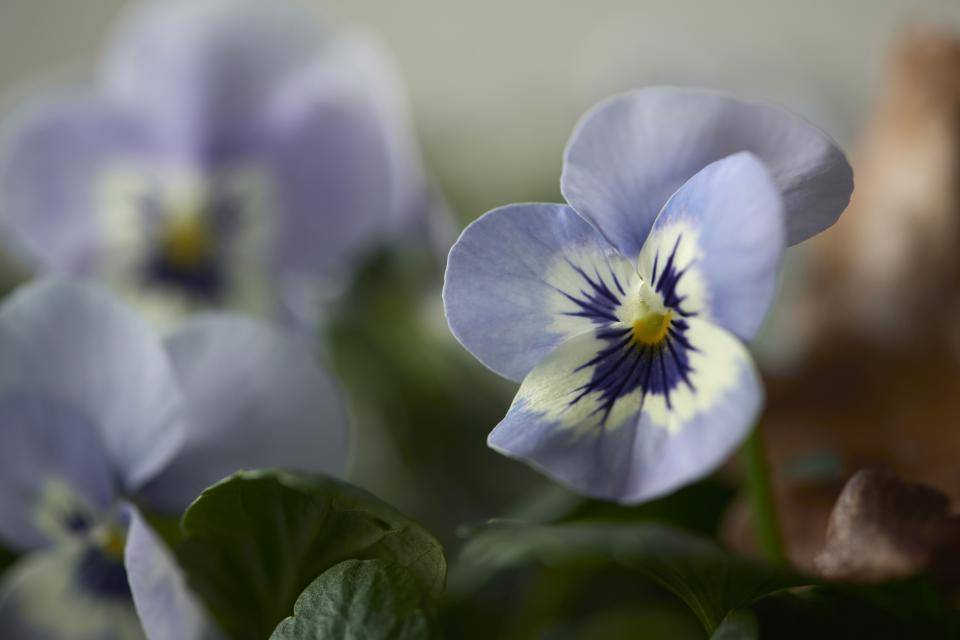
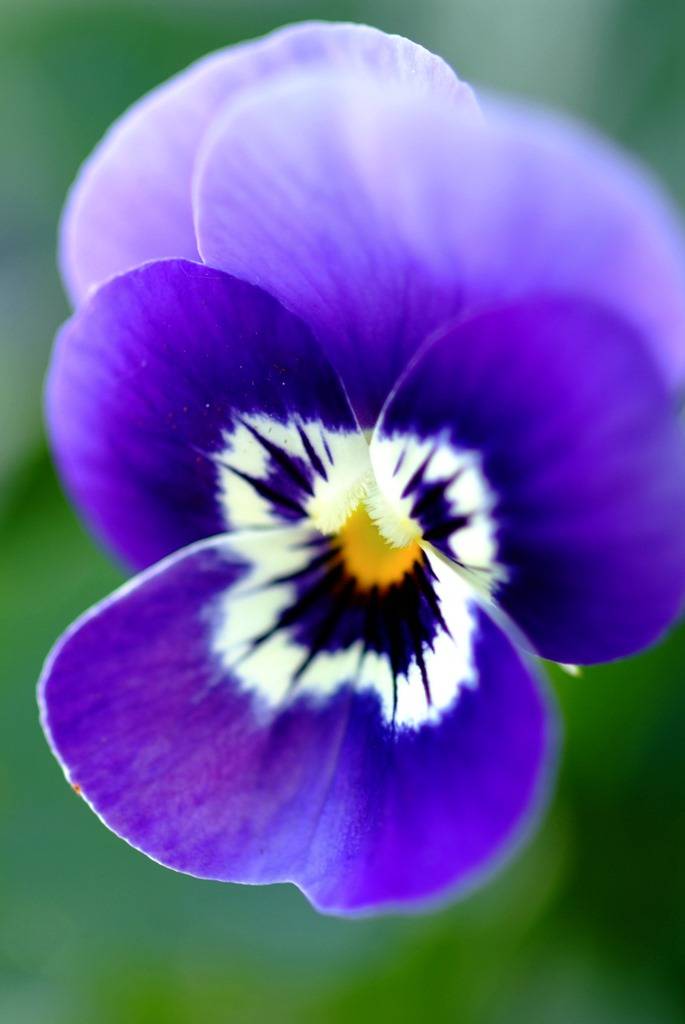
Vibrant colours and cheerful little faces. Winter pansies are the perfect remedy for a winter slump. They add colour to the garden and balcony all winter long and even into spring. Pop them in a pot on the table, a hanging planter on the wall, or plant them straight into the ground. Winter pansies shine everywhere. For the best effect, plant them close together.
Position: winter pansies love a spot in the sun or partial shade.
Watering: if your pansies are in pots or hanging baskets, make sure the soil stays moist.
Want to know more? Check the (Winter) Pansy plant guide.
5
Hazel
You probably know Hazel as twisty branches used for Easter decorations, but this cheerful bloomer looks beautiful in the garden all year round. Hazel is a shrub that grows like a small tree and can reach up to six metres in height. Depending on the variety, it flowers in January, February and March with yellow tassels full of tiny blossoms. They instantly lift your mood.
Position: Hazel prefers a sunny spot, but it also tolerates partial shade.
Watering: Hazel does not cope well with drought. The soil should stay lightly moist. Water your shrub during dry spells.
Want to know more? Read the Hazel plant guide.
6
Winter heather
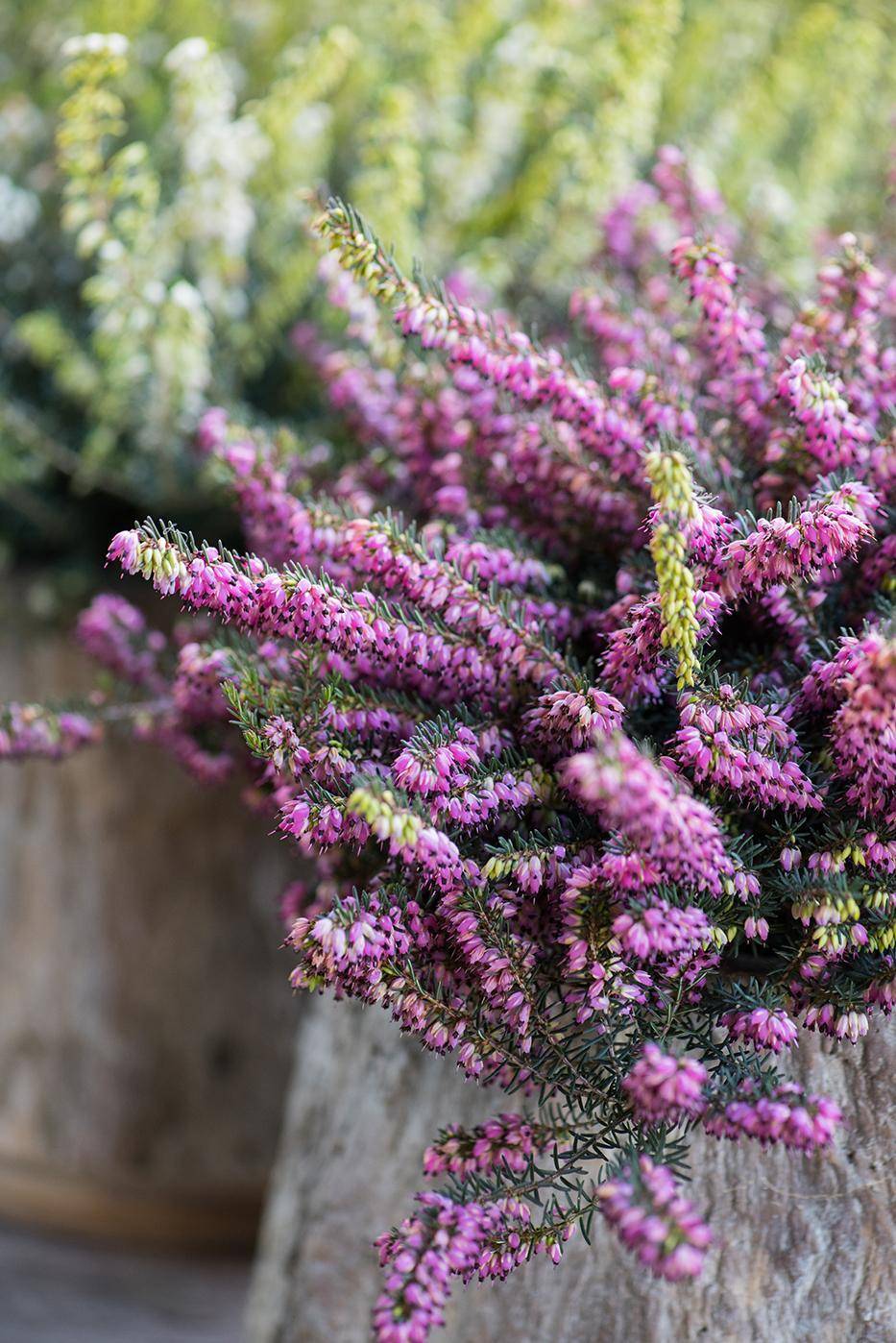
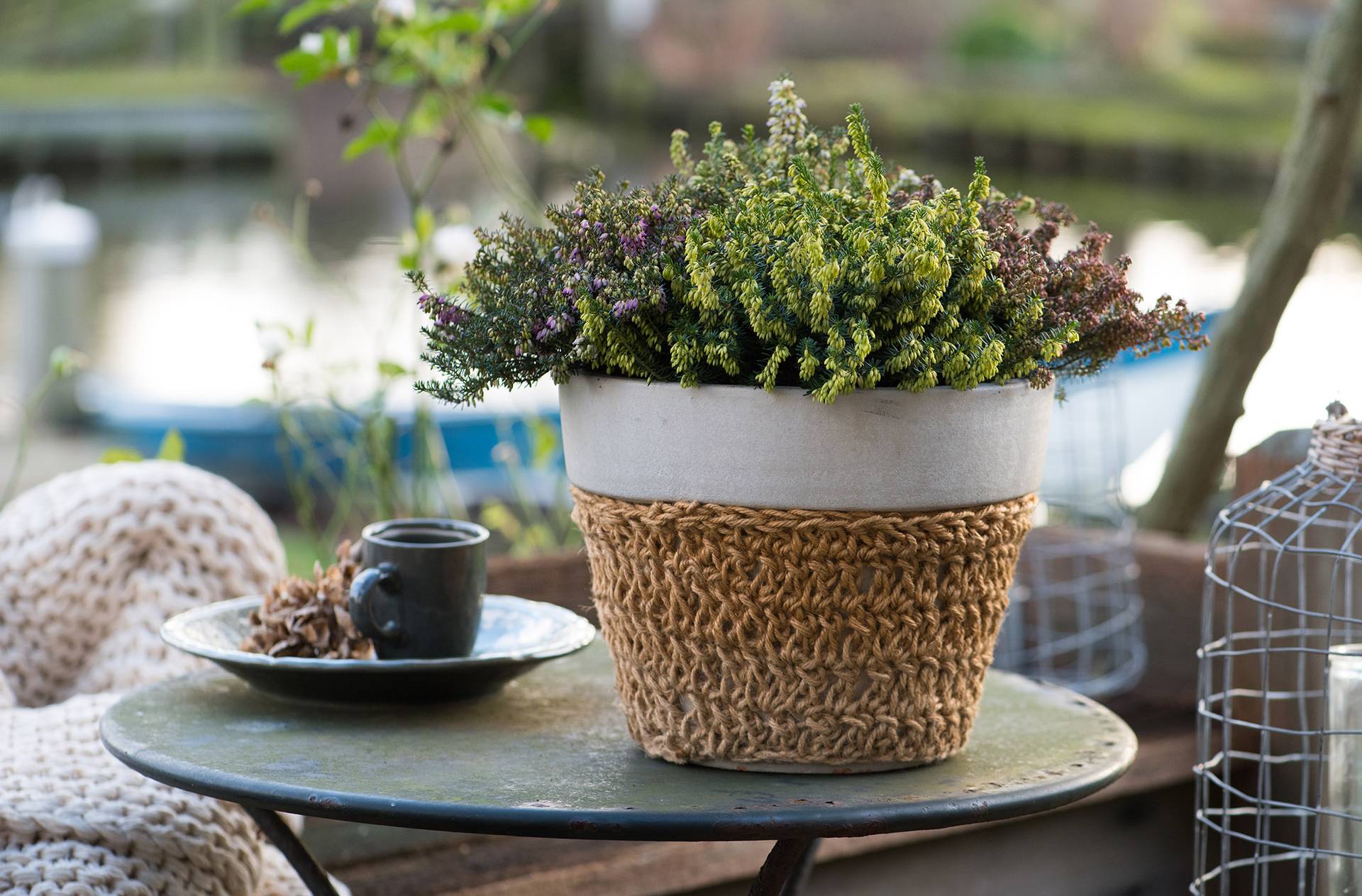
Tiny flowers, loads of colour. That is Winter heather in a nutshell. Whether in the ground or in pots and planters, this evergreen shrub produces a stunning display of pink, red, purple, white or yellow blooms. The flowers are tough and keep going even in the snow. Depending on the variety, Winter heather blooms between December and April. Fancy more flowering heather after that? Summer Heath is ready and waiting.
Position: give Winter heather a sunny spot or partial shade.
Watering: water during dry periods. It prefers an occasional generous splash rather than frequent small amounts.
Want to know more? Browse the Winter heather plant guide.
Meer inspiratie
Ready to get planting with these winter bloomers? We get that. First, have a look at this article to make sure you know exactly how and when to plant your garden favourites. And if you are curious which plants add colour after winter, discover these 5 beautiful bloomers that bring cheerful spring colours to your garden or balcony (after Ice Saints).