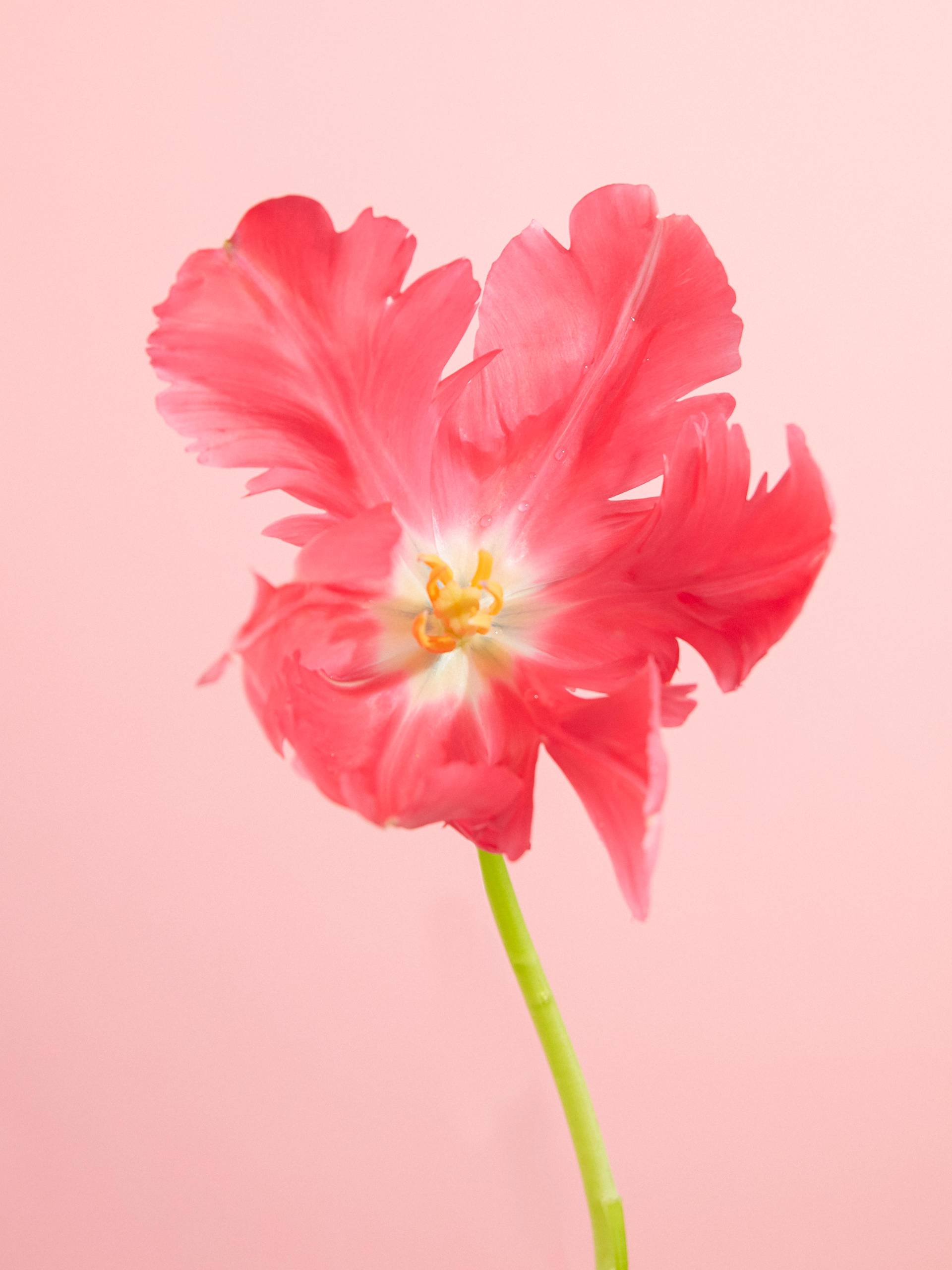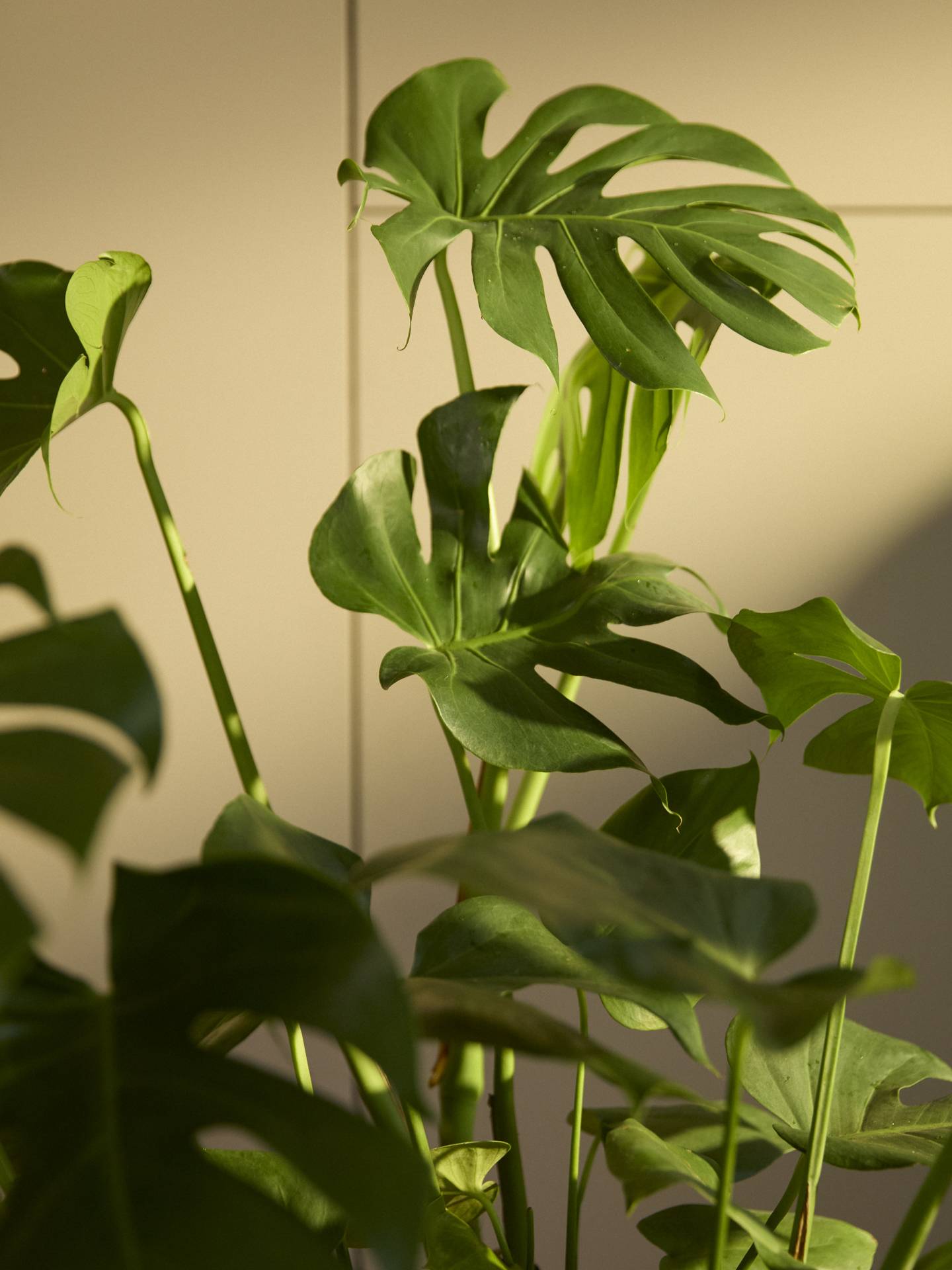
The Gardenia (Gardenia jasminoides), also known as Cape Jasmine, is loved for its delightful fragrance and lush, ivory-white flowers. With its glossy, dark green leaves, it is a real showstopper in the home. Yet many plant lovers find it a little challenging: it needs careful watering, dislikes harsh afternoon sun and quickly lets you know when something is wrong. In this guide, you will discover everything you need to keep your Gardenia healthy and flowering, from light and feeding to tackling yellow leaves and brown buds.

Gardenia characteristics and flowering
Gardenia has leathery, dark green leaves with clearly visible veins. Its beautifully shaped flowers start out creamy white, gradually take on a soft cream hue as they age and release a sweet, uplifting fragrance reminiscent of Jasmine. With the right care, a mature plant can produce up to a hundred flowers in a single season. Gardenia belongs to the Coffee family (Rubiaceae), which also includes popular houseplants such as the Coffee Plant (Coffea arabica) and Pachira.
Gardenia characteristics and flowering.
Indoors, Gardenia usually flowers from April to August. With enough light, it may produce another round of buds in autumn. Outdoors, in a pot on a sheltered patio, it flowers slightly later, from June to September.

Caring for Gardenia
A consistent care routine is the key to long-lasting flowers.
Light for Gardenia
- Place the plant somewhere with plenty of bright, indirect light.
- Avoid harsh afternoon sun; morning or evening sun is perfect.
- In winter, you can move the Gardenia to a brighter spot so it receives enough daylight.
Watering Gardenia
- Keep the potting compost consistently slightly moist, but never waterlogged.
- Ideally, use lukewarm water with a low lime content.
- Mist the leaves weekly to increase humidity; this helps prevent brown leaf edges.
Feeding Gardenia
- From March to September, feed every two weeks with a fertiliser for acid-loving plants.
- Every two years, replace the top five centimetres of potting compost with fresh, lime-free compost. Read more about suitable potting compost for Gardenia.
Gardenia not flowering? Possible causes
- Not enough light. Move it closer to an east-facing window.
- Temperature fluctuations. Avoid draughts and do not place it above a radiator.
- Too much lime in the water. Use rainwater or filtered water.
- No dormant period. Give the plant a cooler spot in winter (around 15°C) and reduce feeding.
Yellow or brown leaves on Gardenia
Yellow leaves often indicate hard water or overly wet compost; brown edges are usually caused by dry air. Flush the potting compost with soft water and increase humidity using a dish of water or a humidifier.
Taking Gardenia cuttings and pruning Gardenia
Prune lightly after flowering to keep the plant compact. You can take cuttings from the tips of healthy shoots in spring: place them in moist cutting compost, cover them with a plastic cover and keep them warm (around 24°C) until they develop roots. Want to learn more about taking cuttings? Follow the step-by-step guide in this article and discover everything you need to know about taking cuttings!

Gardenia species and varieties
There are more than 200 botanical species of Gardenia, but only a handful are grown as ornamental plants. Below are the best-known species, followed by several popular cultivars:
- Gardenia jasminoides: the species most commonly grown indoors. Well-known cultivars include ‘Veitchii’ (abundant flowering), ‘Frostproof’ (compact) and ‘Radicans’ (dwarf variety).
- Gardenia taitensis: also known as Tahitian Gardenia. This species has larger, star-shaped flowers and is loved for its intense fragrance.
- Gardenia thunbergia: this is a fast-growing shrub suited to milder climates; it is often used as rootstock or as a garden plant in subtropical regions.
- Gardenia volkensii: native to Africa and more resistant to heat and drought than G. jasminoides.
Each species has its own charm, but all Gardenias share the same characteristic glossy leaves and intoxicating fragrance.
Is Gardenia toxic?
No, Gardenia is non-toxic to people and pets, making it a safe choice for families with children or curious cats. Discover which plants are safe and unsafe for pets in this article.

Gardenia symbolism
On the Polynesian islands, people wear Gardenias behind the ear to indicate their relationship status: the right means single, while the left means taken. In Western Europe, the flower became popular as a boutonnière through Edith Wharton’s novel “The Age of Innocence”. Gardenia symbolises love, romance and secret affection.
Origin of Gardenia
The plant grows naturally in Southeast Asia. Chinese painter Xu Xi depicted it as early as the 10th century, and in the 18th century, physician and botanist Alexander Garden described the species, which was named after him.