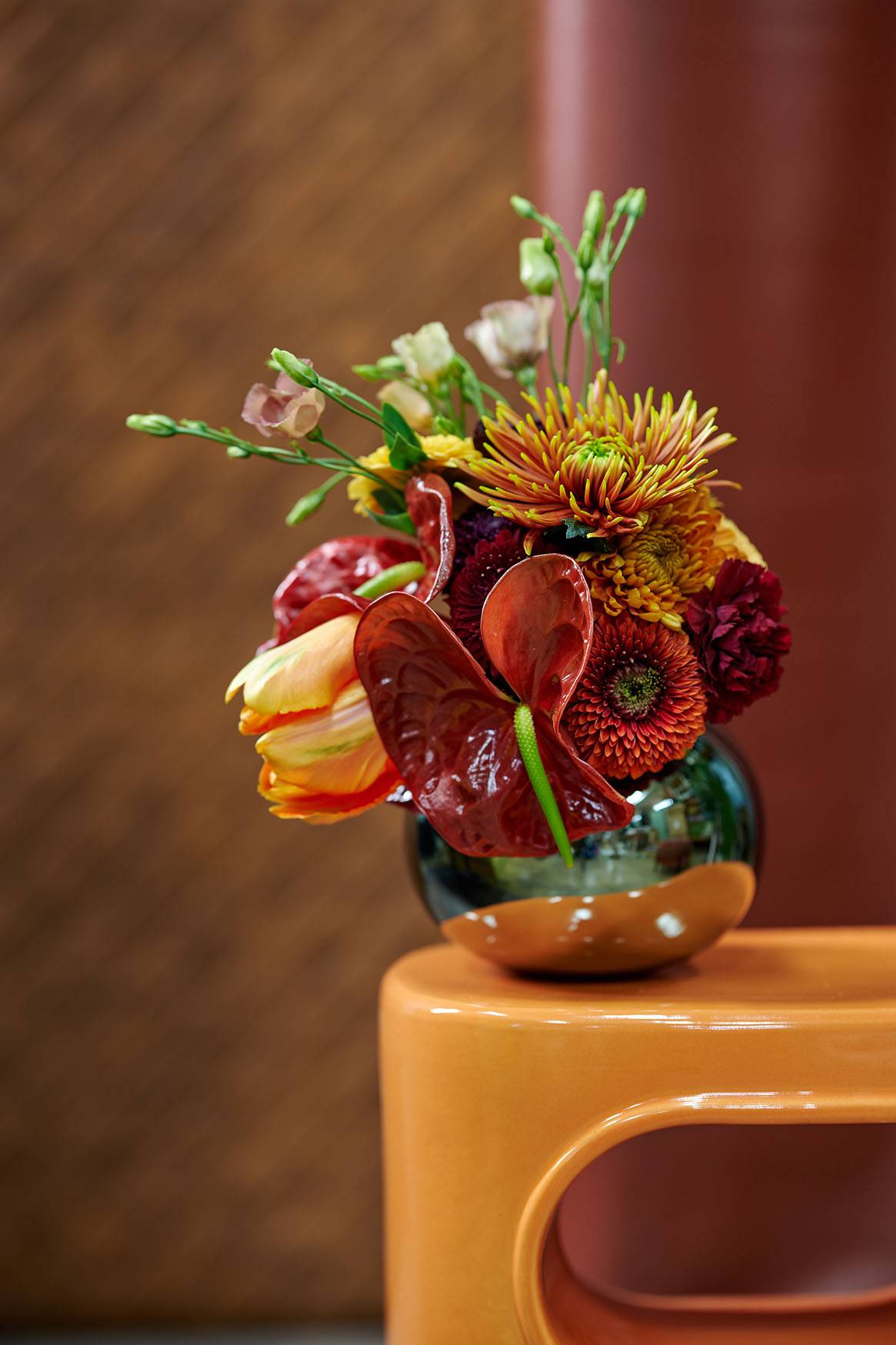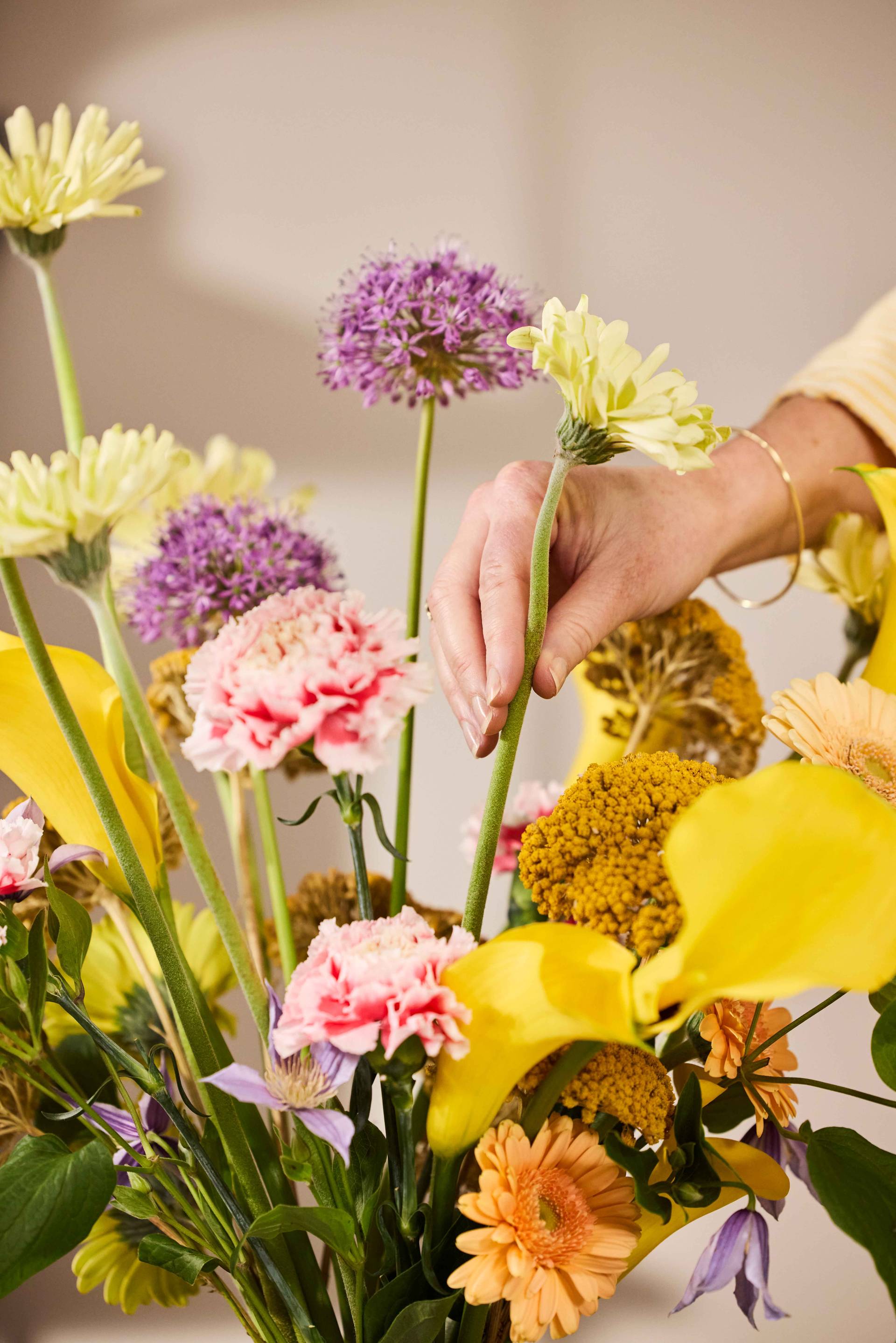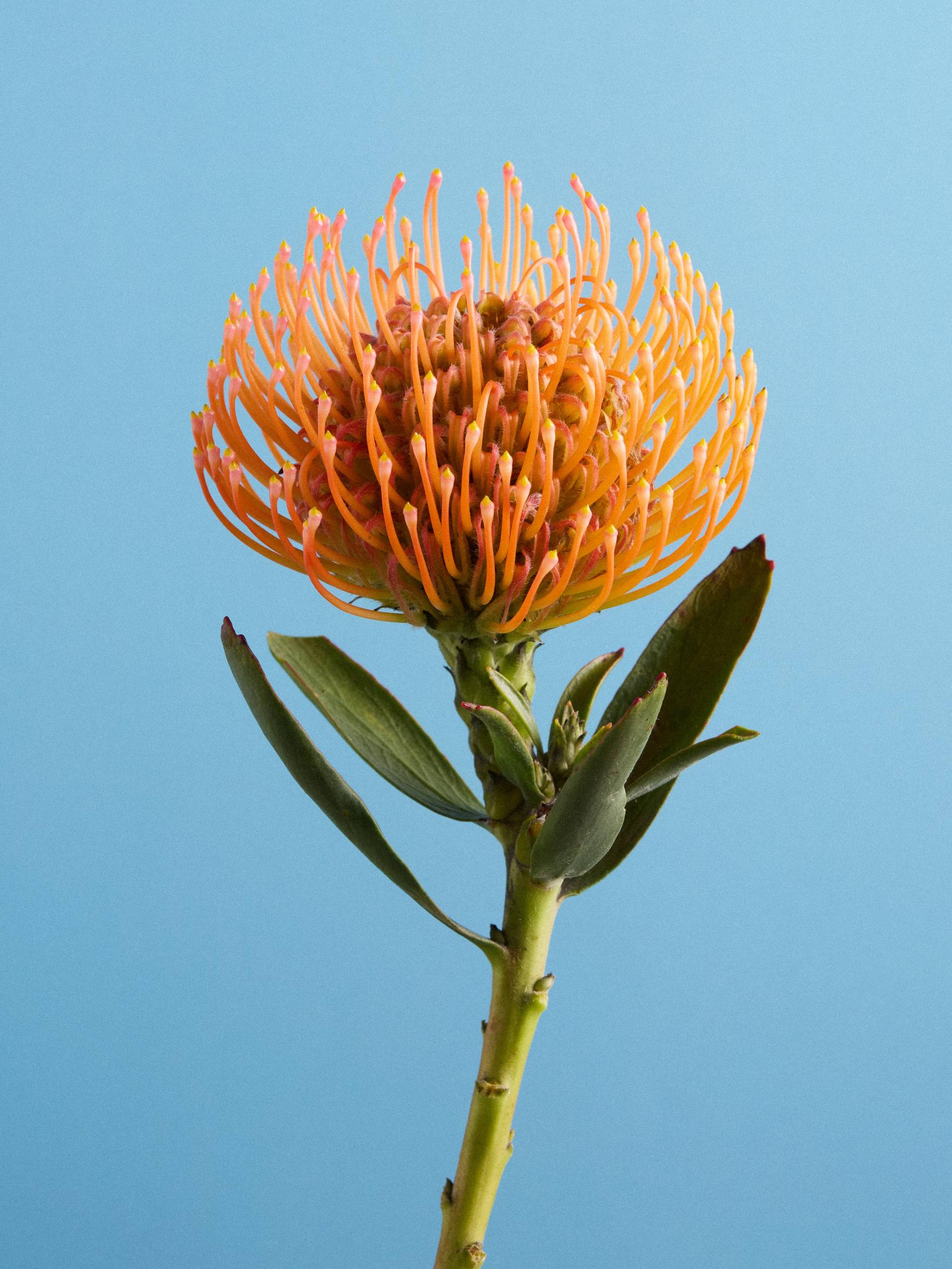


You come home with an armful of flowers, pop them in a vase and somehow they still don’t look quite like they do at the florist’s. Sound familiar? Then the 3-5-8 rule is your new best friend. This simple rule of thumb tells you exactly how many large, medium-sized and small flowers you need for a balanced bouquet. Here’s how it works and how to put it into practice, step by step.
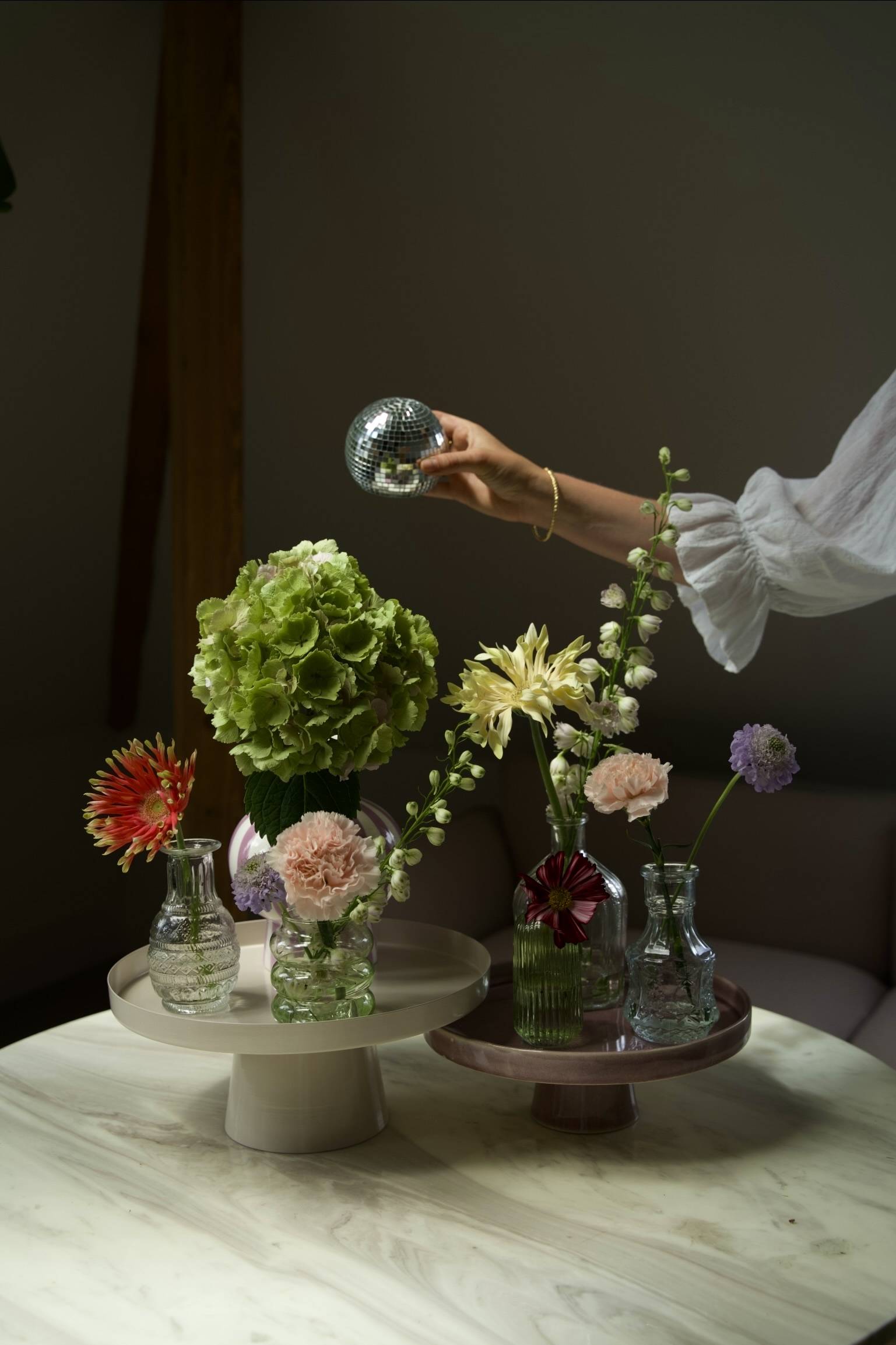
What is the 3-5-8 rule in flower arranging?
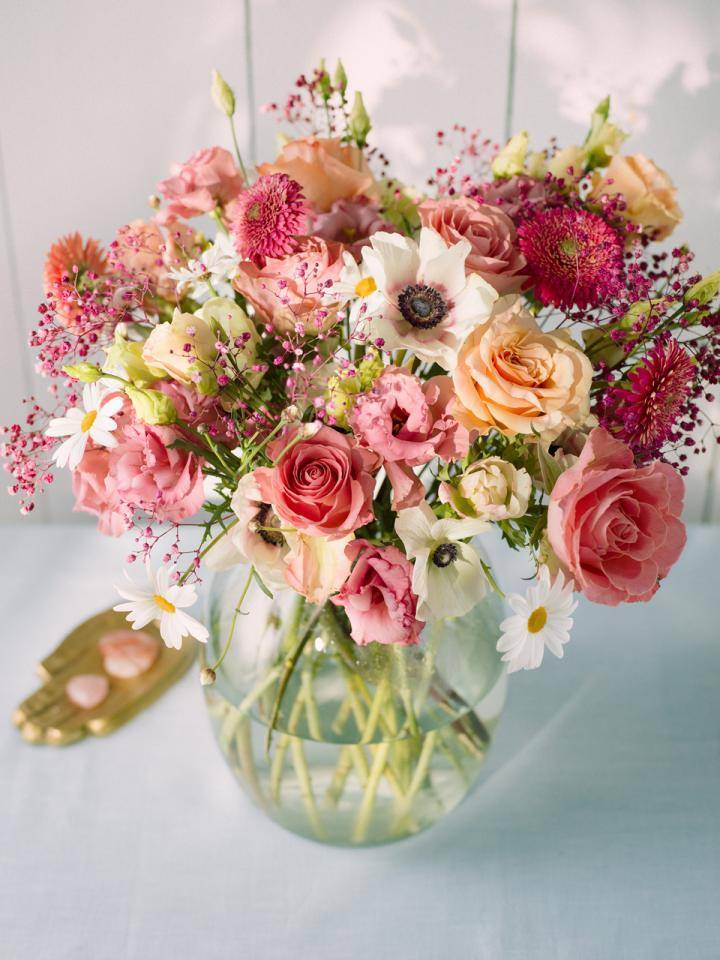
The 3-5-8 rule is a handy guide to how many flowers and sprigs to put in your vase. Choose 3 large statement flowers, 5 medium-sized flowers and 8 smaller flowers, delicate fillers or sprigs of greenery. Using three different sizes creates depth naturally and gives your bouquet a balanced, uncluttered look. No single flower steals the show, and there are no gaps to distract the eye.
Good to know
The 3-5-8 rule is a flexible guide. Professional florists often arrange by eye and happily adjust the numbers as they go. If you’re just starting out or occasionally arrange a bunch for the table, it’s a handy starting point.
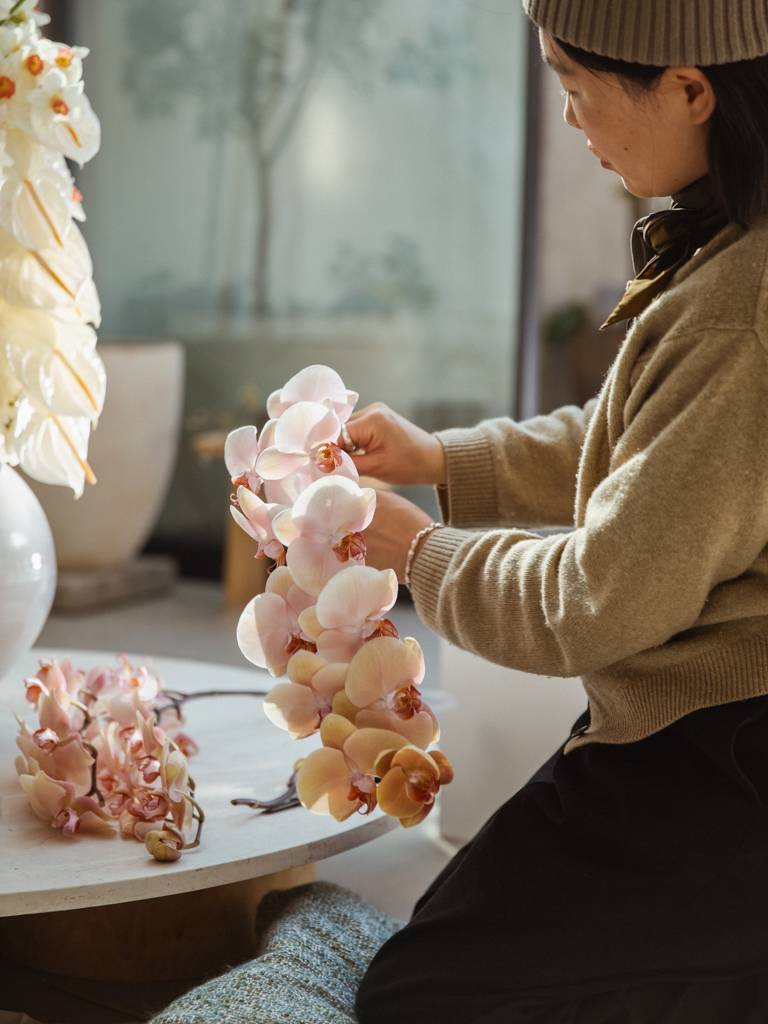
3 large statement flowers
The three largest flowers form the heart of your bouquet. These are the blooms that catch your eye first. Think Chrysanthemum, Peony, Hydrangea, Dahlia, Rose or Protea. If you can, choose three stems of the same type or colour. That gives your arrangement a clear focal point and keeps it from looking cluttered.
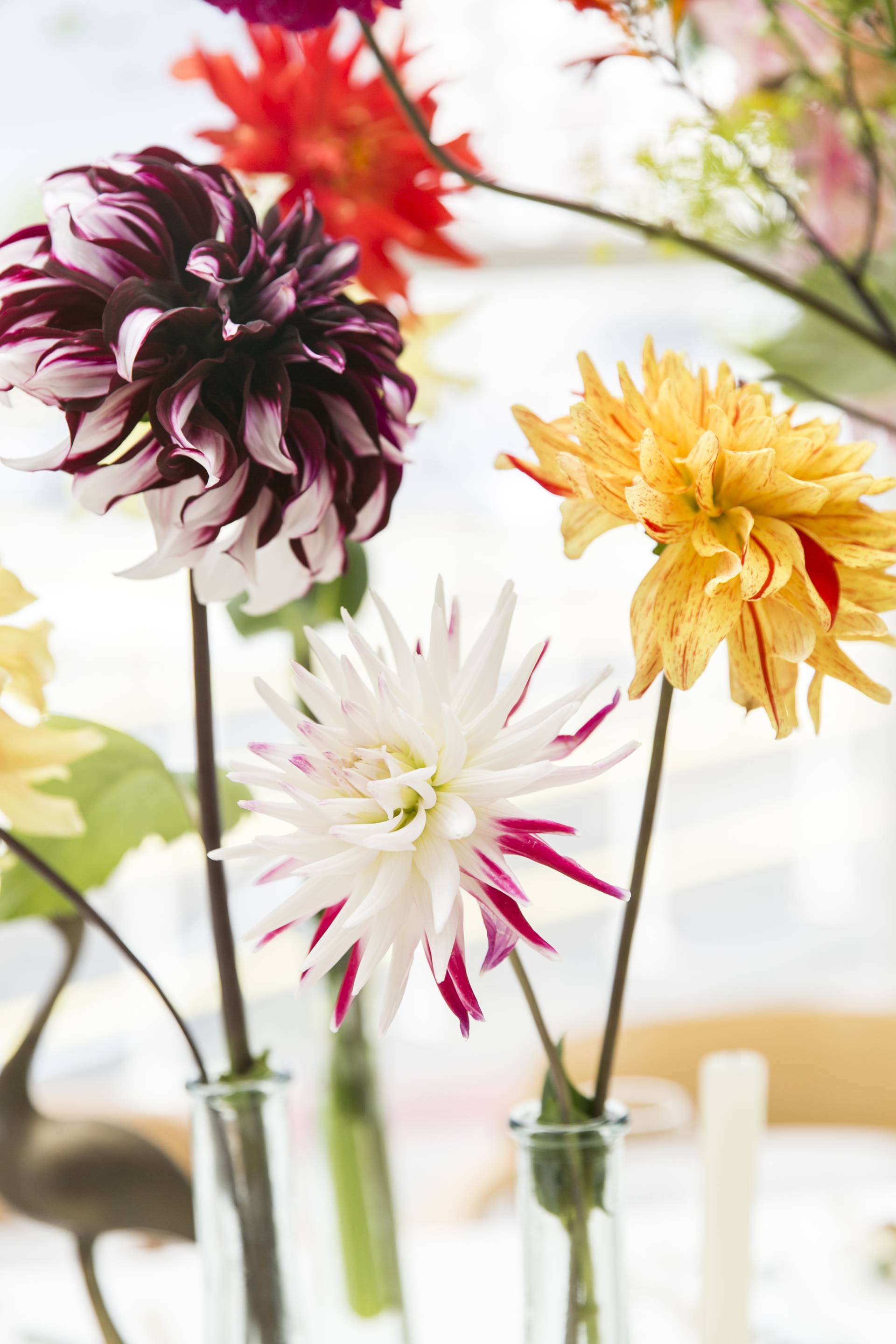
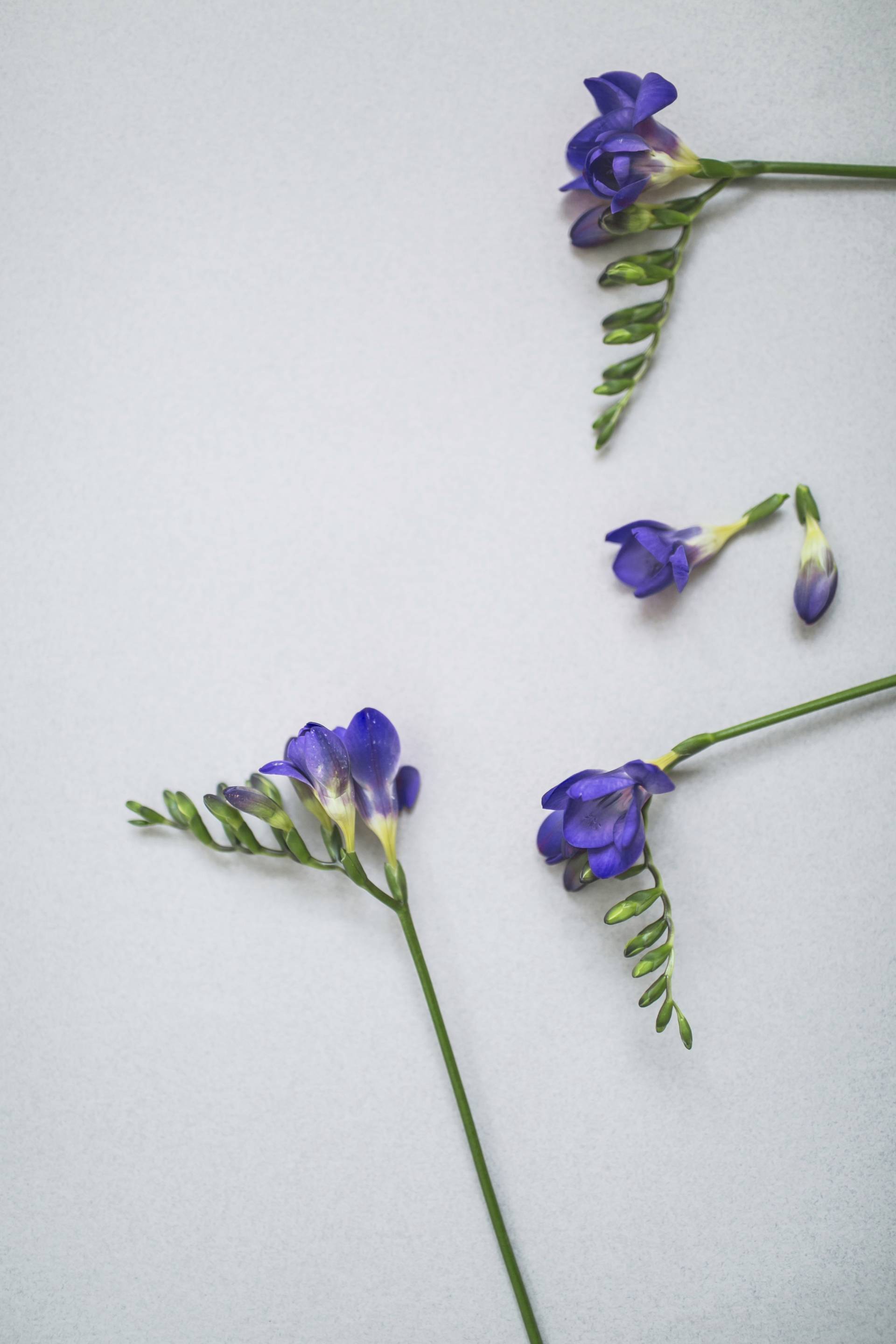
5 medium-sized flowers to fill out the bouquet
The five medium-sized flowers fill the space around your statement flowers and ease the transition from large to small. They’re a little more understated and still have plenty of character. Ranunculus, Tulip, Carnation, Freesia and Lisianthus are all lovely choices. Pick a colour that goes with your main blooms, or try a slightly lighter or darker shade for extra depth.
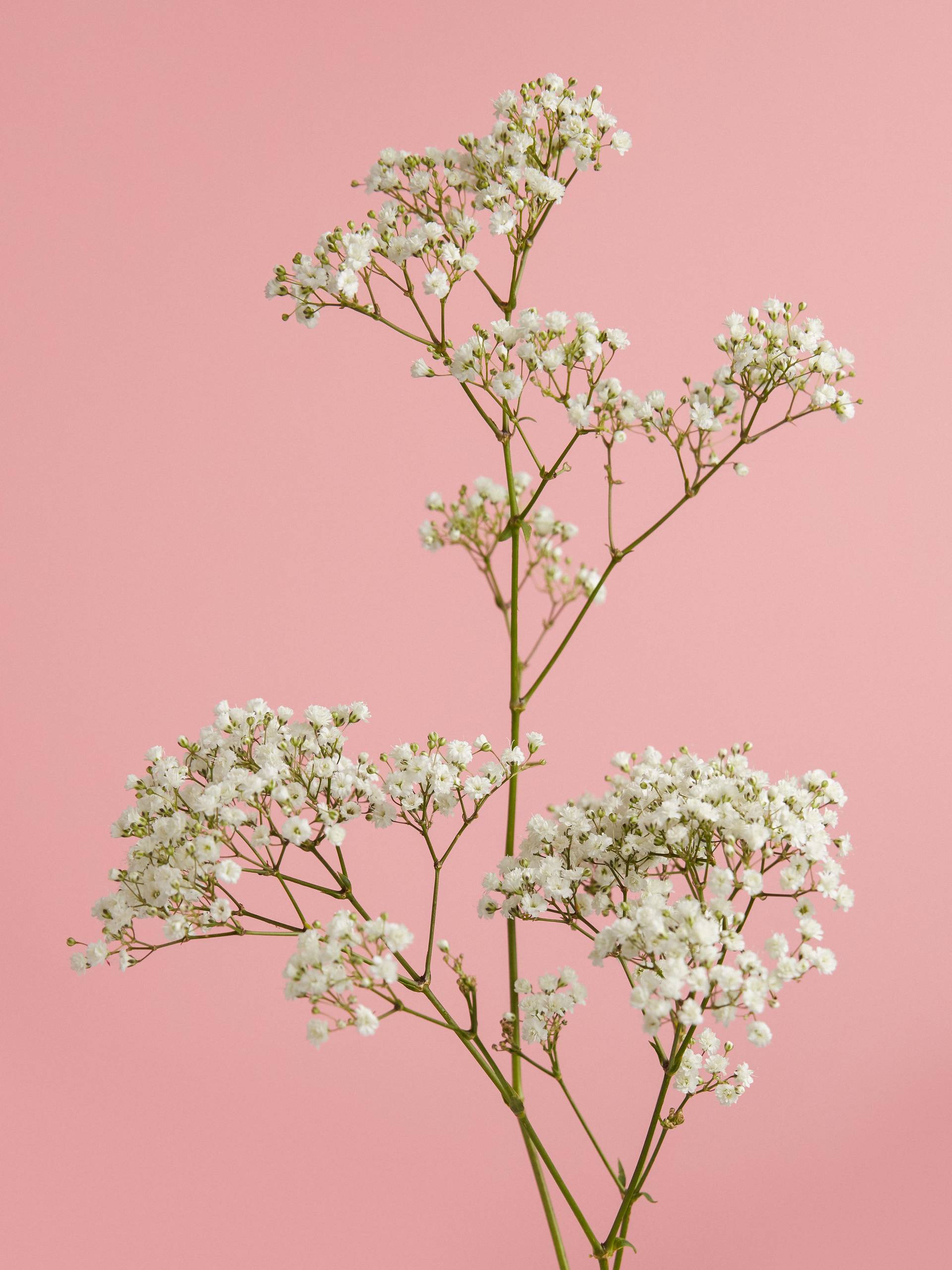
8 small flowers, delicate fillers and greenery
The eight smallest stems bring your bouquet together. They add texture and give the bouquet a light, slightly tousled look. Think Gypsophila, Waxflower, Limonium, sprigs of Eucalyptus or ornamental grass. Greenery counts here too. Unsure what to pick? You can’t go far wrong with one type of greenery and one type of delicate flower.
You really don’t have to count out exactly 16 stems. Using a small vase? Just halve the numbers. It’s the balance between large, medium-sized and small that matters most.
Why odd numbers work in flower arranging
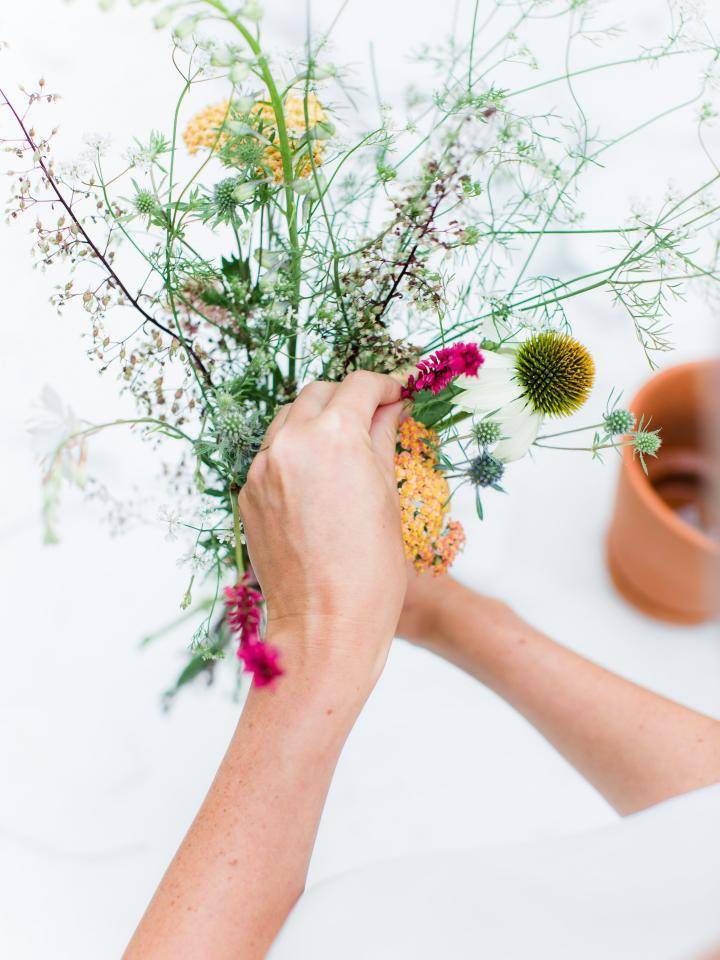
You might have spotted that two of the three numbers, 3 and 5, are odd. Odd numbers help you avoid arranging your flowers too symmetrically, giving your bouquet a looser, more natural look. It’s that same relaxed feel you get with a meadow-style bouquet.
A Biedermeier bouquet is an exception. Its neat, rounded shape relies on symmetry and even spacing. Read our article on making a Biedermeier or wildflower bouquet to find out how to arrange both styles.
How to arrange flowers in a vase using the 3-5-8 rule
Got your flowers ready? Let’s get started. Follow these steps to arrange them beautifully in a vase.
- Prepare your flowers. Use a sharp knife to trim the stems at an angle and remove any leaves that would sit below the waterline.
- Start with your 3 large statement flowers. Set them at different heights and stagger their positions, perhaps in a loose triangle.
- Add the 5 medium-sized flowers. Spread them around the main blooms to fill the larger gaps.
- Finish with the small flowers and greenery. Tuck them between the other stems and let a few poke out above the rest for a playful touch.
- Turn the vase and take a step back. You’ll see straight away where there’s still a gap or where things look crowded.
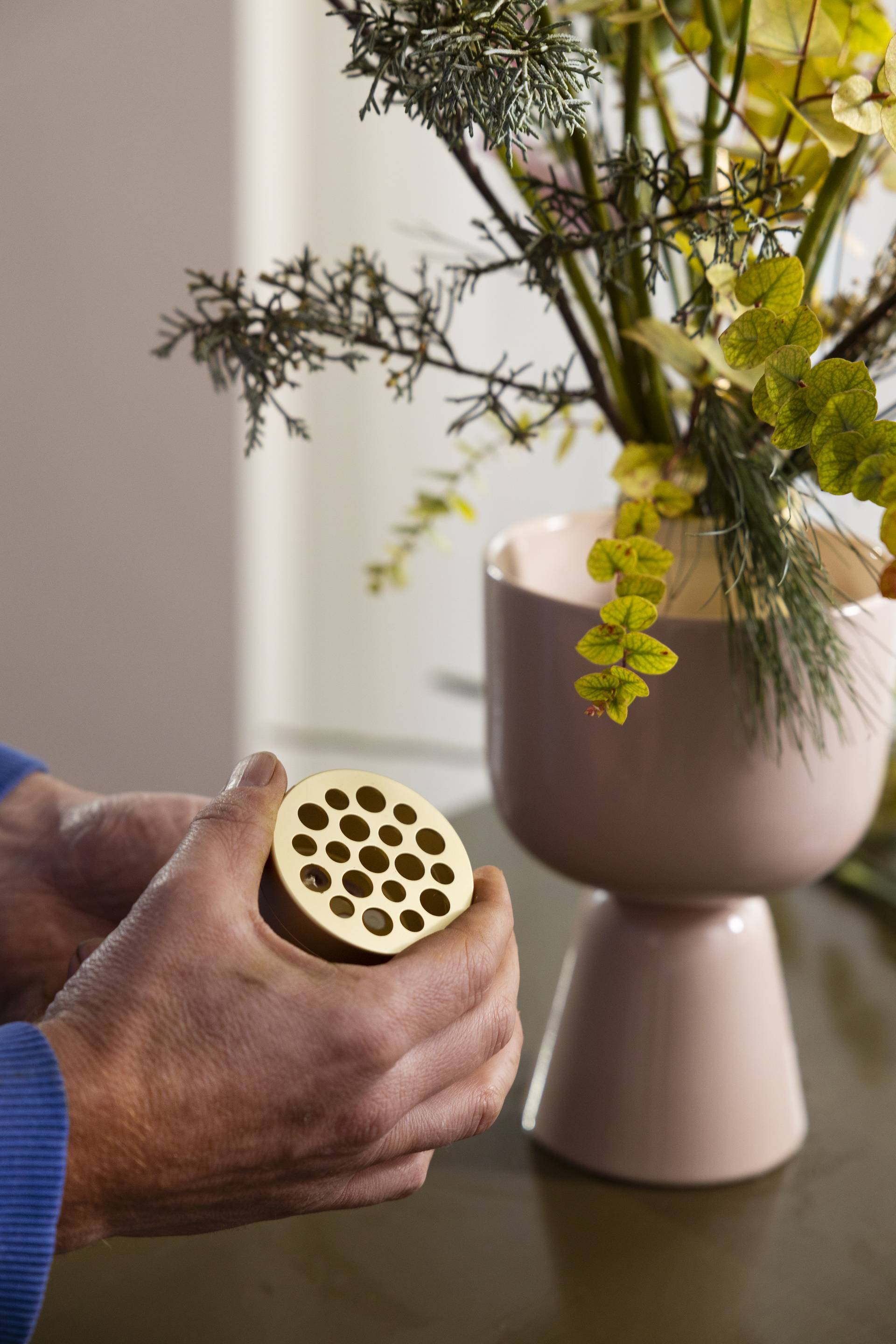
Want a bit more support inside the vase? A Flower frog or a Twister will hold your stems exactly where you put them. Our article on making your own floral arrangement will help you get started with your new hobby.
Basic flower arranging rules for beginners
Alongside the 3-5-8 rule, a few basic principles can make your bouquet look better straight away.
- Start by looking at the proportions of the vase and flowers. A common rule of thumb is to make your bouquet about one and a half to two times the height of the vase. If the stems are too short, the flowers disappear into the vase. If they’re too long, the arrangement can wobble.
- Keep your colour palette simple. Two or three colours that work well together often look better than the whole rainbow in one vase.
- Play with shapes and textures, such as a rounded Peony next to feathery grass.
- Finally, look at your bouquet from every angle. An arrangement that looks good all the way round instantly feels more professional. You’ll find more handy tricks in our practical flower arranging tips article.
How to keep your bouquet looking lovely for longer
Once you’ve arranged a beautiful bouquet, you’ll want to enjoy it for as long as possible. Use a clean vase, change the water every few days and trim a little more off the stems at an angle each time. Keep your flowers out of direct sunlight and away from radiators and the fruit bowl. You’ll find more advice in our article ‘7 tips for enjoying your flowers for longer’. You can also read about how to keep your bouquet looking lovely in your favourite vase.
Frequently asked questions about flower arranging
What are the right proportions in flower arranging?
The 3-5-8 rule is a handy guide for the flowers themselves. When it comes to the vase, a good rule of thumb is to make the bouquet about one and a half to two times the height of the vase.
How do you arrange flowers beautifully in a vase?
Start with the largest flowers at different heights, add the medium-sized flowers, then finish with the small flowers and greenery. Turn the vase as you go and step back to see how the bouquet looks from a distance.
What are the basic rules of flower arranging?
Use flowers of different sizes and decide whether to stick to two or three colours or go all out with a whole rainbow. Pay attention to the proportions of the vase and bouquet, and make sure your arrangement looks good from every angle. Odd numbers help you create a looser, more natural look.
Do you always have to follow the 3-5-8 rule?
No, it’s a flexible guide. It’s especially handy when you’re starting out. Once you have more experience, feel free to arrange by eye
Does the 3-5-8 rule work for a Biedermeier bouquet?
Not really. A Biedermeier is round and symmetrical, while the odd numbers in the 3-5-8 rule give you a looser, less symmetrical arrangement. That makes the rule better suited to a meadow-style bouquet or a loosely arranged bunch in a vase.
Can you use the 3-5-8 rule for a small vase?
Yes, just use about half as many stems. The main thing is to keep the balance between large, medium-sized and small stems
Looking for more inspiration?
Handy little rule, isn’t it? Especially when you’re just starting to make your own beautiful bouquets. Want to know more? You’ll find plenty of practical flower arranging tips here. Take a look at the different ways to arrange an autumn bouquet, too. Ever heard of Ikebana or a floral pyramid? There’s a whole world to discover.