

Written by
Carmen
When choosing flowers for someone, most of us look at the variety first: a Rose, a Tulip, a Sunflower. But the colour can say just as much, and sometimes something quite different from the flower itself. Giving flowers can be a lot more fun than “just picking out something pretty at the florist”. In this article, you’ll discover what different flower colours mean.
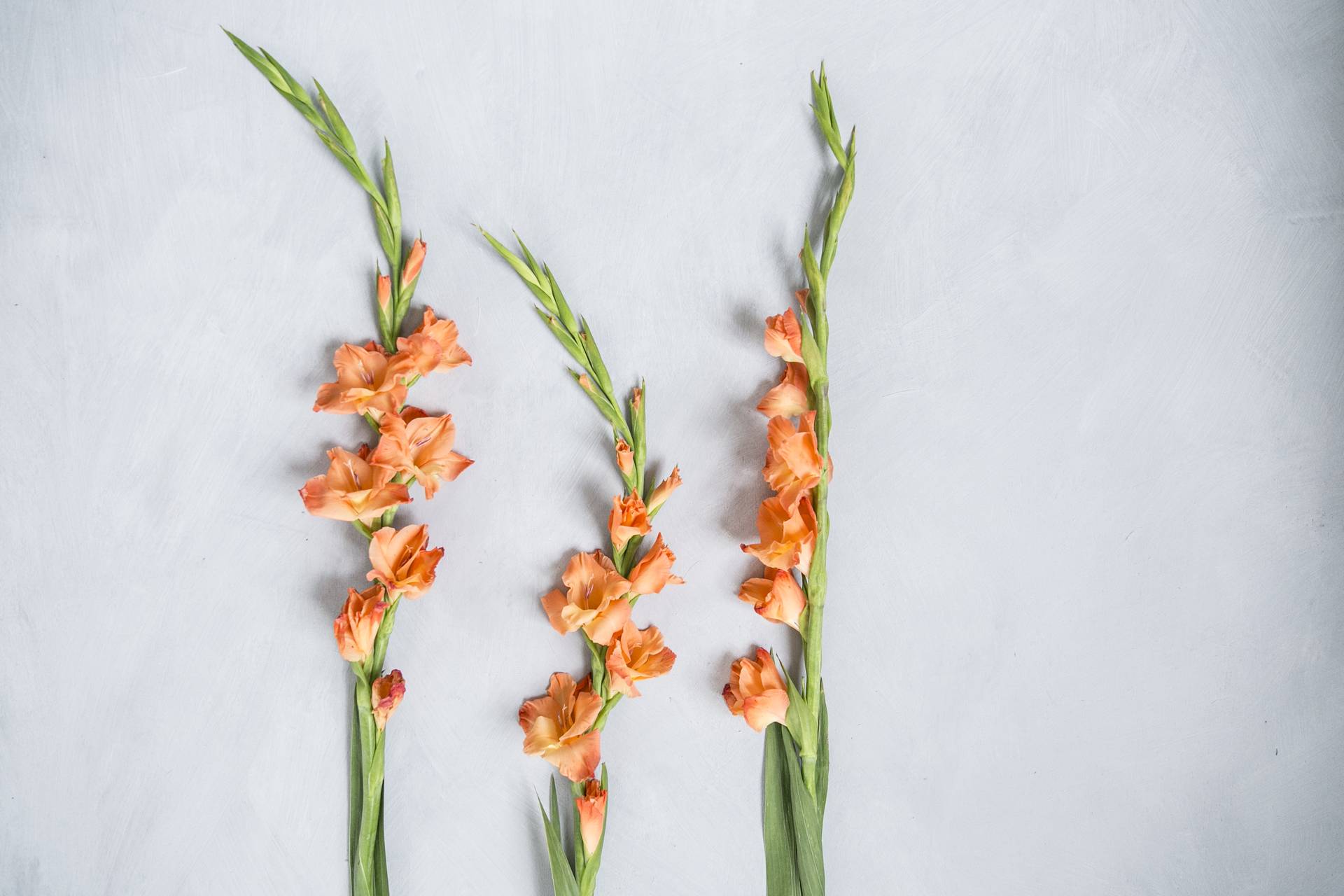
Colour matters just as much as the type of flower
We’ve written before about the symbolism of individual flowers, such as the Chrysanthemum or the Rose. But colour plays just as big a part in what a bouquet or single flower “says”. A Rose can convey a completely different feeling depending on its colour: red for passion, yellow for friendship, white for purity. Some of these meanings go back to the nineteenth-century “language of flowers”, when people used flowers and their colours to send messages.
Good to know:
The meanings of flower colours aren’t officially defined or backed by science. Interpretations vary between cultures, across time and sometimes simply from person to person. So think of the colours below as a guide, rather than a strict set of rules.
What do yellow flowers mean?
Yellow flowers have long stood for friendship, happiness and warmth. Think of a radiant Sunflower or a bunch of yellow Tulips. But yellow isn’t a colour of optimism everywhere: in some European traditions, it was associated with jealousy or infidelity. So the very colour that makes a lovely bouquet for a friend can carry a different meaning in another culture. It’s worth bearing that in mind when choosing a romantic gift.
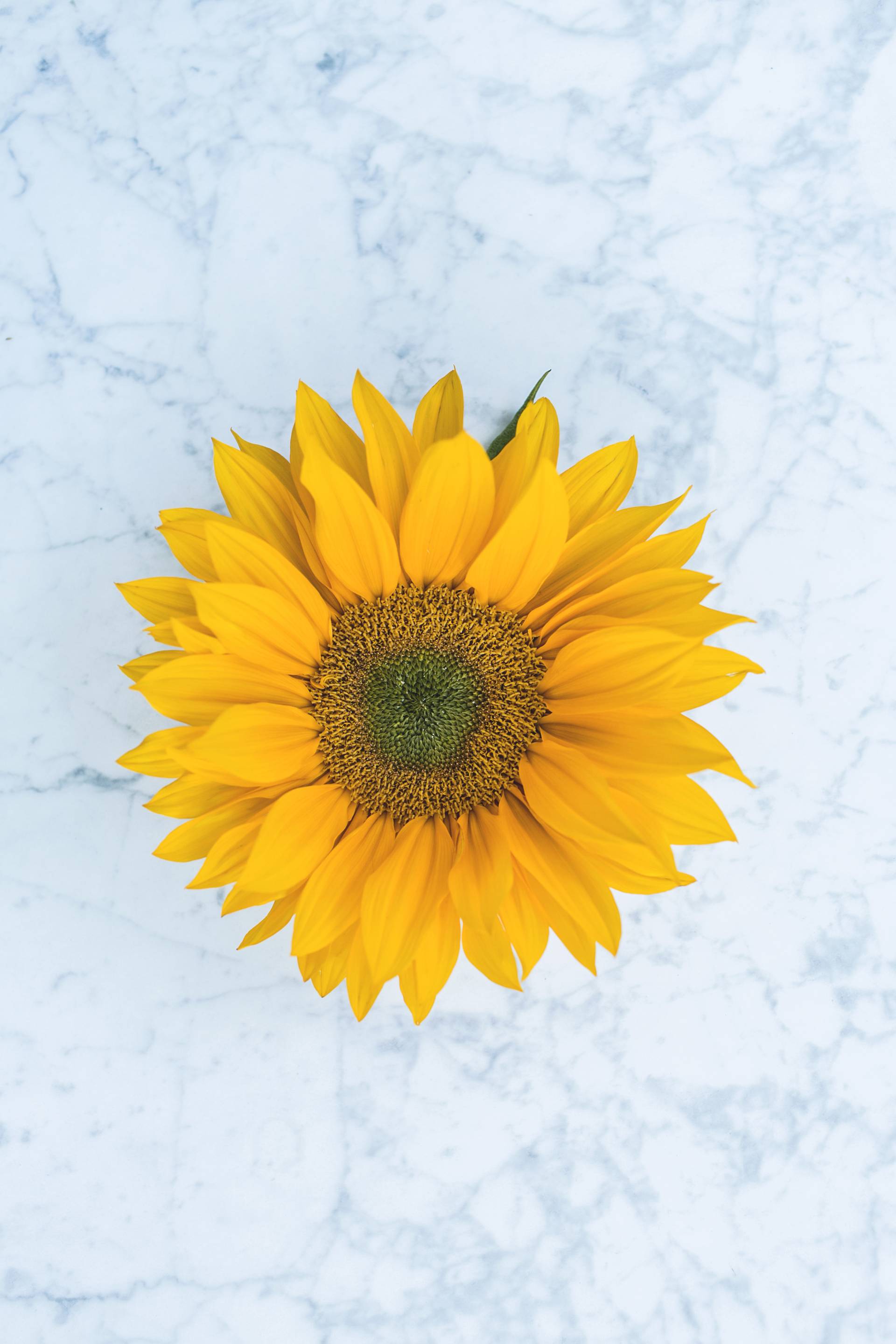
What do orange flowers mean?
Orange flowers radiate energy, enthusiasm and pride. They’re often given to congratulate or encourage someone, making them a great choice to celebrate an achievement or a fresh start. Orange combines the warmth of red with the cheerfulness of yellow, giving these flowers a slightly more exuberant feel than most other colours.
What do blue flowers mean?
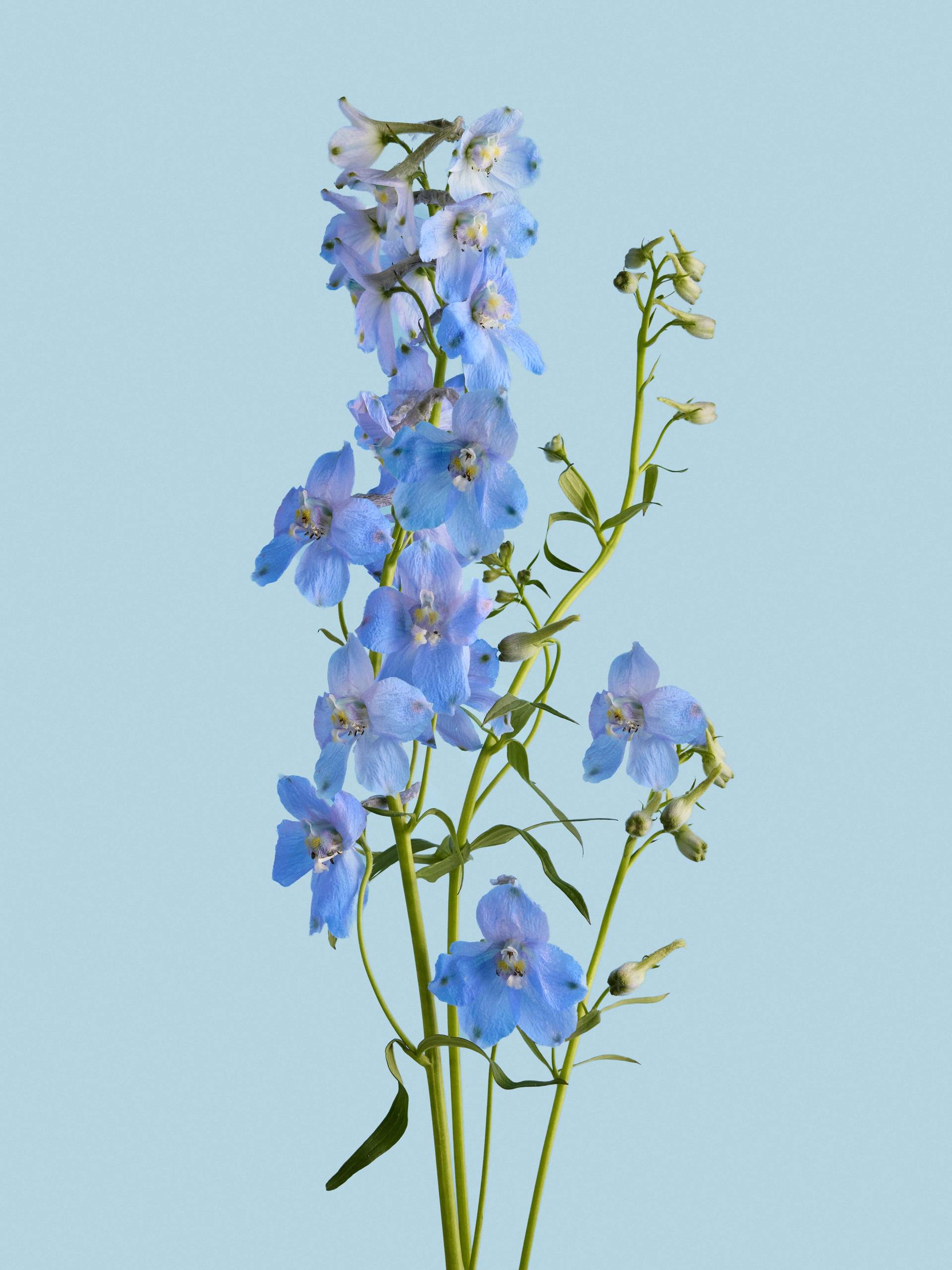
Blue flowers are rare in nature. Mother Nature was apparently rather sparing with the blue paint, and perhaps that’s where their association with peace, trust and calm comes from. Blue flowers such as the Hydrangea, Forget-me-not or Delphinium are associated with peace and serenity, but also with mystery: the blue flower was once a symbol of unattainable longing.
What do pink flowers mean?
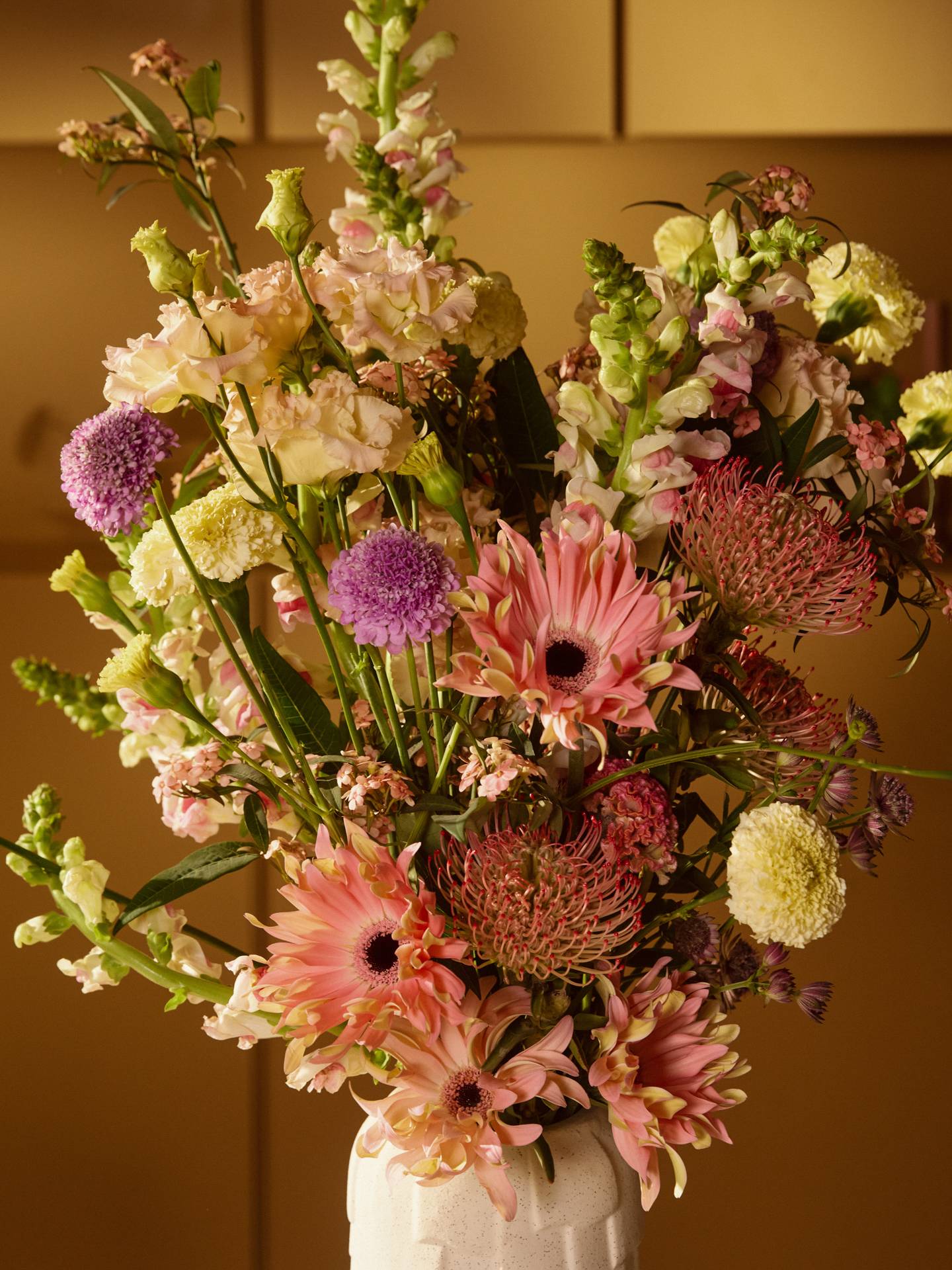
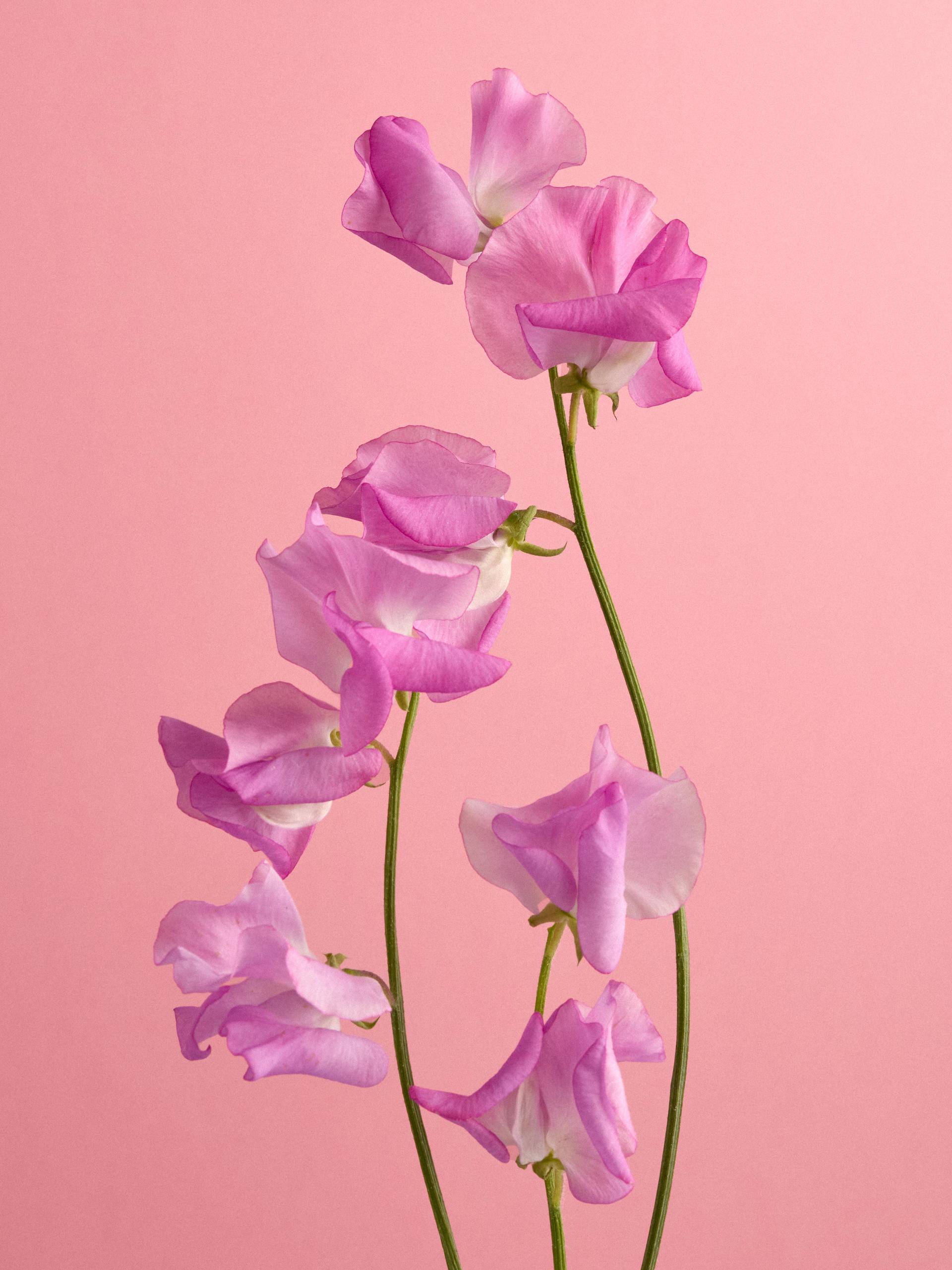
Pink flowers such as Sweet Peas (Lathyrus) nearly always express tenderness and affection, but the exact meaning depends on the shade. Pale pink stands for admiration, sympathy and gentle, blossoming affection, perfect for something just beginning. Deep pink flowers symbolise gratitude and sincere appreciation, which is why they’re often given as a thank-you.
What do purple flowers mean?
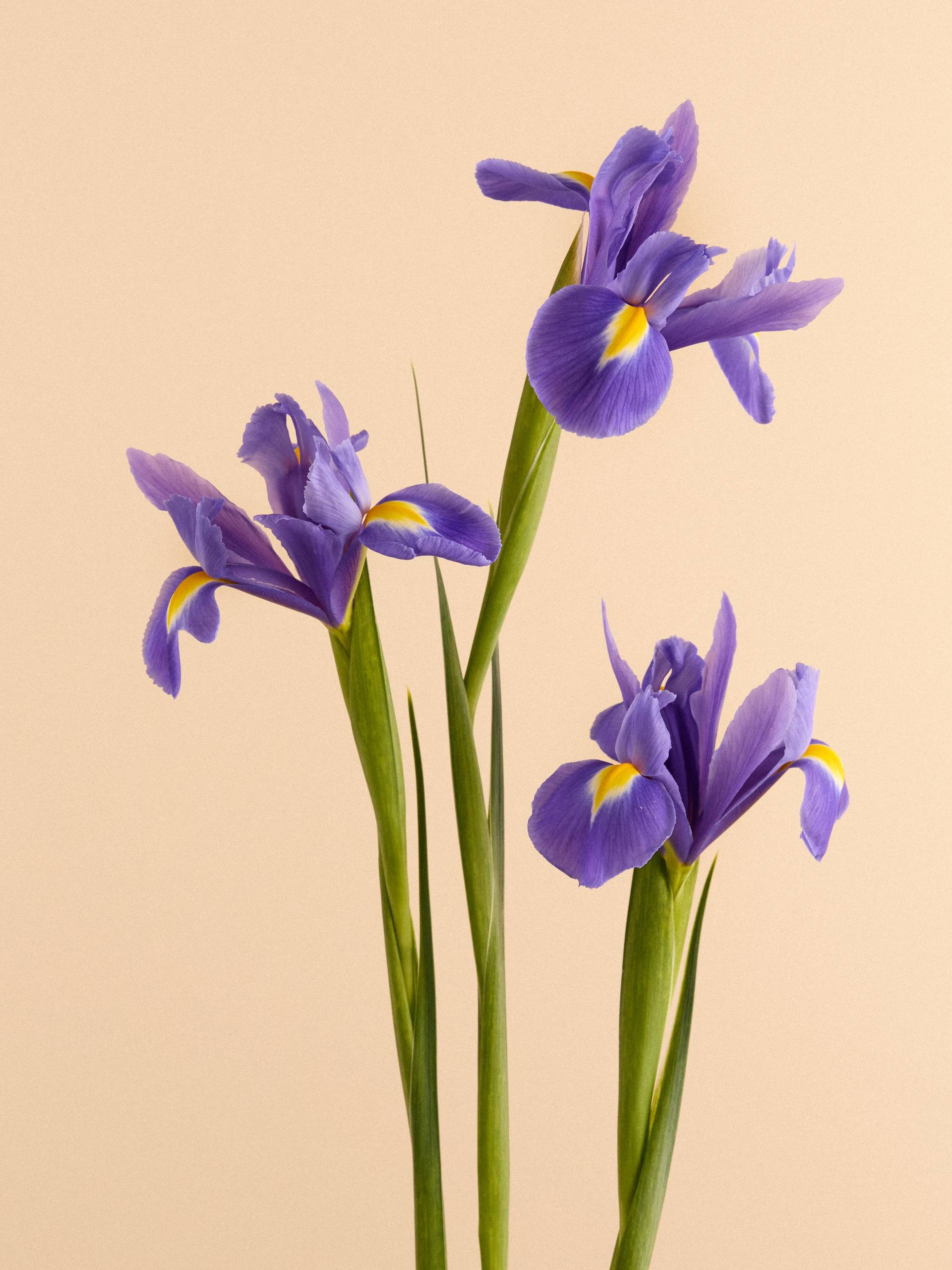
Purple flowers have traditionally stood for royalty and luxury, an association that goes back to when purple dye was so rare and expensive it cost a small fortune. These days, purple is also linked to admiration and spirituality. A bouquet featuring Lavender, purple Orchids or beautiful Irises can therefore feel a little more stately than one in brighter colours, even if it no longer costs a king’s ransom.
What do green flowers mean?
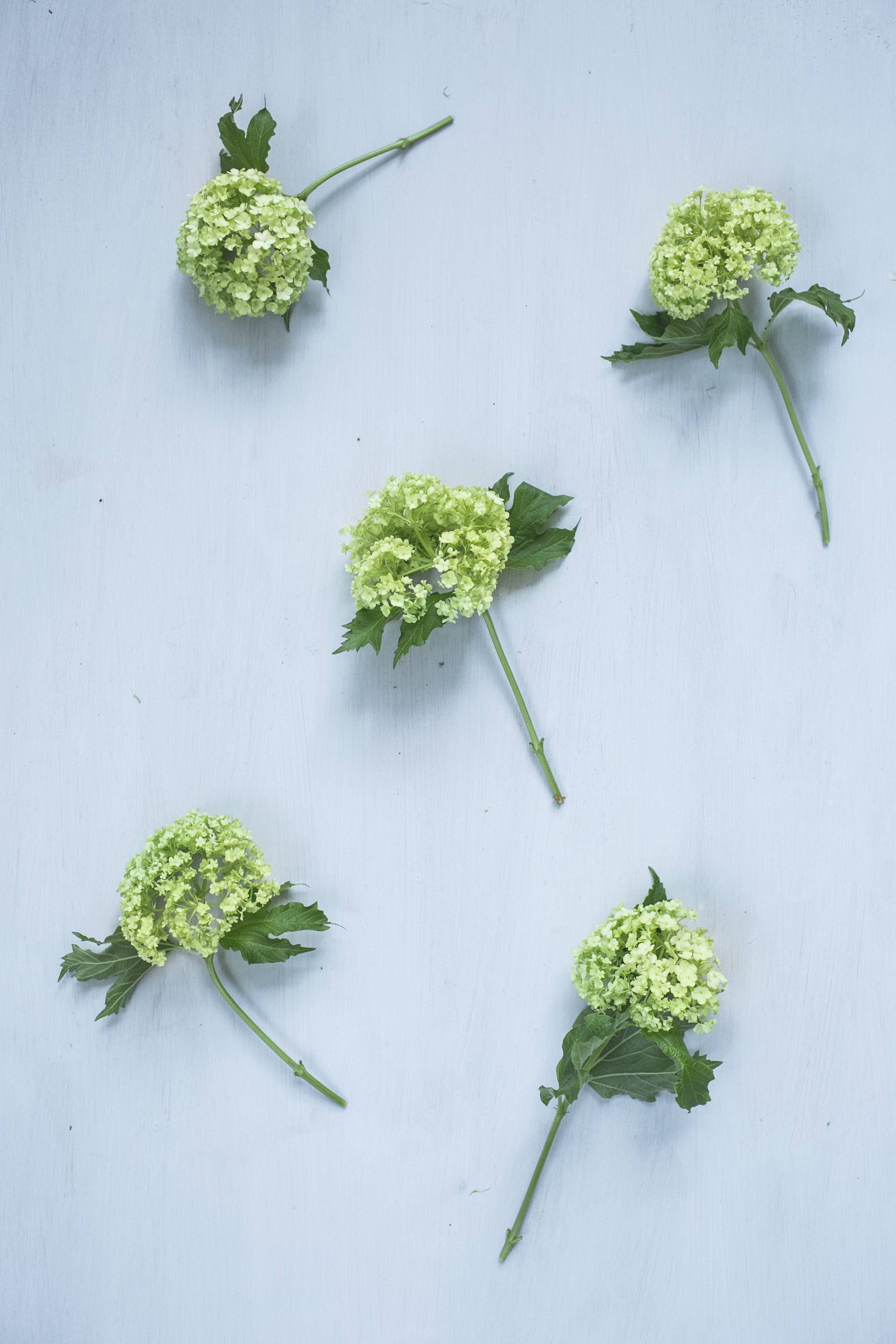
Green flowers and foliage in a bouquet symbolise new beginnings, growth and harmony. That makes green a surprisingly fitting choice when you want to wish someone well in a new chapter, such as moving house or starting a new job. Green is less often the main colour, but without it, every bouquet would look like a bunch of heads without bodies. Just look at the beautiful Viburnum. You couldn’t do without it.
What do white flowers mean?
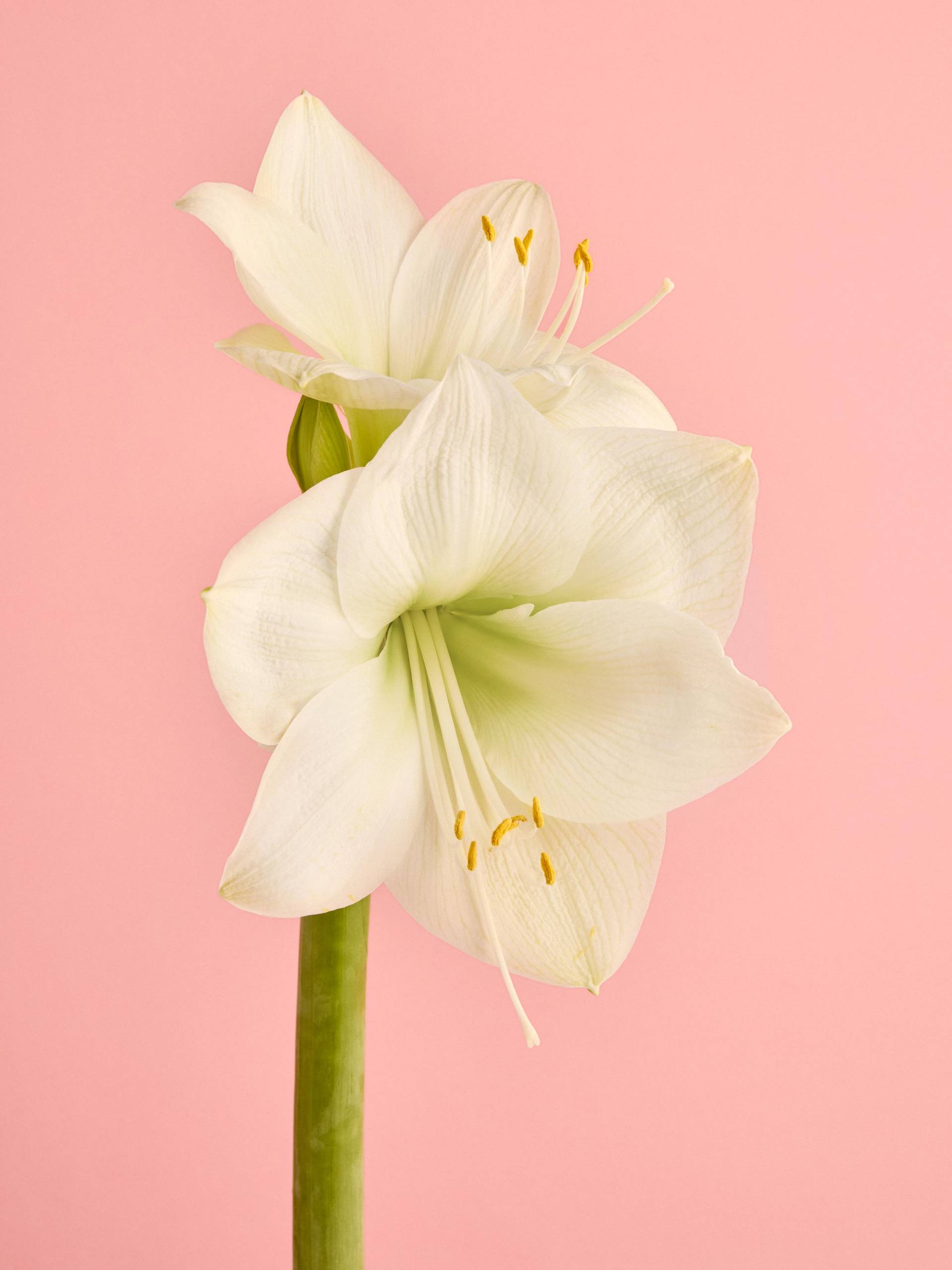
In Western tradition, white flowers such as the Amaryllis stand for purity, innocence and new beginnings. Think of white Roses at a wedding. In parts of Asia, that same colour carries a very different meaning and is associated with mourning and farewells. All the more reason to give your colour choice some thought when flowers are crossing cultures.
Flower colours through the seasons
Culture isn’t the only thing that shapes how we see flower colours. The season plays a part too.
- In spring, soft, cheerful shades take centre stage. Think of bulbs such as Crocuses and Daffodils. Want to know which flowers fit the season? We’ve gathered the loveliest spring flowers for you.
- In summer, the mood shifts towards brighter, bolder colours that suit a season in full bloom. Summer flowers such as the Gerbera, Snapdragon and Sunflower radiate summer cheer.
- As autumn approaches, colours give way to warmer, earthier shades, from deep orange to burgundy, as you can see in our selection of autumn flowers. Think Chrysanthemums, Asters or Hypericum.
- And in winter, you’ll find a mix of reds and festive shades, alongside purple and white, among our winter flowers. Typical winter blooms? Christmas Roses, Amaryllis and Anemones. A coincidence that these are also the colours of Christmas tree decorations? Probably not.
Looking for more inspiration?
Still wondering which colours and flowers work together in your own bouquet, and keen to avoid sending a message you never intended? Our Florify tool can help you get started. And if you’d like to know more about the meanings of specific flowers rather than their colours, take a look at our guide to which flowers to give for different occasions.