Written by
Bente
Putting together and arranging a bouquet might sound like a job for seasoned florists, but with a few simple tricks, you can do it just as well at your own kitchen table. Whether you’re dreaming of a neatly structured Biedermeier bouquet or a relaxed, romantic wildflower arrangement, we’ll show you step by step how to master both styles yourself. Time to let your inner florist run wild!

Biedermeier or wildflower bouquet: what’s the difference?
Before you get started, it helps to know what sets them apart. A Biedermeier is neatly structured and evenly arranged: the flowers sit in circles or layers, often with the same variety or colour repeated within each layer, and all reach roughly the same height. The result is a neat, rounded dome that looks beautifully finished from every angle.
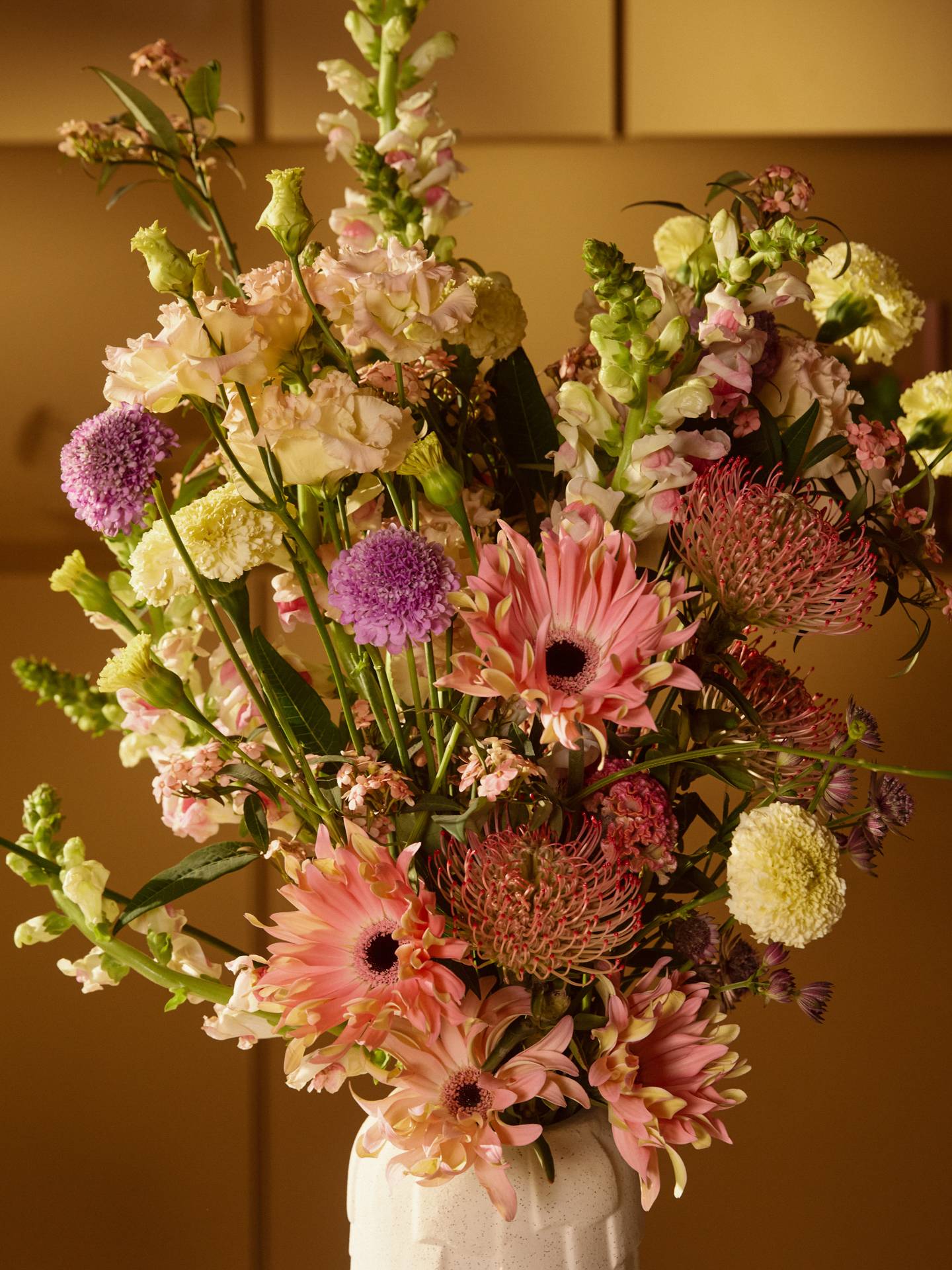
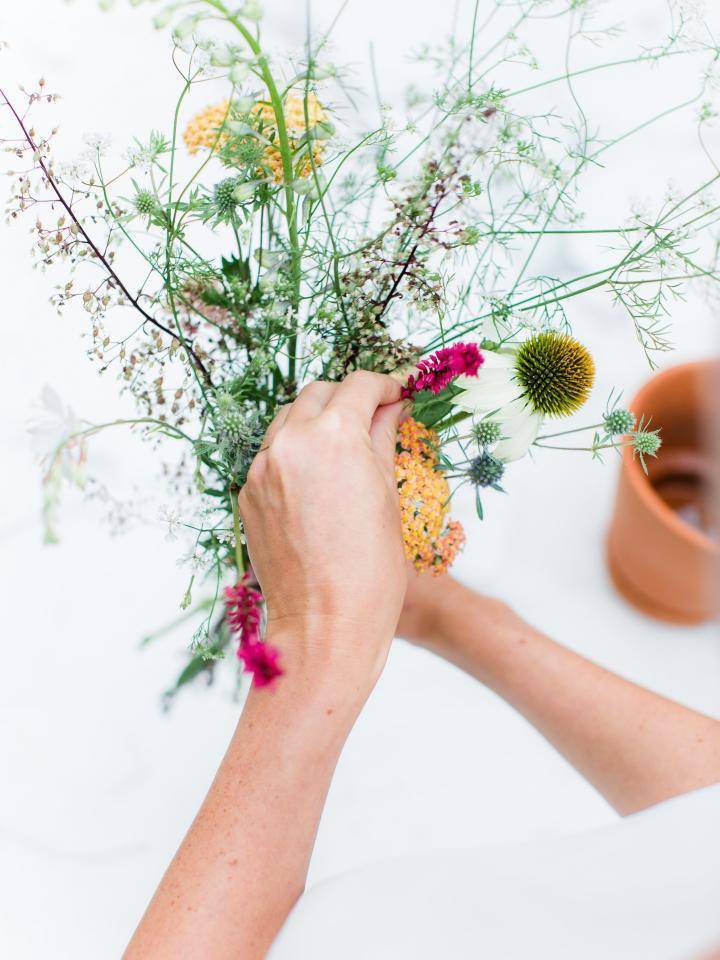
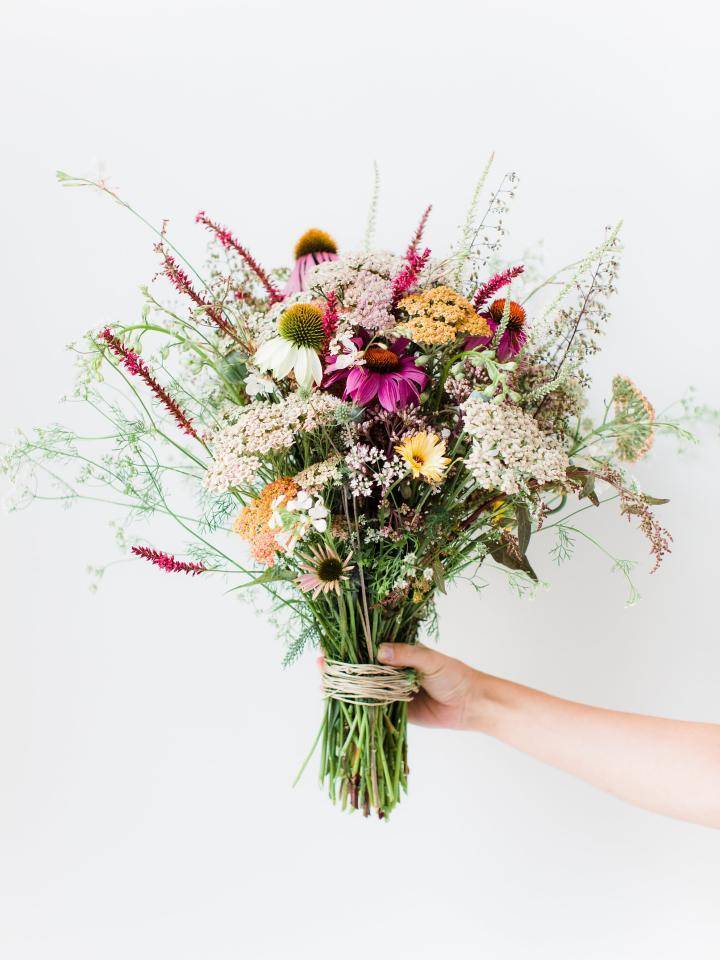
A wildflower bouquet is pretty much the opposite: relaxed, playful and full of different flowers mixed together at varying heights, as though you’ve just picked them from a meadow on your daily walk. Add a few ornamental grasses between the flowers and you’ll soon capture that fresh-from-the-meadow feel.
What do you need for a Biedermeier or wildflower bouquet?
This checklist will have you ready to get creative in no time.
- Choose a vase that suits the height and size of your bouquet.
- Pick a main colour and choose your focal and filler flowers to match.
- Gather your flowers and branches.
- Have the right tools to hand: a sharp knife and a pair of scissors.
How to make a wildflower bouquet
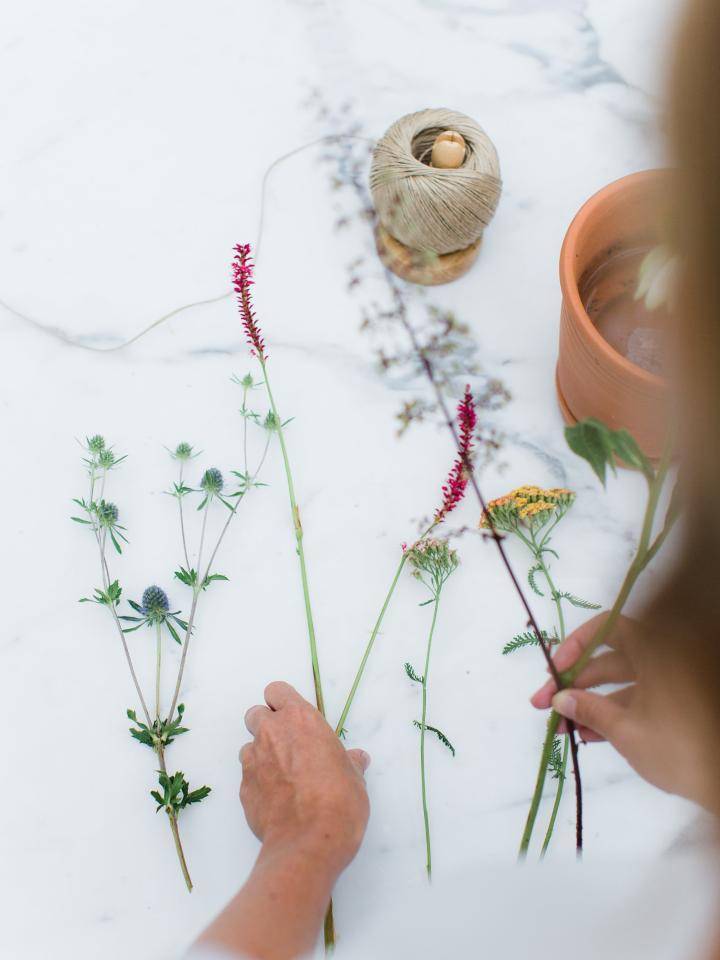
- Prepare your work surface and flowers. Find a flat surface, such as your kitchen table, and lay out your flowers side by side, grouped by variety. Remove any excess or damaged leaves, especially those that would sit below the waterline in the vase.
- Start with a few flowers as your base. Keep the stems angled in the same direction as you build your bouquet. This will make them much easier to tie together later.
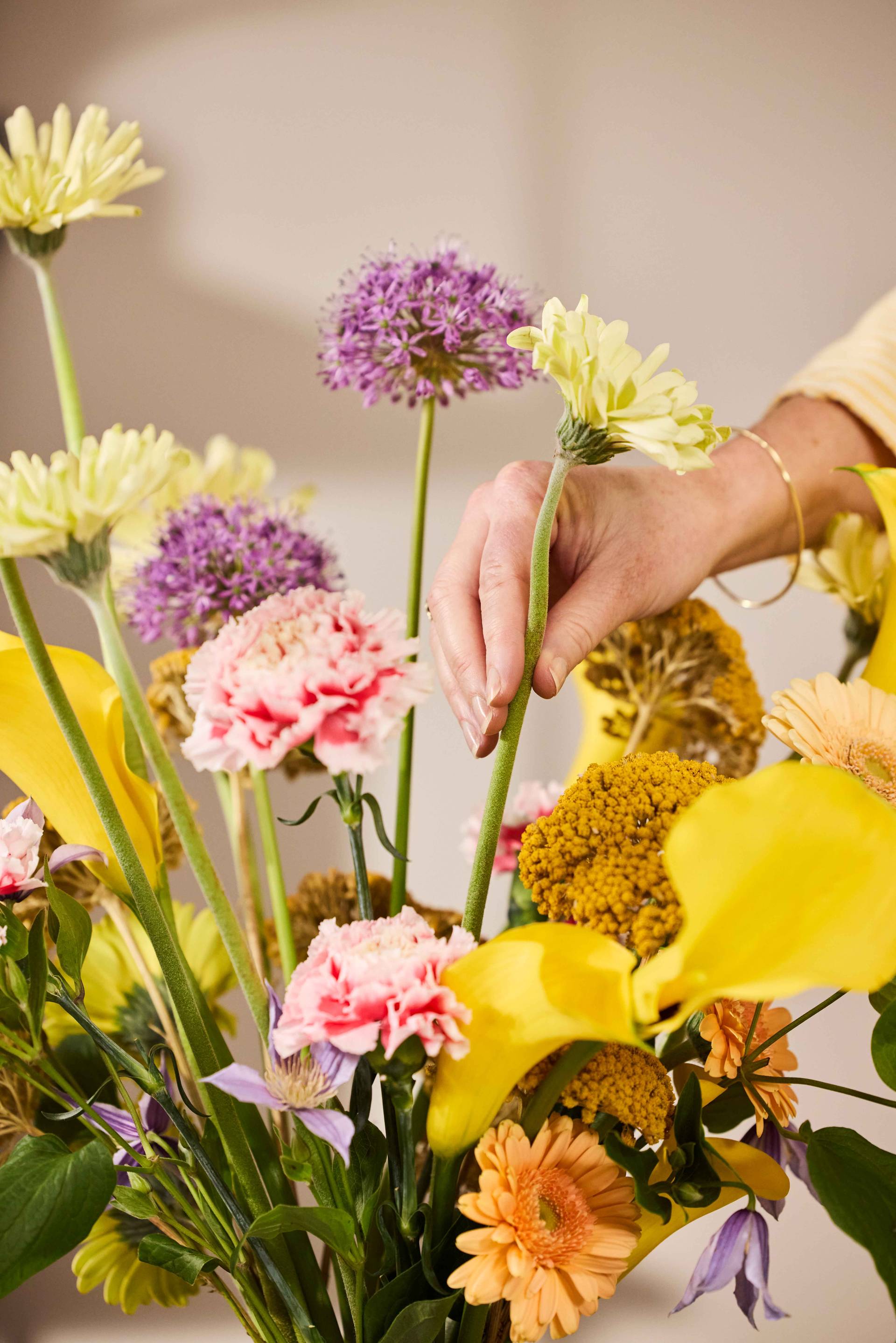
- Keep it loose and turn as you go. Add the flowers with their stems crossing over one another, giving the bouquet a quarter turn every so often so it looks lovely from every angle. Place the flowers at different heights for a natural, wild look, and mix in a few ornamental grasses for an extra touch of meadow charm.
- Secure, trim and pop into water. If you like, wrap an elastic band around the stems to hold the shape in place. Use a sharp knife to trim the stems to the right length, cutting at an angle. Put the bouquet straight into fresh water, adding cut flower food if you wish.
How to make a Biedermeier bouquet
- Start in the centre. Find a flat surface, such as your kitchen table, choose your prettiest or largest flower as the centrepiece and hold it upright in your hand.
- Build outwards in circles. Add a new circle of flowers around the previous one, ideally keeping the same colour or variety together in each layer. That distinctive, layered pattern will soon take shape.
- Keep the height even. Make sure all the flowers reach roughly the same height. That’s the secret to a Biedermeier’s neat, rounded dome.
- Check the shape from every angle. Every so often, look at your bouquet from above and from the side. Fill in wherever needed until the dome looks round and even all over, with no gaps.
- Tie, trim and pop into water. Tie the stems securely together, trim them to an even length, cutting at an angle, and put the bouquet straight into fresh water.
Feeling inspired by all these tips and ideas? In this article on flower arranging, you’ll find plenty more techniques, tools and styles to experiment with.
Giving a Biedermeier or wildflower bouquet as a gift
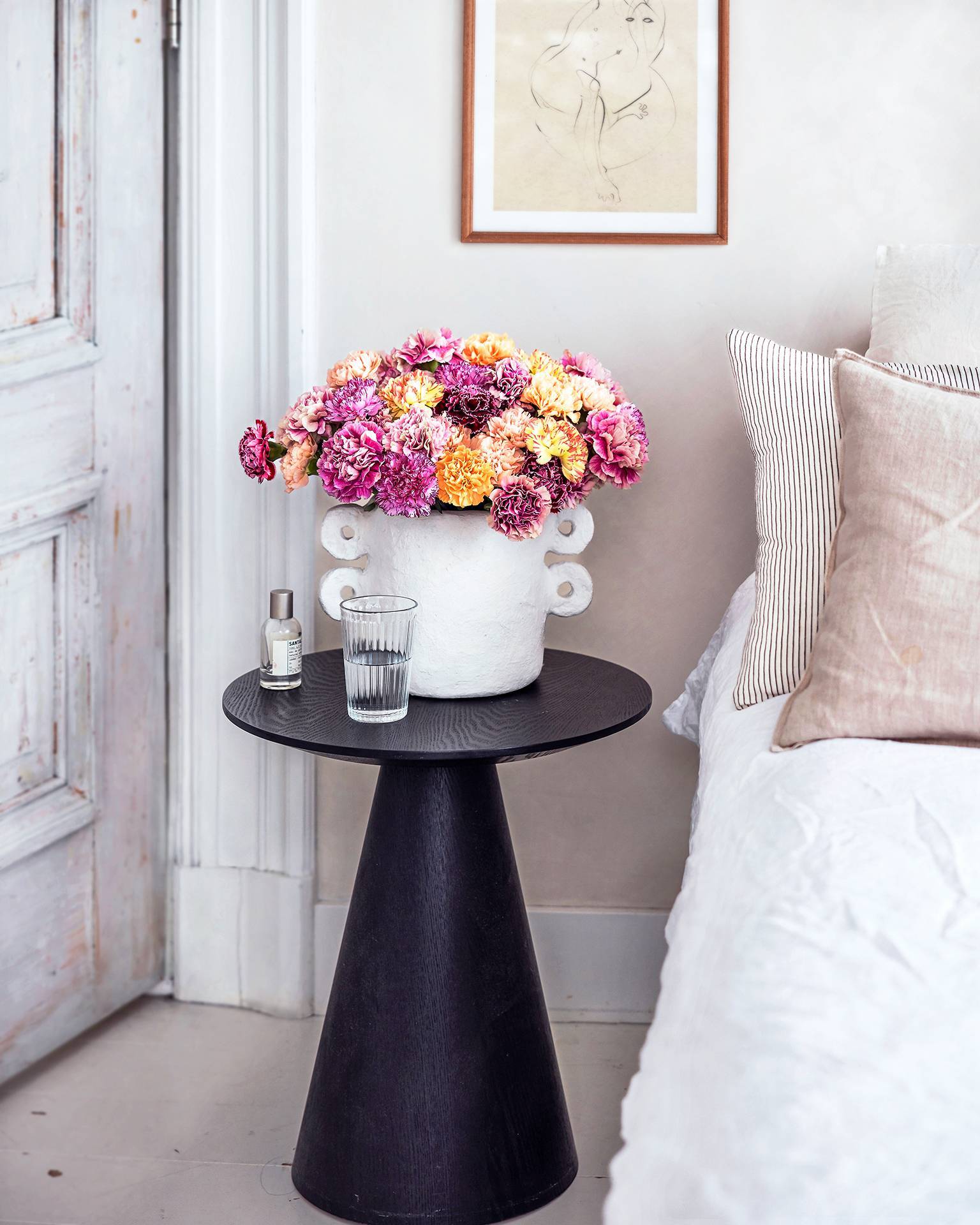
A homemade floral gift, whether it’s a Biedermeier or a wildflower bouquet, is always a joy to give and receive. Tip: make your gift feel extra special and stylish by wrapping the bouquet in a flower wrap.
More inspiration?
And when’s a good time to give someone a bouquet? There are plenty of occasions, from birthdays and anniversaries to a simple ‘thinking of you’ moment. For even more inspiration, take a look at these gift-giving occasions. Still unsure which flowers or colours to choose for your bouquet? Our Florify tool guides you step by step towards the perfect combination for the occasion and the recipient. Want to take your flower-arranging skills even further? Have a look at these two handy tools for even more creative bouquets.