Astrantia
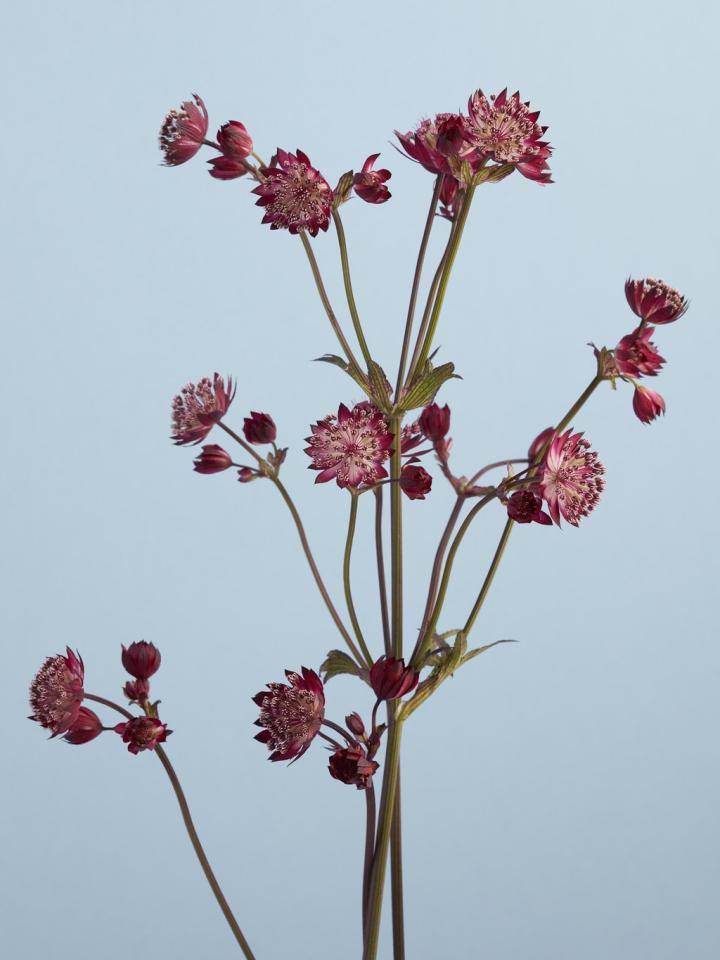
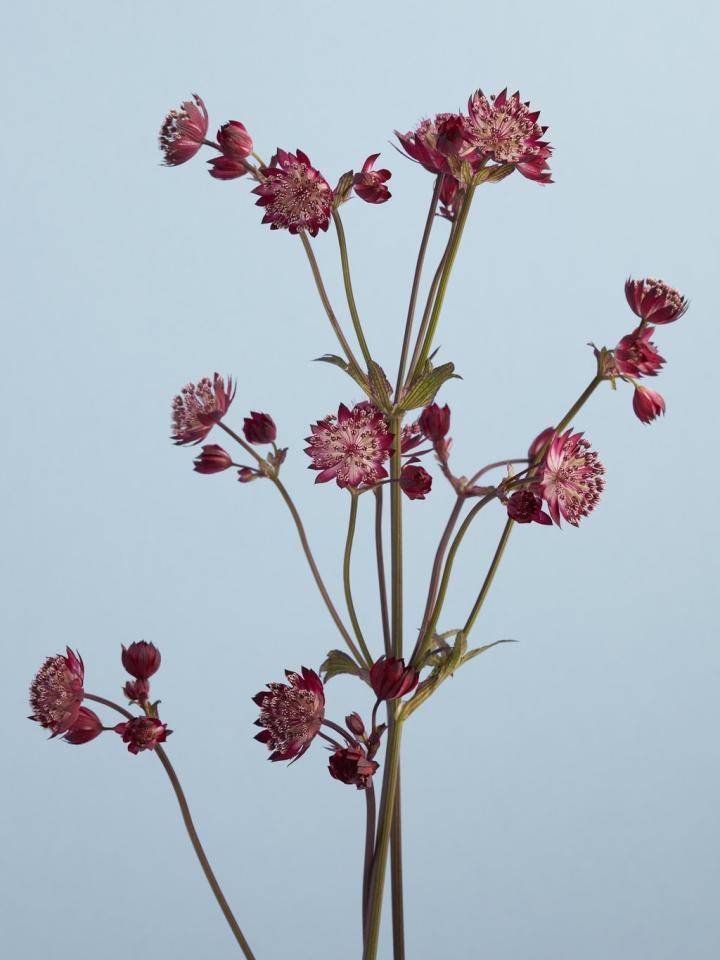
Astrantia is recognised by its refined flower shape, featuring a cluster of tiny blooms at the centre, surrounded by striking star-shaped bracts. The flower has the appearance of an elegant pincushion.
Depending on the variety, Astrantia flowers between June and September. It comes in a range of colours, including white, pink, red and purple. During the flowering season, the blooms attract large numbers of bees and other pollinators, making the plant ecologically valuable. The stems of Astrantia are slender yet sturdy and carry few leaves, giving bouquets and borders a light and playful feel.
Astrantia belongs to the Apiaceae family, which also includes plants such as Cow Parsley and Parsley. A defining characteristic of this family is its umbrella-shaped flower structure, where many small flowers come together to form a single bloom.
Astrantia stands out for its delicate structure. It brings depth, detail and an airy touch to bouquets.
Astrantia is a strong cut flower that remains beautiful in a vase for around 7 to 14 days. Follow these basic care tips to enjoy the blooms for as long as possible.
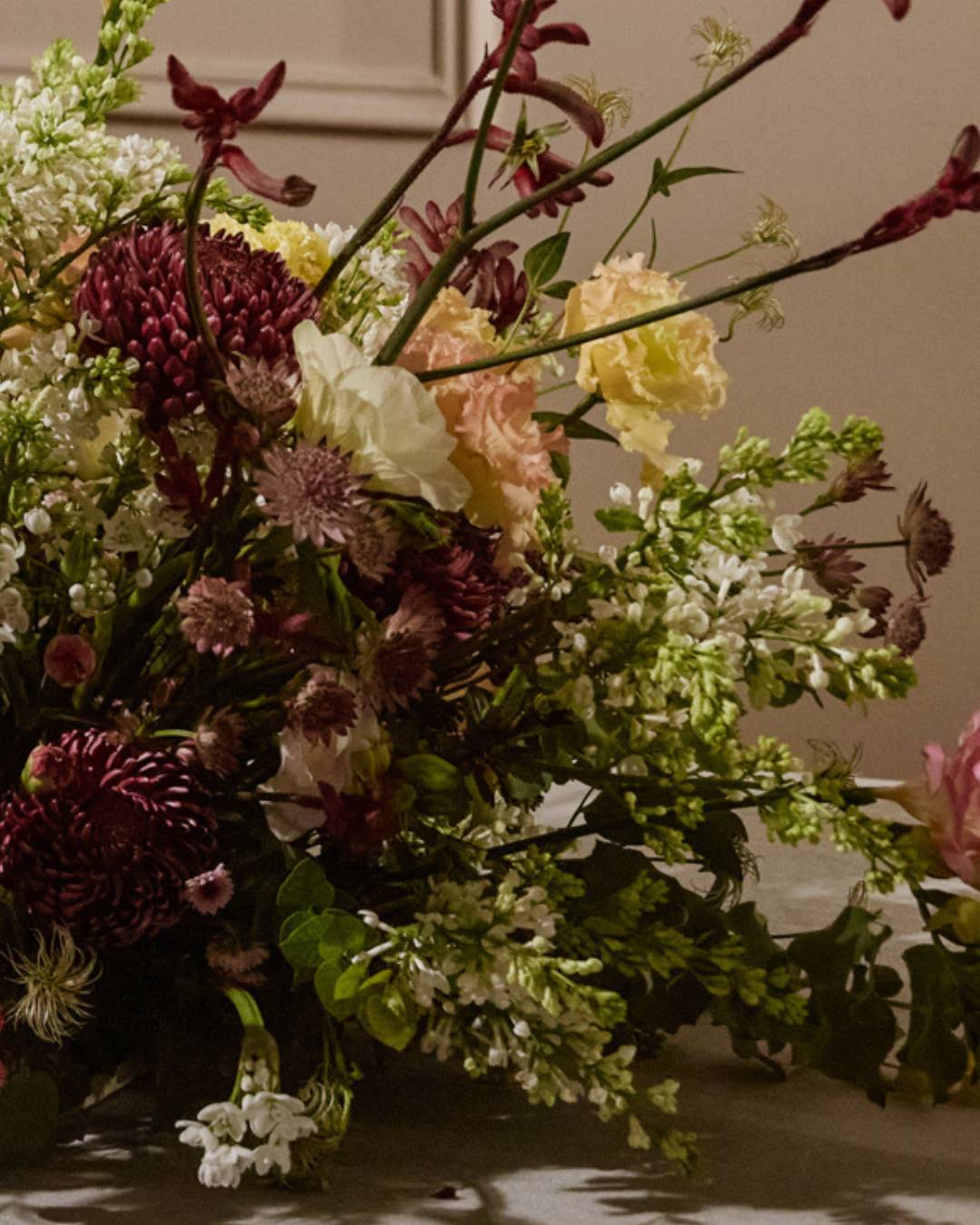
In mixed bouquets, Astrantia often acts as an airy linking flower between larger focal blooms such as Peonies and Dahlias.
Although Astrantia appears refined and almost delicate as a cut flower, it is actually a robust perennial in the garden that is highly attractive to pollinators such as bees. This combination of elegance and strength makes it especially appealing to both floral designers and garden enthusiasts. Would you like to learn more about caring for Astrantia and choosing the right spot in the garden? Take a look at our plant guide.
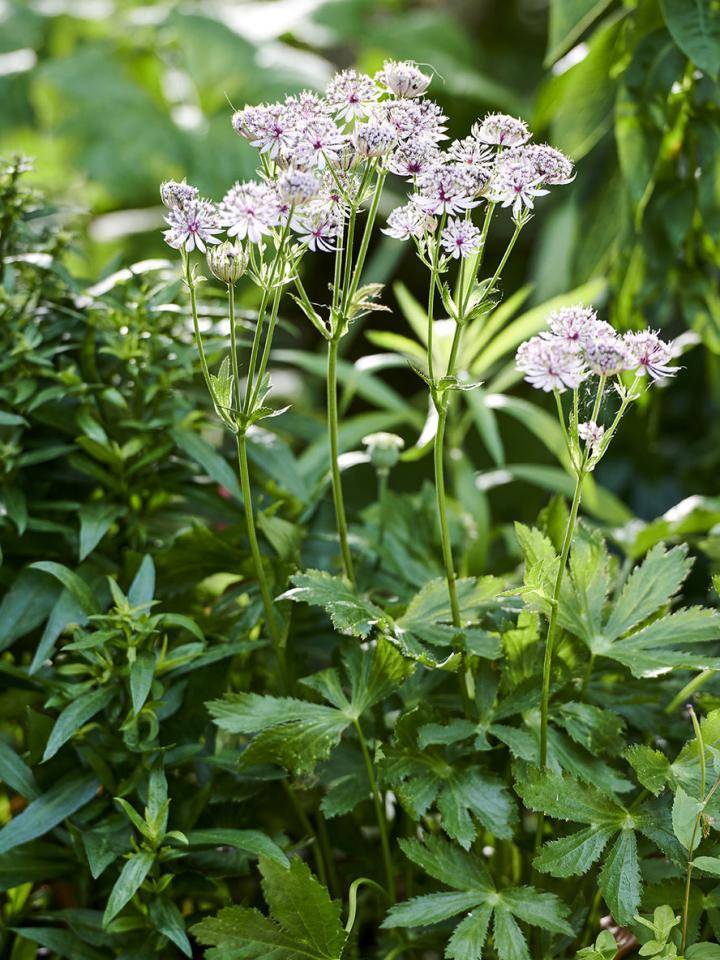
Astrantia is decorative both fresh and dried, making it surprisingly versatile.
There are around 10 species within the Astrantia genus, but thanks to the many cultivars developed over the years, there is a wide variety to choose from. The best-known and most common species is Astrantia major. Nearly all cultivars found in garden centres and bouquets are derived from this species. Below you will find the most well-known species and their associated cultivars.
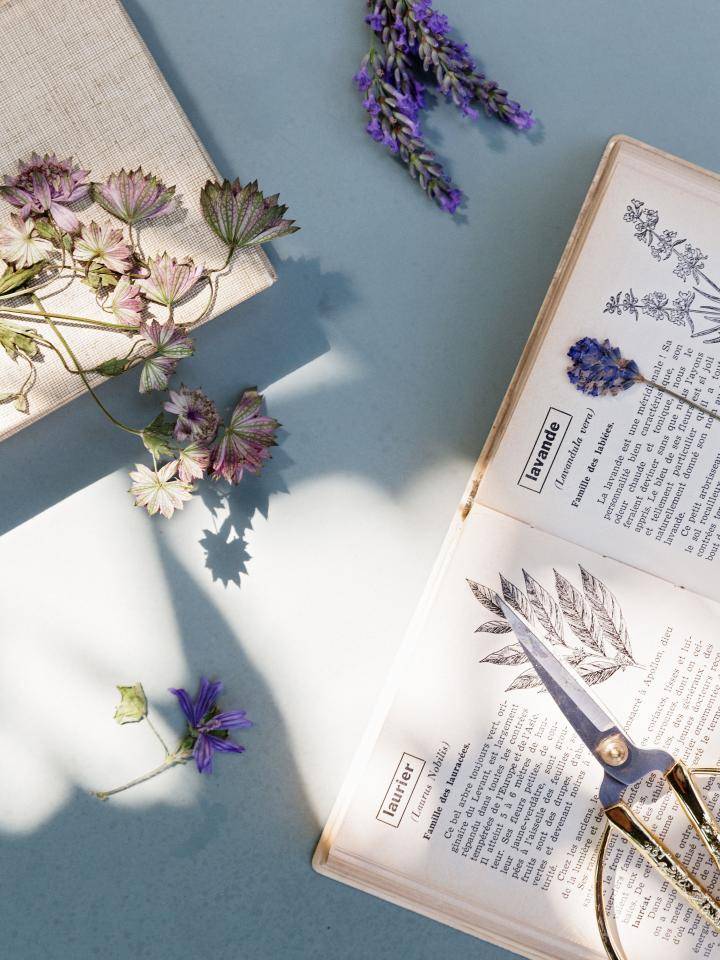
Thanks to its fine yet sturdy structure, Astrantia is not only beautiful as a fresh cut flower but is also well suited to drying. This makes the flower especially popular in dried bouquets, wedding floristry and long-lasting arrangements. Discover the different ways to dry Astrantia and explore more popular dried flowers here!
Astrantia
Zeeuws Knoopje takes its Dutch name from the decorative 'Zeeuwse knop', a traditional ornament from the regional costume of Zeeland. Historically, this button was worn as both a fastening and decorative feature on clothing, and it also appeared on necklaces and traditional metal headpieces known as oorijzers. Today, the button is still seen on brooches, accessories and jewellery. Its rounded, richly detailed shape closely resembles the flower of Astrantia, which is how the flower came to be known in the Netherlands as Zeeuws Knoopje.
The botanical name Astrantia is derived from the Latin word aster, meaning ‘star’, and refers to the shape of the flowers. This star-like form has fascinated people for centuries. In old folk tales, the blooms were described as ‘stars that had fallen to earth’.
Astrantia carries several symbolic meanings. First and foremost, its shape makes it a symbol of refined, natural beauty and charm. The compact flower form, in which many tiny blooms come together as one, is often seen as a sign of unity and protection. Because Astrantia is both a strong cut flower and a resilient garden plant, it also symbolises strength.
Astrantia thrives in nutrient-rich, moist locations with light shade. It grows naturally in temperate regions of Central and Southern Europe, as well as parts of Western Asia. There it can be found in mountainous areas, along woodland edges and in damp grasslands. Astrantia feels particularly at home in regions such as the Alps and the Pyrenees, but it also performs very well in Dutch gardens, as the climate and soil are similar to its natural habitat.