No room for a Monstera the size of a two-seater sofa? No problem. Small houseplants fit on your desk, windowsill or bookshelf, or beside your bed, and bring just as much joy as their bigger cousins. Here are our favourite compact varieties, from the cheerful Chinese Money plant to the African Violet, which flowers almost all year round, along with tips for keeping them small and healthy.
1
Chinese Money plant
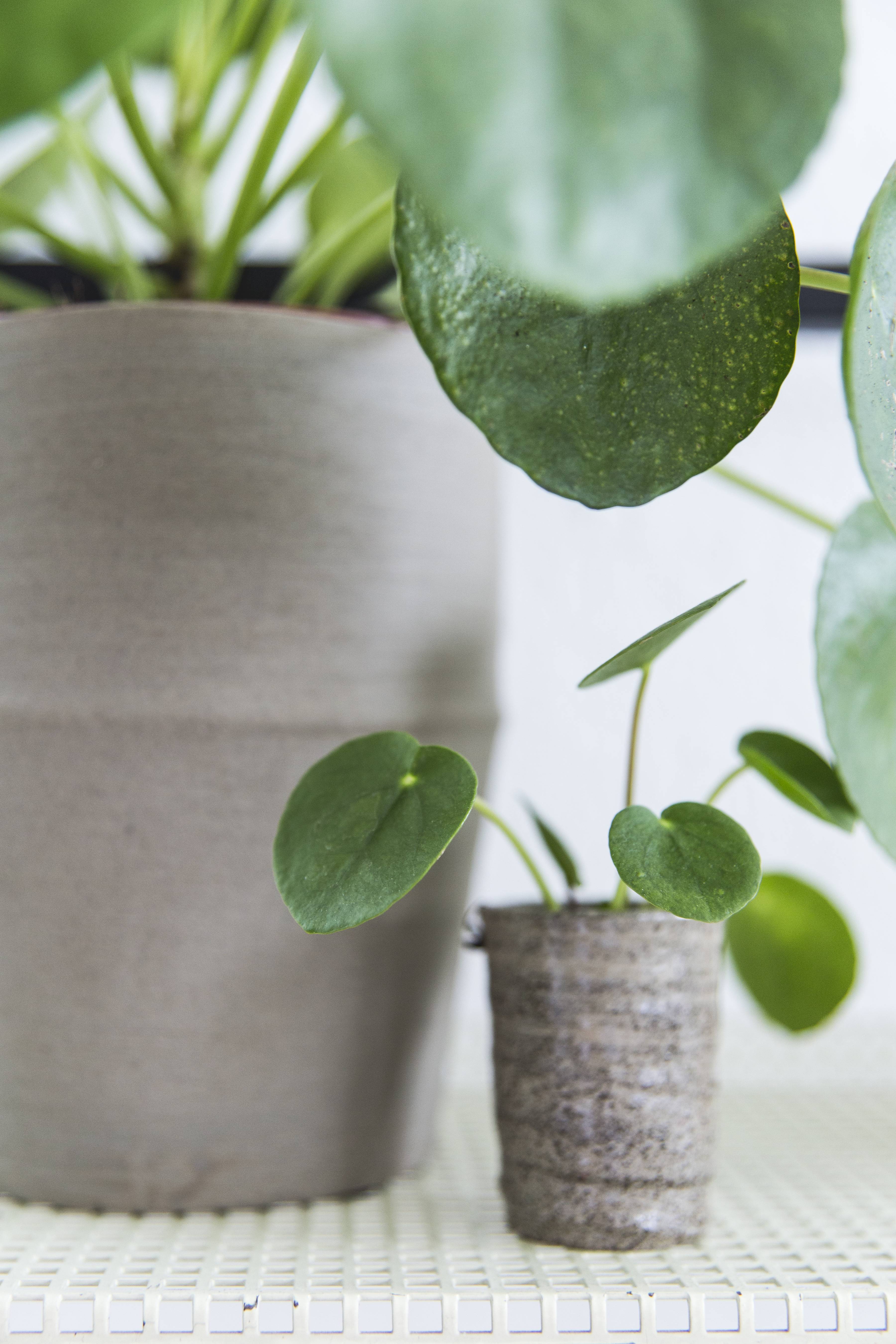
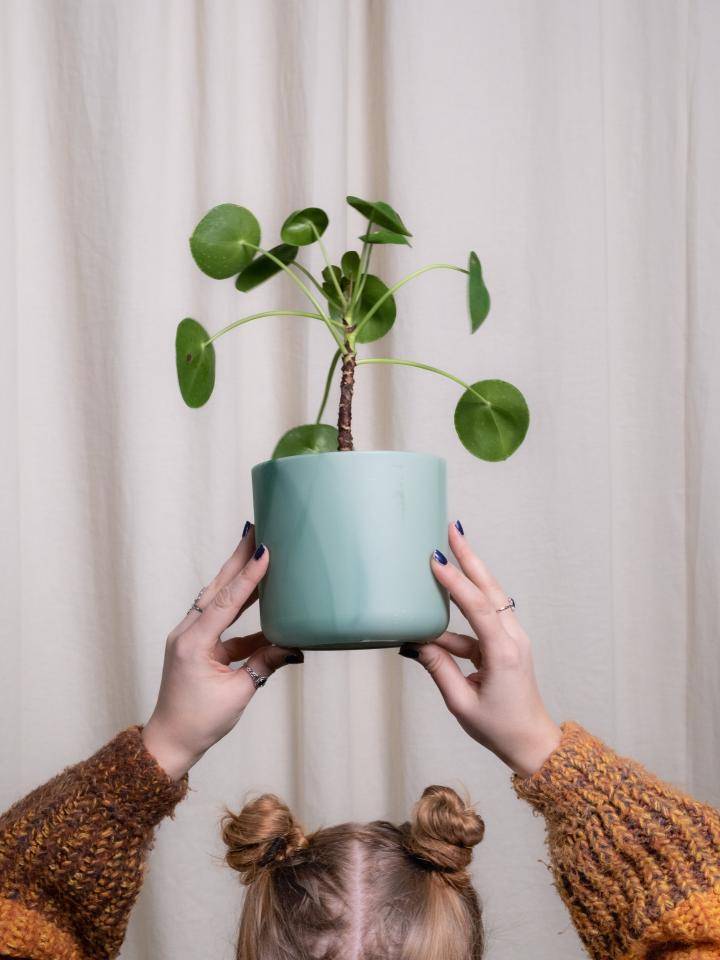
With its perfectly round leaves on long stalks, the Chinese Money plant looks like a stack of mini pancakes. It usually grows to around 30 centimetres tall and likes a bright spot out of strong afternoon sun. Wait until the top layer of compost is dry before watering. Better still, it produces little offshoots at the base that you can share with all your friends.
2
Succulent
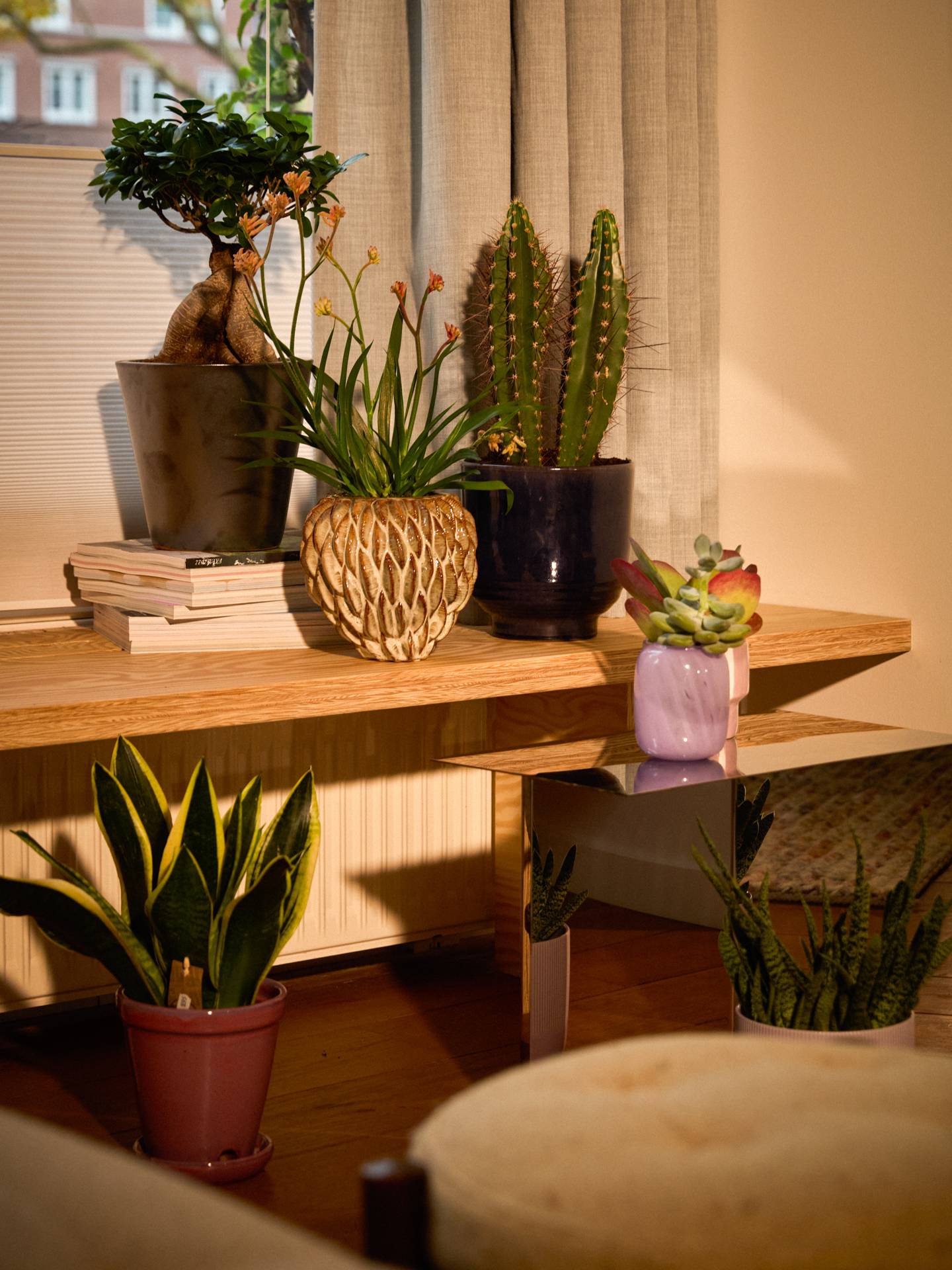
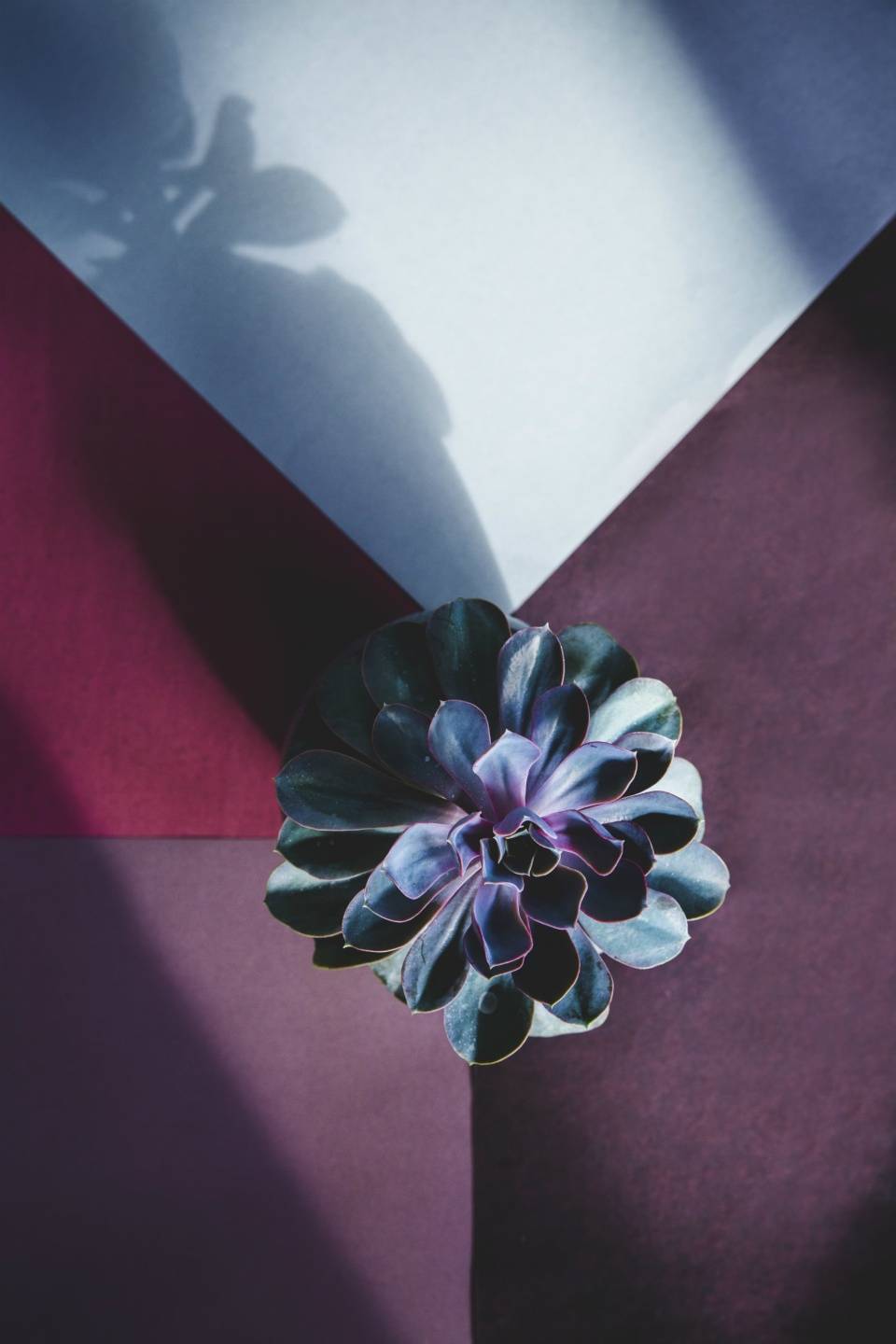
Succulents such as Echeveria, Haworthia and Crassula (Jade plant) store water in their fleshy leaves, so they’ll take a missed watering (or three) in their stride. Most varieties stay tiny and feel right at home on a sunny windowsill. Pop a few together in a shallow bowl and you’ve got a mini desert that barely needs any attention.
3
Peperomia
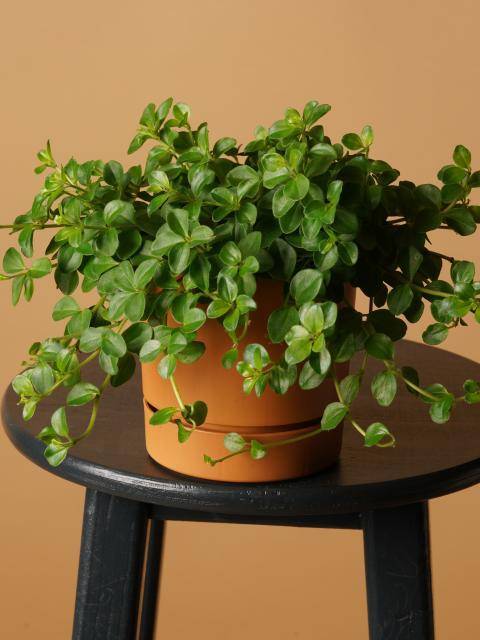
Peperomia is a genus with well over a thousand species. Popular compact varieties include the Watermelon Peperomia, whose striped leaves really do look like watermelon rind, and Peperomia obtusifolia, with its firm, glossy leaves. Most stay under 25 centimetres, prefer indirect light and only need a little water at a time.
4
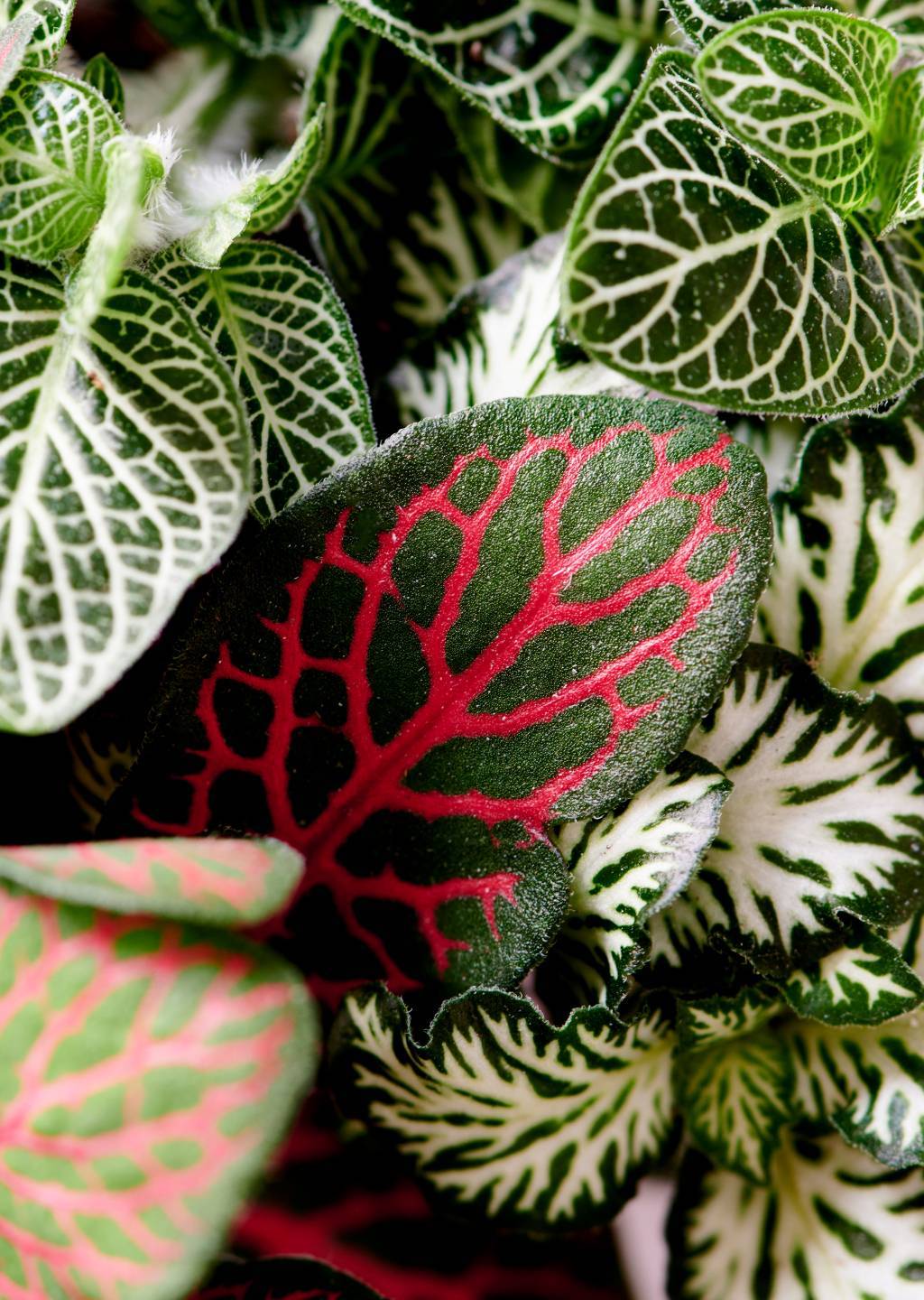
Fittonia
Fittonia is tiny but has the personality of a diva. Its leaves have a delicate network of white, pink or red veins, and the plant rarely grows taller than 15 centimetres. If it gets thirsty, it droops dramatically. A quick drink and it’s standing tall again. It loves humidity, so a bathroom or glass terrarium is ideal.
5
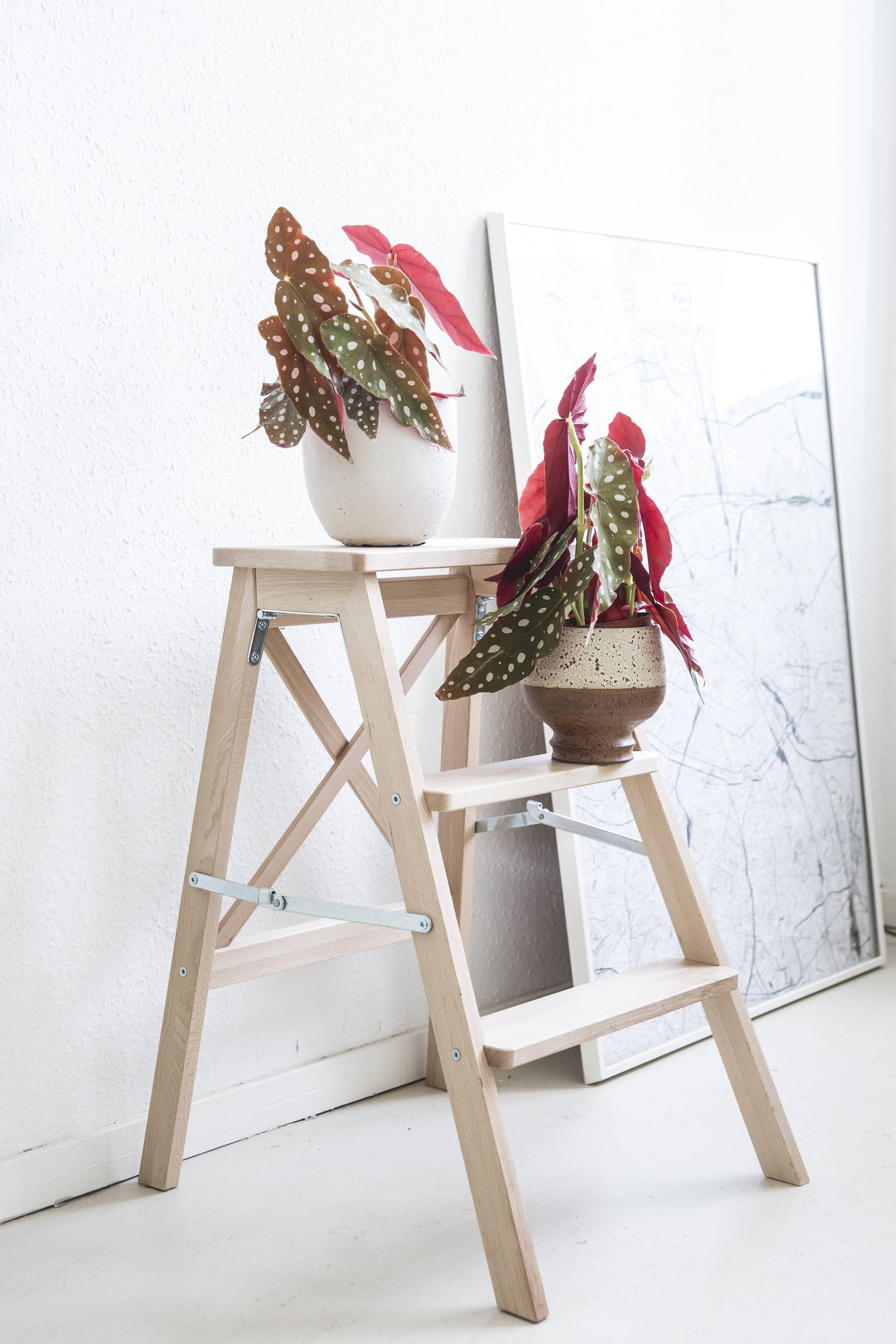
Begonia
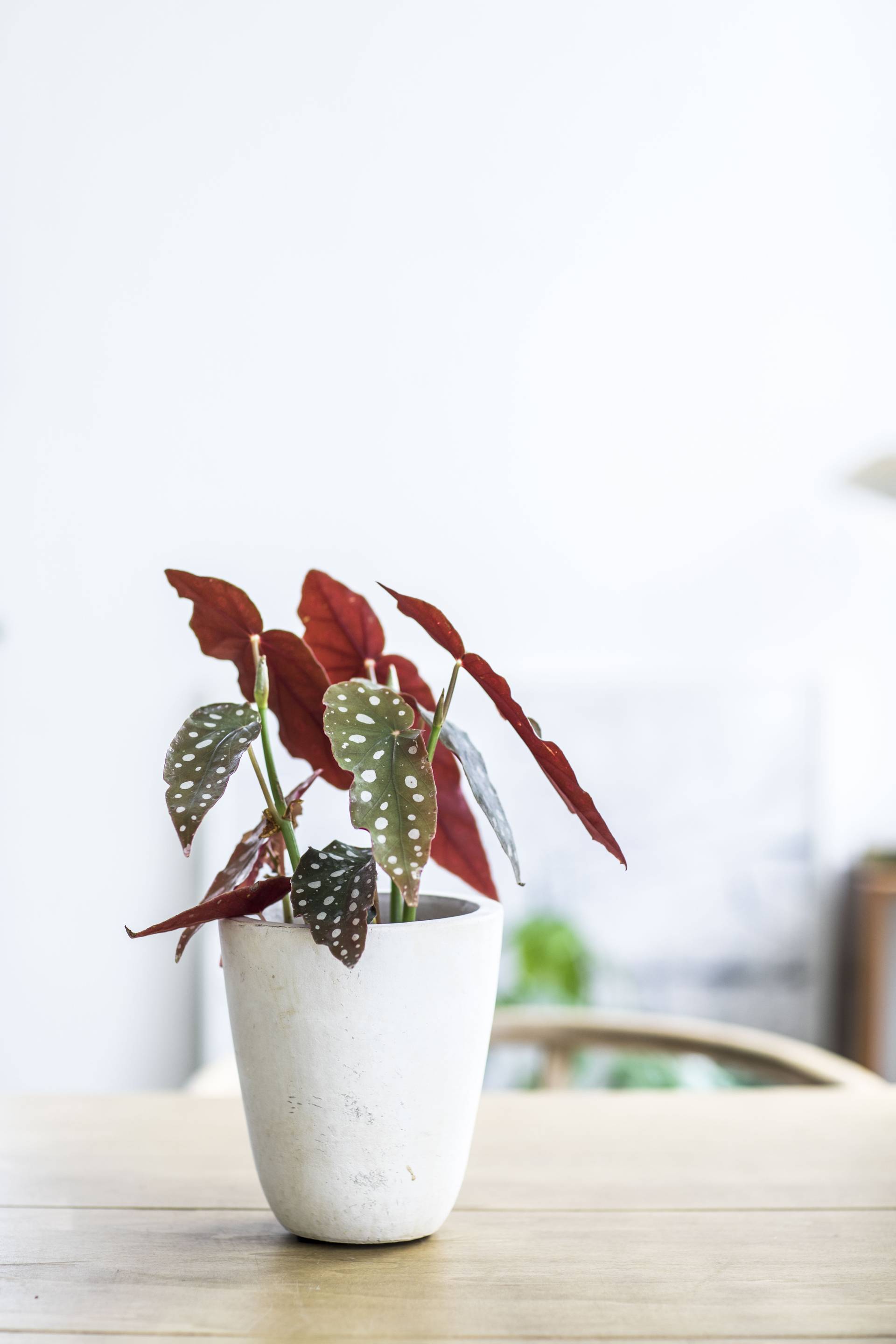
Begonias fall into two groups, those grown for their flowers and those grown for their leaves. Both are great for small spaces. Flowering Begonias produce red, pink, orange or yellow blooms for weeks. Foliage Begonias are all about their beautiful leaves. The Rex Begonia stays compact and catches the eye with its silver, purple and burgundy foliage. Or how about the Polka Dot Begonia (Begonia maculata) with its striking spots? Whichever you choose, give it a bright spot out of direct sunlight and keep the compost slightly moist without letting it get soggy.
6
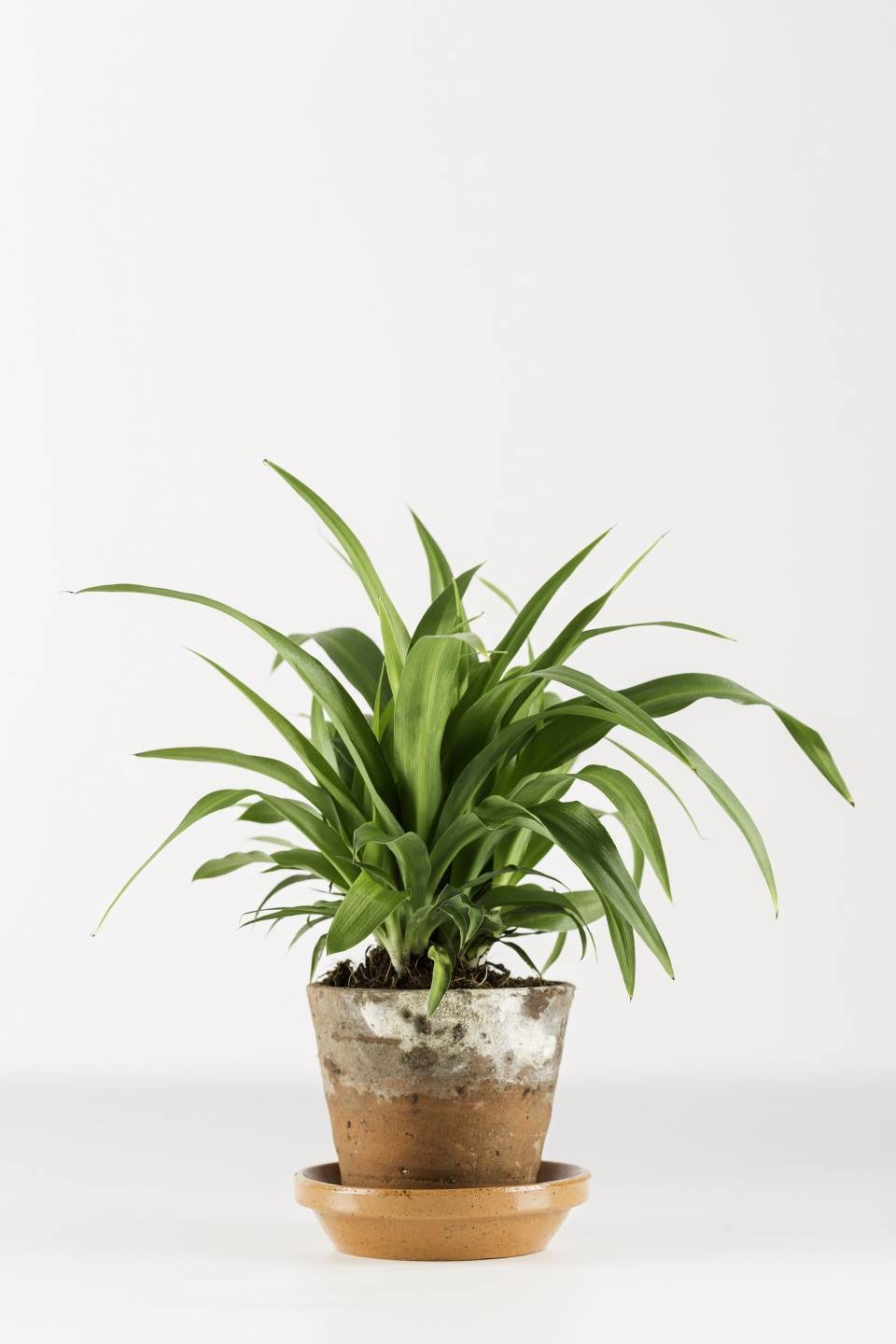
Spider plant
The Spider plant is the ultimate beginner’s houseplant. It grows long, graceful, grass-like leaves and sends out runners with little baby plants that dangle below. That’s what makes it look so good on top of a bookcase or in a hanging pot. It’ll forgive the odd missed watering and is quite happy in partial shade.
7
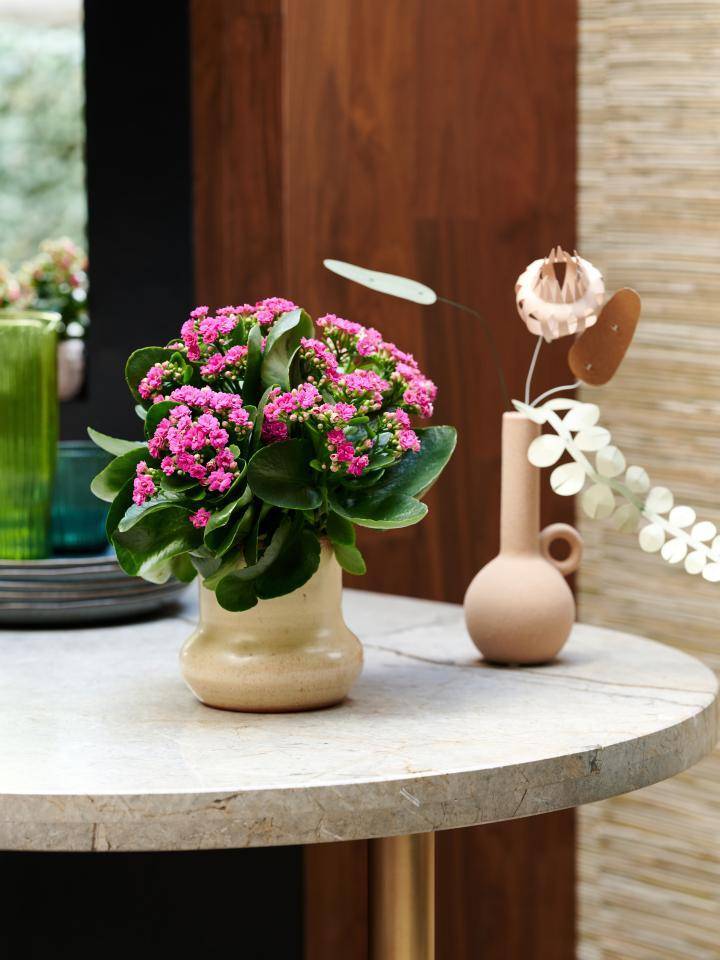
Kalanchoë
Want a splash of colour in a small package? Kalanchoë is the plant for you. This flowering succulent is covered in clusters of tiny red, pink, orange, yellow or white flowers for weeks and stays a neat 20 to 30 centimetres tall. It stores water in its leaves, so it needs very little watering. It’ll be happiest on a sunny windowsill.
8
Saintpaulia
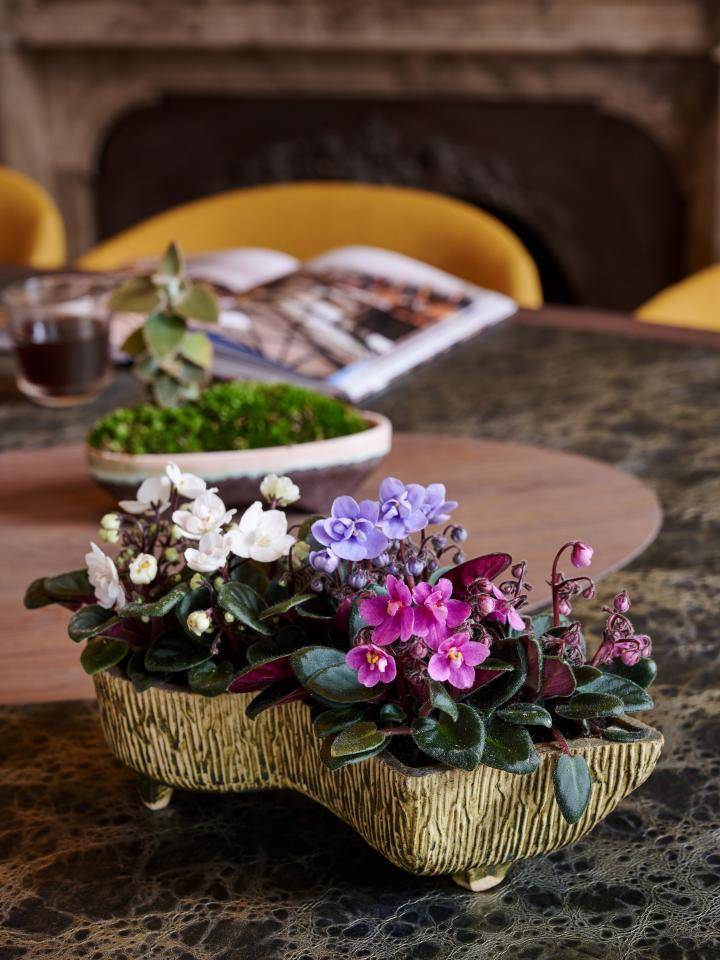
Saintpaulia, better known as the African Violet, is a classic that never goes out of style. With the right care, it flowers almost all year round in purple, pink, blue or white, and stays compact enough for even the smallest side table in your living room. Its velvety leaves don’t like getting wet, so water it from the saucer.
9
Tillandsia
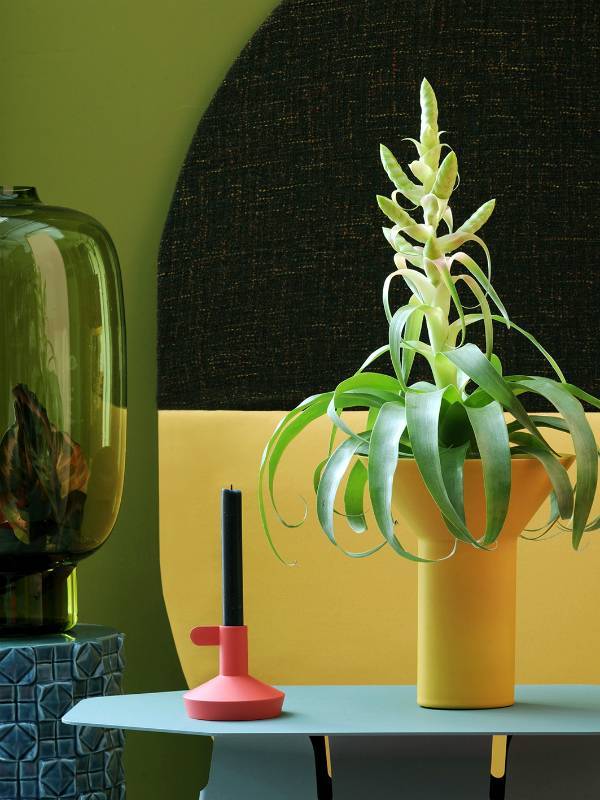
It doesn’t get much smaller or easier than Tillandsia. Also known as an air plant, it doesn’t even need soil. It takes in moisture and nutrients from the air, so it’s quite at home on a piece of driftwood, in a shell or in a glass globe. Give it a 15-minute soak once a week, let it drain thoroughly and you’re done.
10
Hypoestes
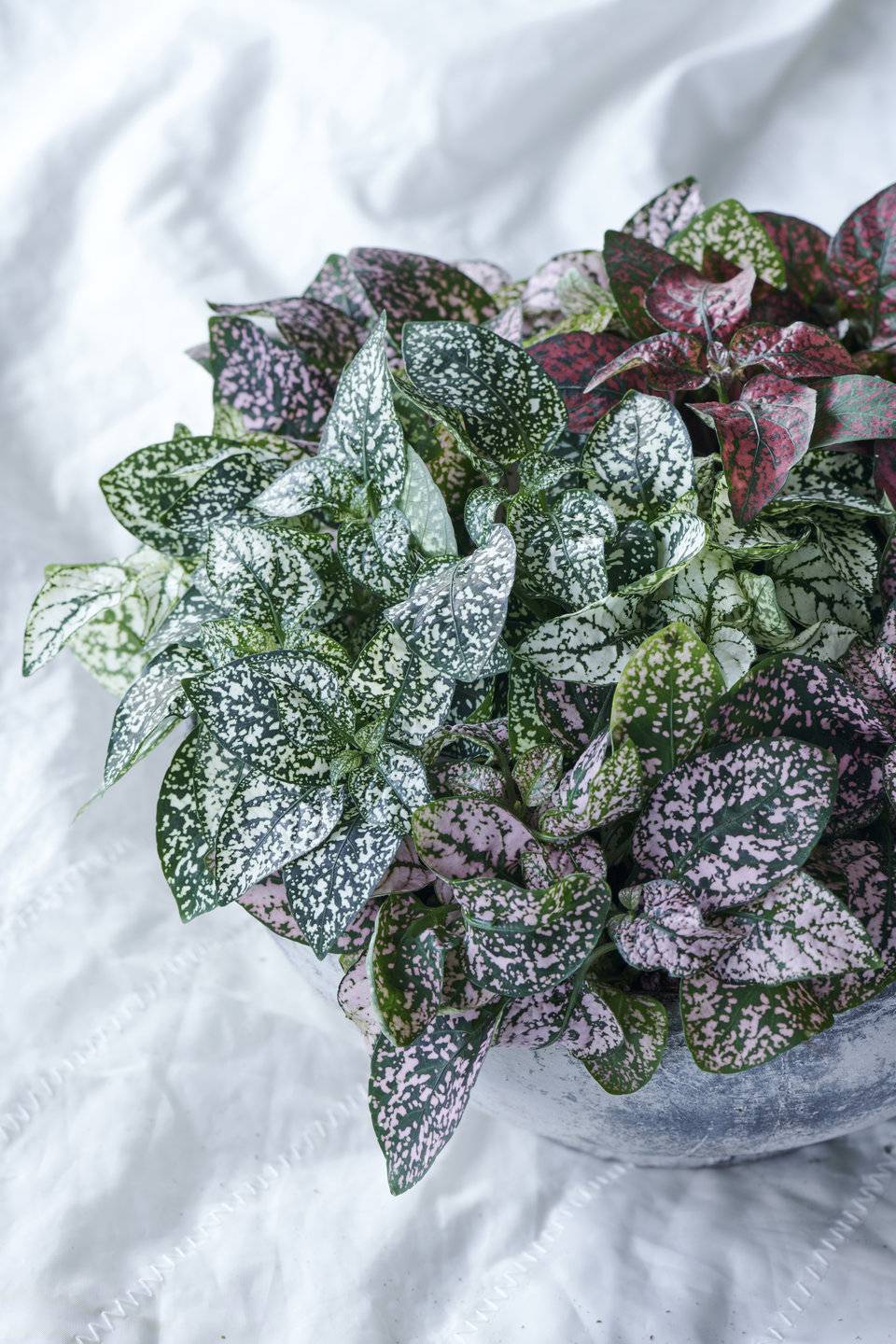
Hypoestes looks as though someone’s been at it with a paintbrush. Its leaves are flecked with pink, red or white spots, giving it a playful look. It stays around 20 to 30 centimetres tall, especially if you pinch out the tips now and then, and likes a bright spot and slightly moist compost.
Why choose small houseplants?
Small houseplants are ideal when you want a bit of greenery and space is tight. Think of a student room, a narrow windowsill or wherever you work from home. They’re easy to move around, look lovely in groups and are often easy on the budget, too.
Of course, any plant will grow when it’s happy. The little plants we’ve picked stay fairly compact, so they’ll still fit in their spot a few years down the line.
How to keep your small houseplants healthy
Buying a small plant is step one. A few simple tricks will help keep it healthy.
1: choose a pot that fits. A pot that’s only slightly bigger than the root ball slows growth and stops too much water from sitting around the roots.
2: repot only when you really need to. Are the roots poking out of the bottom of the pot? Then it’s time. Otherwise, your plant can stay right where it is.
3: check the compost before you water. Small pots dry out faster and can quickly get waterlogged, too. Stick your finger into the compost and wait until the top few centimetres are dry before watering.
How to style small houseplants together
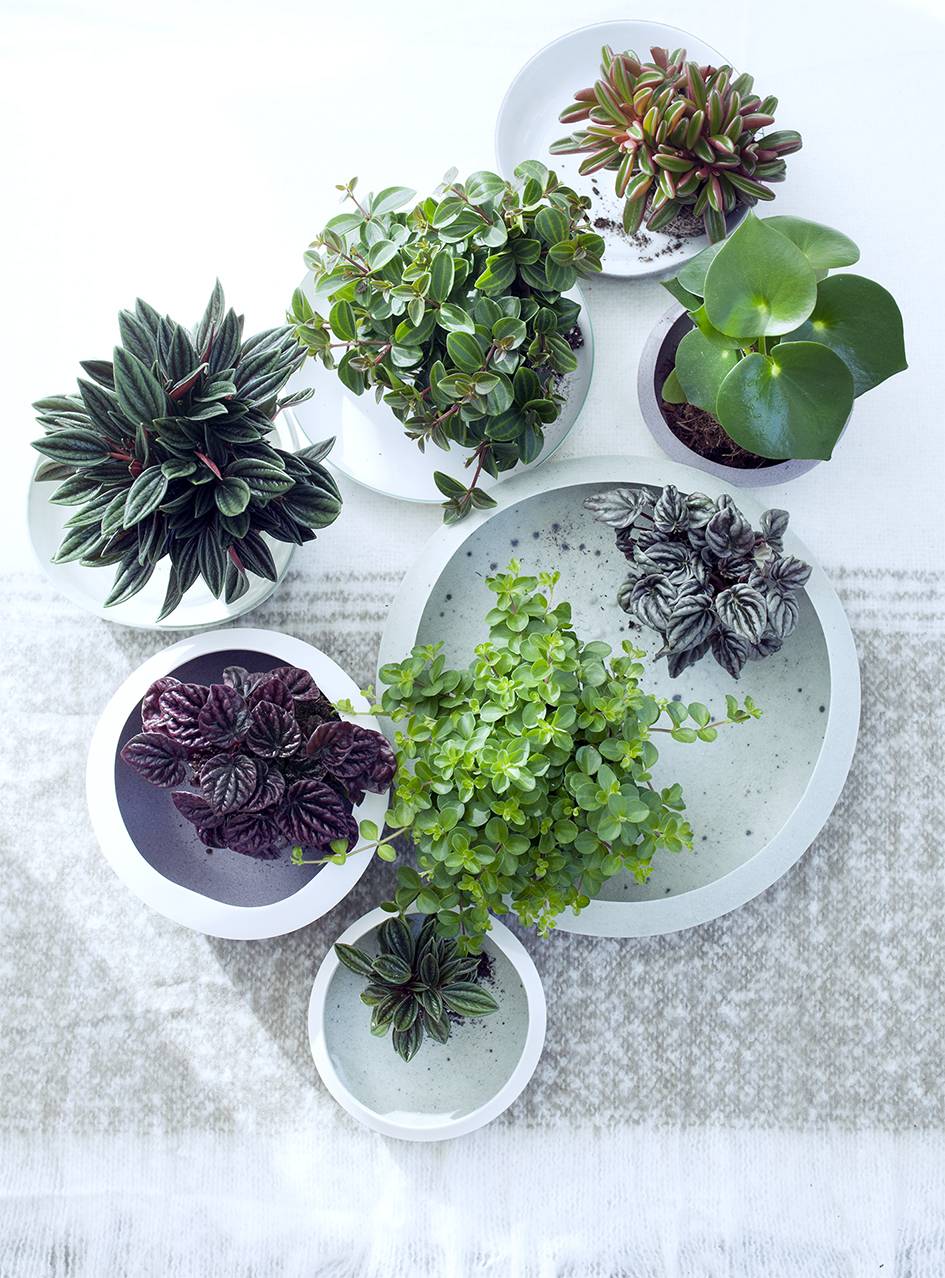
Small plants scattered around can soon look cluttered. Try grouping them in odd numbers and at different heights. A Chinese Money plant, a Peperomia and a Kalanchoë on a tray make an instant mini collection. On your desk, pop a Tillandsia or a succulent on a stack of books so it peeks just above your laptop. Take a look at more ideas for adding greenery to your home office, including which plants will thrive there.
If you’ve got a humid bathroom without direct sunlight, a Fittonia in a glass jar is a cheerful touch. A Spider plant looks its best in a hanging pot or on top of a cupboard, where its baby plants can dangle freely. And on a narrow windowsill, you can’t go wrong with a row of African Violets in matching pots.
Frequently asked questions about small houseplants
Which small houseplants are easy to look after?
Succulents, Spider plants, Chinese Money plants and Tillandsia are great for beginners. They need little water and can cope if you forget to water them now and then.
Which small houseplants can cope with low light?
Plants need some light to grow. Peperomia, Fittonia and Spider plants do well in indirect light or partial shade, such as further back in a room or in the bathroom.
Which small houseplants are safe for pets?
Chinese Money plants, Peperomia, Fittonia, Spider plants, Saintpaulia, Tillandsia and Hypoestes are considered non-toxic to cats and dogs. Begonia and Kalanchoë are toxic, and with succulents it depends on the species. If you’re unsure, always check the plant guide.
Which small houseplants fit on a desk?
Chinese Money plants, Peperomia, Tillandsia and succulents are compact enough to sit next to your laptop. They take up very little space and need hardly any attention during a busy working day.
Which small houseplants flower?
Kalanchoë, Saintpaulia and flowering Begonias bring a splash of colour without taking up much space. With the right care, the African Violet can even flower almost all year round.
How do you stop a small houseplant getting too big?
Choose a pot that’s just a little bigger than the root ball, repot only when the roots grow out of the pot and snip off the growing tips from time to time. That’ll keep your plant compact and bushy.
How often should you water small houseplants?
It depends on the species. Small pots dry out faster, so check regularly to see whether the top layer of compost is dry. Succulents and Kalanchoë need the least water, while Fittonia and Begonia like their compost slightly moist.
More inspiration
Fancy reading more about plants for smaller spaces? You’re in the right place. We’ve got ideas for smaller outdoor spaces, too. No room at all on the floor, on tables, on windowsills or on top of your cupboards? How about a wall full of cacti?