
Written by
Sabina
Description
Sun
Moderate
Flowering
Attracts pollinators
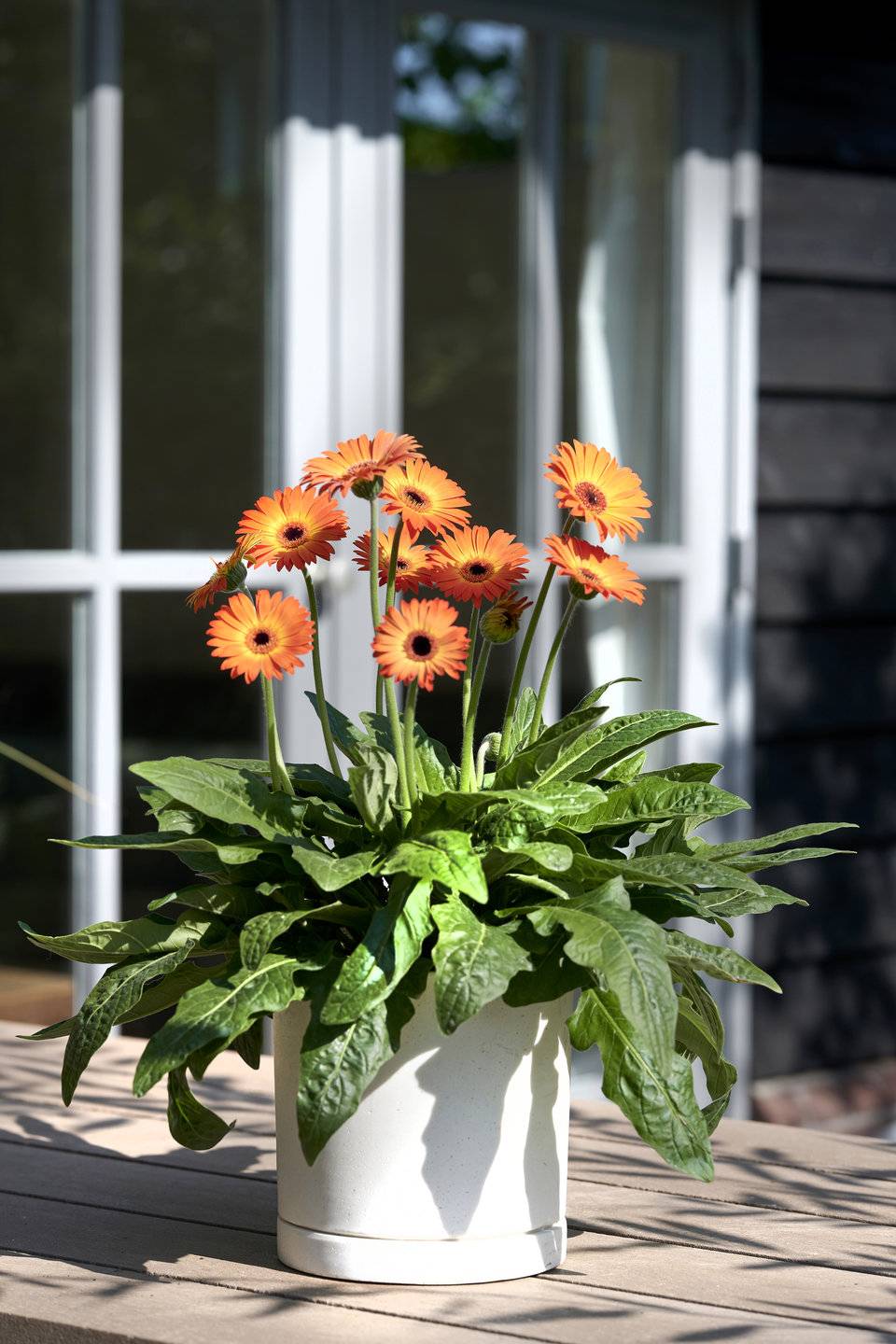
Most people know Gerberas as cheerful cut flowers in a bouquet, but did you know there are also Gerberas that are perfectly suited to the garden? With their colourful flowers, long flowering period and appeal to bees and butterflies, garden Gerberas bring months of life and colour to gardens, patios and balconies. From care and positioning to pruning: read on to discover everything you need to know about Gerbera as a garden plant.
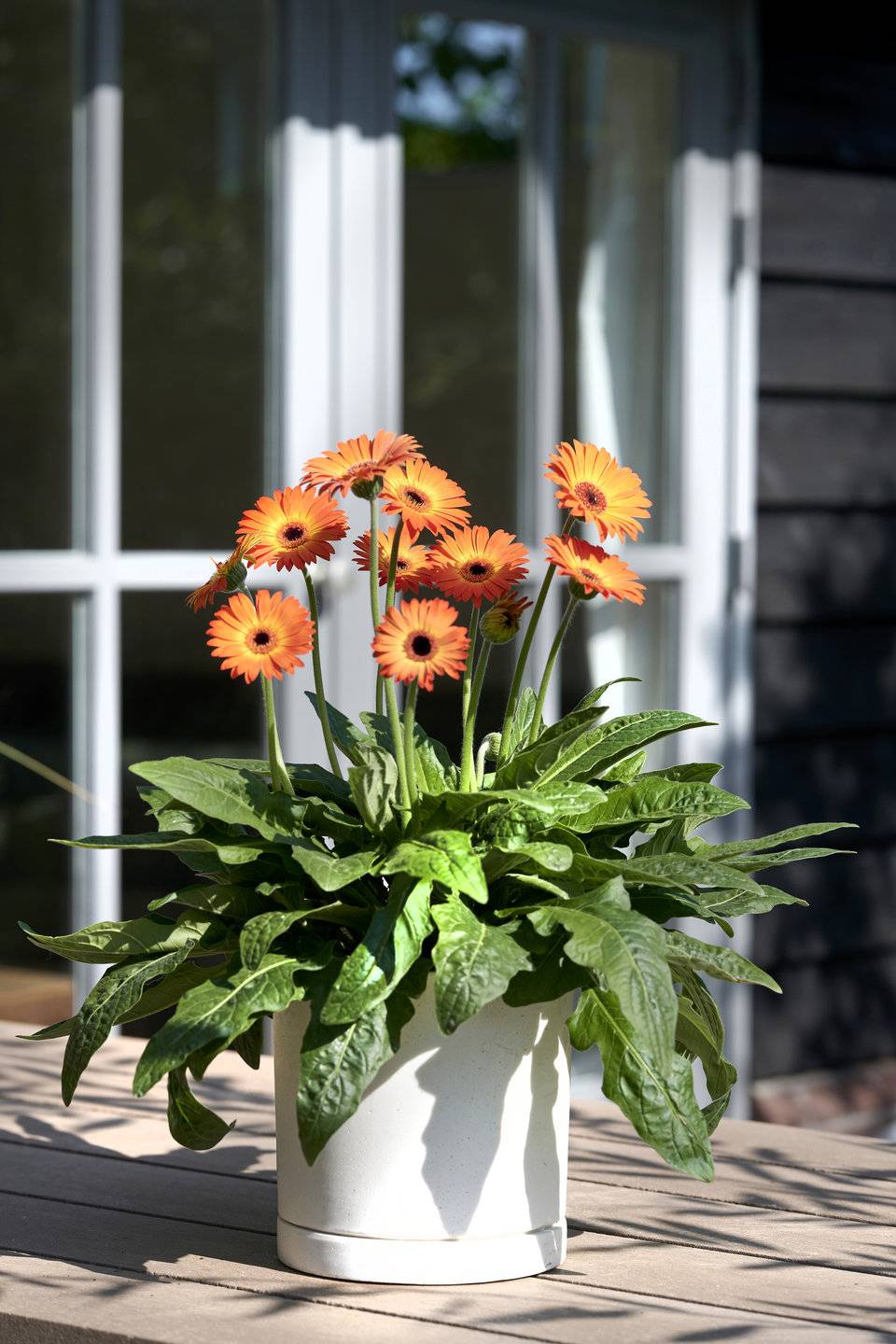
Gerberas in the garden: characteristics and flowering period
Garden Gerberas can be recognised by their rosette of fresh green leaves, from which long flower stems grow upwards. At the end of each stem, a single striking flower appears. What looks like one flower is actually made up of hundreds of tiny flowers that together form a flower head.
Gerbera belongs to the Daisy family (Asteraceae), one of the largest plant families in the world, which also includes Sunflower, Daisy and Chrysanthemum.
Garden Gerberas generally flower from May through to October. Regularly removing spent flowers encourages the plant to keep producing new flower stems, allowing it to bloom for months!
Gerberas thrive in sunny borders, planters and large patio pots.
Gerberas in the garden: position
Gerbera can be planted in full sun. The plant needs plenty of sunlight to produce an abundance of flowers. The ideal position for Gerberas has the following characteristics:
- A spot in full sun to light partial shade
- Sheltered from strong winds (e.g. next to a fence)
- Nutrient-rich, humus-rich soil
- Well-drained soil
Caring for Gerbera as a garden plant
What is the best way to care for a Gerbera plant? How much water does Gerbera need? Find the answers to these questions and more below:
- Garden Gerberas only need watering during hot, dry periods. Make sure the soil stays slightly moist, but avoid leaving the roots wet for long periods, as this can cause root rot. You can tell your garden Gerberas need water when their leaves start to droop.
- During the flowering period, give Gerberas in pots or planters some plant food mixed into the water.
- Give Gerberas planted in the ground some organic fertiliser in spring.
- Remove spent flowers so the plant can produce new ones. Do this by cutting off the stems at the base of the spent flower.
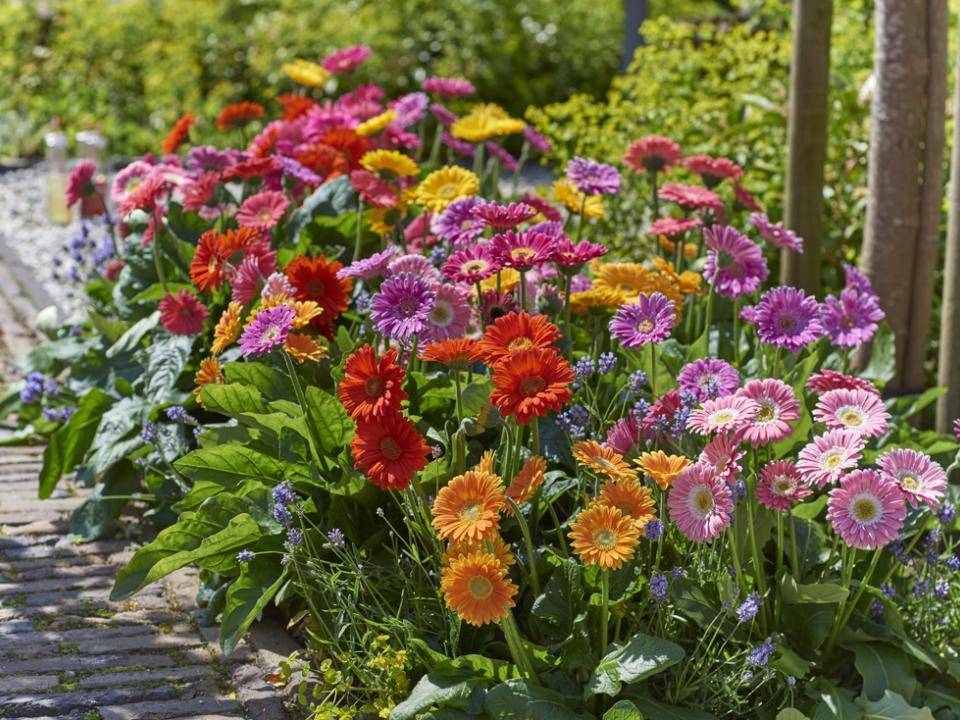
Planting Gerberas in the garden? Here’s how!
Gerberas can be grown from seed, but they are usually bought as young plants, as this is the quickest and easiest way to enjoy their flowers. Have you bought young Gerbera plants and want to plant them in your garden or on your patio or balcony? Ideally, plant them in spring (April-May), once the risk of frost has passed. Planting them in spring gives them plenty of time to establish their roots before winter arrives. Choose a sunny spot with well-drained soil and leave 25-40 centimetres between the plants when planting them in the ground.
Is Gerbera a hardy perennial plant?
Yes and no. Some varieties are hardy (perennial) and can remain in the ground for many years, while many others are not winter-hardy. These non-hardy varieties need to be protected from frost in winter by overwintering them in a frost-free location.
If you want to plant Gerberas in the ground, for example in a border, always choose hardy varieties such as Garvinea® and Sunshapers. If you want to plant Gerberas in a pot, you could also opt for a non-hardy variety and move the plant to a frost-free location during winter.
If you want to plant Gerberas in the ground, for example in a border, always choose hardy varieties.
How do you remove spent Gerbera flowers?
Has your Gerbera finished flowering? Removing spent flowers encourages the plant to put its energy into producing new flowers. Remove spent flowers by cutting off the stems at the base of the spent flower using sharp, clean secateurs.
Types of garden Gerberas
As you can read in the Gerbera flower guide, thousands of cultivated varieties from a number of botanical species are available. Gerberas are mainly distinguished by their flower shapes, such as single-flowered, semi-double and double-flowered Gerberas.
For use in the garden, strong hybrids (crosses between species) are particularly popular. These are selected for characteristics such as a long flowering period, weather resistance and disease resistance. Garden Gerberas are mainly divided into non-hardy (annual) varieties and hardy (perennial) varieties, such as the well-known Garvinea® and Sunshapers.
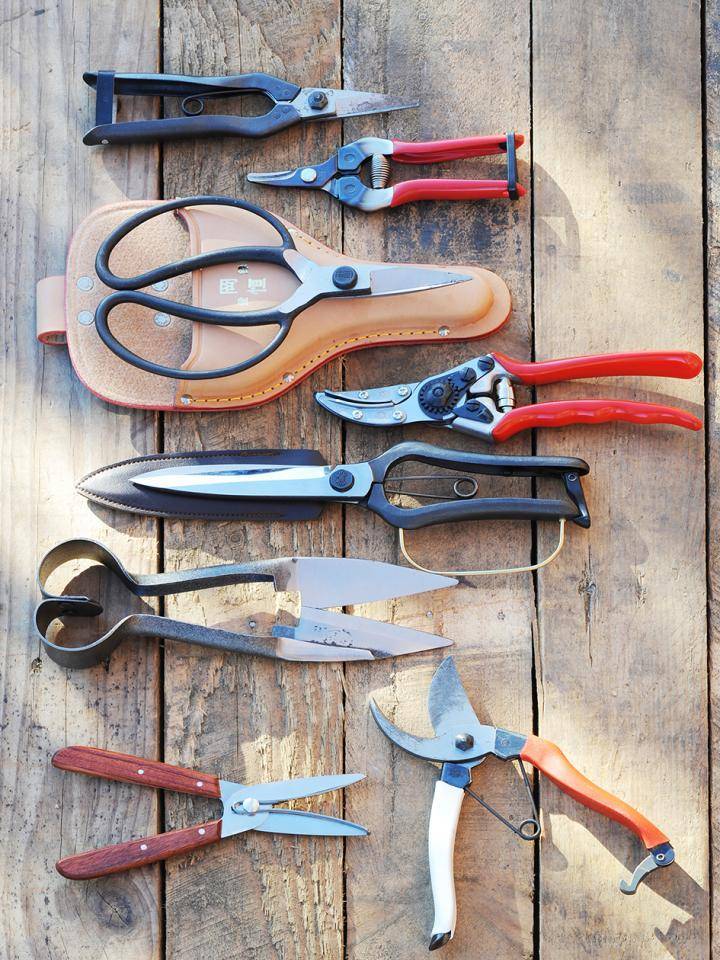
Do you need to prune Gerberas?
Gerberas grown as garden plants do not need to be pruned into shape, but there are a few things that are important when caring for Gerberas in your garden or on your balcony:
- During the flowering season: Remove spent flowers as soon as they have finished flowering so the plant can produce new flower buds. Cut off the stems holding the spent flowers. Also remove any brown or dead leaves to prevent fungi from taking hold and to help the plant stay strong and healthy.
- In spring: remove dead plant material in spring, once the worst of the cold weather has passed. Do not do this in autumn, as the leaves help protect the plant from the cold during winter.
Want to read more about Gerbera?
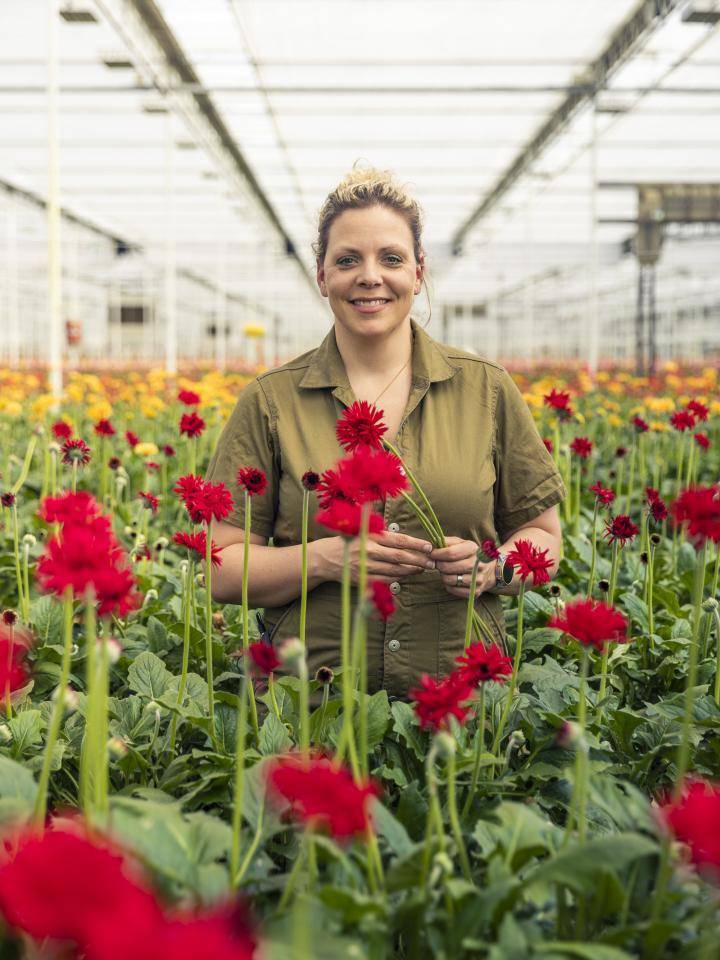
Curious about the symbolism and origins of Gerbera? Take a look at our Gerbera flower guide, where we tell you all about it. And curious to see how cut Gerberas are grown in a greenhouse? Then take a look inside the greenhouse at LG Flowers, where 95 million Gerberas are grown every year.