
Unlike classical, symmetrical gardens, a Japanese garden embraces natural shapes, gentle lines and a balance of height, colour and texture. Core elements such as water features, stones, moss and lush greenery create a serene atmosphere that invites such deep relaxation that you might feel yourself quietly turning into a little Buddha. The beauty of a Japanese garden is that anyone can create one. Whether you have a large garden, a compact city garden or even a tiny balcony that you want to transform into your own miniature Japanese retreat, the principles stay the same. Harmony, calm and natural beauty.
A Japanese garden tells a story
Every element in a well-designed Japanese garden has meaning and is placed with care for proportions, sightlines and the changing seasons. Water often symbolises cleansing and reflection, while stones represent stability and timelessness. Moss and groundcovers add softness and link all elements into a single organic whole. Instead of the rigid lines of a traditional garden, a Japanese garden thrives on flowing curves and a mix of heights, colours and textures.
Water often symbolises cleansing and reflection, while stones represent stability and timelessness.
Japanese trees
Trees form the backbone of a Japanese garden. They bring height, shade and structure. Japanese maples (Acer palmatum) are favourites thanks to their elegant leaves and spectacular autumn colours that range from fiery red to soft gold. For an evergreen touch, you can choose Japanese cedar (Cryptomeria japonica) or bamboo, which also provides privacy and a calm, green backdrop. Compact options such as dwarf maples or the Japanese black pine are perfect for smaller gardens or balconies. They add structure without overwhelming the space.
With thoughtful placement, trees can divide your garden into different zones. Place taller trees towards the back and lower shrubs near the front to create depth and perspective. Combined with water features or stone lanterns, the result is a harmonious composition that encourages stillness and contemplation. You can find more care tips in our plant guide.
Japanese shrubs
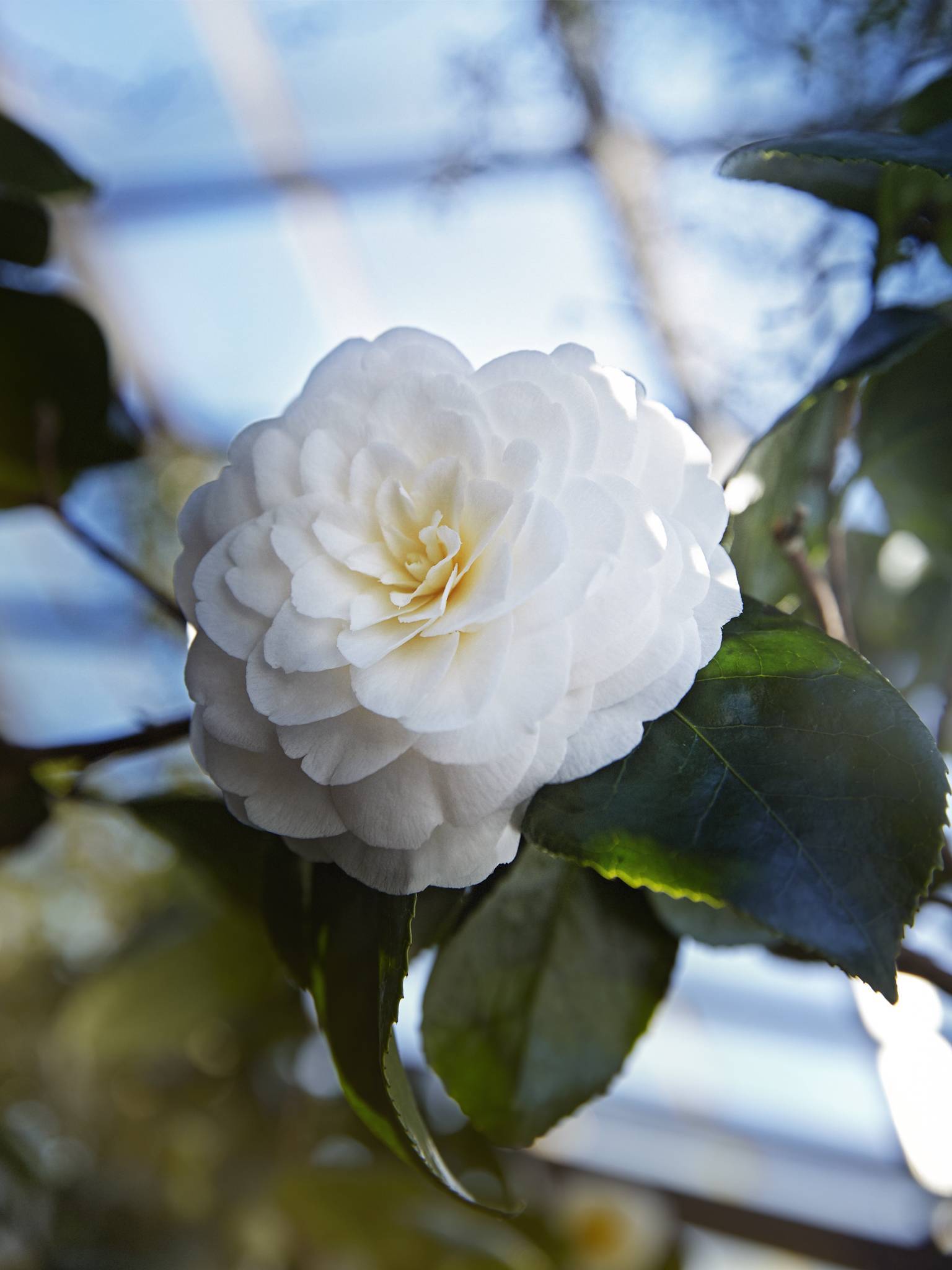
Flowering shrubs bring colour, texture and a sense of the seasons to your Japanese garden. Rhododendrons and azaleas are beloved for their impressive spring blossoms, while Camellia Japonica adds colour even in winter. Hydrangea macrophylla and Pieris japonica also fit beautifully in a Japanese garden thanks to their natural forms and subtle flowering.
For smaller spaces, you can choose compact varieties such as dwarf rhododendrons or variegated camellias. Combine flowering shrubs with evergreen types to keep structure and colour throughout the year. By mixing different heights, you create the layered, natural look that is essential for a calming Japanese garden.
Japanese groundcovers
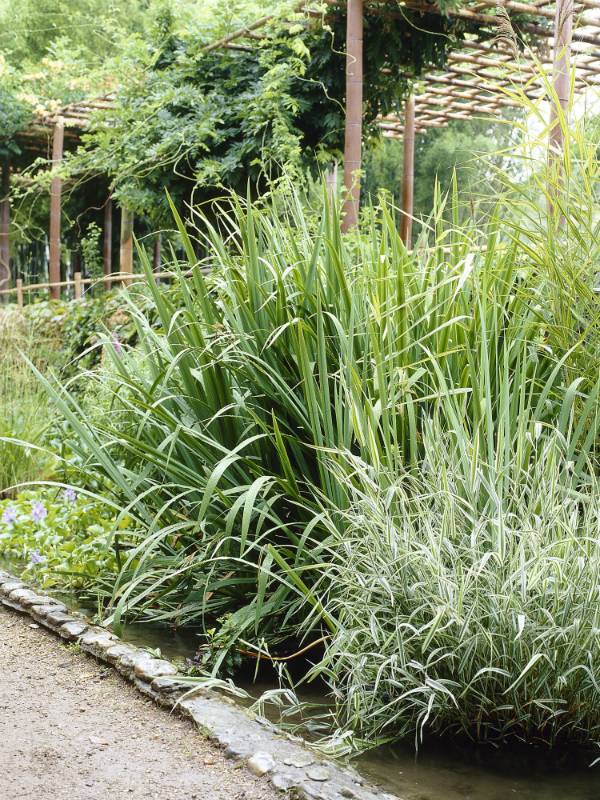
Groundcovers are key to creating a harmonious and natural feel. They fill empty spaces, soften transitions between stones and plants, and help keep weeds at bay. Mosses are a classic choice for Japanese gardens, especially in shaded areas or around water features. Other great options include Vinca minor, Ajuga reptans and Pachysandra terminalis. All adapt well to different light conditions and offer a soft green carpet.
For a mini Japanese garden you can use groundcovers in pots or raised borders so even a small balcony can feel serene and green. Groundcovers also pair beautifully with ornamental grasses and low shrubs to create a varied yet peaceful landscape.
Ornamental grasses and low planting
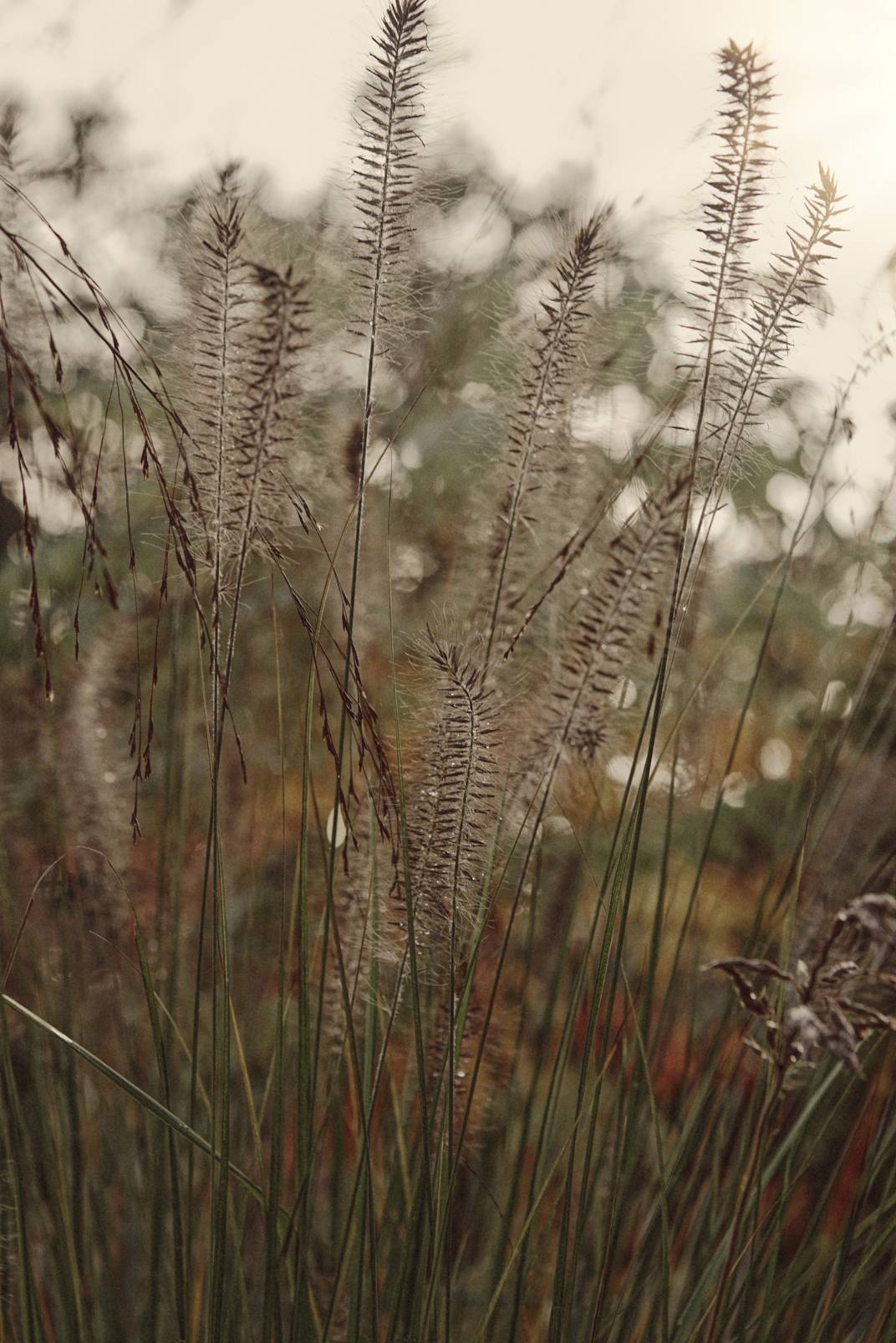
Ornamental grasses add movement, texture and a gentle airiness. Hakonechloa macra, often called Japanese forest grass, is ideal for shaded corners and soft slopes. Carex varieties and low bamboo types subtly highlight height differences without making the space feel crowded.
By combining tall trees and shrubs with low planting and ornamental grasses, you create depth and an organic whole that radiates calm and balance. Even in small gardens or on balconies you can achieve this effect by mixing pots, raised planters and carefully placed grasses or groundcovers.

Styling tips for a Japanese garden
- A Japanese garden revolves around balance, harmony and quiet beauty.
- Combine tall plants and trees with lower shrubs, groundcovers and ornamental grasses to create different layers.
- Choose a palette of greens, reds and golden tones, but avoid colours that feel too bright or loud.
- Place stones, water features and other natural elements in spots that feel intuitive rather than symmetrical. Paths do not need to be straight. Gentle, meandering lines suit the organic character of a Japanese garden.
- Small touches such as a bamboo fountain, stone lanterns or a miniature water feature bring the design to life.
- Variation in texture, colour and height keeps the garden visually interesting while maintaining its calming effect.
If you need extra ideas for a small bit of greenery that is calling out for a touch of Japan, take a look at our four ideas for a small city garden.

Extra tips for planting in a Japanese garden
- Tall trees and shrubs bring privacy and structure. Groundcovers and ornamental grasses add softness and create a harmonious foundation.
- When choosing plants, think about seasonal change. Flowering shrubs in spring, the rich autumn shades of maples and the evergreen accents of cedar and camellia ensure the garden stays beautiful all year round.
- By pairing the right plants with stones, water and other natural elements, you create a garden that truly captures the spirit of Japanese landscape design.
- Whether you are searching for Japanese garden ideas, planning a miniature version or simply want to know which plants fit best, the principles remain the same. Natural forms, harmony and a unified whole.

Find inspiration in a real Japanese garden
If you want to experience the calm, balance and natural shapes of a Japanese garden first hand, there are several beautiful places to explore in the Netherlands.
The Japanese Garden in Clingendael, The Hague, is a classic with winding paths, graceful bridges and an impressive collection of maples and rhododendrons. The gardens at Kasteeltuinen Arcen also include a Japanese garden that shows perfectly how water, stones and greenery can create a serene atmosphere.
For lovers of small and intimate gardens, the Japanese Garden in Maastricht is a wonderful option. Here you can admire miniature interpretations of Japanese landscapes, ideal for anyone looking for inspiration for a balcony or city garden. A visit to these gardens gives you fresh ideas for plant combinations, paths, water features and styling that you can apply to your own outdoor space.