Anthurium

Written by
Carmen
Indirect light
Moderate
Flowering
Anthuriums love warmth, light and humidity. These are the essentials:
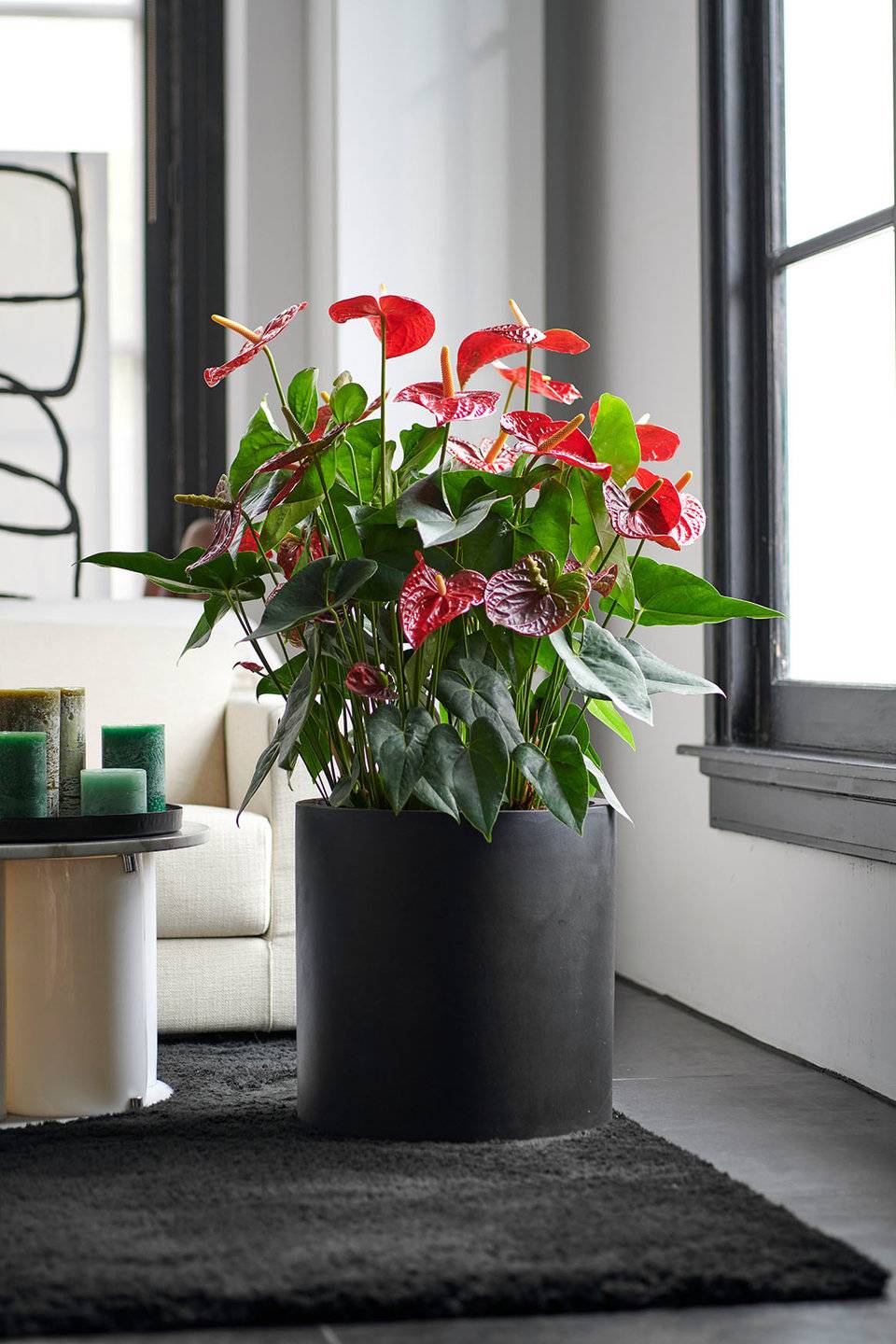
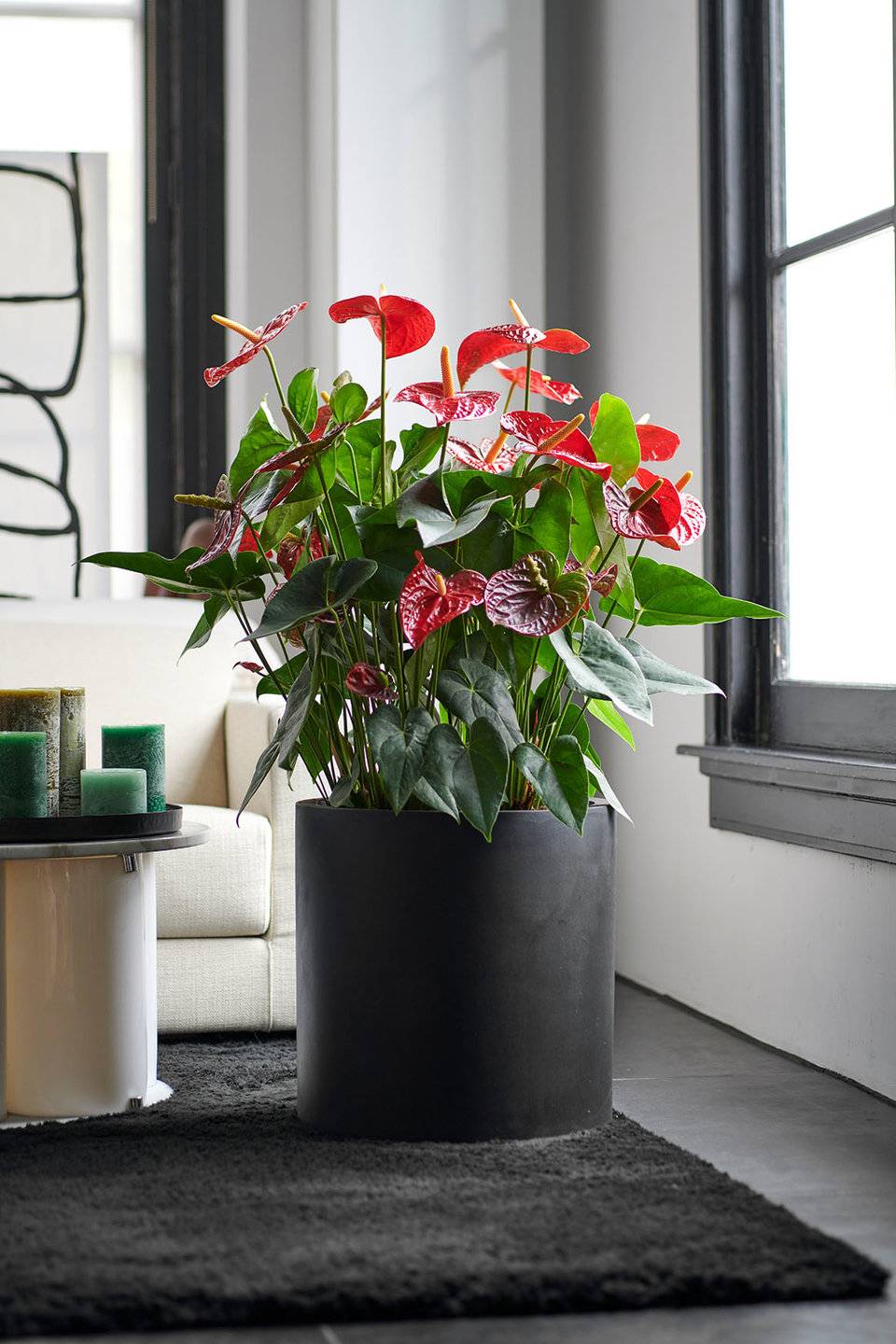
Anthurium, Flamingo Plant or Flamingo Flower. All names that sound wonderfully exotic and rightly so. With its glossy glow and sculptural flowers, this tropical charmer brings a decidedly un-Dutch atmosphere into your home. Here you will find everything you need to know about care, varieties, symbolism and origins.
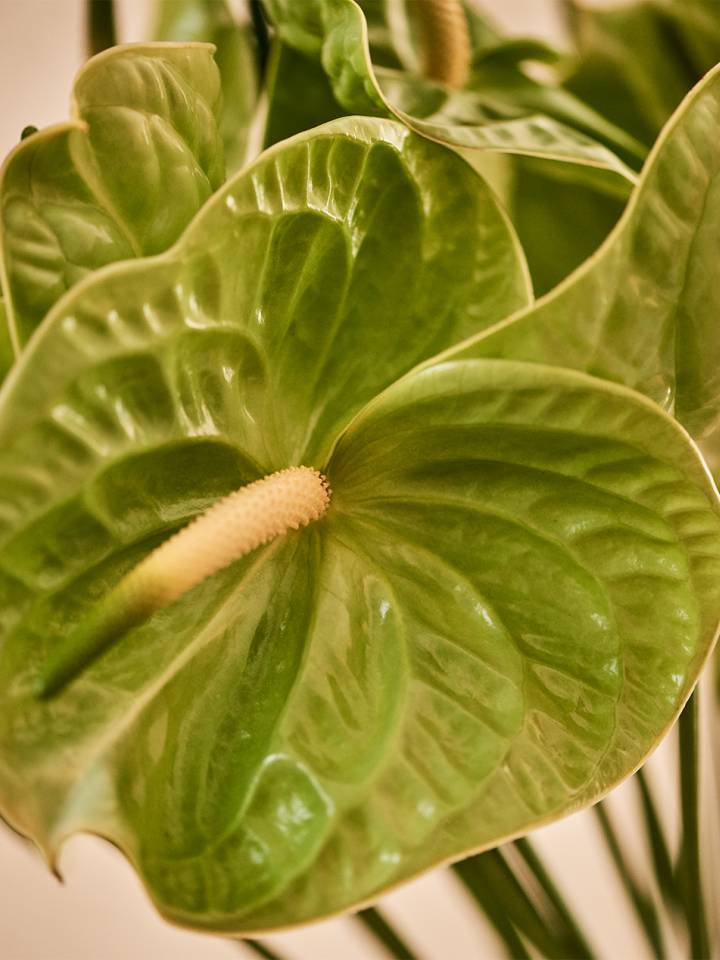
You can spot an Anthurium by its glossy green leaves, colourful spathes and curious spadix. Those tiny bumps on the spadix are actually the flowers. Maybe you already knew that. The plant comes in red, pink, purple, orange, yellow, white and green. Collect them all if you dare!
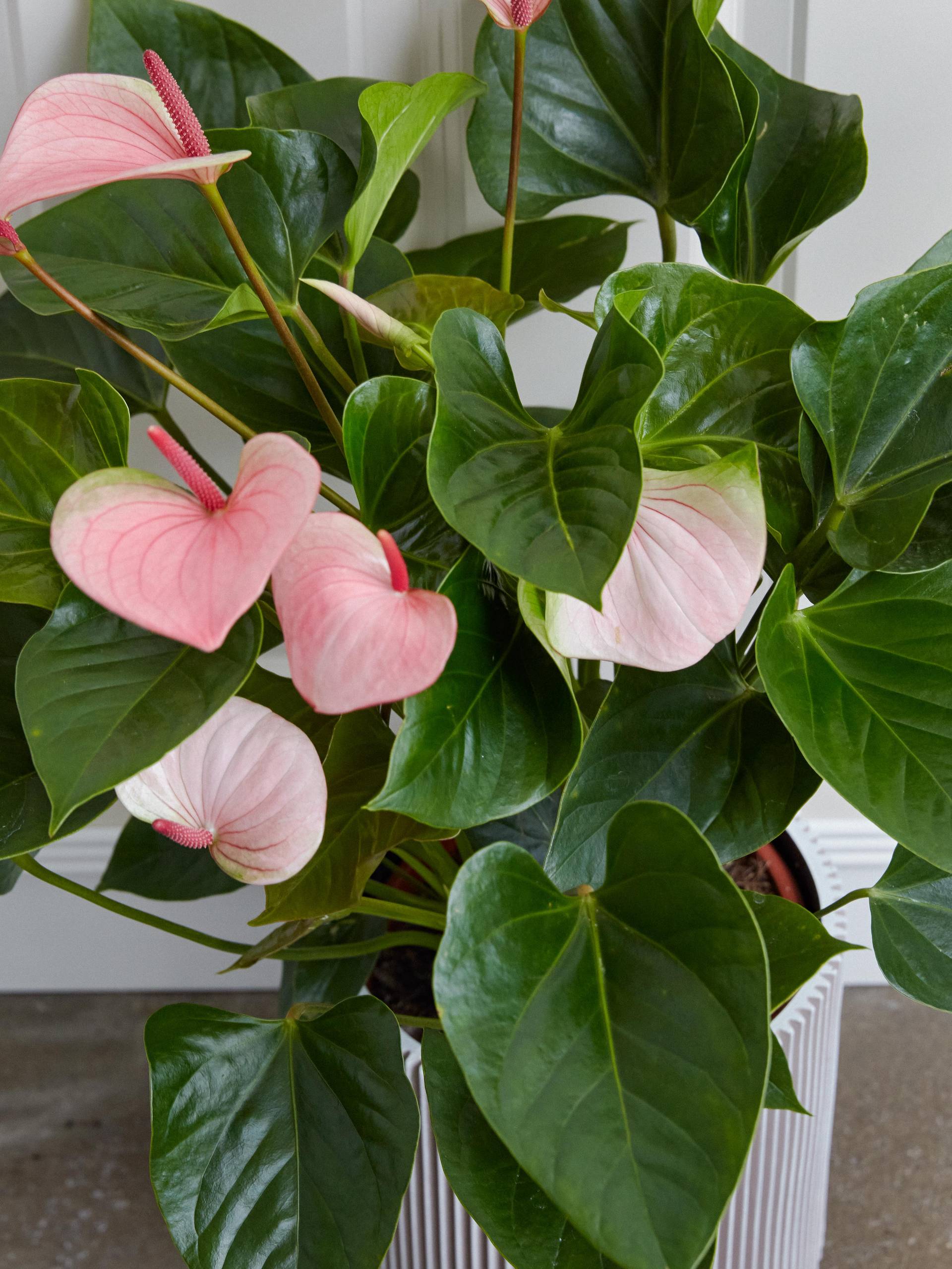
Across the world, Anthuriums are known as symbols of love, luxury and hospitality. With their heart-shaped flowers, they are a popular gift for loved ones. They represent affection and care. Their long-lasting blooms also symbolise enduring beauty and loyalty, just as the flowers hold their colour and shine for weeks.
Across the world, Anthuriums are known as symbols of love, luxury and hospitality
In some tropical cultures the Anthurium is said to protect the home from negative energy and bring luck indoors. Its exotic looks, shiny leaves and striking flowers have also made it a symbol of tropical elegance, prestige and style. Interior designers love using Anthuriums to create a rich, colourful atmosphere which strengthens their symbolic link with refinement and luxury.
A fun extra: gifting a red Anthurium is said to symbolise love and passion, while pink and white varieties stand for kindness, admiration and purity.
Anthuriums originate from the tropical rainforests of Central and South America, where they grow beneath the canopy of towering trees. They thrive in warm, humid surroundings with filtered sunlight and an airy, well-draining soil. These conditions help the plants develop their glossy leaves and vivid colours.
The best-known species, such as Anthurium andraeanum and Anthurium scherzerianum, come from countries including Colombia, Ecuador and Costa Rica. In the wild, they often grow on rocks or as epiphytes on other plants. They benefit from constant humidity and the dappled shade of the rainforest which allows them to grow beautifully.
Thanks to their tropical flair and decorative value, Anthuriums are now cultivated worldwide. They are popular as houseplants, as well as ornamental garden plants in warmer climates. In regions such as Florida and parts of Asia, they have also become important commercial cut flowers.
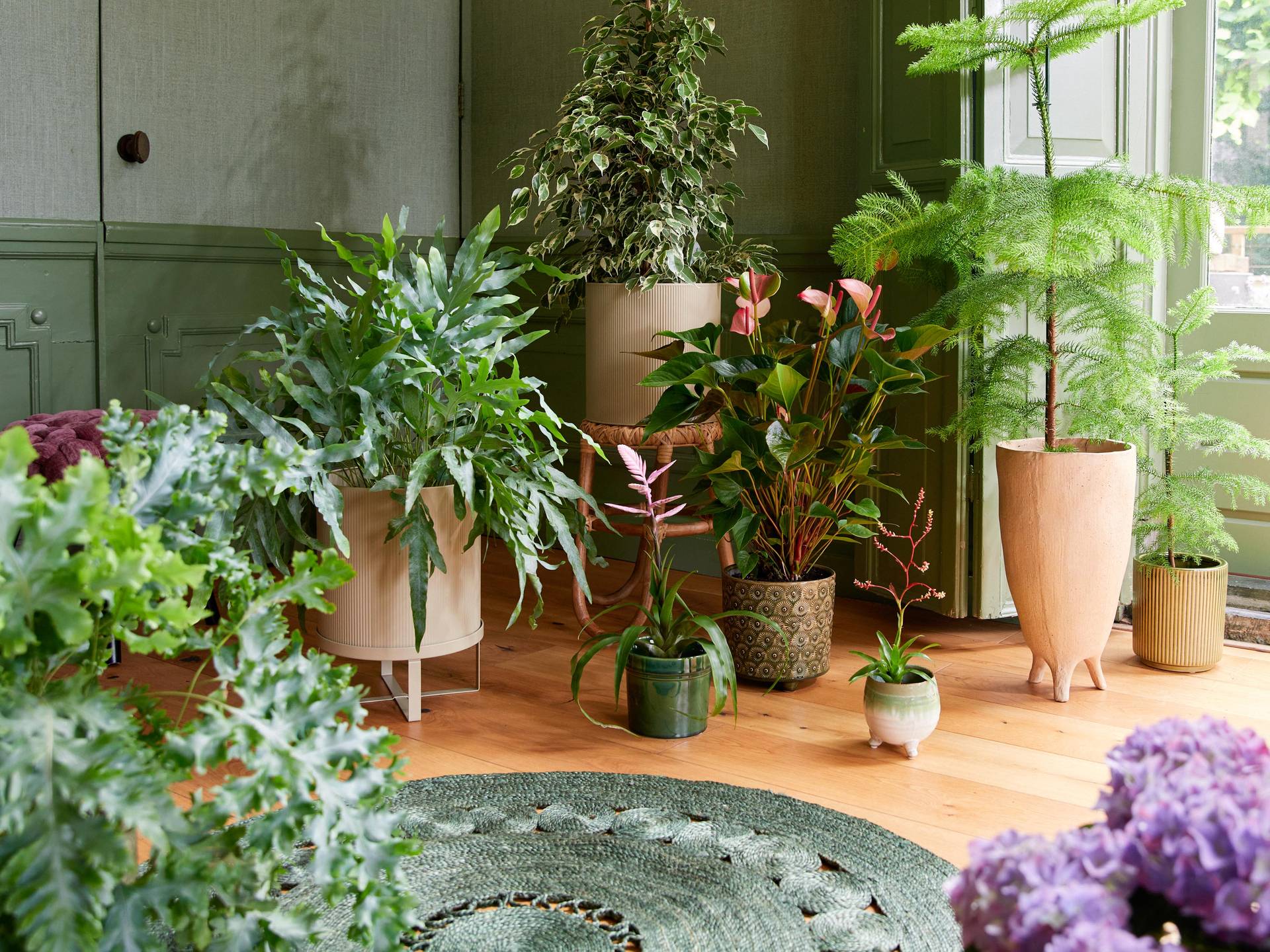
Anthurium
Anthuriums have glossy, heart-shaped or arrow-shaped leaves and striking flowers made up of a colourful spathe and spadix. They belong to the Araceae family and are ideal as indoor plants because of their decorative foliage and long flowering period.
Red, white and pink are the classics yet green and salmon varieties are becoming increasingly common. A true “something for everyone” plant.
There are hundreds of Anthurium species. In practice, you will mostly come across these well-known groups.
The first two are the best-known houseplants and are often called Flamingo Plants:
Place your plant in a bright location without direct sunlight, for example, a window facing east or west. Too little light can slow down blooming. Extra tip: turn the plant every week by about a quarter turn, so all sides get enough light. This keeps the plant growing evenly and helps maintain a balanced shape. In rooms with lower light levels, you can temporarily move it closer to the window or use a grow light to encourage flowering.
Anthuriums prefer temperatures between 20 and 25°C and should not be exposed to cold drafts or temperatures below 15°C. So avoid placing them near an open window in winter or directly next to your air conditioning or heating unit.
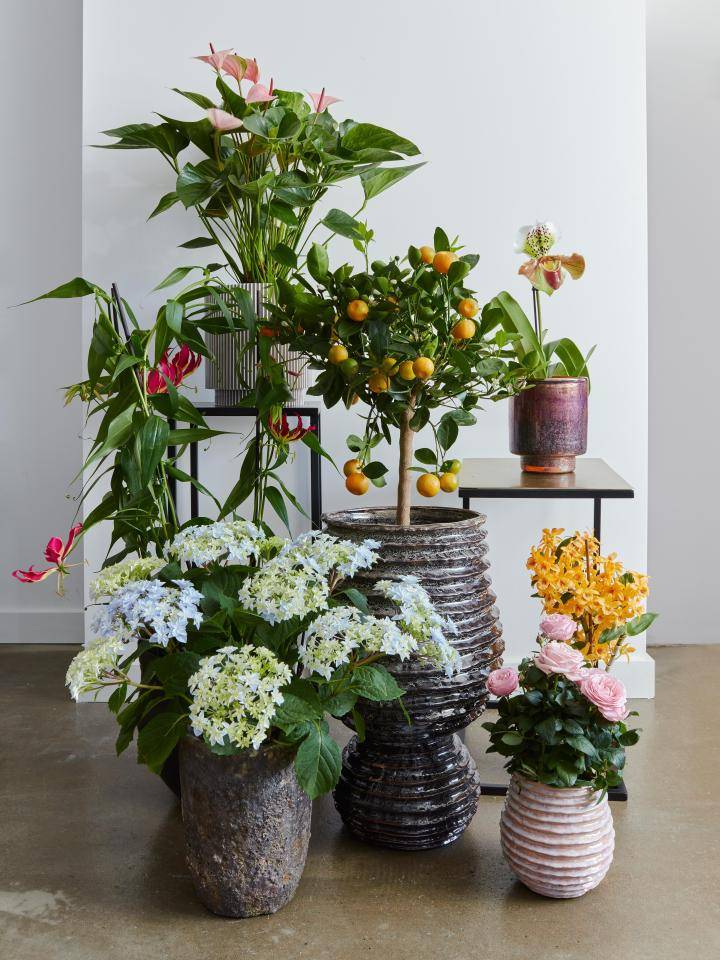
Anthuriums are relatively easy to care for yet problems can occur. These are the most common issues and what you can do about them:
Helpful tip: remove old or damaged leaves and faded flowers regularly. This encourages new growth and keeps the plant healthy. Wipe the leaves occasionally with a damp cloth to remove dust. It helps the plant absorb more light and keeps the foliage shiny.
Anthuriums contain calcium oxalate crystals and are mildly toxic to humans and pets. Avoid ingestion of leaves or flowers. Touching the plant is safe. Even so, keep it out of reach of children and animals. When repotting or pruning, cut carefully and wash your hands afterwards.
Practical tip: want to create a safe environment? Place your Anthurium on a high shelf, a table or in a room where pets and small children cannot reach it. This way you can enjoy its tropical beauty without any worries.