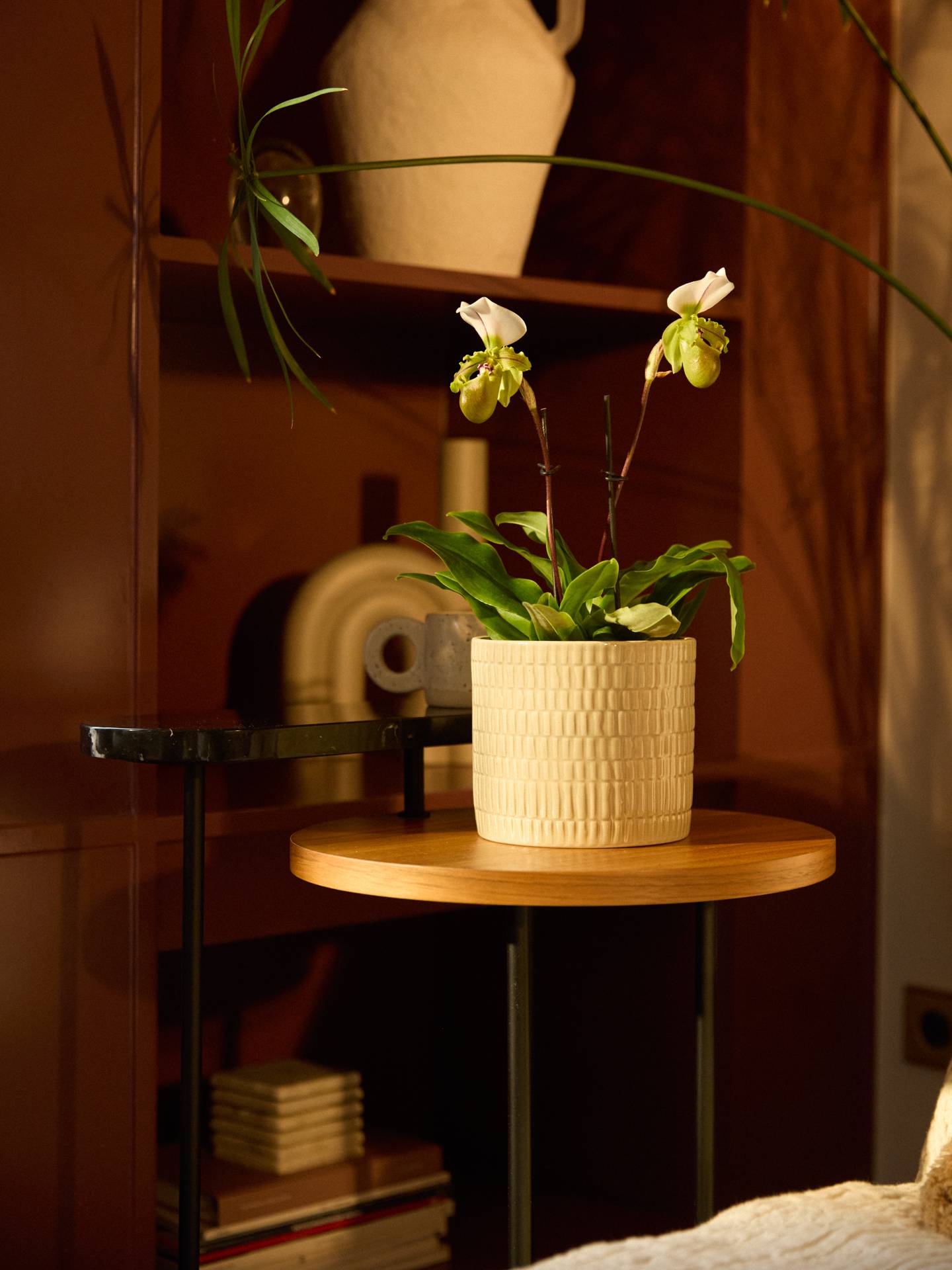

Orchids are adored for their elegant flowers, yet they can be a little sensitive if care falls short or stress kicks in. A classic case of: “too much hassle, I am not getting involved”, if you ask many people. A real shame. In this article, we explain how to revive an orchid that is “not doing so well” and how to get a faded Orchid to bloom again.
Types of Orchids
There are estimated to be between 28,000 and 30,000 different Orchid species worldwide, divided into roughly 750 to 763 genera. All Orchids belong to the Orchidaceae family, which is one of the largest and most diverse plant families on earth. The tips below are designed to be as universal as possible and suitable for most Orchid types

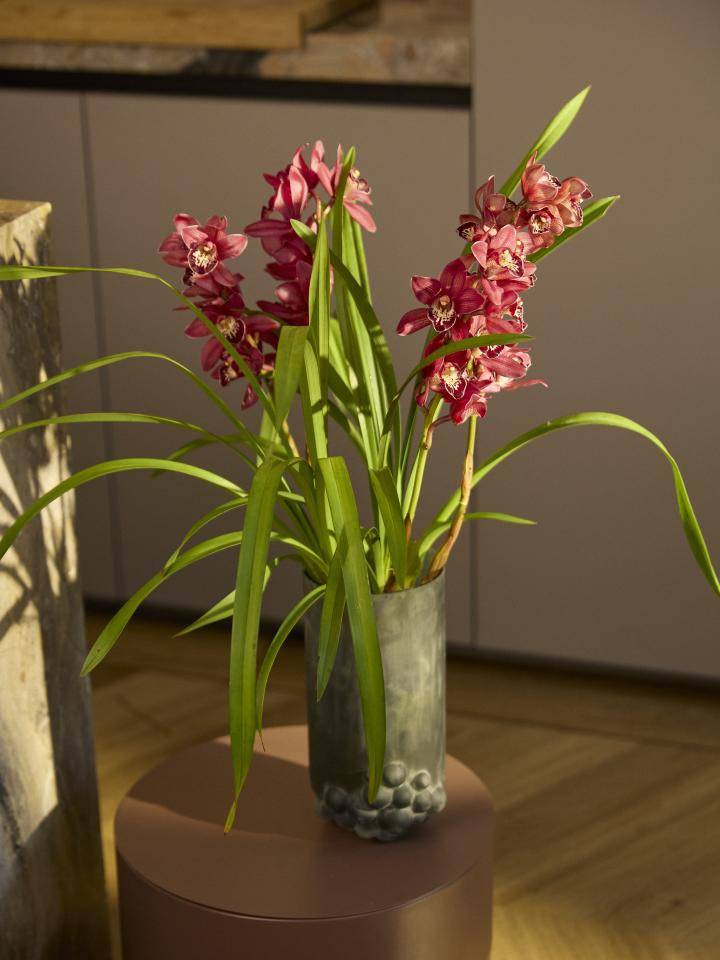
Diagnosing and reviving a weakened Orchid
First check the symptoms: yellow leaves, limp stems, leaf spots or soft, brown roots (root rot). If your plant is showing signs of weakness, follow these steps:
Clean the roots:
- Remove the plant carefully from its pot and gently loosen the potting medium around the roots.
- Rinse the roots gently with lukewarm water.
- Trim away soft, damaged or mushy roots. Healthy roots feel firm and are usually silver or green. If you are unsure, simply feel the root.
Repot
- Use airy Orchid soil, such as coarse pine bark or a special orchid mix.
- Choose a pot with plenty of drainage holes and do not press the soil too tightly around the roots.

Care during recovery
- Light: bright, indirect light, avoid harsh direct sun.
- Temperature: 16–24 °C during the day, and ideally above 12 °C at night.
- Water: in summer about once a week, in winter once every ten days. This depends on the temperature and location of your orchid. Do not overwater because this can lead to root rot. Use lukewarm water. Submerge the pot for 5 to 10 minutes, let it drain thoroughly, then allow the medium to dry before the next soak.
- Humidity: mist leaves occasionally, but avoid spraying the flowers.
- Fertiliser: use Orchid fertiliser during recovery (when you see new roots or leaf growth). Follow dosage instructions carefully. Avoid fertiliser during rest periods or when the plant is not in bloom.
With patience, a weakened Orchid can usually recover beautifully. It simply takes time. Orchids like to move at their own pace.
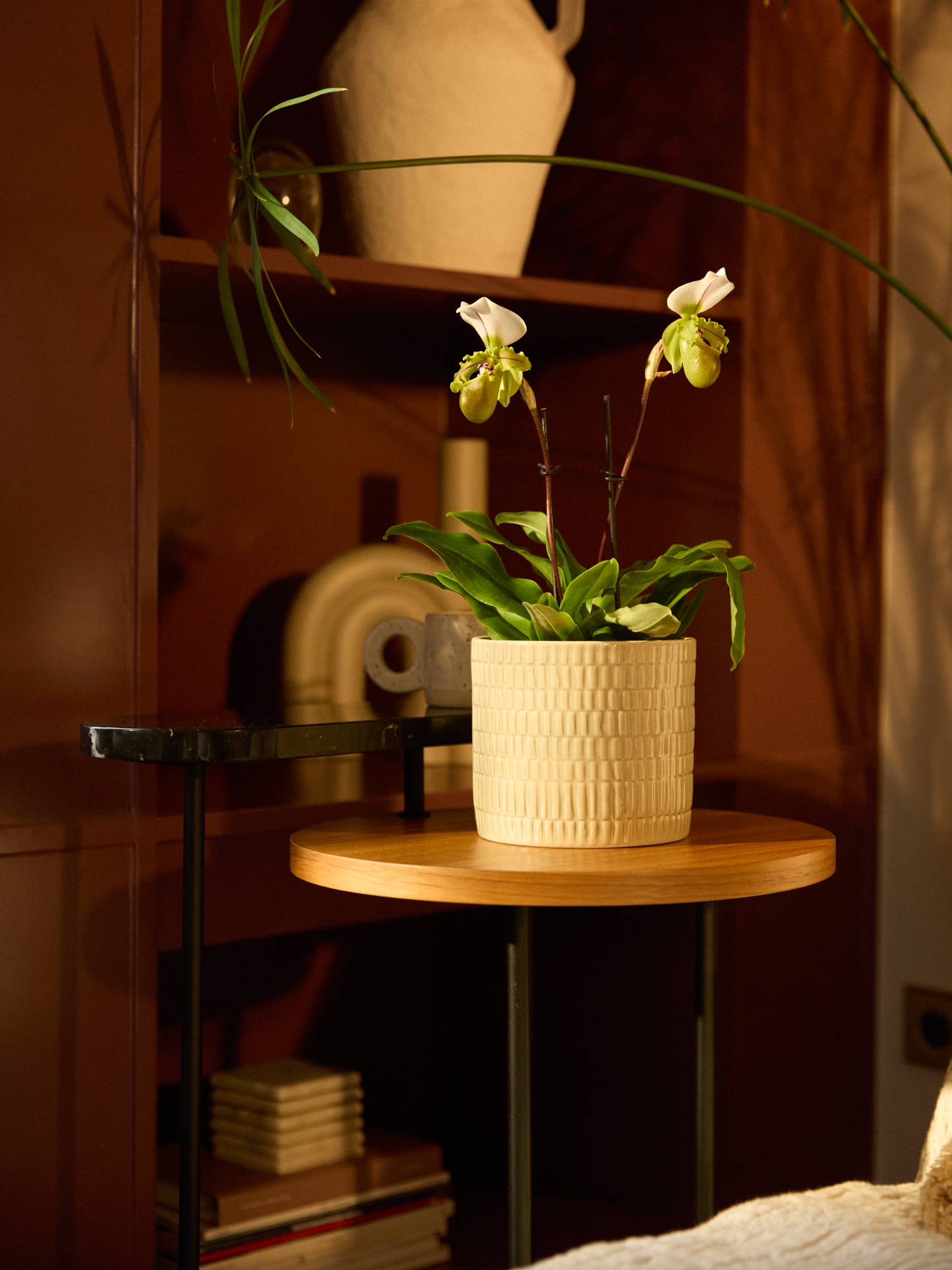
Getting a spent Orchid to bloom again
Even after flowering, the plant stays very much alive and can produce new blooms.
Trim the flower spike:
- Cut the spike just above a node, two or three nodes up from the base, to encourage new branches.
- If the spike has turned brown or dried up, remove it completely.
- A healthy green spike may sometimes form new side branches on its own.
Rest and stimulation phase
- Provide bright, indirect light. Perhaps the windowsill is not the right place for your Orchid.
- Cooler nights can encourage the orchid to bloom. A kitchen or bedroom often works well.
- Water lightly after pruning, but do not let the roots dry out.
- Once new flower spikes become visible, resume regular watering and fertilising.
Patience and observation
- New flower spikes can take their time to appear, sometimes six to twelve months.
- Keep an eye on the roots, leaf growth and overall vitality. Without healthy roots and leaves, there will be no new blooms.
- Some Orchids (such as Phalaenopsis) can bloom multiple times from the same spike if conditions are right.

Orchid care can be simple
Thinking, “what have I got myself into with this Orchid”? No need to worry. Caring for an Orchid can be surprisingly simple. The most important mantra to remember: do not spoil it. Give less water in winter and cut off spent flower spikes, so the plant can put its energy into root and leaf growth. Go for indirect light and consider where Orchids originate from tropical regions. They love high humidity.
Main mantra to remember: Do not spoil the Orchid too much.

An extra tip for caring for your orchid
A small tip for when the heating is blasting during the chilly Dutch winter: place a small dish of water next to your Orchid. And if you are looking for a foolproof watering method without drowning your plant, soak it occasionally. Let it drain well after each bath. Ready for a glow-up after a rough spell or after flowers have faded? Time to prune.

More inspiration
The Orchid is a remarkable plant we never seem to tire of talking about. Do you feel the same? Read on to discover how an Orchid can bring true feng shui into your home, how to create your own Orchid jungle, and why the Dendrobium is so special. It is the only Orchid that blooms like a miniature tree.