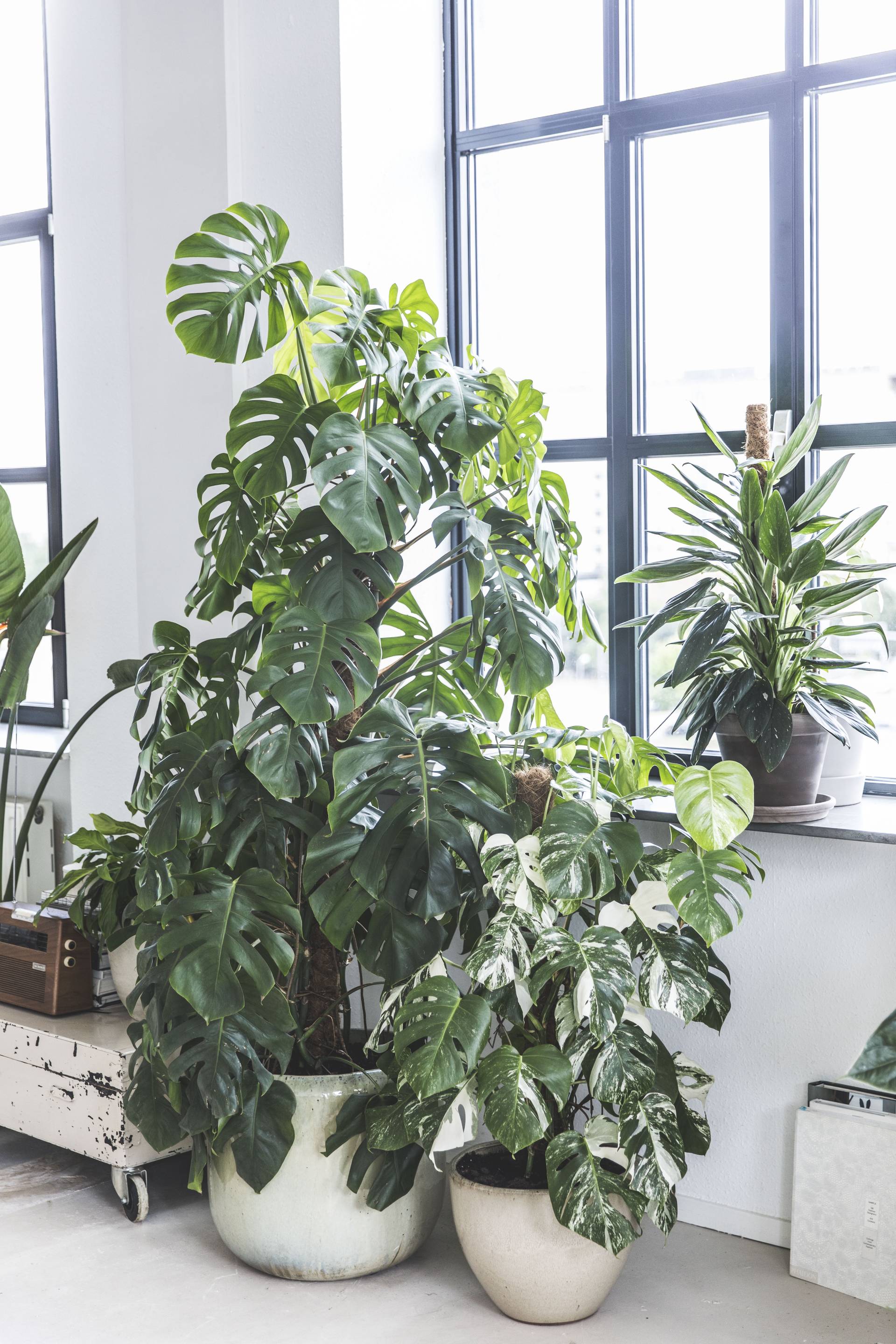
Saying goodbye, grieving and remembering, everyone does it in their own way. In many religions, flowers play an important role in death and the rituals that surround it. From white chrysanthemums in Buddhism to marigolds in Hinduism. Join us on a brief journey through the rich meaning of mourning flowers across different religions and cultures!
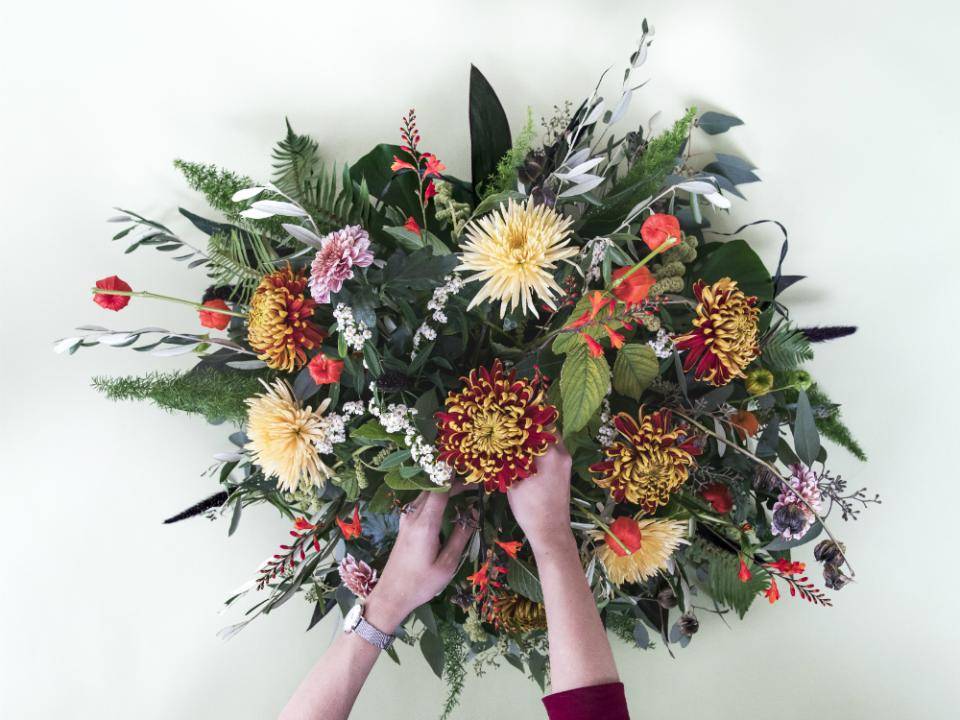
Flowers and mourning: an age-old tradition
The use of flowers at funerals dates back thousands of years. As early as ancient Egypt, flowers were placed in the burial tombs of pharaohs. To this day, flowers help people around the world to grieve, remember and say goodbye with love. They often carry a deeper symbolic or religious meaning.
Flowers speak a quiet, universal language of comfort, respect and love.
Buddhism: white and yellow flowers for purity and hope
In Buddhism, death is seen as part of the cycle of reincarnation. A transition into a new life. Mourning rituals are often serene and deeply symbolic, with a strong emphasis on silence, calm and reflection.
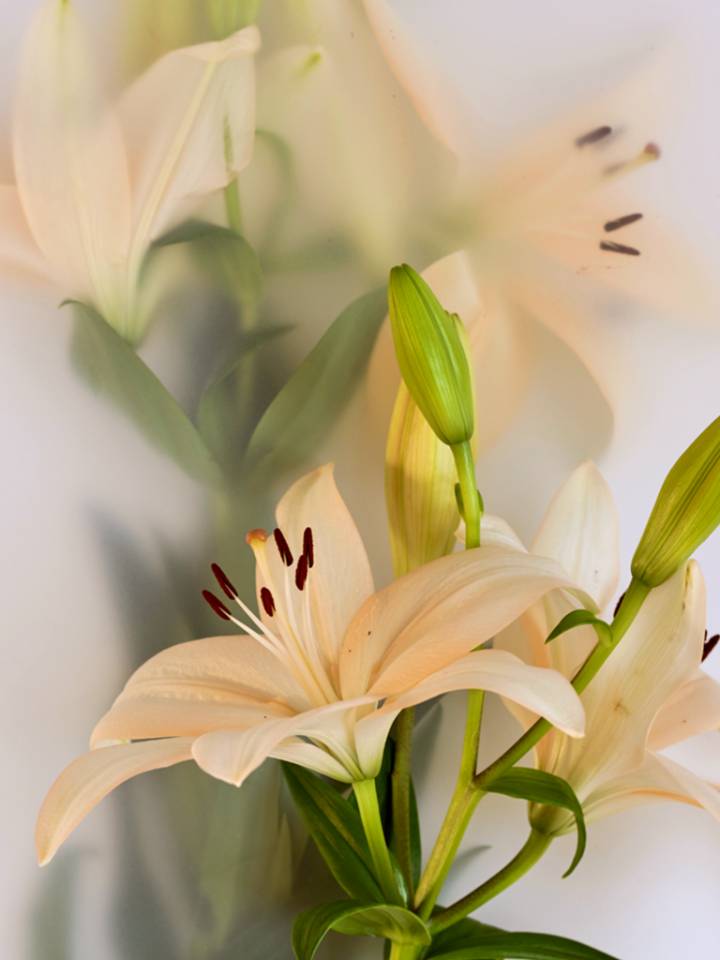
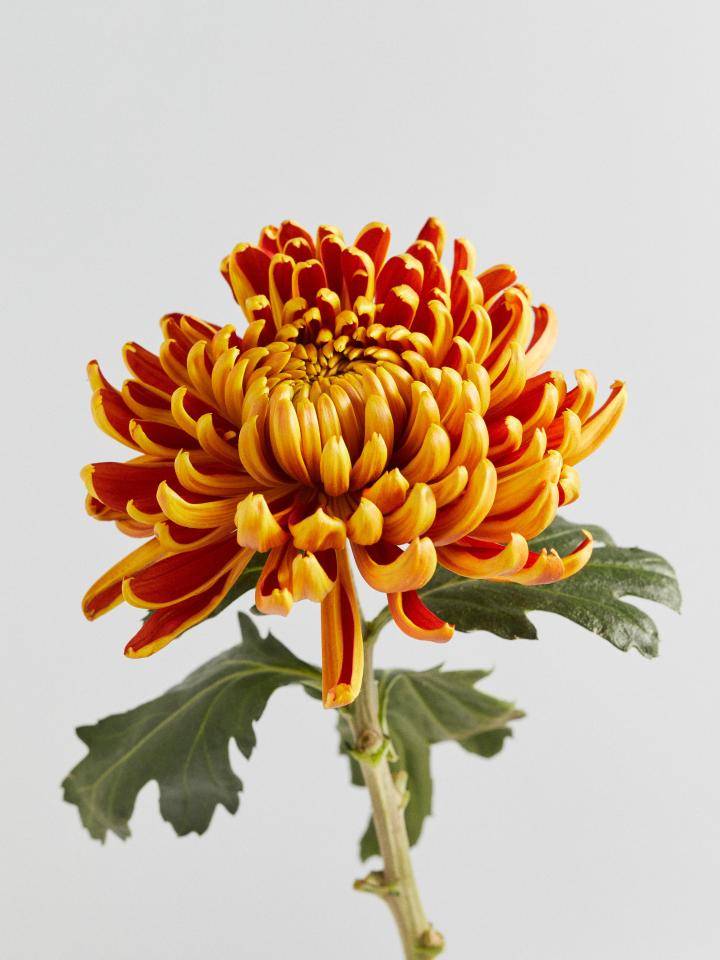
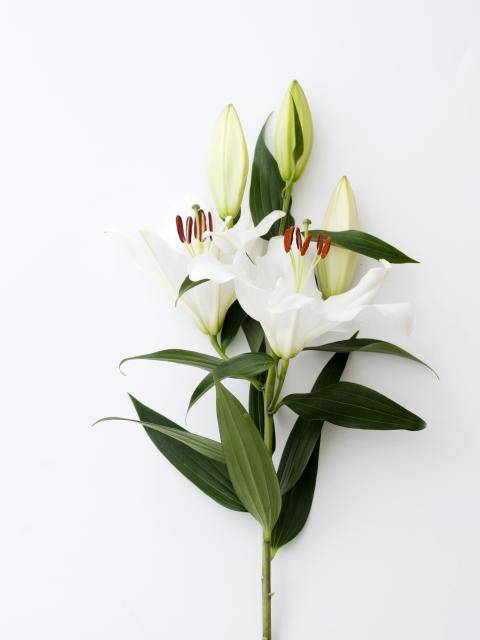
- Important flowers: white and yellow flowers, especially Chrysanthemums and Lilies. These flowers symbolise purity, hope and immortality. Bright colours are usually avoided, as more subdued tones suit the tranquil atmosphere of the rituals.
- Common in: Japan, Thailand, Tibet, Sri Lanka, Myanmar and parts of China.
Japanese Buddhists often place personal items such as clothing and money in the coffin alongside white and yellow flowers, helping to symbolically prepare the deceased for the next life.
Hinduism: flowers as spiritual guidance
In Hinduism, death also symbolises a transition rather than an end. Reincarnation and purification lie at the heart of the belief system. Flowers play an important role as offerings, decoration and as spiritual guidance for the soul.
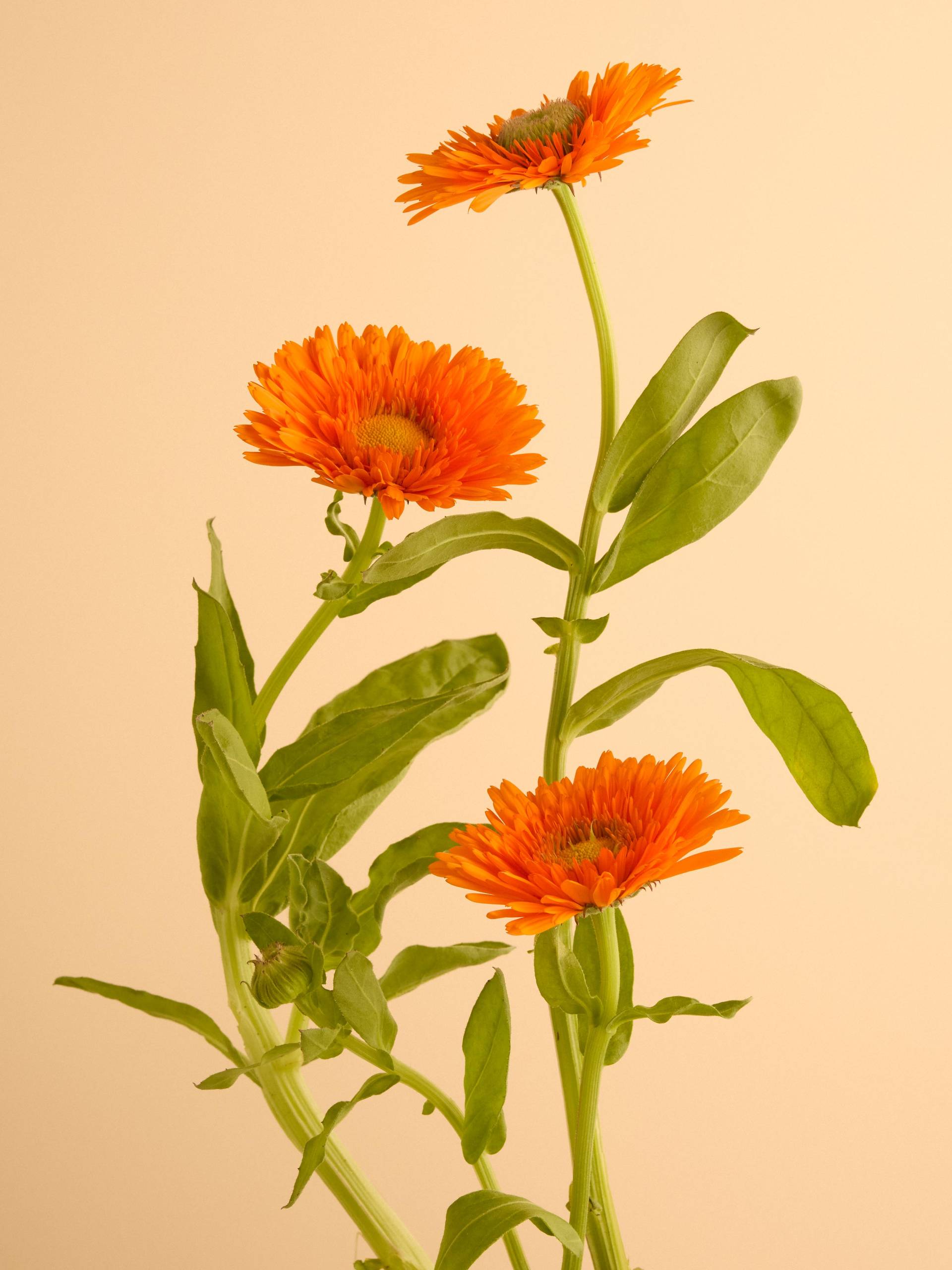
- Important flowers: lotus and marigold. The Lotus symbolises spiritual enlightenment and rebirth. Marigolds are believed to ward off negative energy and guide the soul on its journey to the next life.
- Common in: India, Nepal, Sri Lanka, Bali (Indonesia), Mauritius, Fiji and Suriname.
Islam: subtle, fragrant flowers as a respectful tribute
In Islam, simplicity and purity are central to funeral rites. The focus is on prayer and the ritual washing of the body. Flowers are not used as religious offerings, but sometimes appear as a respectful tribute.
Christianity: flowers as a sign of comfort and love
In Christianity, flowers are a familiar part of funeral ceremonies. They symbolise comfort, hope and love, although there are no strict religious rules regarding their use.
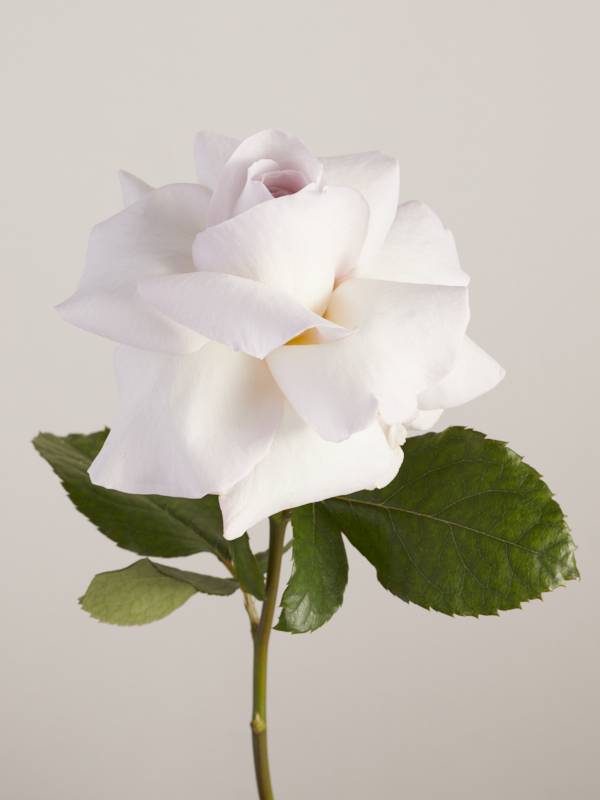
- Important flowers: a wide variety of flowers may be used. Particularly popular choices include Lily, Hydrangea, Lisianthus and Rose.
- Common in: Europe, North and South America, and parts of Africa.
Indigenous traditions
In many indigenous cultures, flowers are closely connected to ancestors and the cycle of life. They often play a symbolic role in rituals and act as a bridge between the living and the spirit world.
In Hawaii, this symbolism takes on a unique form. During funeral ceremonies, loved ones wear flower garlands known as lei, or release them into the sea as a gesture of love, connection and letting go. A traditional mourning lei may be made from the flowers of the native hala tree, which symbolises remembrance and protection. Tropical flowers such as Orchids and Anthuriums also play an important role in Hawaiian farewell rituals.

Día de los Muertos: rituals in mexico
Within Mexican Catholic tradition, death is not only a moment of mourning but also one of connection and remembrance. During Día de los Muertos on 1 and 2 November, departed loved ones are honoured with colourful rituals and, above all, flowers.
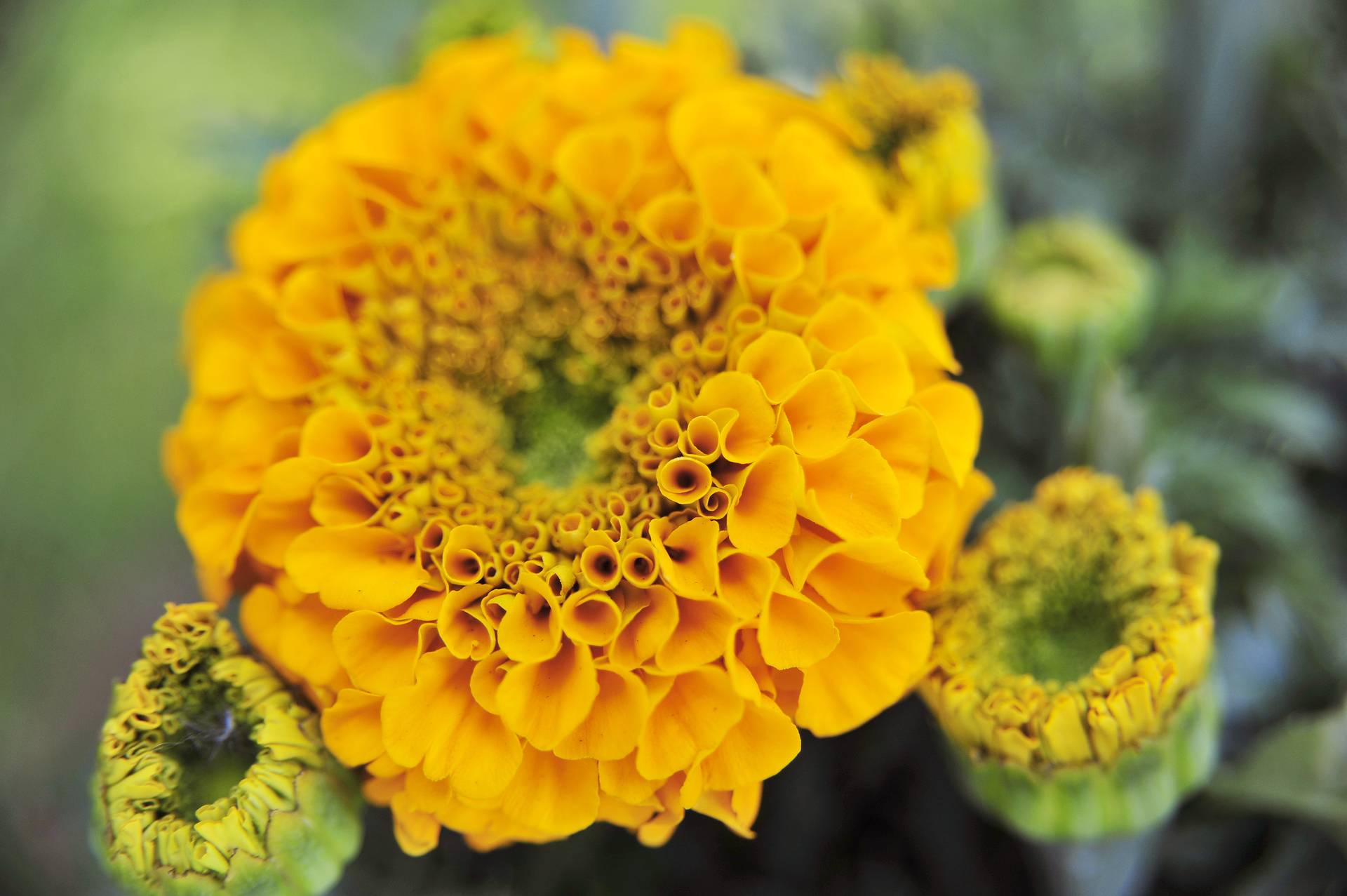
The bright orange cempasúchil (Mexican Marigold) is known as the “flower of the dead”. Its colour and fragrance are believed to guide the souls of the deceased to the family altar, which is richly decorated with candles, photographs, food and sometimes tequila. Flowers also play an important role during the night vigil when the deceased lies in state at home, and during the church service.
These traditions are unique to Mexico and reflect a blend of indigenous Aztec rituals and Catholic belief.
More Inspiration
Would you like to read more about flowers for a farewell? Discover which ten flowers are most suitable for a funeral, explore this article with examples of a funeral spray and a funeral bouquet, or read florist Paul Wijkmijer’s tips on creating a thoughtful condolence bouquet.
Sabina
Redacteur
Sabina combineert haar passie voor bloemen en planten met een talent voor schrijven. Ze vertelt verhalen over hoe groen je huis verrijkt - van weelderige kamerplanten tot expressieve boeketten. Haar tips zijn praktisch en sfeervol, met een creatieve twist. Ze gelooft dat groen niet alleen je huis, maar ook je humeur opfleurt - en daar schrijft ze met liefde over.